

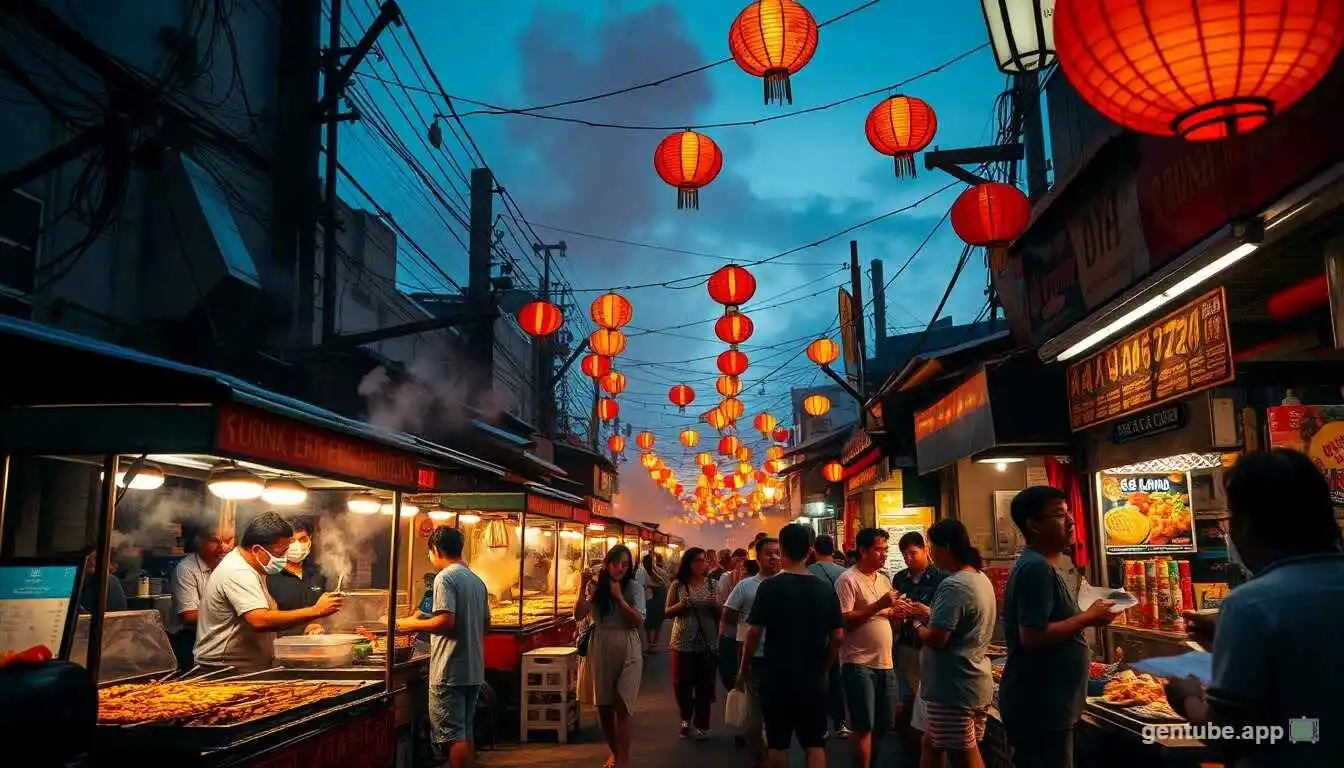
Before you set out on your next street food adventure, a short mental checklist can help you get the most out of every stall, cart, and market you encounter.
- Research two or three iconic dishes for your destination before you arrive, so you recognize them when you see them rather than defaulting to the most familiar option.
- Eat multiple small portions from different vendors rather than filling up at the first stall you find, especially in dense night markets.
- Ask vendors what their specialty is. Nearly every stall has one dish they’re proudest of, and it’s usually worth ordering.
- Photograph the stall or note its exact location so you, or a friend, can find it again.
- Stay open to dishes that look unfamiliar or intimidating at first glance. Some of the most memorable meals come from the items you almost skipped.
Conclusion: Pack Your Appetite
There is no definitive ranking of the world’s best street food, and there probably shouldn’t be. Every dish on this list exists because it means something to the people who eat it every day, a shared language of flavor built over generations, passed from vendor to vendor, cart to cart, city to city. The real reward of street food travel is not checking dishes off a list but slowing down long enough to watch a vendor work, to ask what’s in the sauce, to eat standing up next to strangers who are just as hungry as you are. Wherever you go next, skip the hotel restaurant at least once. The best meal of your trip is probably twenty feet away, on a cart, with a line forming.
FAQS
1.Is street food generally safe to eat while traveling?
In most cases, yes, especially when you choose vendors with high turnover, watch food being cooked fresh in front of you, and avoid items that have been sitting at room temperature for extended periods.
2.What is the most popular street food in the world?
There’s no single universal answer, but tacos, satay, falafel, and noodle dishes like pad Thai and pho are among the most globally recognized and widely replicated street foods.
3.How do I find good street food when I don’t speak the local language?
Look for long lines of locals, point at what other customers are eating, and use translation apps for basic questions about ingredients if you have allergies or dietary restrictions.
4.Is it rude to bargain over street food prices?
In many countries prices are fixed and non-negotiable for food, unlike souvenirs or market goods, so it’s best to observe local norms or ask a local friend before attempting to haggle.
5.What should I do if I have food allergies while eating street food?
Learn key allergy-related phrases in the local language beforehand, carry a translated allergy card if possible, and when in doubt, choose simpler dishes with fewer hidden ingredients or sauces.
6.Why is Bangkok considered a street food capital?
Bangkok’s density of vendors, variety of dishes, affordability, and consistently high quality, including stalls that have earned Michelin recognition, have made it one of the most celebrated street food cities globally.
7.What is the difference between street food and food truck cuisine?
Traditional street food is typically sold from fixed stalls, carts, or open-air setups rooted in local culinary tradition, while food trucks, especially in Western countries, are often mobile businesses blending multiple culinary influences.
8.Can vegetarians and vegans find good street food options?
Yes, many cultures have long-standing vegetarian street food traditions, such as Indian chaat, Vietnamese fresh spring rolls, and various fried vegetable and grain-based snacks found throughout Asia and the Middle East.
9.What is Vietnamese bánh mì made of?
A crusty baguette filled with ingredients like pâté, pickled carrots and daikon, cucumber, cilantro, chili, and a choice of protein such as grilled pork or chicken.
10.Why do so many countries have their own version of a grilled meat skewer?
Skewered grilled meat is a practical, portable, and efficient cooking method that developed independently across many cultures, later cross-pollinating through trade and migration into dishes like satay, kebab, and suya.
11.What is arancini and where does it come from?
Arancini are fried, breaded rice balls typically filled with ragu, mozzarella, or peas, originating in Sicily, Italy.
12.Is street food cheaper than restaurant food?
Almost always, yes, since street vendors have lower overhead costs than restaurants, which is part of why street food remains a daily meal option for locals rather than an occasional treat.
13.What is koshari, Egypt’s national dish?
A layered dish of rice, lentils, and macaroni topped with spiced tomato sauce, crispy fried onions, and a garlicky vinegar sauce.
14.How has social media changed street food culture?
It has turned previously under-the-radar neighborhood vendors into international destinations, sometimes creating long lines and increased demand for stalls that operated quietly for decades.
15.What is the best time of day to eat street food?
This varies by dish and culture, breakfast-oriented street foods like simit or congee are best eaten early, while night markets in much of Asia peak in quality and variety in the evening.
16.What is Filipino balut?
A fertilized duck egg that is boiled and eaten from the shell, a traditional and protein-rich Filipino street snack that can be unfamiliar to first-time visitors.
17.Why is Mexican street food so highly regarded internationally?
Its combination of bold, balanced flavors, techniques refined over centuries, and dishes like tacos al pastor that reflect a blend of Indigenous and immigrant culinary influences have earned it widespread global acclaim.
18.What is the difference between döner, shawarma, and gyro?
All three involve meat roasted on a vertical rotisserie and are historically related, but döner originates from Turkey, shawarma from the Levant, and gyro is the Greek adaptation, each with distinct spicing and serving styles.
19.Is it normal to eat street food standing up?
Yes, in most street food cultures around the world, eating standing up or on a small stool near the stall is completely normal and part of the experience.
20.What is elote and how is it different from corn on the cob elsewhere?
Elote is Mexican grilled corn on the cob coated with mayonnaise, cheese, chili powder, and lime, offering a distinctly savory, spicy, and tangy flavor profile compared to plain buttered corn.
21.What is currywurst and why is it associated with Berlin?
Currywurst is sliced sausage topped with a curry-spiced ketchup sauce that emerged in postwar Berlin, becoming a beloved and enduring German street food staple.
22.How do I know if a street food stall is hygienic?
Look for vendors who handle raw and cooked food separately, cook items fresh to order, keep their workspace reasonably clean, and have a steady stream of local customers.
23.What is Colombian arepa made from?
A grilled or fried cake made from ground corn dough, often split and filled with cheese, meat, or eggs, and eaten throughout the day across Colombia.
24.What makes Japanese festival street food unique?
It is closely tied to seasonal festivals, or matsuri, where stalls sell portable snacks like takoyaki and taiyaki meant to be eaten while walking and enjoying festival activities.
25.Are there famous street food dishes that started as immigrant food?
Yes, dishes like tacos al pastor in Mexico, born from Lebanese immigrants’ rotisserie techniques, and bánh mì in Vietnam, shaped by French colonial bread traditions, show how migration has directly shaped street food history.
26.What is South Africa’s bunny chow?
A hollowed loaf of bread filled with curry, originating among the Indian community in Durban, and now a beloved dish across South Africa.
27.Can street food be considered fine dining in disguise?
In many cases, yes, since the skill, consistency, and flavor balance achieved by dedicated street vendors, some of whom have earned Michelin recognition, can rival or exceed that of formal restaurants.
28.What should first-time street food travelers order to ease in?
Simple, freshly cooked, and widely popular dishes like grilled skewers, fried dumplings, or noodle soups are a good starting point before moving on to more unfamiliar or intensely flavored options.
29.Why do night markets exist in so many Asian countries?
Cooler evening temperatures, higher foot traffic after work hours, and long-standing cultural traditions of communal outdoor eating have made night markets a natural and enduring format across much of Asia.
30.Is it possible to do a street food tour with a local guide?
Yes, many cities around the world offer guided street food tours led by locals, which can be a great way to safely sample a wide variety of dishes while learning their cultural context.
Medical Disclaimer: The information provided on this website is for general educational and informational purposes only and is not intended as a substitute for professional medical advice, diagnosis, or treatment. Always seek the advice of your physician or other qualified health provider with any questions you may have regarding a medical condition. Never disregard professional medical advice or delay in seeking it because of something you have read on this website.

