

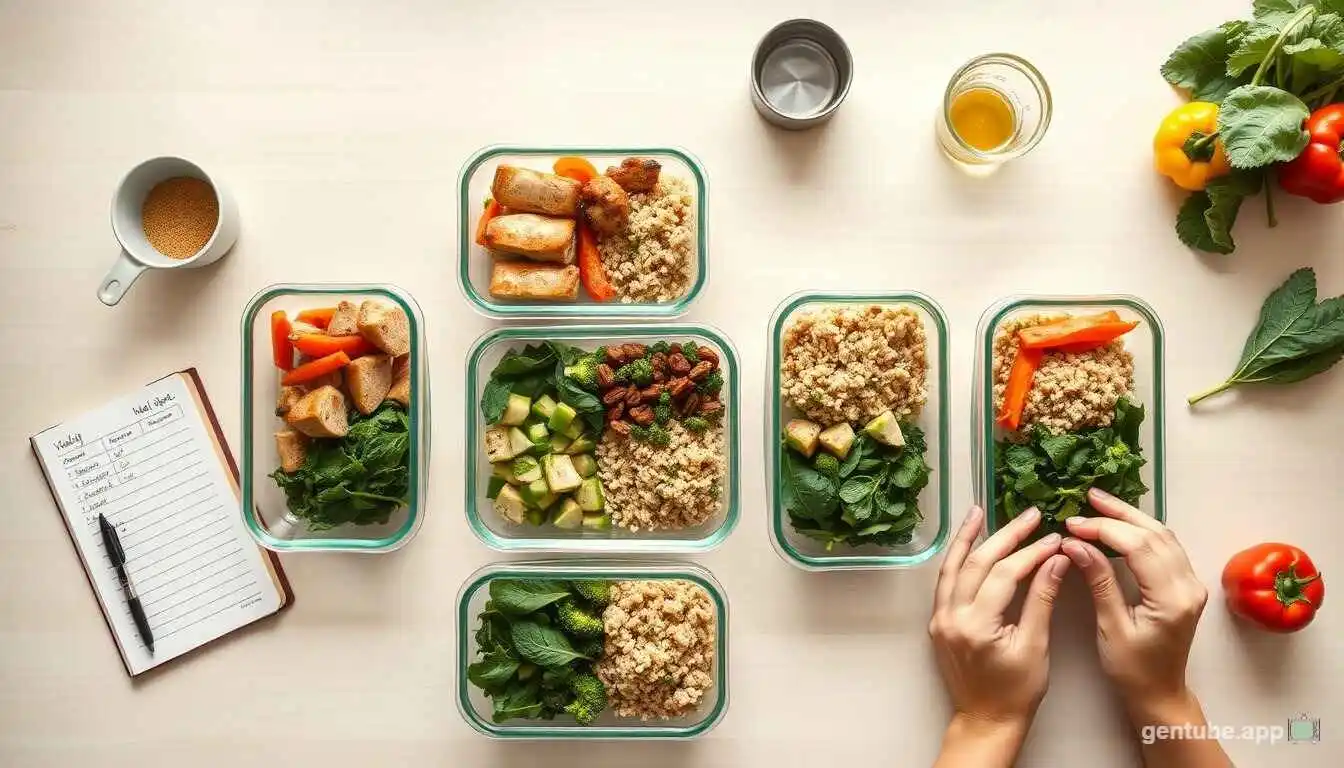
Meal Prepping 101: The Beginner’s Guide to Reclaiming Your Time and Your Wallet
Picture this: it’s 6:30 on a Tuesday evening, you’re exhausted from work, and the only thing standing between you and dinner is a completely empty refrigerator, a sink full of yesterday’s dishes, and the tempting glow of a food delivery app on your phone. Sound familiar? For millions of people, this scene repeats itself several times a week, quietly draining both their bank account and their energy.
Now picture a different version of that same Tuesday evening: you open the fridge, pull out a container that already has a balanced, flavorful meal sitting inside it, warm it up in a few minutes, and sit down to eat without a single decision left to make. That’s the quiet magic of meal prepping, and it’s one of the simplest, most effective lifestyle habits you can build to save both time and money.
This comprehensive beginner’s guide will walk you through everything you need to know to get started with meal prepping, from the basic philosophy behind it to practical step-by-step strategies, common mistakes to avoid, and answers to the thirty most common questions beginners ask. By the end, you’ll have a clear, realistic roadmap for making meal prep an effortless part of your routine.
What Is Meal Prepping, and Why Has It Become So Popular?
At its simplest, meal prepping means preparing some or all of your meals in advance, usually in one or two dedicated cooking sessions per week, so that eating well during busy days requires little more than reheating or quick assembly. It’s a habit that has existed informally for generations, but it has exploded in popularity over the past decade, driven by increasingly busy schedules, rising food costs, and a growing cultural focus on health and wellness.
Part of meal prepping’s appeal lies in how directly it addresses two of the most common daily frustrations people face: not having enough time to cook, and spending too much money on convenience food as a result. When you remove the daily question of “what am I going to eat,” you eliminate one of the biggest triggers for impulsive, expensive food decisions, whether that’s an unplanned drive-through stop or a pricey delivery order placed out of sheer exhaustion.
Social media has also played a significant role in popularizing meal prepping, with countless creators sharing colorful, neatly portioned containers lined up in refrigerators, along with tips, recipes, and time-saving hacks. While the aesthetic appeal is certainly part of the draw, the underlying practical benefits are what keep people coming back to this habit long after the initial trend excitement fades.
The Real Benefits of Meal Prepping, Beyond Just Convenience
While saving time and money are the two most commonly cited reasons people start meal prepping, the benefits actually extend much further once the habit becomes consistent.
- Reduced daily decision fatigue, since the mental effort of deciding what to eat is handled just once or twice a week instead of multiple times daily
- More consistent nutrition, since planned meals tend to be more balanced than last-minute convenience choices
- Lower grocery spending, thanks to more intentional shopping and less food waste
- Reduced stress around weekday cooking, particularly on busy workdays or after long commutes
- Better portion control, which can support weight management and more mindful eating habits
- Less food waste overall, since ingredients are purchased with a specific plan in mind rather than vague intentions
Taken together, these benefits explain why meal prepping tends to stick as a long-term habit for so many people, rather than fading away like many short-lived diet trends. It’s less about restriction and more about building a smarter, more intentional system around eating.
How Meal Prepping Actually Saves You Money
The financial case for meal prepping is one of its most compelling selling points, and the math behind it is fairly straightforward once you break it down.
Buying in Bulk and Reducing Impulse Purchases
When you shop with a specific meal plan in mind, you naturally buy exactly what you need, often in larger, more cost-effective quantities, rather than making frequent smaller trips where impulse purchases tend to sneak into the cart.
Cutting Down on Takeout and Delivery Spending
Restaurant meals and delivery orders typically cost significantly more per serving than homemade meals, once you factor in delivery fees, service charges, and tips. Having a ready-made meal waiting at home removes the primary excuse, being too tired or too busy to cook, that often drives these more expensive choices.
Minimizing Food Waste
A significant portion of household grocery spending is quietly lost to food that spoils before it gets used. Because meal prepping requires planning exact quantities in advance, ingredients are far more likely to actually get used before they go bad, effectively lowering your true cost per meal.
When these three factors combine, many people find that their overall food spending drops noticeably within just the first month of consistent meal prepping, even without dramatically changing what they eat.
How Meal Prepping Actually Saves You Time
Beyond the financial upside, the time-saving benefits of meal prepping are often what convert curious beginners into long-term devotees.
Cooking a single large batch of a dish is almost always faster, per serving, than cooking that same dish in smaller portions multiple times throughout the week. Chopping vegetables once for several meals, running the oven once for multiple servings, and cleaning the kitchen a single time rather than daily all add up to substantial time savings.
Additionally, the time spent deciding what to eat, browsing recipes, checking what’s in the fridge, or scrolling through delivery apps, is often underestimated. By removing that daily decision-making process entirely, meal prepping frees up mental space and time that can be redirected toward work, rest, family, or hobbies.
Getting Started: A Step-by-Step Framework for Beginners
If the idea of meal prepping feels overwhelming, breaking it down into a simple, repeatable framework can make the process far more approachable.
Step One: Start Small
Rather than attempting to prep every single meal for an entire week right away, beginners are far more likely to succeed by starting with just one meal category, such as lunches or dinners, for three to four days.
Step Two: Choose a Few Simple, Flexible Recipes
Look for recipes built around a protein, a starch or grain, and a vegetable, which can easily be mixed, matched, and seasoned differently throughout the week to avoid monotony.
Step Three: Plan Your Grocery List Around Your Recipes
Once your meals are chosen, build a focused grocery list based specifically on those recipes, which helps avoid both overspending and unnecessary trips back to the store mid-week.
Step Four: Set Aside a Dedicated Prep Session
Most successful meal preppers block out a specific two- to three-hour window, often on a Sunday, to shop, cook, and portion meals for the days ahead.
Step Five: Store, Label, and Organize
Portion meals into clearly labeled containers, noting the date prepared, and organize your refrigerator so that meals are easy to grab quickly on busy days.
Following this simple five-step framework consistently for a few weeks is usually enough to build meal prepping into a natural, low-effort habit rather than a stressful chore.
Essential Tools That Make Meal Prepping Easier
While meal prepping doesn’t require an expensive kitchen overhaul, a handful of tools can significantly streamline the process.
- A set of stackable, microwave-safe, leak-proof containers in a few different sizes
- A sharp chef’s knife and a sturdy cutting board to speed up ingredient prep
- Sheet pans, which allow multiple ingredients to roast simultaneously in the oven
- A large stockpot or Dutch oven for soups, stews, grains, and bulk batch cooking
- A rice cooker or slow cooker, both of which allow hands-off cooking while you handle other tasks
- A kitchen scale, useful for anyone tracking portion sizes or nutritional intake closely
None of these tools are strictly mandatory, and many successful meal preppers start with nothing more than a good knife and a handful of containers, gradually adding equipment as their routine evolves.
Best Foods for Meal Prepping (and What to Avoid)
Not every dish holds up equally well after several days in the refrigerator, which makes ingredient selection an important part of successful meal prepping.
Foods That Hold Up Well
- Grains such as rice, quinoa, farro, and couscous
- Roasted or steamed vegetables like broccoli, carrots, sweet potatoes, and Brussels sprouts
- Baked or grilled proteins such as chicken, tofu, salmon, and beans
- Hearty soups, stews, and chilis, which often taste even better after a day or two
- Overnight oats and other make-ahead breakfast options
Foods Best Added Fresh
- Leafy salad greens, which wilt and lose texture quickly
- Fresh herbs, which are best chopped and added right before eating
- Fried or breaded items, which tend to lose their crispiness after refrigeration
- Avocado and other produce prone to browning once cut
A helpful strategy for beginners is to prep the sturdy base components in advance, then add any delicate, fresh elements right before serving, giving you the best of both convenience and quality.
Meal Prepping Styles: Finding the Approach That Fits Your Lifestyle
There isn’t a single “correct” way to meal prep, and part of long-term success comes from finding the style that best matches your schedule, cooking confidence, and personal preferences.
Full Meal Prep
This approach involves cooking and portioning entire, ready-to-eat meals in advance, ideal for people who want maximum convenience and minimal daily effort.
Component-Based Prep
Rather than assembling complete meals, this approach involves prepping individual components, like a cooked grain, a roasted vegetable, and a protein, separately, allowing for more flexible mixing and matching throughout the week.
Batch Cooking for the Freezer
This method focuses on cooking large batches of freezer-friendly meals, such as soups or casseroles, which are then frozen in individual portions and pulled out as needed over several weeks.
Partial or Hybrid Prep
Many people find the most sustainable approach involves prepping just a few key elements in advance, such as chopped vegetables or a cooked grain, while still cooking fresh proteins or finishing touches closer to mealtime.
Experimenting with a few of these approaches early on can help you discover which style feels most natural and sustainable for your particular routine, rather than forcing yourself into a rigid system that doesn’t fit your lifestyle.
Common Meal Prep Mistakes Beginners Should Avoid
Even well-intentioned beginners often run into a handful of predictable pitfalls when they first start meal prepping.
- Prepping too much food at once, leading to waste or boredom before the week is even over
- Choosing overly complicated recipes that make the weekly prep session feel exhausting rather than efficient
- Failing to properly cool food before sealing it in airtight containers, which can lead to sogginess or food safety concerns
- Not varying seasonings or sauces, resulting in meals that all start to taste the same by midweek
- Skipping proper storage practices, such as labeling containers with dates, which can lead to accidentally eating food past its safe window
- Trying to prep every single meal right away instead of building the habit gradually
Being aware of these common missteps ahead of time can help beginners sidestep the frustration that often causes people to abandon meal prepping within the first few weeks.
Sample Beginner Meal Prep Plan
To make things concrete, here’s a simple example of what a beginner-friendly, budget-conscious meal prep plan might look like for a few days.
- Breakfast: Overnight oats with a spoonful of peanut butter and frozen berries, prepped in individual jars for four mornings
- Lunch: A grain bowl with roasted sweet potatoes, black beans, brown rice, and a simple lime-cumin dressing
- Dinner: Sheet-pan baked chicken thighs with roasted broccoli and carrots, paired with a scoop of quinoa
- Snacks: Portioned bags of trail mix, cut vegetables with hummus, or homemade energy balls
This kind of simple, repeatable plan requires only a handful of ingredients used across multiple meals, keeping both grocery costs and prep time low while still delivering variety through different seasonings and combinations.
How to Keep Meal Prepping Sustainable Long-Term
The biggest challenge most people face isn’t starting meal prep, it’s sticking with it. A few strategies can make the habit far more sustainable over the long run.
- Rotate through a small set of trusted, go-to recipes rather than reinventing your meal plan every single week
- Allow yourself flexibility, treating meal prep as a helpful framework rather than a rigid, all-or-nothing rule
- Involve family members or roommates in the process to share both the workload and the enjoyment
- Occasionally try one new recipe to keep things interesting without overhauling your entire routine
- Give yourself permission to skip a prep week occasionally without feeling like you’ve failed
Meal prepping, like most sustainable habits, tends to work best when it’s treated as a flexible tool rather than a strict obligation. The goal is to make your life easier, not to add another source of pressure or perfectionism.
Meal Prepping for Different Life Situations
One of the most underrated strengths of meal prepping is how adaptable it is across very different lifestyles and life stages. The core principles stay the same, but the specific approach often needs to flex depending on who you’re cooking for and what your daily routine looks like.
Meal Prepping for Busy Professionals
For people juggling long work hours and packed schedules, the priority is usually speed and portability. Grab-and-go containers, simple reheat-and-eat lunches, and recipes that require minimal cleanup tend to work best, since the goal is removing as much daily friction as possible on already demanding days.
Meal Prepping for Students
Students often benefit most from budget-focused meal prepping, leaning on affordable staples like rice, beans, eggs, and seasonal vegetables. Simple one-pot meals and recipes that don’t require extensive kitchen equipment, since dorm or shared-apartment kitchens are often limited, tend to be the most practical choice.
Meal Prepping for Families
Families often find success prepping larger batches of kid-friendly, freezer-adaptable meals, along with pre-portioned snacks that make weekday mornings and after-school routines significantly smoother. Involving children in age-appropriate parts of the process, like washing vegetables or portioning snacks, can also make the habit feel like a shared activity rather than a chore for one person.
Meal Prepping for Fitness and Nutrition Goals
People focused on specific fitness or nutrition targets often lean toward component-based prepping, allowing them to precisely track proteins, carbohydrates, and portion sizes while still having the flexibility to adjust individual meals based on daily training or calorie needs.
Recognizing which category best describes your current lifestyle can help you tailor your meal prep approach from the very beginning, rather than trying to copy a system that was designed with a completely different set of daily constraints in mind.
Building a Simple Weekly Meal Prep Routine
https://youtu.be/hFyjY5IvQ4k

