

The Alchemist’s Jar: Unraveling the Spicy, Sour, and Sensational World of Fish Pickle
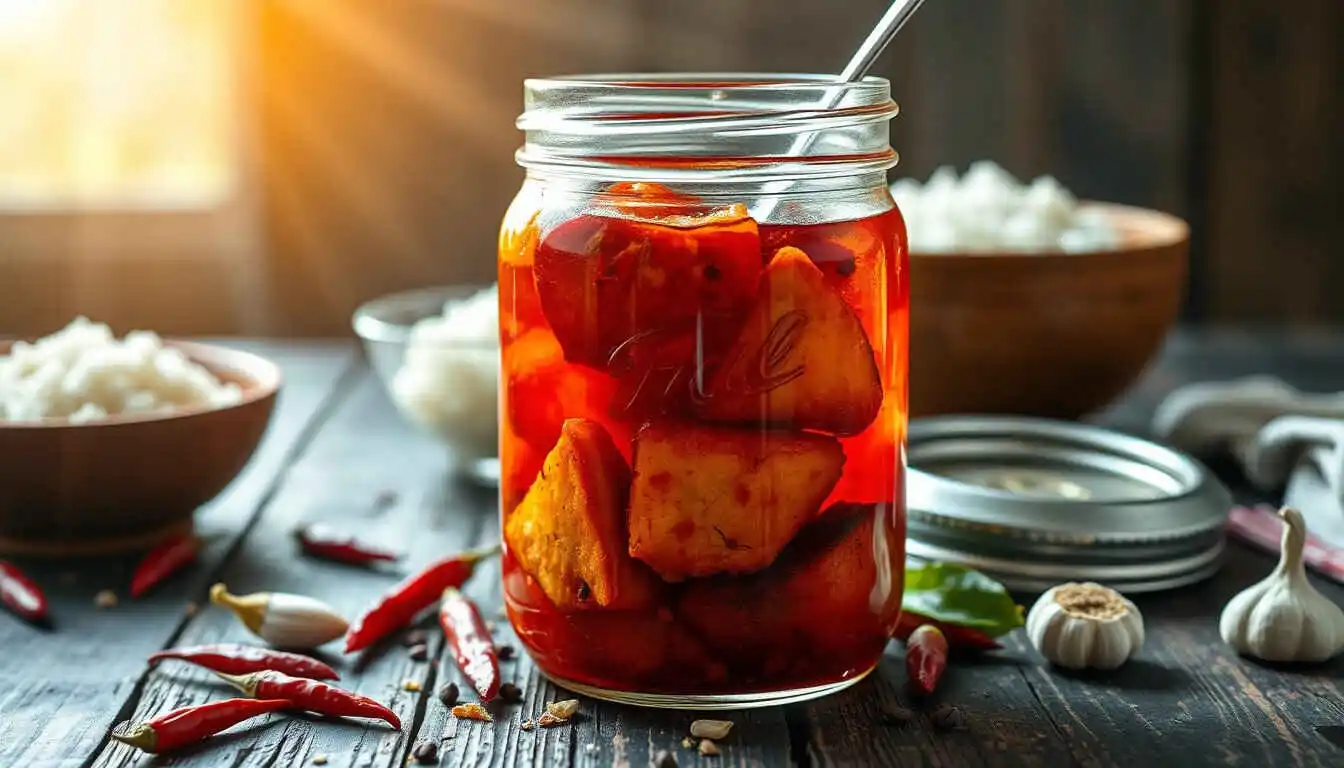
Close your eyes and imagine this: You pop the lid off a rustic glass jar. Instantly, an aromatic cloud escapes—a potent, intoxicating symphony of roasted fenugreek, crackling mustard seeds, fiery chili, and the sharp, tangy bite of vinegar. Beneath the slick, ruby-red oil lies a treasure: tender, boneless morsels of fish that have been steeped in a bubbling cauldron of spices, slowly transforming from simple seafood into a concentrated, flavor-dense delicacy.
This is not just a condiment; this is fish pickle.
For centuries, coastal communities around the globe have relied on the ancient magic of pickling to preserve the ocean’s bounty. Long before the invention of refrigeration, when a bountiful catch demanded immediate preservation, humanity turned to salt, acid, and spice. The result? A culinary masterpiece that transcends its humble preservation origins. Fish pickle—whether known as Meen Achar in the backwaters of Kerala, Escabeche in the coastal towns of Latin America, or pickled herring in the icy fjords of Scandinavia—is a testament to human ingenuity and our relentless pursuit of flavor.
This is a deep dive into the briny, spicy, sour, and sensational universe of fish pickle. From the microscopic science of fermentation to the ancient spice routes that shaped its flavor, from the perfect selection of seafood to the ultimate fish pickle recipe, we are going to explore every facet of this liquid gold. Prepare your palate, because by the end of this journey, you’ll be itching to sterilize a jar and start pickling.
The Liquid Time Machine: How Pickling Revolutionized the Coastal Table
To understand the soul of homemade fish pickle, we must first travel back in time. Imagine a world without iceboxes, without freezers, without modern canning facilities. For a fisherman in the tropics, a massive catch was both a blessing and a ticking clock. In the sweltering heat, a fresh fish can spoil within hours. The stomach of the sea is generous, but its spoils are fiercely perishable.
The discovery of preserving fish through pickling was nothing short of a culinary revolution. Historians believe that the ancient Mesopotamians and Egyptians were among the first to experiment with pickling, using brine and vinegar to keep foods edible for months. But it was along the bustling maritime trade routes of Asia and Europe that fish pickle truly evolved into an art form.
In the coastal belts of South India, fishermen combined their fresh catch with the region’s abundant spices—chilies introduced by the Portuguese, mustard seeds, curry leaves, and tamarind. They fried the fish to remove moisture, then bathed it in a fiery, acidic slurry, sealing it under a thick layer of gingelly oil. This oil acted as an airtight seal, a liquid vault keeping bacteria at bay. A single jar of spicy fish pickle could feed a family for months, providing vital protein and probiotics during monsoon seasons when the ocean was too violent to fish.
But fish pickle was not just a survival mechanism; it was a cultural equalizer. From the palaces of Maharajas who demanded the finest prawn and tuna pickles, to the humblest fisherman’s hut where sardine pickle stretched a meager catch, the jar of pickle sat on every table. It was the great unifier of the coastal table, a liquid time machine that captured the taste of the summer sea and released it in the depths of the rainy season.
The Global Mosaic: A World Tour of Pickled Fish Traditions
While the term “fish pickle” might immediately conjure images of fiery Indian Meen Achar, the concept of pickling fish is a universal language, spoken with different dialects of spice and acid across the globe. Let’s take a culinary voyage to explore how different cultures have mastered the art of fermented seafood.
- India: The Fiery Royals of Meen Achar
In India, pickling is elevated to a spiritual experience. Kerala fish pickle is perhaps the most iconic, characterized by its vivid red hue from Kashmiri chilies and its tangy kick from vinegar or brined mango. The fish—usually kingfish, tuna, or sardines—is marinated in turmeric and salt, deep-fried until firm, and then folded into a masala of roasted spices. The entire concoction is preserved under a generous layer of sesame (gingelly) oil. In Goa, the Portuguese influence introduces palm vinegar and a slightly sweeter, more pungent profile. Further east, in Bengal, the pickle leans heavily on mustard oil and pungent black mustard paste, creating a lip-smacking, sinus-clearing delicacy.
- Latin America: The Vibrant Escabeche
Sail across the Atlantic, and you will find Escabeche. Brought to the Americas by the Spanish, who themselves adopted it from the Persians and Arabs (the word derives from the Persian sikbaj, meaning “vinegar stew”), Escabeche is a lighter but equally compelling fish pickle. Typically made with whole small fish like sardines or mackerel, the fish is fried and then marinated in a vibrant mixture of vinegar, olive oil, garlic, onions, carrots, and jalapeños or bell peppers. Served cold, it is a staple in coastal Peru, Mexico, and the Philippines (where it is known as Escabeche ng Isda), balancing the sharp acidity of the vinegar with the sweetness of the vegetables.
- Scandinavia: The Sweet and Sour Surströmming and Pickled Herring
In the freezing North, pickling took a different, decidedly less spicy path. The Swedes created Surströmming, a notoriously pungent fermented Baltic herring that is considered one of the smelliest foods in the world. However, the more universally beloved cousin is the classic Pickled Herring. Cured in a brine of vinegar, sugar, and onions, with hints of allspice and bay leaves, Scandinavian pickled herring is a delicate, sweet-and-sour marvel. It is a testament to how fish preservation methods adapt to local palates—eschewing chili for the warmth of baking spices.
- Southeast Asia: The Funky Depths of Pla Ra and Balao-Balao
In Thailand and the Philippines, the line between pickling and fermenting blurs into deep, umami-rich territory. Thai Pla Ra is a fermented fish sauce/paste that is the backbone of Isan cuisine, while the Philippines boasts Balao-Balao, a fermented rice-shrimp paste, and various pickled fish dishes utilizing sugarcane vinegar and chili. These are not for the faint of heart; they are loud, funky, and undeniably addictive, showcasing the wilder side of traditional pickling.
The Science of the Jar: Unpacking the Magic of Fish Pickle
How exactly does a raw, highly perishable piece of seafood transform into a shelf-stable fish delicacy that can sit in a pantry for a year without refrigeration? The answer lies in a beautiful, microscopic war zone. The science of pickling is a masterclass in biochemistry, relying on three primary weapons: Heat, Salt & Acid, and Anaerobic Sealing.
- Heat and Dehydration: The First Line of Defense
Water is the enemy of preservation. Bacteria require moisture to thrive and multiply. When making a quality fish pickle, the fish is never used raw. It is heavily salted to draw out moisture through osmosis, and then it is traditionally fried or roasted. This cooking step achieves two things: it kills off any existing pathogenic bacteria on the fish, and it drastically reduces the water activity within the fish’s flesh. By turning the fish into a relatively dry sponge, we are preparing it to absorb the flavors of the pickle while removing the moisture that would cause rot.
- The Acidic Moat: The Role of Salt and Vinegar
Once the fish is cooked and cooled, it enters the acidic moat. The primary preservative in most fish pickles is vinegar, specifically its active component: acetic acid. Most pathogenic bacteria and molds cannot survive in a highly acidic environment. The magic number for safe pickling is a pH level of 4.6 or lower. At this acidity, the spores of Clostridium botulinum (the bacteria that causes deadly botulism) cannot germinate.
Salt works in tandem with the acid. In fish preservation methods, salt not only draws out moisture but also penetrates the cell walls of any remaining bacteria, essentially dehydrating them to death. In some traditional pickles, lactic acid fermentation also occurs, where naturally occurring Lactobacillus bacteria consume sugars in the ingredients and produce lactic acid, further lowering the pH and adding a complex, sour depth to the flavor profile.
- The Oil Seal: Creating an Anaerobic Environment
In many Asian fish pickle recipes, the final and most crucial step is covering the entire mixture in oil—usually gingelly (sesame) or mustard oil. Why oil? Because most spoilage organisms, particularly molds and aerobic bacteria, require oxygen to survive.
When the spiced fish and vinegar mixture is submerged under an inch of oil, it creates an anaerobic (oxygen-free) environment. The oil acts as an impenetrable barrier between the delicate pickle and the ambient air. As long as the fish remains submerged, it is effectively sealed in a time capsule, safe from the ravages of oxidation and microbial growth. This is the ancient, edible equivalent of vacuum packing!
The Anatomy of a Perfect Fish Pickle: Choosing Your Weapons
A spectacular homemade fish pickle is only as good as its raw materials. You cannot simply throw any fish into any vinegar and hope for the best. The selection of fish, oil, acid, and spices requires careful consideration.
The Catch: Selecting the Right Fish
Not all fish are created equal in the pickle jar. You need a fish with firm, meaty flesh that can withstand the rigors of salting, frying, and prolonged marination. Soft, flaky fish will disintegrate into mush within weeks.
- The Kings (Tuna, Kingfish/Seerfish, Shark): These are the gold standards for Kerala fish pickle. Their dense, steak-like flesh absorbs flavors beautifully while maintaining a satisfying, chewy texture. Shark, in particular, is prized because it lacks bones, making the pickle easy to eat.
- The Everyday Heroes (Mackerel, Sardines, Pomfret): While oilier and softer than tuna, these are incredibly flavorful. When using sardines or mackerel, they are often pickled whole (de-headed and gutted) or cut into thick steaks. Their high oil content marries beautifully with the pickling spices, though their shelf life is slightly shorter than that of firmer fish.
- The Crustacean Twist (Prawns and Shrimp): Though not technically fish, prawns make an exquisite pickle. They must be cooked very briefly to prevent them from turning rubbery during the pickling process.
The Acid: The Soul of the Sour
The type of acid you use dictates the fundamental flavor profile of your pickle.
- Vinegar: White distilled vinegar provides a sharp, clean, unyielding sourness without adding any color. Apple cider vinegar offers a slightly fruitier, milder tang. In India, synthetic white vinegar is the traditional choice for maintaining the bright red color of the chilies.
- Lime/Lemon Juice: While frequently used, pure citrus juice can sometimes be too harsh or bitter over long periods. It is often combined with vinegar to add a fresh, fragrant top note.
- Tamarind: In Southeast Asia and parts of South India, tamarind pulp is the acid of choice. It provides a complex, dark, fruity sourness that is less aggressive than vinegar, resulting in a mellower, deeply savory pickle.
The Oil: The Protective Blanket
The oil is not just a preservative; it is a flavor carrier. Fat-soluble flavor compounds from the spices leach into the oil, which in turn coats the fish, ensuring every bite is bursting with flavor.
- Gingelly Oil (Sesame Oil): Unrefined, dark gingelly oil is the undisputed king of South Indian pickling. Its nutty, roasted, slightly bitter flavor is the backbone of authentic Meen Achar.
- Mustard Oil: Used predominantly in Eastern India and Bangladesh, raw mustard oil has a pungent, sinus-attacking aroma that mellows beautifully over time, lending a distinct sharpness to the pickle.
- Olive Oil: The choice for Latin American Escabeche, its grassy, peppery notes complement the vinegar and vegetables perfectly.
The Spice Rack: The Heartbeat of Flavor
If the fish is the body, and the acid is the soul, the spices are the heartbeat of the pickle.
- Mustard Seeds: Both whole (for tempering) and ground (for the masala). They provide an earthy, pungent heat.
- Fenugreek Seeds: The secret weapon. Roasted and ground fenugreek adds a bitter, maple-like depth and acts as a natural thickening agent for the pickle gravy.
- Chili Powder: The source of the fire and the iconic red hue. A blend of spicy chili powder and mild, color-rich Kashmiri chili powder is the pro move.
- Turmeric: Essential for its earthy flavor, vibrant yellow color, and powerful antimicrobial properties.
- Garlic and Ginger: The aromatic base, usually finely minced or ground into a paste, providing pungent warmth.
- Curry Leaves: Tempered in the hot oil, they release an unmistakably citrusy, nutty aroma that is the hallmark of South Indian pickles.
The Culinary Crucible: A Step-by-Step Masterclass in Fish Pickle
It is time to don your apron and stand before the stove. This is where the alchemy happens. Below is a master fish pickle recipe, modeled after the iconic Kerala Meen Achar. This recipe yields a fiery, tangy, deeply flavorful pickle that, if handled correctly, will last up to six months in your pantry.
Ingredients:
For the Fish:
- 500g firm fish (Tuna, Kingfish, or Shark), cut into 1-inch cubes
- 1 tsp turmeric powder
- 1 tbsp red chili powder
- 1 tbsp salt
- Oil for shallow frying
For the Pickle Masala:
- 2 tbsp mustard seeds (divided: 1 tbsp whole, 1 tbsp ground)
- 1 tbsp fenugreek seeds
- 3 tbsp Kashmiri chili powder (for color and mild heat)
- 1 tbsp spicy red chili powder (adjust to taste)
- 1 tsp turmeric powder
- 1 cup white vinegar (divided)
For Tempering & The Base:
- ¼ cup gingelly (sesame) oil or any neutral oil (plus extra to seal)
- 1 tsp black mustard seeds
- 1 dried red chili, broken
- 1 sprig fresh curry leaves
- 1 large onion, finely minced (optional, but adds great body)
- 2 tbsp ginger, finely minced
- 2 tbsp garlic, finely minced
- 3-4 green chilies, slit
- Salt to taste
The Process:
Step 1: The Cure and The Crisp
- In a bowl, toss the fish cubes with 1 tsp turmeric, 1 tbsp chili powder, and 1 tbsp salt. Let it marinate for at least 30 minutes. This draws out moisture and pre-seasons the fish.
- In a wide, heavy-bottomed pan, heat the oil for shallow frying. Over medium heat, fry the fish pieces in batches until they are deeply golden brown and firm to the touch. Do not overcrowd the pan.
- Remove the fish and drain on paper towels. Let them cool completely. Crucial Rule: If the fish is warm when it hits the vinegar, it will turn mushy.
Step 2: Roasting the Spices
- In a dry skillet over low heat, dry roast 1 tbsp of mustard seeds and 1 tbsp of fenugreek seeds until they just begin to pop and release a fragrant aroma (about 2 minutes). Do not burn them, or they will turn bitter.
- Let them cool, then grind them into a fine powder. Mix this freshly ground powder with the Kashmiri chili powder, spicy chili powder, and 1 tsp turmeric. Add ¼ cup of vinegar to this spice mix to form a thick, vibrant paste. This prevents the spices from burning in the oil later.
Step 3: The Tempering (Tadka)
- In a large, heavy-bottomed pot or kadai, heat ¼ cup of gingelly oil until it shimmers.
- Add 1 tsp of black mustard seeds. Once they begin to splutter and pop, add the dried red chili and the curry leaves. Stand back—they will crackle!
- Immediately add the minced ginger, garlic, and green chilies. Sauté until the raw smell of the garlic disappears and the ginger is lightly golden.
- (Optional but recommended) Add the finely minced onions and sauté until they turn deeply caramelized and brown. This adds a wonderful sweetness to counter the acid.
Step 4: The Masala Alchemy
- Lower the heat. Add the spice-vinegar paste to the pot. Stir vigorously.
- Cook this paste for 5-7 minutes over low heat. You will see the oil beginning to separate from the spices—a crucial sign that the spices are cooked and the raw bitterness is gone. The kitchen will smell incredible.
- Pour in the remaining ¾ cup of vinegar. Add salt to taste. Bring the mixture to a gentle simmer. Let it bubble for 3-4 minutes.
Step 5: The Grand Unification
- Gently fold the fried fish pieces into the bubbling masala. Use a flat spatula to fold, do not stir vigorously, or you will break the fish.
- Let the fish simmer in the masala on very low heat for exactly 5 minutes. This allows the fish to absorb the flavors without disintegrating.
- Turn off the heat. Taste and adjust the salt or vinegar if needed. The pickle should be tangy, salty, and spicy—remember, the flavors will mellow as it ages.
Step 6: The Seal of Immortality
- Allow the pickle to cool completely to room temperature. This might take several hours.
- Spoon the cooled pickle into sterilized, completely dry glass jars.
- Check the oil level. The oil must float at least half an inch above the fish and masala. If there isn’t enough oil, heat a little more gingelly oil until it smokes, let it cool completely, and pour it over the pickle to create an airtight seal.
- Wipe the rims of the jars clean, seal them tightly, and store them in a cool, dark pantry.
The Resting Period: Why Patience is the Ultimate Spice
You have made your homemade fish pickle, and the jar is sitting on your counter. The hardest part of the recipe begins now: waiting.
Resist the urge to open the jar immediately. A freshly made fish pickle, while delicious, is chaotic. The vinegar is harsh, the chili is raw, and the spices haven’t yet introduced themselves to the fish. The magic of the pickle happens over the course of 7 to 14 days.
During this resting period, the acid continues to gently penetrate the fried fish, tenderizing it slightly while simultaneously infusing it with the spice profile. The oil acts as a medium, carrying the flavors of the mustard and fenugreek deep into the flesh. The harsh edges of the vinegar mellow out, and the disparate flavors meld into a harmonious, unified taste.
It is exactly like aging a fine wine or letting a stew sit overnight. Time is the invisible, final ingredient. When you finally crack the seal a week later, you will find that the pickle has transformed. It is smoother, deeper, and infinitely more complex than the day you made it.
Beyond the Jar: Creative Ways to Devour Your Fish Pickle
Now that your pickle is perfectly aged, how do you eat it? The traditional route is always the best: a steaming mound of fluffy, white rice, a drizzle of ghee, and a generous spoonful of the fiery, oily pickle mixed in. The heat of the rice slightly warms the pickle, releasing the aromatics trapped in the oil. It is comfort food of the highest order.
But the culinary potential of fish pickle goes far beyond a side dish for rice. It is a concentrated flavor bomb that can elevate mundane dishes into extraordinary experiences. Here are some creative ways to incorporate it into your cooking:
- The Ultimate Sandwich Spread
Take a bland chicken salad or a dry tuna sandwich and spread a thin layer of fish pickle on the bread. The acidity cuts through the richness of the mayonnaise, while the spices add a kick that will wake up your lunch. It pairs particularly well with crusty sourdough or dark rye bread.
- Pickle-Fried Rice
When making fried rice, skip the soy sauce and chili flakes. Instead, toss in a tablespoon of finely chopped fish pickle at the very end of cooking. The oil from the pickle acts as the perfect flavoring for the rice, and the bits of fish provide a chewy, savory texture throughout.
- Pasta with a Kick
It sounds unusual, but the flavor profile of a good fish pickle is incredibly similar to Pasta alla Puttanesca (which relies on capers, olives, and anchovies). Toss hot spaghetti with olive oil, a minced clove of garlic, and a spoonful of mashed fish pickle. Top with breadcrumbs for a fusion dish that will blow your mind.
- The Spice Rub
If you are grilling fish or chicken, scrape the masala (the spice paste) off the pickle and use it as a marinade. The vinegar will help tenderize the meat, and the roasted spices will caramelize beautifully under the high heat of a grill or broiler.
- The Cheese Board Wildcard
On a charcuterie board, pickled items are essential for cutting through the fat of the cheeses. A tiny taste of fish pickle alongside a sharp cheddar or a creamy, mild brie provides a shocking but delightful contrast of salt, fat, acid, and heat.
Troubleshooting the Jar: The Pickler’s First Aid Kit
Even the most experienced picklers face challenges. Working with seafood and acid is a delicate balance. If your pickle isn’t quite right, don’t throw it out! Here is how to diagnose and fix common issues:
Problem: The pickle is too salty. The Fix: Salt draws out moisture, and sometimes it draws out too much. You can balance excessive saltiness by adding a little more vinegar and a pinch of sugar. The acid and sugar will trick the palate into perceiving less salt. Alternatively, you can add more fried fish to the batch to dilute the concentration of salt.
Problem: The fish is too tough or rubbery. The Fix: This means the fish was over-fried during the initial step. To soften it, let the pickle sit for a longer period. Over a few weeks, the acid will break down the proteins further, making the fish more tender. Next time, fry the fish just until golden, not until it resembles a hockey puck.
Problem: The oil has turned cloudy. The Fix: This is usually just temperature fluctuation. If the jar is stored in a cold pantry, the fats in the oil can solidify slightly, causing cloudiness. It is perfectly safe to eat. Just let the jar sit at room temperature for an hour; the oil will clear up as it warms.
Problem: White spots or mold on top. The Fix: This is the most critical issue. If the fish was not completely submerged in the oil, oxygen got in, leading to mold. If the mold is strictly on the surface of the oil and hasn’t penetrated the fish, you can carefully scrape off the top layer of oil and mold, wipe the inside of the jar with a paper towel soaked in vinegar, and pour a fresh layer of hot, cooled oil over the remaining pickle. However, if the mold has reached the fish, or if the pickle smells rancid or foul (beyond the normal pungent pickle smell), you must discard the batch. Food safety always comes first.
Problem: The pickle lacks “punch” or tang. The Fix: The vinegar may have been too weak, or the fish absorbed more acid than anticipated. Simply add a few tablespoons of boiling hot vinegar to the jar, stir gently, and reseal. Let it sit for a few days to incorporate.
The Last Bite: A Legacy in a Jar
https://youtu.be/_pU8mbFq5PQ
https://youtu.be/_pU8mbFq5PQ
In a modern world of instant meals, fast food, and artificial preservatives, the act of making a fish pickle is a profound rebellion. It is a commitment to time, patience, and tradition. When you stand over the stove, roasting spices until their oils bleed into the pan, when you carefully fry the catch of the day, and when you seal the jar under a ruby-red blanket of oil, you are participating in a ritual that stretches back millennia.
You are not just making food; you are preserving a way of life. You are honoring the fisherman who braved the waves, the spice farmer who tended the chilies, and the ancestors who discovered that salt, acid, and time could cheat death and create something magnificent from the perilous nature of fresh seafood.
That jar sitting in your dark pantry is more than a condiment. It is an alchemist’s triumph, a testament to the fact that with a little heat, a lot of spice, and a dash of sour, we can capture the wild spirit of the ocean and keep it on our tables forever. So, go ahead—pop the lid, take a deep breath of that pungent, spicy aroma, and taste the magic.
FAQS
1.What exactly is fish pickle?
Fish pickle is a highly spiced, sour, and preserved condiment made by marinating cooked fish in a mixture of salt, vinegar (or other acids), and aromatic spices, then sealing it under a layer of oil to prevent spoilage.
- Why did ancient coastal communities start pickling fish?
Before refrigeration, fishermen needed a way to preserve a bountiful catch that would otherwise spoil within hours in the tropical heat. Pickling with salt, acid, and oil allowed them to store fish for months.
- What is “Meen Achar”?
Meen Achar is the term for fish pickle in the South Indian state of Kerala, famously known for its fiery red color, use of gingelly oil, and robust spice profile including mustard and fenugreek.
- How does Latin American Escabeche differ from Indian fish pickle?
Escabeche typically uses olive oil, white or apple cider vinegar, and includes pickled vegetables like carrots, onions, and bell peppers. Indian fish pickle relies on gingelly or mustard oil, bold roasted spices, and usually lacks added vegetables.
- What makes Scandinavian pickled herring different?
Scandinavian pickled herring skips the fiery chilies and instead uses a sweet-and-sour brine made of vinegar, sugar, and warm baking spices like allspice and bay leaves.
- How does pickling preserve fish without refrigeration?
Pickling uses three weapons against bacteria: heat (frying kills existing bacteria and removes moisture), acid (vinegar lowers the pH below 4.6 to prevent bacterial growth), and an oil seal (which blocks oxygen that molds and aerobic bacteria need to survive).
- Why is water considered the “enemy” of fish pickle?
Bacteria need moisture to multiply. Removing water from the fish through salting and frying drastically reduces “water activity,” making the fish an inhospitable environment for spoilage organisms.
- Why is the fish fried before being put into the pickle jar?
Frying serves two purposes: it kills surface bacteria and dehydrates the fish’s exterior, turning it into a firm sponge that can absorb the spicy, sour masala without disintegrating.
- What role does vinegar play in fish pickle?
Vinegar contains acetic acid, which is the primary preservative. It lowers the pH of the pickle to 4.6 or below, a level at which dangerous pathogens like Clostridium botulinum cannot survive.
- Why is a layer of oil poured on top of the finished pickle?
The oil creates an anaerobic (oxygen-free) environment. By forming a physical barrier between the pickle and the air, it prevents mold and spoilage bacteria from growing.
- What are the best types of fish for making pickle?
Firm, meaty fish like tuna, kingfish (seerfish), and shark are the best. Their dense flesh holds up to salting, frying, and long-term marination without turning to mush.
- Can I use soft, flaky fish like cod or tilapia for pickling?
It is not recommended. Soft fish break down easily during the cooking and pickling process, resulting in a mushy, unappetizing texture rather than distinct, chewy pieces.
- Are prawns or shrimp good for fish pickle?
Yes, prawns and shrimp make excellent pickles. However, they must be cooked very briefly during the initial frying step, as they can become rubbery if overcooked before they are preserved.
- What kind of vinegar is traditionally used in Kerala fish pickle?
Synthetic white vinegar is traditionally used because it provides a sharp, clean sourness without altering the vibrant red color of the chili powder.
- How does tamarind compare to vinegar as a pickling acid?
Tamarind provides a darker, fruitier, and mellower sourness compared to the sharp bite of vinegar. It is popular in Southeast Asia and parts of South India.
- Why is gingelly (sesame) oil preferred in South Indian pickles?
Unrefined gingelly oil has a distinct nutty, roasted flavor that enhances the spices. Crucially, it also solidifies slightly at room temperature, forming a highly effective protective seal over the pickle.
- What role do mustard seeds play in the pickle masala?
Mustard seeds are used both whole (for tempering) and ground (in the masala paste). They provide an earthy, pungent heat that is characteristic of authentic Meen Achar.
- Why is fenugreek considered the “secret weapon” spice in fish pickle?
Roasted and ground fenugreek adds a unique, bitter, maple-like depth of flavor. It also acts as a natural thickening agent for the pickle gravy, helping the spices cling to the fish.
- Do I need to remove the bones from the fish before pickling?
It depends on the fish. Shark is often used boneless. For fish like mackerel or sardines, the pickle is often made with the bones left in, as the acid softens the bones over time, making them edible.
- Can I skip the deep-frying step and just boil or bake the fish?
Frying is crucial for dehydrating the fish. Boiling adds water, which invites spoilage. Baking can work, but frying also creates a firm outer crust that protects the fish during the long pickling process.
- Why must the fried fish cool completely before adding it to the vinegar masala?
If warm fish is added to the vinegar, it will continue to cook and absorb moisture unevenly, eventually turning the texture mushy and degrading the quality of the pickle.
- How can I tell when the spice masala is fully cooked in the pan?
The masala is ready when the oil begins to separate from the spice paste and pools around the edges of the pan. This indicates the raw bitterness of the spices has cooked out.
- Why is patience important after making fish pickle?
A freshly made pickle tastes harsh, with raw, aggressive vinegar and chili. It needs time for the flavors to meld, the acid to mellow, and the spices to deeply penetrate the fish.
- How long should homemade fish pickle rest before eating?
It is best to let the pickle rest for at least 7 to 14 days in a cool, dark place before opening the jar.
- What changes happen to the fish pickle during the resting period?
During resting, the vinegar gently tenderizes the fried fish further, the harsh acidity softens, the oil carries the flavor of the spices deep into the fish, and the overall profile becomes harmonious and complex.
- How long can homemade fish pickle last on the pantry shelf?
If properly cooked, sealed under at least half an inch of oil, and kept in a sterilized jar, homemade fish pickle can last up to 6 months in a cool, dark pantry without refrigeration.
- How can I fix fish pickle that turned out too salty?
You can balance excessive saltiness by adding a little more vinegar and a pinch of sugar, or by cooking and adding more unseasoned fried fish to the batch to dilute the salt concentration.
- What should I do if the fish in my pickle is too tough or rubbery?
Tough fish usually means it was over-fried initially. The only fix is time; let the pickle age longer. Over weeks, the acid will slowly break down the proteins and tenderize the fish.
- What should I do if I see white spots or mold on top of the pickle?
If the mold is strictly on the surface of the oil because the fish was exposed to air, scrape off the top layer, wipe the jar with vinegar, and add fresh oil. If the mold has reached the fish, or if it smells rancid, discard the whole batch for safety.
- What are some unconventional ways to eat fish pickle?
Beyond the traditional rice and ghee, you can use it as a sandwich spread, mix a spoonful into fried rice, toss it with spaghetti for a puttanesca-style fusion, or serve it on a charcuterie board alongside sharp cheddar or brie.
Medical Disclaimer: The information provided on this website is for general educational and informational purposes only and is not intended as a substitute for professional medical advice, diagnosis, or treatment. Always seek the advice of your physician or other qualified health provider with any questions you may have regarding a medical condition. Never disregard professional medical advice or delay in seeking it because of something you have read on this website.

