

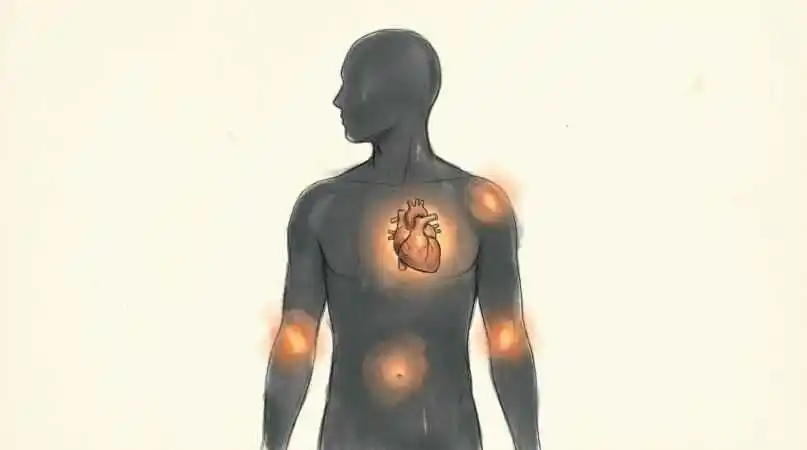
The Firefighter Who Never Left
Picture a firefighter arriving at a burning house. They put out the fire, check for embers, make sure everyone’s safe — and then leave. That’s inflammation working the way it’s supposed to: a fast, protective response that shows up when needed and clears out once the danger has passed. Now picture that same firefighter never leaving. Weeks after the fire is out, they’re still in your living room, still running equipment, still treating your house like an active emergency. That lingering presence, doing more harm than good, is a close analogy for what doctors call chronic inflammation, a comparison used by nutrition experts at MD Anderson Cancer Center to explain why a normally protective process can quietly become a long-term health threat.
Chronic inflammation rarely announces itself the way a sprained ankle or a paper cut does. There’s no dramatic swelling, no unmistakable pain pointing to the problem. Instead, it operates in the background for months or years, gradually straining organs and tissues throughout the body. This piece breaks down what chronic inflammation actually is, why it’s so easy to miss, what it does to different systems in the body over time, and what current research says about managing it. It’s written for general understanding and isn’t a substitute for individualized medical advice.
Inflammation : When a Good System Goes Long-Term
Inflammation itself isn’t the villain in this story — it’s one of the body’s most essential defense mechanisms, according to Harvard Health, a built-in army of infection-fighting cells and proteins that identify threats, neutralize them, and repair resulting damage. The redness, heat, swelling, and pain that show up after an injury or infection are visible evidence of this process working exactly as intended.
Chronic inflammation is a different story. It occurs when this inflammatory response doesn’t fully subside and instead stays active over the long term, according to specialists writing for Leading Medicine Guide. This can happen when the body is working to rid itself of a persistent irritant, an unresolved infection, or a chemical toxin, or when inflammatory pathways simply stay switched on longer than they should, or reactivate repeatedly without enough recovery time in between, as Northwell Health describes it.
Why It’s So Easy to Miss
Acute inflammation is loud. Chronic inflammation is quiet. This is precisely what makes it dangerous — physical signs, when they do appear, tend to be subtle and develop gradually rather than announcing themselves clearly, according to guidance from MD Anderson Cancer Center. Someone living with chronic inflammation might notice fatigue, general body aches, mood changes, digestive discomfort, unexplained weight changes, or getting sick more often than usual — a loose cluster of symptoms easy to attribute to stress, poor sleep, or simply getting older, rather than to an underlying inflammatory process.
Many people don’t experience clearly noticeable symptoms at all in the earlier stages, according to health researchers at Healthline, which means chronic inflammation can progress for years, quietly influencing disease risk, before it’s ever identified or connected to a specific diagnosis.
If you’ve been dealing with a persistent cluster of symptoms like ongoing fatigue, body pain, digestive issues, or frequent infections without a clear explanation, it’s worth bringing this up with a healthcare provider. Blood tests that measure certain inflammatory markers can help identify whether inflammation is present, even though they typically can’t pinpoint the specific underlying cause on their own.
What Chronic Inflammation Actually Does to the Body
The heart and blood vessels
When irritants like tobacco smoke or chronically high blood pressure injure the lining of a coronary artery, the resulting inflammatory response is meant to heal that damage. But according to Mayo Clinic Press, this inflammation can continue well past the point of actual healing, damaging the arterial lining further and contributing to atherosclerosis, the buildup of plaque inside blood vessels. This same inflammatory activity also influences blood clot formation, and together these processes meaningfully raise the risk of heart attacks and certain types of stroke.
Blood sugar and metabolism
Chronic inflammation and metabolic health are closely intertwined. Excess body fat, particularly around the abdomen, produces inflammatory molecules called cytokines, and research has found elevated levels of these cytokines in the fat tissue of people with type 2 diabetes, according to Mayo Clinic Press. Having too many of these molecules, or the wrong balance of them, can overwhelm the body’s regulation of inflammation — and chronic inflammation, in turn, can contribute to further weight gain, creating a self-reinforcing cycle between excess body fat, inflammation, and blood sugar problems.
The brain and mood
Because immune signals circulate throughout the bloodstream, their effects aren’t confined to a single organ. According to Northwell Health, this ongoing immune activity can influence mood and energy levels over time, and chronic inflammation has also been associated with an increased risk of Alzheimer’s disease and other neurodegenerative conditions, according to MD Anderson Cancer Center, though researchers continue actively studying exactly how directly inflammation drives these conditions versus reflecting other underlying disease processes.
The gut and digestive system
Chronic inflammation has also been linked to imbalances in the gut microbiome, the vast community of microorganisms that support digestive and overall health, according to Mayo Clinic Press. In conditions like inflammatory bowel disease, chronic intestinal inflammation is itself a central feature, and it’s also been connected to increased risk of certain digestive cancers, including colorectal cancer.
Cancer risk
Perhaps one of the more sobering connections researchers have identified is between long-term, low-level inflammation and the initiation, progression, and spread of several cancer types, including colorectal, lung, stomach, esophageal, breast, and liver cancers, according to MD Anderson Cancer Center. In some cases, the pathway is fairly direct — for example, viral hepatitis causes liver inflammation and damage that can eventually lead to liver cancer.
The skin
Chronic inflammation is thought to contribute to what researchers call “inflamm-aging,” a process where ongoing low-grade inflammation, paired with oxidative stress, is believed to accelerate aging-related changes throughout the body, including in the skin, according to research published in a review on skin and inflamm-aging. Since skin serves as a critical barrier against environmental threats and helps retain moisture, disruption of that barrier function through chronic inflammatory skin conditions like psoriasis or atopic dermatitis can have effects that ripple outward to affect broader health.
Joints and physical comfort
Beyond formally diagnosed autoimmune joint conditions, ongoing low-level inflammation can contribute to general joint discomfort and reduced mobility over time, particularly when compounded by other risk factors like excess body weight or a sedentary lifestyle.
What Drives Chronic Inflammation in the First Place
There isn’t a single cause behind chronic inflammation — it tends to result from a mix of contributing factors, some medical and some related to daily habits:
Autoimmune conditions. Diseases like rheumatoid arthritis, lupus, psoriasis, inflammatory bowel disease, and multiple sclerosis involve the immune system mistakenly targeting the body’s own healthy tissue, producing chronic inflammation as a core feature of the disease itself.
Ongoing exposure to irritants. Persistent exposure to substances like tobacco smoke keeps inflammatory pathways activated well beyond any single healing episode.
Untreated infections. Some infections, including viral hepatitis, can drive long-term inflammatory damage if they aren’t identified and treated.
Excess body weight. Fat tissue, especially visceral fat, actively produces inflammatory cytokines, linking obesity directly to elevated systemic inflammation.
Poor sleep and chronic stress. Long-term metabolic strain tied to inadequate sleep and prolonged stress is recognized as a contributing factor to inflammatory pathways staying active longer than necessary.
Diet quality. Research associates pro-inflammatory eating patterns, heavy in red and processed meats and refined carbohydrates, with a higher risk of the chronic diseases inflammation contributes to.
Physical inactivity. A sedentary lifestyle is frequently cited alongside poor diet and excess weight as part of the broader lifestyle pattern associated with elevated chronic inflammation.
What Can Actually Be Done About It
The encouraging part of this picture is that chronic inflammation is, for many people, meaningfully influenced by factors within their control. Management approaches generally fall into a few categories:
Dietary changes. Shifting toward a diet richer in vegetables, fruits, whole grains, healthy fats, and fatty fish, while reducing processed meats and refined sugar, is consistently recommended by health institutions as a foundational step.
Regular physical activity. Exercise is commonly recommended as part of a broader inflammation-management plan, working alongside weight management and stress reduction rather than as a standalone fix.
Weight management. Given the direct link between excess body fat and inflammatory cytokine production, sustainable weight management can help interrupt the cycle between inflammation, weight gain, and blood sugar issues.
Stress reduction and better sleep. Addressing chronic stress and prioritizing consistent, quality sleep are frequently recommended as complementary strategies alongside diet and exercise.
Medical treatment when appropriate. In some cases, healthcare providers may recommend medications such as NSAIDs or steroids, particularly when an underlying autoimmune condition or specific medical cause is identified, always in combination with lifestyle approaches rather than as a replacement for them.
It’s worth being honest about the limits of current understanding here too: researchers openly acknowledge that the underlying biology of exactly why some inflammation fails to resolve and becomes chronic isn’t yet fully understood, which is part of why active research, including recent, significant federally funded projects, continues investigating this question in more depth.
The Bigger Picture
Chronic inflammation doesn’t announce itself with a single dramatic symptom the way a broken bone or a bad flu does. It works more like a slow leak than a burst pipe — small, cumulative, easy to overlook, until years of quiet strain on the heart, metabolism, brain, gut, and skin add up into a much bigger problem. That’s exactly why understanding it matters: not to create anxiety over every ache or tired afternoon, but to recognize that persistent, unexplained symptoms are worth paying attention to rather than dismissing.
The same everyday habits that tend to show up on every health checklist — eating well, moving regularly, managing stress, sleeping enough, avoiding tobacco — happen to be exactly the levers with the strongest evidence behind them for keeping this quiet, long-term process in check. It isn’t a dramatic fix, but it’s a real one, grounded in a growing body of research working to understand a process that, even now, medicine doesn’t fully have all the answers about.
Frequently Asked Questions
What is chronic inflammation, in simple terms?
It’s when the body’s immune response stays partially active for months or years instead of resolving after healing an injury or infection, leaving tissues and organs exposed to ongoing, low-level immune activity that can gradually cause harm.
How is chronic inflammation different from acute inflammation?
Acute inflammation is short-term and protective, producing clear signs like redness, heat, swelling, and pain that resolve as an injury or infection heals. Chronic inflammation is longer-lasting, often subtle, and can persist even without an obvious ongoing injury.
What causes chronic inflammation to develop?
Common contributors include autoimmune conditions, untreated infections, obesity, smoking and other irritant exposure, poor sleep, chronic stress, and long-term metabolic strain, though researchers note the underlying biology of why inflammation becomes chronic isn’t yet fully understood.
Can chronic inflammation happen without any obvious cause?
Yes, it can develop gradually from cumulative lifestyle factors or low-grade metabolic stress rather than a single identifiable trigger, which is part of why it often goes unnoticed for a long time.
What are common symptoms of chronic inflammation?
Reported symptoms can include fatigue, body pain, mood changes, digestive issues, weight changes, and frequent infections, though many people don’t experience clearly noticeable symptoms in the earlier stages.
Why is chronic inflammation often called “silent”?
Unlike acute inflammation’s obvious redness and swelling, chronic inflammation frequently doesn’t cause pain or visible symptoms localized to one area, allowing it to progress for years before it’s identified or connected to a specific health concern.
Can blood tests detect chronic inflammation?
Yes, certain blood markers, such as C-reactive protein, can indicate the presence of inflammation in the body, though these tests generally can’t identify the specific underlying cause on their own.
How does chronic inflammation affect the heart and blood vessels?
Ongoing inflammation contributes to the process of atherosclerosis, where plaque builds up inside artery walls, and it also influences blood clot formation, both of which increase the risk of heart attack and certain types of stroke.
Does chronic inflammation play a role in type 2 diabetes?
Yes, research links chronic inflammation to insulin resistance, and it frequently overlaps with obesity and fatty liver disease, creating a cycle where excess body fat, inflammation, and blood sugar issues can reinforce one another.
Is there a connection between chronic inflammation and cancer?
Research shows long-term, low-level inflammation can contribute to the initiation, progression, and spread of certain cancers, including colorectal, lung, stomach, esophageal, breast, and liver cancers, particularly when it’s tied to conditions like chronic intestinal inflammation or viral hepatitis.
Can chronic inflammation affect brain health?
Yes, chronic inflammation has been associated with an increased risk of Alzheimer’s disease and other neurodegenerative disorders, though researchers continue to study exactly how much of a direct causal role it plays versus reflecting other underlying processes.
Does chronic inflammation affect mood and mental health?
Some research connects elevated inflammatory activity with mood changes and reduced energy, since immune signals travel through the bloodstream and can influence brain function, though this relationship is still an active area of study.
How does chronic inflammation relate to autoimmune diseases?
In autoimmune conditions like rheumatoid arthritis, lupus, psoriasis, inflammatory bowel disease, and multiple sclerosis, the immune system mistakenly targets healthy tissue, producing an inappropriate and ongoing chronic inflammatory response as a core feature of the disease itself.
Can chronic inflammation damage joints even without arthritis?
Persistent low-level inflammation can contribute to joint discomfort and reduced function over time, separate from a formal arthritis diagnosis, particularly when combined with other risk factors like excess weight or inactivity.
Does chronic inflammation affect the gut?
Yes, it’s been linked to imbalances in the gut microbiome, the collection of microorganisms that support digestive and overall health, and it plays a central role in conditions like inflammatory bowel disease.
Can poor sleep contribute to chronic inflammation?
Yes, long-term metabolic stress tied to poor sleep is recognized as one of several contributing factors that can keep inflammatory pathways active longer than needed.
Does stress really contribute to chronic inflammation?
Chronic stress is widely recognized as a contributing factor, since prolonged stress hormone activity can influence immune function and keep the body in a heightened state of alert over time.
Can diet influence chronic inflammation?
Yes, research associates pro-inflammatory diets with a higher risk of chronic diseases linked to inflammation, such as heart disease and diabetes, with red and processed meats and refined carbohydrates commonly cited as inflammation-promoting foods.
What does an anti-inflammatory diet generally include?
Anti-inflammatory eating patterns typically emphasize vegetables, fruits, whole grains, healthy fats like olive oil, and fatty fish, while limiting processed meats, refined sugar, and heavily processed foods.
Does smoking contribute to chronic inflammation?
Yes, ongoing exposure to irritants like tobacco smoke is a well-recognized driver of chronic inflammatory processes, including its role in damaging coronary arteries and contributing to cardiovascular disease.
Does excess body weight cause chronic inflammation?
Excess body fat, particularly visceral fat, produces inflammatory molecules called cytokines, and having elevated levels of these can overwhelm the body’s regulation of inflammation, contributing to a cycle involving weight gain and blood sugar issues.
Can exercise help reduce chronic inflammation?
Regular physical activity is commonly recommended as part of managing chronic inflammation, alongside weight management and stress reduction, since it supports several of the underlying metabolic and cardiovascular factors involved.
Are there medications used to treat chronic inflammation?
Yes, options can include nonsteroidal anti-inflammatory drugs (NSAIDs) or steroids, typically used alongside diet and lifestyle changes, with the appropriate treatment depending heavily on the specific underlying cause.
Can chronic inflammation be reversed?
In many cases, addressing the underlying contributing factors — improving diet, increasing physical activity, managing weight, reducing stress, and treating any underlying conditions — can meaningfully reduce inflammatory activity over time, though outcomes vary by individual and cause.
How long does it take to see improvement from lifestyle changes?
This varies considerably by individual and the underlying cause, but many people report gradual improvement in symptoms and inflammatory markers over weeks to months of consistent lifestyle changes, rather than an immediate shift.
Does chronic inflammation affect the skin?
Yes, chronic inflammation is thought to contribute to a process researchers call “inflamm-aging,” which can affect the skin’s ability to maintain its protective barrier function, and is also central to inflammatory skin conditions like psoriasis and atopic dermatitis.
Is chronic inflammation linked to aging in general?
Many researchers believe chronic, low-grade inflammation plays a role in the aging process more broadly, sometimes described as inflamm-aging, though the exact underlying mechanisms remain an active area of ongoing research.
Do doctors fully understand what causes inflammation to become chronic?
Not entirely — researchers openly acknowledge that the biological processes behind why inflammation sometimes fails to resolve and becomes chronic instead aren’t yet fully understood, which is why this remains an active area of scientific research.
Should everyone get tested for chronic inflammation?
This is a decision best made with a healthcare provider based on individual risk factors, symptoms, and medical history, since inflammation testing is most useful in the context of a broader clinical evaluation rather than as a routine standalone check.
When should someone see a doctor about possible chronic inflammation?
It’s worth seeing a healthcare provider if you’re experiencing persistent, unexplained symptoms like fatigue, body pain, digestive issues, or frequent infections, especially if they continue for weeks or months without a clear cause.
⚕️Medical Disclaimer:
The information provided on this website is for general educational and informational purposes only and is not intended as a substitute for professional medical advice, diagnosis, or treatment. Always seek the advice of your physician or other qualified health provider with any questions you may have regarding a medical condition. Never disregard professional medical advice or delay in seeking it because of something you have read on this website.

