

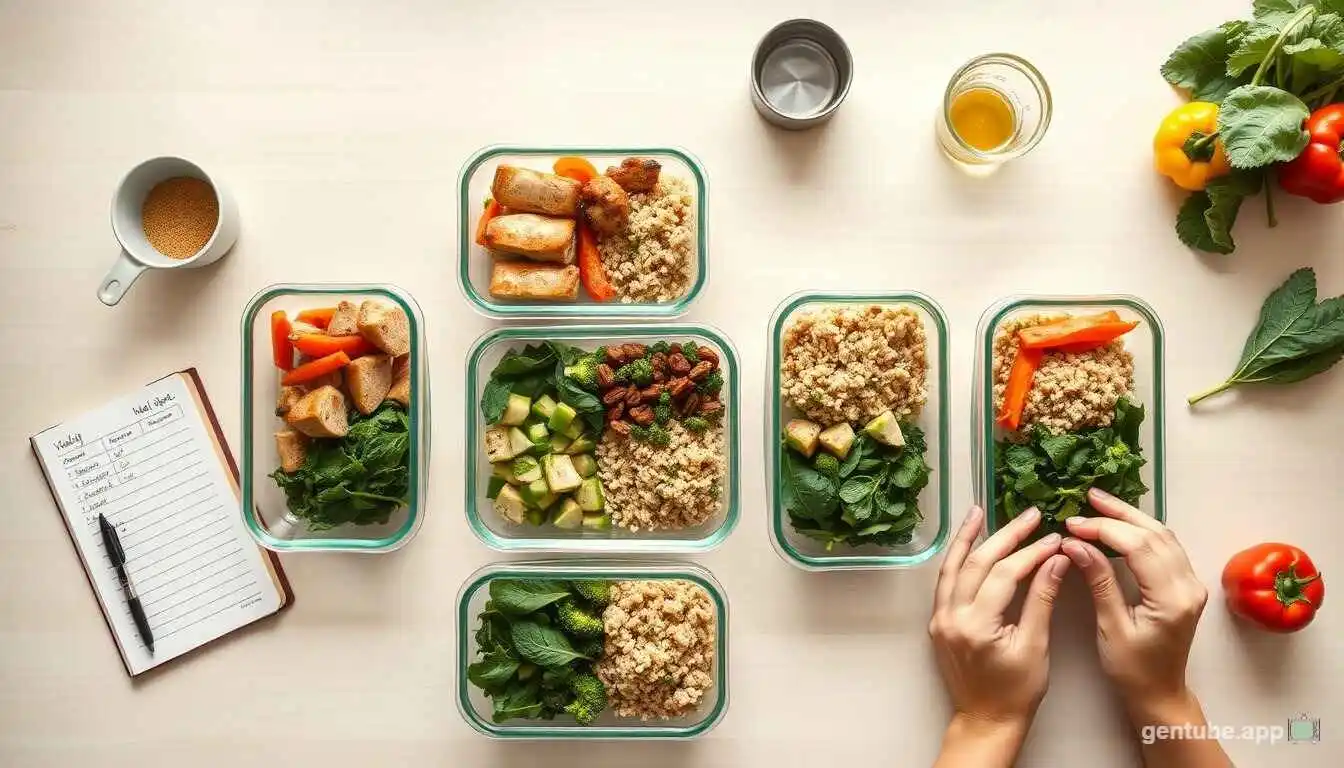
Consistency is what ultimately determines whether meal prepping becomes a lasting habit or a short-lived experiment. Building a simple, repeatable weekly rhythm removes much of the decision fatigue that can otherwise make the process feel like a burden.
Many experienced meal preppers follow a loose but consistent weekly rhythm: choosing recipes a day or two before shopping, doing a single focused grocery run, then dedicating one longer session to cooking, portioning, and cleanup. Over time, this rhythm becomes almost automatic, requiring far less mental energy than it did during the first few attempts.
It also helps to keep a running list of tried-and-true recipes that consistently work well for prepping, since relying on a small rotating pool of trusted meals, rather than searching for something new every single week, is one of the simplest ways to keep the habit sustainable long after the initial motivation fades.
Final Thoughts: Small Weekly Effort, Big Weekly Payoff
Meal prepping isn’t about achieving a perfectly Instagram-worthy refrigerator or following an ultra-strict system. At its core, it’s simply a smarter, more intentional way of feeding yourself, one that trades a small amount of planning and cooking time upfront for a much smoother, less stressful, and more affordable week ahead.
Whether you’re a busy professional trying to reclaim your evenings, a student working with a tight budget, or simply someone tired of the nightly “what’s for dinner” scramble, meal prepping offers a practical, flexible solution that can be tailored entirely to your own pace, preferences, and lifestyle. Start small, stay consistent, and you’ll likely find that those few hours spent prepping on a weekend quietly become one of the most valuable habits in your entire week.
FAQS
1.What exactly is meal prepping?
Meal prepping is the practice of preparing some or all of your meals in advance, typically for several days or a full week at a time, so that eating well requires little to no additional cooking during busy days.
2.Is meal prepping actually cheaper than buying food day to day?
Yes, in most cases. Buying ingredients in bulk, planning meals around sales, and reducing impulse takeout orders typically leads to noticeably lower grocery spending compared to eating out or shopping without a plan.
3.How much time does meal prepping actually save during the week?
Most people who meal prep report saving anywhere from three to seven hours per week that would otherwise go toward daily cooking, cleaning, and decision-making about what to eat.
4.Do I need special containers to start meal prepping?
No special containers are strictly required, though investing in a set of stackable, microwave-safe, leak-proof containers makes storage, transport, and reheating significantly more convenient.
5.How long does meal-prepped food actually last in the refrigerator?
Most properly stored, cooked meals stay fresh in the refrigerator for three to five days. Some ingredients, like raw chopped vegetables or cooked grains, can last slightly longer if stored correctly.
6.Can I freeze meal-prepped food instead of refrigerating it?
Yes, many meal-prepped dishes freeze well, particularly soups, stews, casseroles, and cooked grains, allowing you to extend their shelf life to one to three months when stored in airtight, freezer-safe containers.
7.What is the difference between batch cooking and meal prepping?
Batch cooking refers to making a large quantity of one particular dish at once, while meal prepping is a broader term that can include batch cooking, portioning ingredients, or assembling several different complete meals in advance.
8.How do I decide how many meals to prep at once?
A good starting point for beginners is prepping enough for three to four days rather than a full week, which helps you gauge portion sizes, flavor preferences, and storage timing before committing to larger batches.
9.What foods are best suited for meal prepping?
Foods that hold up well over several days without losing texture or flavor are ideal, including grains like rice and quinoa, roasted vegetables, baked proteins, beans, and hearty sauces or soups.
10.What foods should I avoid meal prepping in advance?
Foods that become soggy, wilted, or lose texture quickly, such as leafy salad greens, crispy fried items, and delicate fresh herbs, are generally best added fresh right before eating rather than prepped days ahead.
11.How can beginners avoid feeling overwhelmed when starting meal prep?
Starting small is key. Rather than attempting to prep every single meal for the week right away, beginners often find more success starting with just lunches or dinners for a few days before expanding their routine.
12.Do I need to cook every meal from scratch to meal prep effectively?
Not at all. Meal prepping can also include semi-prepared components, such as pre-washed and chopped vegetables, cooked grains, or marinated proteins, that you combine into a finished dish quickly later in the week.
13.How much money can meal prepping realistically save per month?
While exact savings vary based on individual habits, many people who switch from frequent takeout to consistent meal prepping report saving anywhere from 100 to 400 dollars or more per month.
14.What is the best way to organize a meal-prepping schedule?
Most successful meal preppers set aside one or two dedicated blocks of time per week, often on a weekend day, specifically for grocery shopping, cooking, and portioning meals for the days ahead.
15.How do I keep meal-prepped meals from tasting the same every day?
Preparing a few versatile base components, such as a grain, a protein, and a vegetable, and pairing them with different sauces, spices, or seasoning blends throughout the week helps keep meals feeling varied.
16.Is meal prepping suitable for people with dietary restrictions?
Yes, meal prepping is especially helpful for people managing specific dietary needs, such as gluten-free, low-carb, vegetarian, or allergen-restricted diets, since it removes the daily guesswork of finding compliant options on the go.
17.What kitchen equipment is genuinely useful for meal prepping?
Helpful tools include a good chef’s knife, a large cutting board, sheet pans for roasting, a large pot or Dutch oven, and a rice cooker or slow cooker, all of which can significantly speed up the prepping process.
18.How do I keep meal-prepped meals safe to eat throughout the week?
Cooling cooked food to room temperature before refrigerating, using airtight containers, and refrigerating meals within two hours of cooking are key practices that help keep prepped meals safe throughout the week.
19.Can meal prepping help with weight management goals?
Many people find that meal prepping supports weight management goals by making portion control easier and reducing reliance on convenience foods or restaurant meals, which often contain more calories than home-cooked options.
20.Is meal prepping only for people who cook every meal at home?
No, meal prepping can be adapted for nearly any lifestyle, including partial approaches where only lunches, snacks, or a few dinners are prepped in advance while other meals remain flexible.
21.How do I meal prep on a very tight budget?
Focusing on affordable staples like rice, beans, seasonal vegetables, eggs, and value cuts of meat, while buying in bulk and minimizing food waste, are some of the most effective ways to meal prep affordably.
22.What is the best way to reheat meal-prepped food without ruining the texture?
Reheating gently, using a microwave with a damp paper towel over the dish or warming food slowly in a covered pan on the stovetop, generally preserves texture and moisture better than high-heat, uncovered reheating.
23.Can meal prepping work for families, not just individuals?
Yes, families often benefit significantly from meal prepping by cooking larger batches of family-friendly meals in advance, which reduces the daily stress and time pressure of preparing dinner from scratch every single night.
24.How far in advance should groceries be purchased for meal prepping?
Most people find it easiest to buy groceries once, shortly before their designated prep day, ensuring ingredients are as fresh as possible before being cooked or portioned for the week ahead.
25.What are some easy starter recipes for beginner meal preppers?
Simple starter recipes often include sheet-pan roasted chicken and vegetables, grain bowls with beans and a simple dressing, overnight oats, and hearty soups or chili, all of which are forgiving and easy to customize.
26.How can I prevent meal prep boredom or burnout?
Rotating between a small set of go-to recipes, trying one new recipe every couple of weeks, and varying spices, sauces, or cuisines can help keep meal prepping enjoyable rather than repetitive.
27.Is it better to prep whole meals or just individual ingredients?
Both approaches work well, and the right choice depends on personal preference. Prepping whole meals offers convenience and speed, while prepping individual components offers more flexibility to mix and match throughout the week.
28.Does meal prepping actually reduce food waste?
Yes, meal prepping typically reduces food waste significantly because it encourages intentional grocery shopping based on a specific plan, rather than impulsive purchases that often go unused and eventually spoil.
29.How do I label and organize meal-prepped containers properly?
Labeling containers with the preparation date and contents, and organizing the refrigerator so older meals are placed toward the front, helps ensure meals are eaten within a safe and fresh timeframe.
30.Can meal prepping help save money on snacks as well as full meals?
Absolutely. Portioning homemade snacks like cut vegetables, trail mix, or energy balls into grab-and-go containers is often significantly cheaper than purchasing individually packaged snacks and can reduce reliance on vending machines or convenience stores.
Medical Disclaimer: The information provided on this website is for general educational and informational purposes only and is not intended as a substitute for professional medical advice, diagnosis, or treatment. Always seek the advice of your physician or other qualified health provider with any questions you may have regarding a medical condition. Never disregard professional medical advice or delay in seeking it because of something you have read on this website.

