

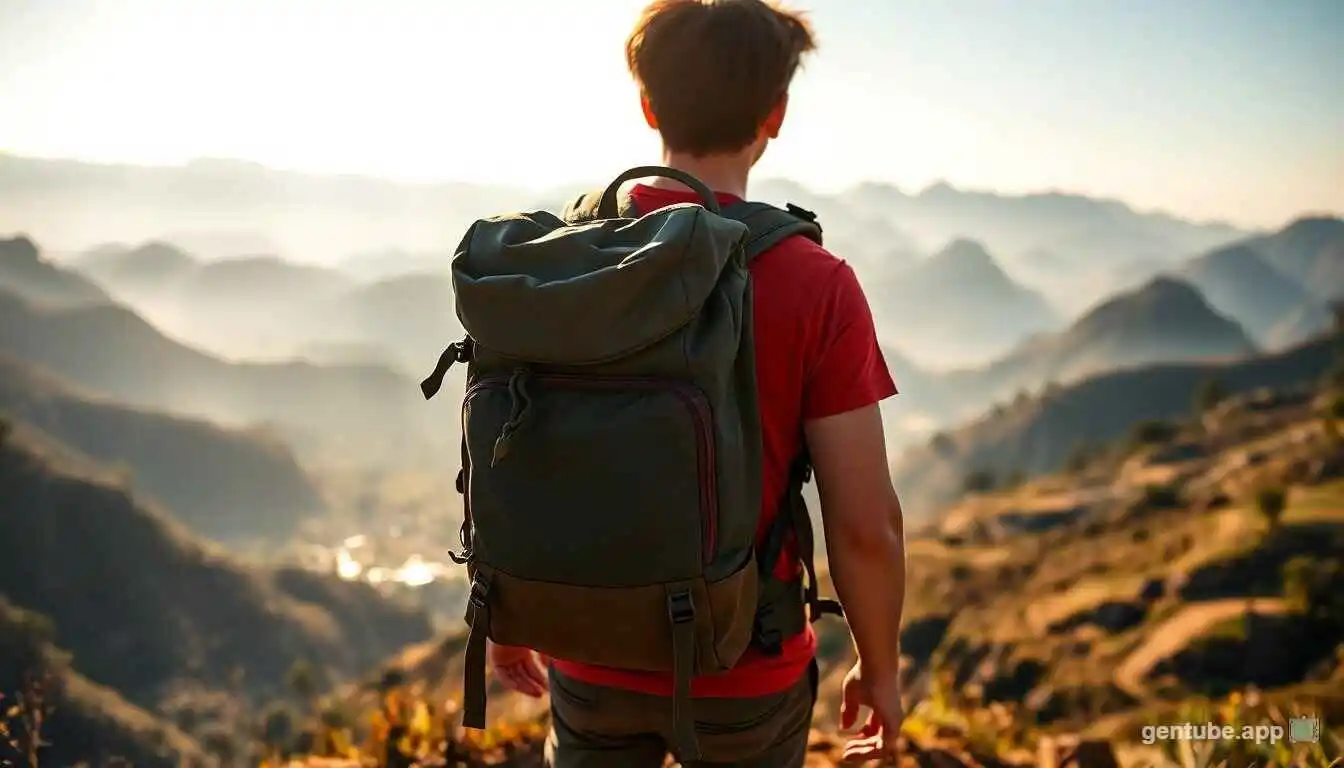
Backpacking on a Budget: The Complete First-Timer’s Guide to Seeing the World Without Breaking the Bank
Introduction
You don’t need a trust fund, a six-figure salary, or three months of unused vacation days to become a backpacker. You need a plan, a little patience, and the willingness to trade a bit of comfort for a lot of freedom. Every year, millions of first-timers convince themselves that budget travel is reserved for gap-year students or trust-fund kids drifting through Southeast Asia. That’s simply not true. Budget backpacking is a skill, not a privilege, and like any skill, it can be learned.
This guide is built for the absolute beginner: the person staring at flight prices with a mixture of excitement and dread, wondering if a hostel dorm is actually survivable, or how anyone eats on fifteen dollars a day. By the end of this guide, you’ll understand exactly how to plan a trip, where the hidden costs are lurking, how to book flights and accommodation for a fraction of the going rate, and how to keep yourself safe, healthy, and sane while doing it.
Backpacking on a budget isn’t about suffering through your trip to save a few dollars. It’s about being intentional with your money so it stretches further, lasts longer, and gets spent on the experiences that actually matter — not on things you didn’t even want in the first place. Let’s get into it.
Why Budget Backpacking Is Worth It
There’s a persistent myth that budget travel means a lesser experience. In reality, the opposite is often true. When you strip away five-star resorts and curated tour packages, you’re left with something rawer and more memorable: sharing a rooftop meal with strangers who become friends, navigating a foreign city on foot because you can’t afford a taxi, or waking up in a hostel bunk to the sound of a language you don’t understand. These are the moments people actually remember, not the thread count of hotel sheets.
Budget backpacking also teaches transferable life skills — resourcefulness, adaptability, financial discipline, and comfort with uncertainty. You learn to read a transit map in a language you don’t speak, negotiate a fair price at a market, and make decisions on the fly when your original plan falls apart. These are muscles that get stronger the more you travel, and they make every future trip easier and cheaper.
Finally, and most practically, budget backpacking simply lets you travel more. If a two-week trip costs half as much, you can either travel twice as often or stay twice as long. For most first-timers, that math alone is the entire argument.
Setting a Realistic Budget Before You Book Anything
The single biggest mistake first-time backpackers make is booking a flight before they’ve worked out what the rest of the trip will cost. Flights are just one line item. Before you buy anything, sit down and estimate five categories: transportation (flights plus local transit), accommodation, food, activities, and a buffer for emergencies or splurges.
A useful starting point is to research a ‘daily budget’ for your destination. Backpacker-focused countries in Southeast Asia, Central America, and parts of Eastern Europe can realistically be done on $25–$40 a day including a hostel bed, three meals, and local transport. Western Europe, Japan, Australia, and North America are considerably more expensive, often running $60–$100 a day even when you’re being frugal. Multiply your daily estimate by the number of days you plan to travel, then add flights and a 15% contingency buffer on top — something will always cost more than you expect.
Before your trip even starts, look for ways to build up your travel fund rather than dipping into savings you can’t easily replace. Automating a small weekly transfer into a dedicated ‘travel’ account months in advance turns a scary lump sum into a manageable habit. Selling unused belongings, picking up freelance work, or simply cutting a few recurring subscriptions for a few months can fund a surprising chunk of a trip.
Once you have a number, treat it like a game rather than a restriction. Track every expense in a simple spreadsheet or a free budgeting app. Backpackers who track spending daily consistently report feeling less stressed about money on the road, because small overspends get caught early instead of compounding into a crisis in week three.
Choosing the Right Destination for Your First Trip
Not all destinations are created equal when it comes to budget travel. Some countries have an entire infrastructure built around backpackers — cheap hostels, affordable street food, reliable budget buses — while others will drain your wallet no matter how careful you are. For a first trip, it’s worth deliberately choosing a destination where the cost of living rewards frugality rather than fighting it.
Southeast Asia (Thailand, Vietnam, Cambodia, Laos, Indonesia) remains the classic first-timer’s route for good reason: extremely low daily costs, an established backpacker trail with hostels every few blocks, and a huge amount of English signage and spoken English in tourist areas. Central America (Guatemala, Nicaragua, Honduras) offers a similar value proposition with the added bonus of a shorter flight for travelers based in North America. Eastern Europe (Poland, Hungary, Romania, Bulgaria) gives you stunning old-world cities at a fraction of Western European prices, with excellent train networks connecting everything.
If your heart is set on a pricier destination like Japan, Western Europe, or Australia, it’s still entirely possible on a budget — you’ll just need to be more deliberate about accommodation, transport passes, and free activities, and your daily budget will need to be noticeably higher. Whatever you choose, avoid the trap of trying to see ‘everything’ in one trip. Slower travel through fewer places is almost always cheaper than a whirlwind tour, because you save on the intercity transport, and you naturally start finding the cheaper local spots instead of relying on expensive tourist-zone options.
Booking Flights Without Overpaying
Flights are usually the single biggest expense of a backpacking trip, and they’re also the area where a little research saves the most money. Start by being flexible: if your dates and destination aren’t fixed, use flexible-date search tools that show a full month or even a full year of prices at a glance, and let the cheapest window guide your trip rather than the other way around.
Booking around six to eight weeks in advance for international flights tends to hit the sweet spot between availability and price for most routes, though this varies by region and season. Flying into a major regional hub rather than a smaller city, then taking a cheap budget airline or bus onward, is often dramatically cheaper than booking a direct flight to your final destination. Tuesday and Wednesday departures are frequently cheaper than weekend flights, and flying at unsociable hours (very early morning or late at night) can knock a meaningful chunk off the price.
Sign up for fare alert tools so you’re notified when prices drop on your route, and always search in an incognito browser window — while the effect of browser tracking on prices is debated, it costs nothing to be cautious. Budget airlines can offer eye-catching base fares, but read the baggage policy closely; a ‘cheap’ flight can end up more expensive than a full-service airline once you add checked-bag fees, seat selection, and priority boarding. Traveling with just a backpack that fits budget airlines’ free carry-on allowance is one of the most effective ways to keep this cost at zero.
Finally, consider open-jaw or multi-city tickets — flying into one city and out of another — if your route allows it. This avoids expensive backtracking and often costs about the same as a standard round trip.
Budget Accommodation: Where to Actually Sleep
Accommodation is where most first-timers either save the most money or accidentally overspend the most, depending on how much research they do. Hostels remain the backbone of budget travel — modern hostels have moved far beyond the stereotype of grim dorm rooms, with many now offering private rooms, good wifi, communal kitchens, and organized social events, all while remaining dramatically cheaper than hotels.
When booking a hostel, read recent reviews rather than the overall star rating, since a rating can be years old. Look specifically for comments about noise, cleanliness, and security (lockers are essential). Booking platforms that show verified guest reviews and let you filter by amenities like free breakfast or a kitchen are worth the extra few minutes of comparison shopping.
Beyond hostels, several other options can push your accommodation cost close to zero. Home-exchange and hospitality-exchange communities connect travelers with locals willing to host guests for free in exchange for cultural exchange or occasional help around the house. Work exchanges — trading a few hours of daily work (at a hostel, farm, or guesthouse) for free lodging and often meals — are widely used by long-term budget travelers and are a great way to stay somewhere longer without draining your funds. Camping is an excellent option in destinations with well-developed outdoor infrastructure, cutting accommodation costs to nearly nothing if you already own or can rent basic gear.
Whatever mix you choose, try to book your first night or two in advance so you’re not searching for a place to sleep while jet-lagged and disoriented, but leave the rest of your itinerary flexible enough to extend your stay somewhere you love or move on quickly from somewhere you don’t.
Packing Smart: The Gear That Actually Matters
Overpacking is one of the most common and most expensive mistakes first-time backpackers make — expensive in checked-bag fees, expensive in the physical toll of carrying a heavy pack for hours, and expensive in the panic-buying that happens when you realize you brought the wrong things. The golden rule is simple: lay out everything you think you need, then remove about a third of it.
A good general-purpose backpack in the 40–50 liter range is enough for most trips of a few weeks to a few months, and critically, it fits as a carry-on on most airlines, saving you checked-bag fees on every single flight. Beyond the pack itself, focus on versatility: clothing that layers well and can be worn multiple times between washes, quick-dry fabrics over cotton, and a maximum of two pairs of shoes (one comfortable walking shoe, one lightweight sandal).
A short list of genuinely useful gear includes: a universal power adapter, a portable charger, a lightweight padlock for hostel lockers, a quick-dry travel towel, a reusable water bottle (ideally with a built-in filter in destinations where tap water isn’t safe), a basic first-aid kit, and a dry bag for electronics if you’ll be near water. Resist the urge to buy specialized ‘travel gadgets’ you see advertised — most are solutions to problems you won’t actually have.
Doing laundry on the road (either at a hostel, a local laundromat, or in a sink) is far cheaper than packing two weeks of clothing, and it keeps your pack lighter for the entire trip. A lighter pack also means you’re less tempted to take taxis just because walking with your bag feels unbearable — a small decision that compounds into real savings over a long trip.
Eating Well Without Spending a Fortune
Food is one of the best places to save money on the road, and ironically, the cheapest food is often also the best food. Street food and local markets are consistently the most affordable and most authentic way to eat, and in most backpacker-friendly countries, a full meal from a street stall or local eatery costs a fraction of what a tourist-area restaurant charges for a worse version of the same dish.
A simple rule of thumb: walk a few blocks away from major tourist attractions before deciding where to eat. Restaurants immediately next to famous landmarks charge a premium for the view and the foot traffic, not for better food. Following the lunch crowd of local office workers, rather than the dinner crowd of tourists, is one of the most reliable ways to find both cheap and delicious food anywhere in the world.
Hostels with communal kitchens are a huge budget advantage — buying groceries at a local market and cooking even a couple of meals a day can cut your food spending dramatically compared to eating out for every meal. Splitting grocery costs with fellow travelers you meet at the hostel is common practice and a great way to make friends while saving money.
Drinking tap water where it’s safe (and using a filtered bottle where it isn’t) instead of buying bottled water repeatedly saves real money over weeks of travel, and cutting back on alcohol — often one of the most inflated costs in tourist areas — can meaningfully extend a tight budget without meaningfully reducing how much fun you have.
Getting Around: Cheap and Reliable Transportation
Local and regional transportation is another area where research pays off enormously. Long-distance buses and trains are almost always cheaper than flights for regional travel, and in many backpacker-heavy regions, overnight buses or trains double as free accommodation for the night, saving you both a travel day and a night’s hostel fee.
Regional multi-country rail or bus passes can offer real savings if you’re covering a lot of ground, but they only pay off if your itinerary genuinely uses enough of the included travel — run the math on your specific route before buying one, since a pass bought out of habit rather than need can end up costing more than booking tickets individually.
Within cities, public transit (buses, metros, trams) is almost always dramatically cheaper than taxis or rideshare apps, and multi-day transit passes often bring the per-ride cost down further. Walking and cycling are free, healthy, and often the best way to actually see a city rather than passing through it in a car. Rideshare and taxi apps should generally be reserved for late-night safety situations or genuinely inaccessible destinations, not as a default way to get around.
When taxis are unavoidable, agree on a price or confirm the meter is running before you get in, and where possible, use an app-based service with transparent, fixed pricing rather than negotiating on the street, which tends to favor whoever knows the local rates better than you do.
Managing Money on the Road
How you access and manage money while traveling has a bigger impact on your budget than most first-timers realize. Foreign transaction fees and ATM withdrawal fees can quietly eat 3–5% of every transaction if you’re using the wrong card. Before you leave, look into a debit or credit card specifically designed for travel — many offer zero foreign transaction fees and reimburse ATM fees, which adds up to real savings over a multi-week trip.
Withdraw larger amounts less frequently rather than making many small withdrawals, since many ATMs charge a flat fee regardless of the amount withdrawn. Always decline the ‘dynamic currency conversion’ option that ATMs and card machines abroad often offer — choosing to be charged in the local currency instead of your home currency almost always results in a better exchange rate.
Carry a mix of payment methods: a primary card, a backup card kept separately from your main wallet, and a small amount of local cash for markets, street food, and places that don’t accept cards. Splitting your money and cards between your daypack and your main bag means a single theft or loss doesn’t leave you stranded.
Finally, set a firm daily or weekly spending check-in for yourself. It takes two minutes to glance at your budget app each evening, and that habit alone prevents the slow, invisible overspending that turns a comfortable three-week trip into a stressful two-week trip when the money runs out early.
Staying Safe as a Budget Backpacker
Traveling on a budget doesn’t mean traveling recklessly, and safety should never be the line item you cut to save money. Research your destination’s common scams before you arrive — most backpacker-heavy destinations have a handful of well-documented tourist scams, and knowing what they look like in advance is often enough to avoid them entirely.
Keep digital and physical copies of your passport, visas, travel insurance details, and emergency contacts, stored separately from the originals. Share your rough itinerary with someone back home and check in periodically, especially if you’re traveling solo or heading somewhere remote.
Travel insurance is not optional, even on the tightest budget — a single hospital visit or emergency flight change abroad can cost more than an entire trip’s worth of insurance premiums. Budget-friendly backpacker-specific insurance plans exist precisely because this is such a common concern, and the peace of mind alone is worth the relatively small cost.
Trust your instincts about people and places. If a deal feels too good to be true, a street feels wrong at night, or a ‘helpful stranger’ is being unusually insistent, it’s always fine to walk away, even if it feels socially awkward in the moment. The vast majority of interactions on the road are genuinely kind and helpful, but a healthy dose of situational awareness costs nothing and prevents almost every serious problem before it starts.
Solo Backpacking vs. Group Travel: What’s Cheaper?
First-timers often assume traveling with a group is automatically cheaper because costs get split, but the reality is more nuanced. Group travel can meaningfully reduce costs for anything priced per unit rather than per person — a private room, a rental car, a taxi, a guided tour — since those costs divide neatly among two, three, or four people.
Solo travel, on the other hand, gives you complete control over spending decisions. There’s no group compromise pulling you into a pricier restaurant or a paid activity you weren’t that interested in. Solo travelers also tend to naturally connect with other travelers at hostels, effectively forming a temporary ‘group’ for shared taxis or split accommodation costs, without being locked into those decisions for the whole trip.
A practical middle ground that many experienced backpackers use is traveling solo but staying in social hostels, which offers the financial flexibility of solo travel with the cost-splitting opportunities and safety-in-numbers benefits of group travel, all without requiring you to compromise your itinerary with people you didn’t choose to travel with in the first place.
Common Mistakes First-Time Budget Backpackers Make
Even well-prepared first-timers tend to repeat the same handful of mistakes, and knowing them in advance is often enough to avoid them entirely. Overpacking tops the list, followed closely by underestimating how physically and mentally tiring constant movement can be — packing too many destinations into too short a trip leads to exhaustion, rushed decisions, and ironically, more spending as tired travelers default to convenient (expensive) options over cheaper ones that require more effort.
Not researching visa requirements and vaccination needs until the last minute is another common and sometimes costly mistake, since rushed visa processing or emergency vaccinations are almost always more expensive than planning ahead. Skipping travel insurance to save a small amount upfront is a frequent regret among backpackers who’ve had even a minor medical issue abroad.
Many first-timers also underestimate ‘small’ daily expenses — a bottle of water here, a snack there, a $2 souvenir — which individually feel insignificant but collectively can rival the cost of a hostel bed by the end of the week. Tracking every expense, even the tiny ones, for at least the first week of a trip is the single best way to catch this pattern before it becomes a habit.
Finally, being too rigid with an itinerary booked entirely in advance removes the flexibility that often leads to the cheapest and most memorable experiences — a recommendation from a fellow traveler, an unexpectedly affordable overnight bus to somewhere unplanned, or simply deciding to stay an extra few days somewhere you love. Building in some unbooked, flexible days is almost always worth it.
Sample Two-Week Budget Breakdown for a First-Timer
https://youtu.be/5x7XUIIXXRM
https://youtu.be/5x7XUIIXXRM
To make all of this concrete, here’s a simplified example budget for a two-week trip to a budget-friendly backpacker destination in Southeast Asia, based on commonly reported backpacker spending in the region.
- Flights (round trip, booked in advance): $500–$700
- Accommodation (hostel dorms, 14 nights at $8–$12/night): $110–$170
- Food (street food and local eateries, $8–$12/day): $110–$170
- Local transport (buses, occasional taxis): $60–$100
- Activities and entrance fees: $80–$150
- Travel insurance (2 weeks): $30–$50
- Miscellaneous/buffer (10–15% of total): $80–$130
Totaled together, a realistic two-week first-timer trip in a budget-friendly region can land somewhere between $970 and $1,470 all-in, excluding any big-ticket splurge activities like scuba diving certification or multi-day treks. The same trip in a more expensive region (Western Europe, Japan, Australia) could easily run two to three times higher, which is exactly why destination choice matters so much for a first budget trip.
Final Tips and Getting Started
The gap between wanting to backpack and actually doing it usually isn’t money — it’s a lack of a concrete first step. Start small: pick one destination, set one savings target, and give yourself one booking deadline. Momentum builds naturally once the first flight is actually purchased.
Remember that every experienced backpacker was once a nervous first-timer double-checking whether their backpack was too big, worrying about eating alone in a foreign country, or wondering if they’d packed the wrong shoes. Nearly every mistake on this list is survivable, forgettable, and often becomes the best story from the trip. The goal was never to have a perfect trip — it’s to have a real one, on a budget that doesn’t leave you anxious for months afterward.
Plan carefully, pack light, spend intentionally, and leave enough room in both your budget and your itinerary for the unplanned moments that end up mattering most. That’s really the whole secret to backpacking on a budget.
FAQS
Q1. Is backpacking on a budget actually safe for beginners?
A: Yes. Millions of first-timers backpack safely every year by researching common scams in advance, buying travel insurance, staying in well-reviewed accommodation, and using basic situational awareness. Safety comes from preparation, not from spending more money.
Q2. How much money do I need to start backpacking?
A: It depends heavily on the destination, but a two-week trip to a budget-friendly region like Southeast Asia or Central America can realistically be done for roughly $1,000–$1,500 all-in, including flights, accommodation, food, and activities.
Q3. What is the cheapest region in the world to backpack?
A: Southeast Asia (Vietnam, Cambodia, Laos, Thailand) and parts of South Asia and Central America consistently rank among the most affordable backpacker regions, often allowing a daily budget of $25–$40 including accommodation, food, and transport.
Q4. How long should my first backpacking trip be?
A: Two to three weeks is a comfortable length for a first trip — long enough to settle into a travel rhythm and get real value from flight costs, but short enough to plan and budget for confidently.
Q5. Do I need travel insurance if I’m on a tight budget?
A: Yes. Travel insurance is one expense you should never cut, since a single medical emergency abroad can cost far more than an entire trip. Budget backpacker-specific plans exist precisely to keep this cost low.
Q6. Are hostels safe?
A: Reputable hostels with good recent reviews, in-room lockers, and 24-hour reception are generally very safe. Reading recent guest reviews and checking security features before booking is the best way to vet a hostel.
Q7. Should I book everything in advance or travel spontaneously?
A: A hybrid approach works best for most first-timers: book flights and your first couple of nights of accommodation in advance, then leave the rest of the itinerary flexible so you can adjust based on recommendations and how you’re feeling.
Q8. What size backpack do I actually need?
A: A 40–50 liter backpack is sufficient for most trips of a few weeks to a few months and, importantly, usually qualifies as carry-on luggage, saving you checked-bag fees on every flight.
Q9. How do I avoid foreign transaction and ATM fees?
A: Use a debit or credit card specifically designed for travel with no foreign transaction fees, and withdraw larger amounts less frequently to avoid repeated flat ATM fees. Always decline dynamic currency conversion at ATMs and card terminals.
Q10. Is it cheaper to travel solo or with a group?
A: It depends on the expense. Costs priced per unit (private rooms, rental cars, guided tours) are cheaper split among a group, while solo travelers benefit from full control over spending decisions and often form informal cost-sharing groups at hostels.
Q11. What’s the best way to find cheap flights?
A: Use flexible date search tools, book roughly six to eight weeks ahead for international routes, consider flying into a nearby major hub, and set fare alerts so you’re notified when prices on your route drop.
Q12. How do I eat cheaply without getting sick?
A: Choose busy street food stalls and local eateries with high customer turnover, favor places popular with local office workers at lunchtime, and drink filtered or bottled water in destinations where tap water isn’t recommended.
Q13. Do I need to know the local language to backpack on a budget?
A: No. English is widely spoken in tourist and backpacker areas in most popular destinations, and learning a handful of basic phrases (hello, thank you, how much) goes a long way even where it isn’t.
Q14. What should I pack for a budget backpacking trip?
A: Focus on versatile, quick-dry clothing, one comfortable walking shoe and one lightweight sandal, a universal power adapter, a portable charger, a padlock, a reusable water bottle, and a basic first-aid kit. Avoid overpacking specialized gadgets you won’t actually use.
Q15. How do I keep my money and valuables safe while traveling?
A: Split your cash and cards between your daypack and main bag, use in-room lockers at hostels, keep digital and physical copies of important documents stored separately, and avoid displaying expensive electronics unnecessarily in public.
Q16. Can I work while backpacking to extend my budget?
A: Yes. Work exchange programs (trading a few hours of daily work for free accommodation and often meals) and remote freelance work are both widely used by long-term budget travelers to extend a trip without draining savings.
Q17. What’s the biggest budgeting mistake first-timers make?
A: Underestimating small daily expenses — snacks, bottled water, small souvenirs — which individually feel insignificant but collectively can rival the cost of a night’s accommodation by the end of a week.
Q18. Should I get a rail pass or book individual tickets?
A: It depends on your route. Multi-country rail or bus passes only pay off if your itinerary genuinely uses enough of the included travel, so it’s worth calculating the cost of individual tickets on your specific route before buying a pass.
Q19. How do I avoid tourist traps and scams?
A: Research your destination’s commonly reported scams before you arrive, walk a few blocks away from major attractions before eating or shopping, and trust your instincts if a deal or a stranger’s offer feels off.
Q20. Is couchsurfing or home-hosting safe for beginners?
A: It can be, provided you check a host’s reviews and references carefully, communicate clearly in advance, and trust your instincts once you arrive. Many first-timers prefer to build confidence with hostels first before trying hospitality-exchange stays.
Q21. What vaccinations or visas do I need before backpacking?
A: This varies significantly by destination, so check official government and health authority guidance for your specific route well in advance, since rushed last-minute visa processing or vaccinations are almost always more expensive.
Q22. How do I do laundry while backpacking?
A: Most hostels either have a washing machine on-site or a nearby affordable laundromat, and hand-washing a few items in a sink with travel-sized detergent is a common and free option for smaller loads between stops.
Q23. What’s the cheapest way to get from the airport to the city?
A: Public transit (train, metro, or airport bus) is almost always significantly cheaper than a taxi or rideshare, and many airports have clearly signed public transit connections directly to the city center.
Q24. How much should I tip while backpacking?
A: Tipping norms vary widely by country, so it’s worth a quick search on local etiquette for your specific destination before you go — in many budget backpacker destinations, tipping is far less expected than in North America.
Q25. What’s the best time of year to backpack on a budget?
A: Shoulder seasons (just before or after a destination’s peak tourist season) typically offer noticeably lower prices on flights and accommodation, while still providing reasonably good weather and fewer crowds.
Q26. How do I stay connected without expensive roaming charges?
A: A local prepaid SIM card or eSIM, purchased on arrival or online in advance, is almost always far cheaper than international roaming charges from your home carrier, and most backpacker destinations make these easy to buy.
Q27. Is it normal to feel nervous before my first backpacking trip?
A: Completely normal, and nearly universal among first-timers. Careful planning and starting with a well-established backpacker destination can significantly ease this nervousness, and most anxiety fades within the first day or two of the trip.
Q28. How do I meet other travelers while backpacking solo?
A: Social hostels with common areas, shared kitchens, and organized activities are the easiest way to meet fellow travelers, along with free walking tours and hostel-organized day trips, which naturally group solo travelers together.
Q29. What happens if I run out of money while backpacking?
A: Keeping a buffer of at least 10–15% of your total budget for emergencies, plus a backup card kept separately from your main wallet, is the best protection. It’s also worth researching how to access emergency funds from home before you leave, just in case.
Q30. Do I need to be extremely fit to go backpacking?
A: No. While some backpacking involves walking with a loaded pack, most itineraries can be adjusted to your fitness level, and packing light specifically reduces the physical demands of daily travel.
Disclaimer: The content on this blog is for informational purposes only. The author’s opinions are personal and not endorsed. Efforts are made to provide accurate information, but completeness, accuracy, or reliability are not guaranteed. The author is not liable for any loss or damage resulting from the use of this blog. It is recommended to use the information on this blog at your own discretion.

