

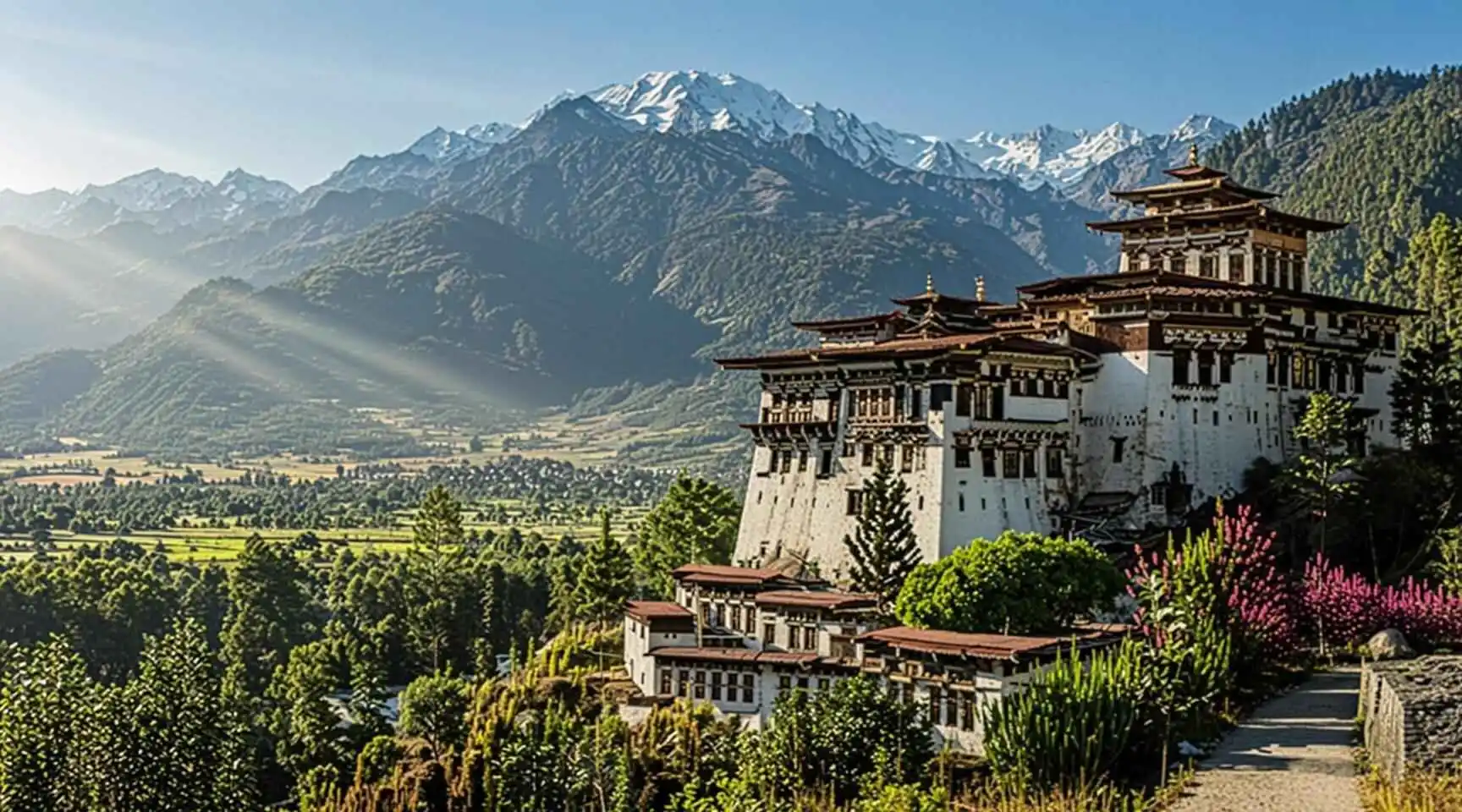
Beyond the Thunder Dragon: A Deep Dive into the Mystical Kingdom of Bhutan
Imagine a land where the measurement of a country’s success is not calculated by its Gross Domestic Product, but by its Gross National Happiness. Picture a nation hidden within the soaring, jagged peaks of the eastern Himalayas, where ancient monasteries cling to sheer cliffsides like eagle’s nests, and where the water is so pure you can drink straight from the glacial streams. Welcome to Bhutan, the last Shangri-La. For centuries, this Himalayan Kingdom remained isolated from the rest of the world, protecting its unique Bhutanese culture, pristine environment, and spiritual heritage with a fierce determination. Today, while its borders are open, the kingdom retains an aura of mystery and tranquility that is increasingly rare in our modern, frenetic world.
This comprehensive Bhutan travel guide is your key to unlocking the secrets of the Land of the Thunder Dragon. Whether you are a spiritual seeker, an avid hiker, or simply a traveler tired of the usual tourist traps, Bhutan offers an experience that is transformative. From the gravity-defying Paro Taktsang to the architectural grandeur of the Punakha Dzong, every corner of this country tells a story of devotion, nature, and balance. Join us as we journey through the clouds, exploring the philosophy of happiness, the fiery heat of Ema Datshi, and the rigorous commitment to sustainable tourism Bhutan is famous for. Prepare to have your perspective on life, travel, and happiness changed forever.
The Philosophy of Gross National Happiness
To understand Bhutan, you must first understand its heart. In 1972, the Fourth King of Bhutan, Jigme Singye Wangchuck, coined the term Gross National Happiness (GNH). He famously declared that “Gross National Happiness is more important than Gross Domestic Product.” This was not merely a catchy slogan; it became the guiding philosophy of the nation’s governance and development.
Unlike the rest of the world, where economic growth is the primary indicator of progress, Bhutan measures its prosperity through the well-being of its citizens. GNH is built upon four pillars: sustainable and equitable socio-economic development, environmental conservation, preservation and promotion of culture, and good governance. This holistic approach ensures that economic advancement does not come at the cost of the environment or the soul of the people.
When you visit, you see this philosophy in action. You see it in the protected forests that cover 72% of the country. You see it in the mandatory wearing of national dress (the Gho for men and the Kira for women) during office hours and formal occasions, which reinforces national identity. You feel it in the pace of life, which is deliberately slower and more mindful. Gross National Happiness is the invisible thread that weaves through the Bhutanese experience, reminding visitors that wealth is not just material accumulation but a state of mind and being.
Paro Taktsang: The Gravity-Defying Tiger’s Nest
No trip to Bhutan is complete without a pilgrimage to its most iconic landmark. Paro Taktsang, commonly known as the Tiger’s Nest, is the sacred site that graces every travel brochure and bucket list. Perched precariously on the edge of a cliff 900 meters above the Paro Valley, this monastery is a testament to human faith and architectural brilliance.
The legend of Tiger’s Nest is as mystical as the setting. It is believed that in the 8th century, Guru Rinpoche, the second Buddha, flew to this location on the back of a tigress (a manifestation of his consort, Yeshe Tsogyal). He meditated in a cave here for three years, three months, three weeks, three days, and three hours, subduing local demons and establishing Buddhism in the region.
The Tiger’s Nest hike is a journey in itself. It is not just a physical trek; it is a spiritual ascent. The trail winds through pine forests that are fragrant with the scent of rhododendrons and incense. As you climb higher, the monastery reveals itself slowly, peeking through the mists like a mirage. The hike takes about 4-6 hours round trip and can be challenging, but ponies are available for the first part of the ascent.
Reaching the monastery is a humbling experience. You must remove your shoes and enter the sacred courtyards where monks chant in low, rhythmic voices. The cave where Guru Rinpoche meditated is dark and atmospheric, flickering with the light of butter lamps. Looking out from the balcony, the drop is dizzying, but the view of the valley below is serene. Standing there, one understands why this place is considered the spiritual heart of Bhutan.
Thimphu: Where Tradition Meets Modernity
Thimphu, the capital city of Bhutan, is a place of delightful contradictions. It is the world’s only capital city without traffic lights—a fact that locals are proud of. Instead, policemen in white gloves stand at major intersections, directing traffic with theatrical, dance-like movements.
Thimphu is not a sprawling metropolis choked by smog. It is a small, walkable city nestled in the Wang Chuu river valley. Here, ancient traditions coexist harmoniously with modern development. You will see monks in maroon robes checking their smartphones, and archers (the national sport) wearing traditional gear while using high-tech composite bows.
A visit to the National Memorial Chorten is a must. This stupa was built in memory of the third Druk Gyalpo (King), Jigme Dorji Wangchuck. Unlike many stupas, it does not contain human remains; it is a shrine for the people. At any time of day, you will find elderly Bhutanese circumambulating the chorten, spinning prayer wheels, and chanting mantras. It is a living, breathing center of spirituality.
For those interested in Bhutanese culture, the Folk Heritage Museum provides a glimpse into the rural past. Housed in a 19th-century traditional house, it showcases the daily life of Bhutanese farmers before the advent of modernization. Just opposite is the National Institute for Zorig Chusum, where students study the thirteen traditional arts and crafts of Bhutan, from painting and sculpture to wood carving and embroidery.
No visit to Thimphu is complete without seeing the Buddha Dordenma. This massive bronze statue sits atop a hill overlooking the valley. Standing at 51 meters, it is one of the largest Buddha statues in the world. Inside, there are thousands of smaller Buddha statues, fulfilling a prophecy that a Buddha would appear to bless the valley and bring peace to the world.
Punakha Dzong: The Fortress of Great Bliss
Leaving Thimphu, the road winds east over the Dochula Pass. At 3,100 meters, the pass offers a spectacular panoramic view of the Himalayan mountain range on a clear day. The pass is adorned with 108 chortens (stupas), known as the Druk Wangyal Chortens, built to honor the Bhutanese soldiers who died in a military operation.
Descending into the warmer, sub-tropical valleys of Punakha, you arrive at the Punakha Dzong. Many consider this to be the most beautiful dzong (fortress-monastery) in the country. Built at the confluence of the Pho Chhu (Father River) and Mo Chhu (Mother River), it is an architectural masterpiece of massive whitewashed walls, towering golden-tipped spires, and intricate woodwork.
The dzong served as the capital of Bhutan until the 1950s and remains the winter residence of the central monastic body. The history here is palpable. It was here that the first King of Bhutan was crowned in 1907, and it houses the sacred remains of the Zhabdrung Ngawang Namgyal, the unifier of Bhutan.
Walking across the Bazam bridge over the Mo Chhu river, you are greeted by the majestic southern entrance. Inside the courtyards, the jacaranda trees burst into a riot of purple blossom in the spring, creating a magical contrast against the white walls. The murals inside the temples are centuries old, depicting the life of the Buddha and the history of the saints.
Just a short drive from the dzong is Chimi Lhakhang, known as the “Fertility Temple.” Dedicated to the “Divine Madman,” Lama Drukpa Kunley, this temple is famous for its phallic symbols painted on houses in the surrounding village. The Divine Madman is a beloved figure in Bhutanese folklore known for his unorthodox methods of teaching Buddhism through humor, song, and shocking behavior. Couples from all over the world visit this temple seeking blessings for children.
The Flavors of Bhutan: Ema Datshi and Beyond
Bhutanese cuisine is an adventure for the palate. It is simple, organic, and notoriously spicy. The staple food is rice, usually red rice in the central and western regions, which is nutty and nutritious. However, the undisputed national dish is Ema Datshi.
Ema Datshi is a fiery stew made of chili peppers and cheese. Yes, the main ingredient is chili. In the West, chilies are a condiment; in Bhutan, they are a vegetable. The dish is prepared with local green chilies, Yak cheese (or sometimes cow’s milk cheese), onions, and tomatoes. It is rich, creamy, and incredibly hot. For travelers, it is a rite of passage.
If you cannot handle the heat, there are milder variations like Kewa Datshi (potato and cheese) or Shamu Datshi (mushroom and cheese). Another popular dish is Momos, Tibetan-style dumplings filled with pork, beef, cheese, or vegetables, served with a spicy dipping sauce.
Dining in Bhutan is also about the beverages. Suja, or butter tea, is a staple. It is made from tea leaves, water, butter, and salt. It sounds unusual to the western palate, but at high altitudes, it provides essential energy and warmth. Ara is a local alcoholic spirit made from rice, maize, wheat, or barley, often served hot during festivals.
A unique aspect of Bhutanese culture related to food is the concept of Tshewang. When visiting a local home, you are invariably served tea and snacks. Refusing food is sometimes considered impolite, so be prepared to eat! The emphasis is always on sharing and community, with meals often served family-style.
Bumthang: The Spiritual Heartland
As you travel further east into the central region of Bhutan, you reach Bumthang. Known as the spiritual heartland of the country, Bumthang is a collection of four valleys: Chokhor, Tang, Ura, and Chhume. The name “Bumthang” translates to “Beautiful Field,” describing the wide, open valleys that are distinct from the steep, terraced slopes of the west.
Bumthang is home to some of the oldest and most venerated temples in Bhutan. The Jambay Lhakhang, believed to have been built in the 7th century by the Tibetan King Songtsen Gampo, is one of them. It hosts the annual Jambay Lhakhang Drup festival, famous for the “Mewang” (Fire Blessing) ceremony, where locals run through a burning gate of hay to cleanse their sins and purify themselves.
Nearby is the Kurje Lhakhang, named after the body print of Guru Rinpoche that is preserved in a cave inside the temple. It is a serene complex of three buildings surrounded by cypress trees. It is said that Guru Rinpoche meditated here and left the imprint of his body on the rock.
For nature lovers, the Ura Valley is breathtaking. The village of Ura is clustered around a cobblestone street, giving it a medieval feel. The valley is wide and open, and in spring, the meadows are carpeted with blue poppies, Bhutan’s national flower. Bumthang is also famous for its apples and apple brandy, as well as its distinctive woolen products called Yathra.
Sustainable Tourism Bhutan: The High-Value, Low-Volume Policy
Bhutan’s approach to tourism is revolutionary. In a world where countries compete to attract the highest number of tourists, Bhutan does the opposite. Since opening its doors to tourists in 1974, Bhutan has adhered to a policy of “High Value, Low Volume.” This policy is the cornerstone of sustainable tourism Bhutan practices.
The government strictly controls the number of visitors to protect the country’s fragile environment and culture. Until recently, this was enforced through a Minimum Daily Package Rate (MDPR), which required all tourists (except those from India, Bangladesh, and the Maldives) to pay a set daily fee that covered accommodation, food, transport, and a government royalty.
This royalty fee is crucial. It goes directly to funding free healthcare and free education for Bhutanese citizens. Essentially, tourists contribute to the welfare of the nation just by visiting. This model prevents mass tourism from degrading the cultural sites and overwhelming the infrastructure. It ensures that the Bhutanese people benefit directly from tourism rather than seeing profits siphoned off by foreign conglomerates.
In 2022, Bhutan revised its pricing model, introducing a Sustainable Development Fee (SDF). The logic remains the same: to filter out budget travelers who might disrespect the culture or environment, and to attract high-value visitors who are genuinely interested in learning and contributing. When you pay the Bhutan visa cost and the SDF, you are not buying a vacation; you are investing in the preservation of a unique civilization.
The Black-Necked Cranes of Phobjikha Valley
In the central district of Wangdue Phodrang lies the Phobjikha Valley, a vast U-shaped glacial valley. This is one of the most important wildlife preserves in Bhutan. It is the winter roosting ground for the endangered Black-Necked Cranes.
These elegant birds migrate from the Tibetan Plateau to escape the harsh winter, arriving in late October and staying until mid-February. The Bhutanese people revere these cranes, believing them to be the Lhabab, or heavenly birds. Legend says that the cranes circle the Gangtey Monastery three times upon arrival and three times upon departure as a sign of respect.
The Gangtey Goemba, a 16th-century monastery overlooking the valley, is the center of the community. Every November, the monastery hosts the Black-Necked Crane Festival. Children dressed in crane costumes perform dances, and the community celebrates the arrival of the birds with songs and masked dances. The festival is an excellent example of how Bhutanese culture intertwines with nature conservation.
Walking through the valley floor is a serene experience. The silence is profound, broken only by the wind and the distinctive calls of the cranes. The valley is also home to the nomadic Layaps, who migrate here with their yaks in the summer. Staying in a farmhouse here offers a glimpse into the agrarian lifestyle that has sustained Bhutanese people for centuries.
Festivals: The Tshechus
If you want to see Bhutanese culture at its most vibrant and colorful, you must time your visit to coincide with a Tshechu. These are annual religious festivals held in every district (Dzongkhag) to honor Guru Rinpoche.
Tshechus are grand social gatherings where people dress in their finest clothes and jewelry. The centerpiece of the festival is the Cham dances. These are not performances for entertainment; they are religious offerings. Monks and laymen wear elaborate masks and costumes representing deities, heroes, demons, and animals. Through the movements of the dance, they convey moral stories, subdue evil spirits, and impart blessings to the onlookers.
The atmosphere is electric. The sound of cymbals, drums, and long horns fills the air. The crowd is a sea of color—Kiras in silk and brocade, Ghos with intricate checks, and women wearing heavy turquoise and coral necklaces.
The climax of many Tshechus is the unfurling of the Thongdrel—a giant appliqué thangka (painting) depicting Guru Rinpoche. It is said that merely viewing the Thongdrel washes away one’s sins. The Thongdrel is unfurled before dawn and rolled up as the sun strikes its first rays, preserving the delicate cloth.
Attending a Tshechu, such as the Paro Tshechu or the Thimphu Tshechu, is a spiritual immersion. You are not just a spectator; you are a participant in a centuries-old tradition of faith and community.
Practical Information: Bhutan Visa Cost and Logistics
Planning a trip to Bhutan requires a bit more preparation than other destinations due to the regulations. The Bhutan visa cost and the Sustainable Development Fee (SDF) are the primary financial considerations.
For international tourists (excluding regional visitors from India, Bangladesh, and the Maldives), the SDF is currently $100 per person per night. This fee funds the country’s development projects. In addition to the SDF, travelers must book their trip through a licensed Bhutanese tour operator or an international partner. The tour operator will arrange your visa, guide, accommodation, transport, and meals.
The visa process is streamlined. Once you have selected your tour operator and paid the deposit, they will apply for your visa clearance. You will receive a clearance letter via email, which you must present at the immigration counter upon arrival at Paro International Airport. The actual visa is stamped into your passport upon entry.
The best time to visit Bhutan is during the spring (March to May) and autumn (September to November). During these months, the weather is pleasant, and the skies are clear, offering the best views of the Himalayas. The spring brings blooming rhododendrons, while the autumn is the festival season.
Adventure Awaits: Trekking in the Land of the Thunder Dragon
While cultural sightseeing is a major draw, Bhutan is also a premier destination for trekking. The landscape offers trails for all levels, from short nature walks to some of the most challenging high-altitude treks in the world.
For the casual walker, the Druk Path Trek is a popular choice. It connects Paro and Thimphu, passing through remote temples, high mountain lakes, and rhododendron forests. It is a moderate 6-day trek that offers stunning views without the extreme altitude.
For the seasoned adventurer, the Snowman Trek is the holy grail. Often cited as one of the most difficult treks in the world, it traverses 11 high-altitude passes, some over 5,000 meters. It takes about 25 to 30 days to complete and goes through the remote region of Lunana, a region largely untouched by modern civilization. This trek requires exceptional physical fitness and a spirit of adventure, but the reward is an encounter with a pristine, rugged wilderness that few humans have ever seen.
Rafting is another adventure activity gaining popularity. The Mo Chhu river in Punakha offers exciting rapids amidst stunning scenery. Kayaking is also available on various rivers, providing a different perspective of the valleys.
Textiles and Handicrafts: A Living Art
https://youtu.be/nO-JZemkDig

