

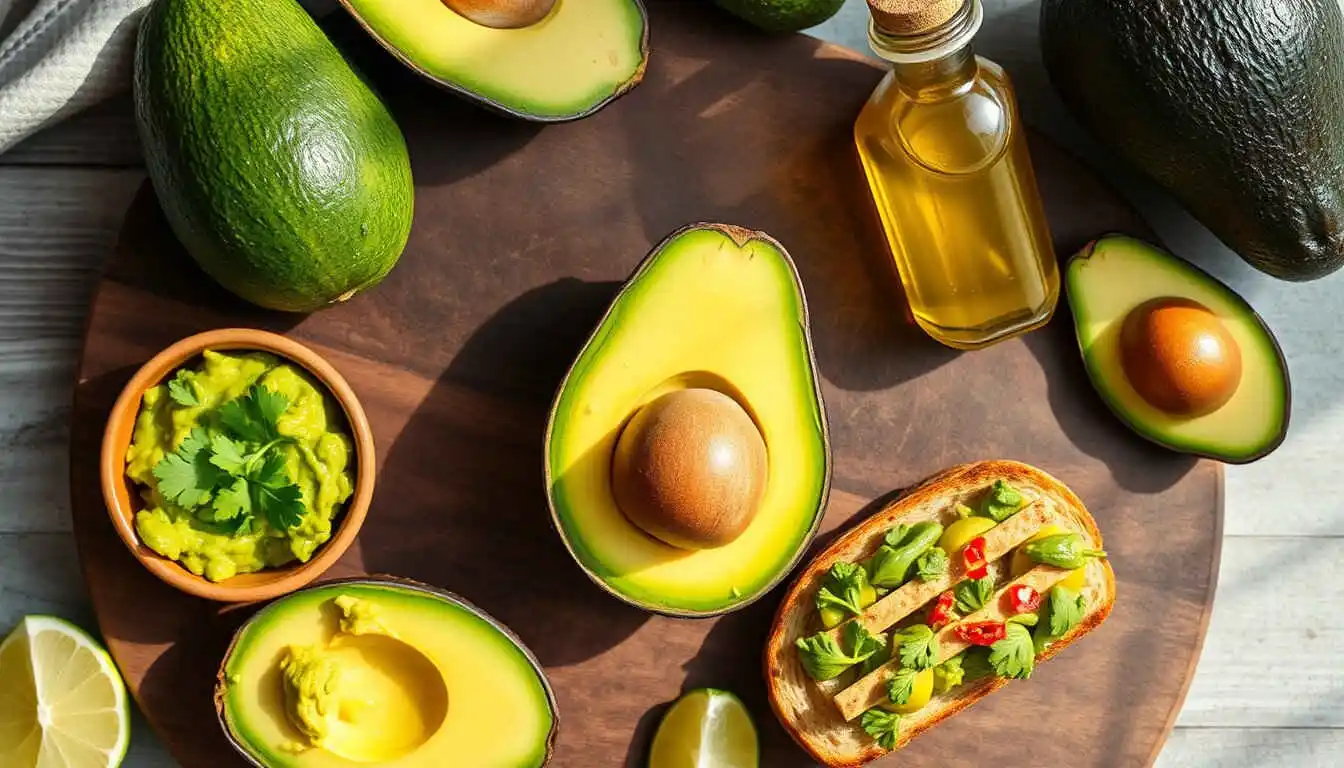
Over the years, several myths have surrounded the avocado. Let’s clear the air on some of the most common questions and misconceptions.
Myth 1: The pit prevents guacamole from browning. Fact: The pit only prevents browning by physically blocking oxygen from touching the guacamole directly beneath it. It does not emit any magical gas that stops oxidation. Plastic wrap pressed directly onto the surface of the guacamole is far more effective.
Myth 2: You shouldn’t eat avocados if you are on a diet because they are too fattening. Fact: As discussed earlier, the fats in avocados are monounsaturated and actually promote weight loss by increasing satiety and stabilizing blood sugar. The key is portion control; a third to a half of an avocado is a perfectly healthy serving.
Myth 3: Avocados are vegetables. Fact: Botanically, an avocado is a single-seeded berry. Because it develops from the ovary of a flower and contains a seed, it is 100% a fruit.
Myth 4: Dogs can’t eat avocados. Fact: This is a half-myth. The flesh of the avocado is actually safe for dogs in moderation and contains healthy fats for their coat. However, the skin, leaves, and pit contain a fungicidal toxin called persin, which can be highly toxic to dogs, birds, and horses. If you want to share a bite with your pup, ensure it is strictly the flesh, free from any skin or pit remnants.
Myth 5: Stringy avocados are bad. Fact: Stringiness in avocados is usually due to the age of the tree (younger trees often produce stringier fruit) or suboptimal storage conditions. While the texture might be slightly off for eating raw, a stringy avocado is perfectly safe to eat and is excellent for blending into smoothies or mashing for guacamole.
Conclusion: Embracing the Green Gold
From the ancient diets of the Aztecs to the modern brunch tables of the 21st century, the avocado has proven itself to be far more than a passing culinary fad. It is a botanical miracle, a nutritional powerhouse, and a culinary chameleon that adapts to everything from savory dinners to decadent desserts.
By understanding the rich Avocado nutrition facts, mastering How to ripen avocados, and exploring the diverse Avocado varieties, you elevate this fruit from a simple ingredient to an essential component of a healthy, vibrant lifestyle. Whether you are reaping the internal health benefits of its Healthy fats, utilizing Avocado oil benefits for your skin, or simply enjoying a perfectly crafted Guacamole recipe, the avocado offers something for everyone.
However, as we embrace the green gold, we must also acknowledge the responsibility that comes with our consumption. By choosing sustainable sources and minimizing waste, we can ensure that this incredible fruit continues to nourish us without destroying the environments from which it comes. So go ahead, slice open that perfectly ripe avocado, and savor the buttery, nutrient-dense magic that has captivated the world for millennia.
FAQS
History & Origins
1.What did the Aztecs originally call the avocado?
They called it ahuacatl, which translates to “testicle,” referring to the fruit’s shape and how it hangs in pairs on the tree.
2.Why is the avocado considered an “evolutionary anachronism”?
Its massive seed evolved to be swallowed whole by extinct giant megafauna (like giant ground sloths). Without these animals to disperse its seeds, it should have gone extinct, but early human cultivation saved it.
3.How did the avocado get its modern name?
Spanish conquistadors couldn’t pronounce the Aztec word ahuacatl, so they called it aguacate. British sailors eventually morphed the word into “avocado.”
Varieties
4.What is the most popular avocado variety in the world?
The Hass avocado, which accounts for roughly 95% of the global avocado market.
5.How can you tell the difference between a Hass and a Fuerte avocado?
Hass avocados have pebbly skin that turns purplish-black when ripe, while Fuertes have smooth, thin skin that stays green even when ripe.
- Which avocado variety is round and can weigh up to a pound or more?
The Reed avocado, which is known for its massive size and incredibly buttery flesh.
- What is a “cocktail” or “baby” avocado?
It is an unfertilized avocado that never developed a pit. It is cucumber-shaped, seedless, and can be eaten entirely, skin and all.
Nutrition & Health
- What type of fat makes up the majority of an avocado’s nutritional profile?
Monounsaturated fats, specifically oleic acid, which is heart-healthy and reduces inflammation.
- How do the fats in avocados help the body absorb nutrients?
The healthy fats act as a nutrient multiplier, helping the body absorb fat-soluble vitamins (A, D, E, and K) from the avocado and other foods eaten with it.
- Are avocados a good source of fiber?
Yes, a single avocado provides about 10 grams of dietary fiber, which is roughly 40% of the recommended daily intake.
- How does an avocado’s potassium content compare to a banana?
An avocado actually contains more potassium than a banana, which is vital for maintaining healthy blood pressure.
- Why are avocados considered a great food for the keto diet?
Because they are high in clean, healthy fats and very low in net carbs, making them perfect for maintaining ketosis.
- Which phytochemicals in avocados protect eye health?
Lutein and zeaxanthin, which protect the retina from ultraviolet light and reduce the risk of macular degeneration.
- How can eating avocados help with weight management?
The combination of fiber and healthy fats triggers satiety hormones that signal to your brain that you are full, reducing the likelihood of overeating.
- What role do avocados play in brain health and mood?
The oleic acid supports myelin production (protecting nerves), and the high folate levels help prevent the buildup of homocysteine, an amino acid linked to impaired brain function and depression.
Selection, Ripening & Storage
- How can you test if an avocado is ripe at the grocery store?
Gently squeeze it in the palm of your hand (not with fingertips); it should yield to slight pressure. You can also flick the stem button—if it comes away easily and reveals green underneath, it’s ripe.
- What is the fastest way to ripen a hard avocado at home?
Place it in a brown paper bag, ideally with a banana or apple. This traps ethylene gas, speeding up the ripening process to 1-3 days.
- Should you put avocados in the fridge?
Only to halt the ripening process. If an avocado is already perfectly ripe, putting it in the fridge will keep it at peak ripeness for an extra 2-3 days.
- Does the avocado pit actually prevent guacamole from turning brown?
No, the pit only physically blocks oxygen from touching the guacamole directly underneath it. It doesn’t release any chemical that stops oxidation.
- What is the best way to store half an avocado to prevent browning?
Leave the pit in, squeeze lemon or lime juice over the exposed flesh, wrap it tightly in plastic wrap (so no air touches it), and refrigerate.
- Can you freeze avocados?
Yes, the best method is to mash the avocado with a little lemon juice, put it in a zip-top bag, squeeze out all the air, and freeze for up to 6 months.
Culinary Uses & Avocado Oil
- What is the smoke point of unrefined avocado oil?
Up to 520°F (271°C), making it one of the highest smoke point oils available and excellent for high-heat cooking like searing and stir-frying.
- Can avocados be used in desserts?
Absolutely! Their neutral flavor and buttery texture make them a fantastic, healthy substitute for butter or oil in baking, such as in fudgy chocolate avocado brownies or vegan mousse.
- Why is avocado a great addition to smoothies?
It adds an incredible, creamy texture and a boost of healthy fats without the need for dairy.
Beauty & Skincare
- What fatty acid in avocado oil is also found naturally in human skin sebum?
Palmitoleic acid, which helps regenerate and rejuvenate aging skin.
- How can avocado oil benefit your hair?
Massaging it into the scalp stimulates blood flow and unclogs follicles to promote growth, while applying it to the lengths acts as a deep conditioner to repair damage and combat frizz.
- What is a simple DIY hydrating face mask using avocados?
Mash 1/2 an avocado with 1 tablespoon of plain yogurt and 1 teaspoon of honey. Leave it on for 15-20 minutes for deep, restorative moisture.
Environmental Impact & Myths
- How much water does it take to produce a single avocado?
It takes approximately 320 liters (about 85 gallons) of water to produce just one avocado, which has led to severe water shortages in some growing regions.
- Why are avocados sometimes referred to as “green gold”?
Because they are so highly profitable, they have attracted the attention of cartels in Mexico who extort farmers and control the trade through violence.
- Is it safe for dogs to eat avocados?
The flesh of the avocado is safe for dogs in moderation, but the skin, leaves, and pit contain a toxin called persin, which is highly toxic to dogs, birds, and horses.
Medical Disclaimer: The information provided on this website is for general educational and informational purposes only and is not intended as a substitute for professional medical advice, diagnosis, or treatment. Always seek the advice of your physician or other qualified health provider with any questions you may have regarding a medical condition. Never disregard professional medical advice or delay in seeking it because of something you have read on this website.

