

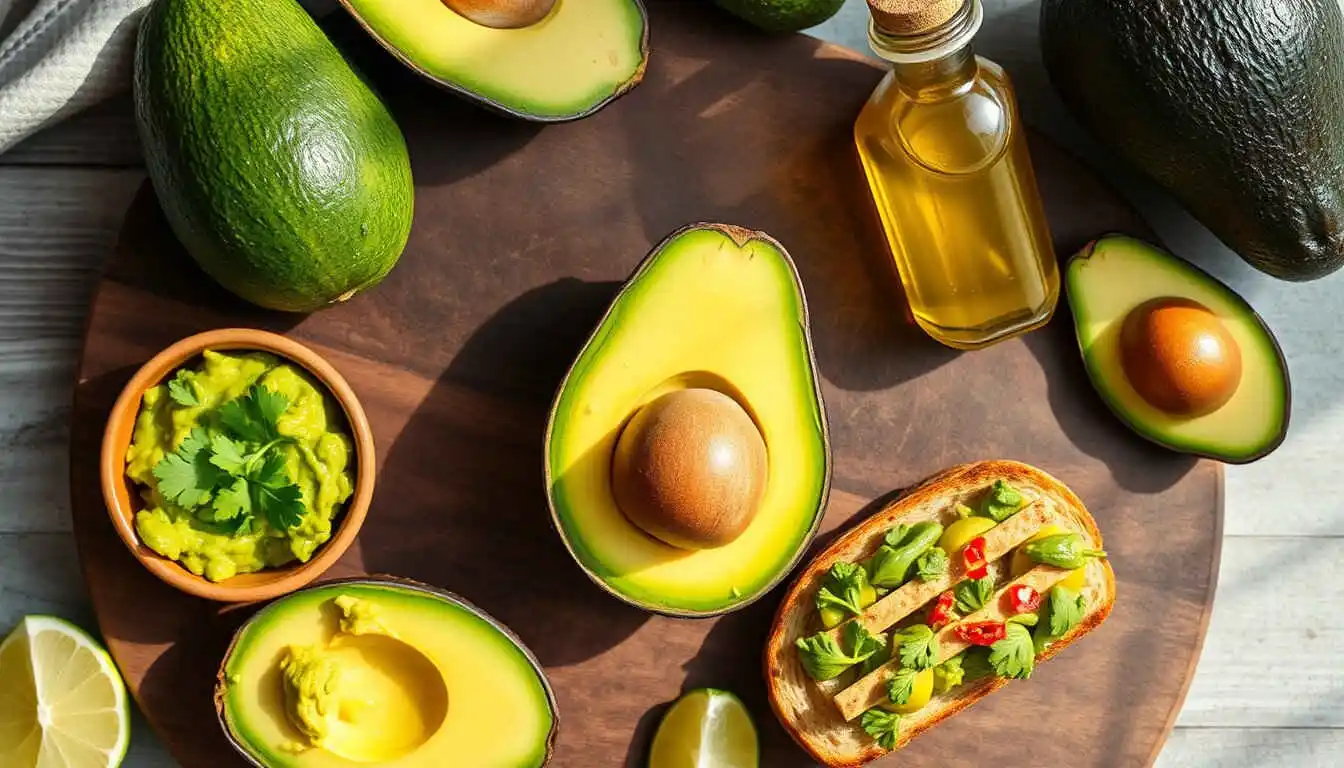
The Green Gold Standard: Unlocking the Ultimate Power of Avocados for Health, Beauty, and Beyond
Introduction: The Green Revolution on Your Plate
It is the undisputed monarch of brunch menus, the star of countless Instagram posts, and the catalyst for a global agricultural boom. Yes, we are talking about the avocado—nature’s most luxurious, buttery, and enigmatic fruit. Once relegated to the obscure corners of botanical gardens and local markets in Central America, the avocado has undergone a meteoric rise to become a multi-billion-dollar global phenomenon. But beneath its rugged, reptilian skin lies a story far more complex and fascinating than a simple trend.
Why has this particular fruit captured the world’s imagination and appetite? Is it the creamy, velvety texture that acts as a culinary chameleon? Is it the staggering array of health benefits that have nutritionists singing its praises? Or is it the deep, rich history that ties it back to some of the earliest civilizations in the Americas?
In this exhaustive deep dive, we are going to peel back the skin and pit the ordinary against the extraordinary. We will explore the ancient origins of the avocado, decode the complex science behind its Avocado nutrition facts, unravel the secrets of How to ripen avocados perfectly, and journey through a culinary landscape that goes far beyond basic Avocado toast. Whether you are a keto enthusiast looking for the perfect Keto diet foods, a gourmet chef searching for innovative Avocado recipes, or simply a curious consumer wondering about Avocado oil benefits, this comprehensive guide will transform the way you look at the world’s most beloved superfood. Welcome to the green gold standard.
Chapter 1: A Journey Through Time – The Ancient Origins of the Avocado
Long before avocados were being mashed onto sourdough in Brooklyn or blended into smoothies in Sydney, they were a vital source of sustenance in the lush, volcanic highlands of Mesoamerica. The story of the avocado begins roughly 10,000 years ago in the Tehuacan Valley of Puebla, Mexico.
The Aztec Connection To the ancient Mesoamericans, including the Aztecs and the Maya, the avocado was much more than just food; it was a symbol of fertility and vitality. The Aztecs called the fruit ahuacatl, which translates intimately to “testicle,” a nod not only to the fruit’s shape but also to the way it hangs in pairs on the tree. When the Spanish conquistadors arrived in the 16th century, they couldn’t pronounce ahuacatl, leading them to adopt the indigenous word aguacate. Over time, linguistic evolution and British sailors eventually morphed aguacate into the much easier-to-pronounce “avocado,” which coincidentally sounds like the Spanish word for lawyer (abogado).
The Survival of the Giants One of the most fascinating botanical facts about the avocado is that it is an “evolutionary anachronism.” The massive seed at the center of the avocado evolved to be swallowed whole by enormous prehistoric megafauna—like giant ground sloths and gomphotheres (distant relatives of elephants). These creatures would eat the fruit, digest the fleshy part, and disperse the giant seed through their dung across vast distances. When these megafauna went extinct roughly 10,000 to 12,000 years ago, the avocado should have gone extinct with them. Without massive animals to disperse its seeds, the fruit was stranded. It was only through the intervention of early human agriculturalists, who cultivated and planted the seeds, that the avocado survived to see the modern day.
From Local Delicacy to Global Commodity For centuries, the avocado remained a regional delicacy. Early American farmers in California and Florida began cultivating them in the 19th century, but consumers were hesitant. The fruit was relatively unknown, and many people were put off by its high fat content in an era obsessed with low-fat diets. It wasn’t until the 1990s and early 2000s, when nutritional science shifted to understand the importance of Healthy fats, that the avocado truly began its global domination. The creation of a massive marketing campaign by the Hass Avocado Board, particularly the famous Super Bowl guacamole push, cemented the avocado’s place in global culinary culture.
Chapter 2: Not All Green is Equal – A Guide to Avocado Varieties
When most people think of an avocado, they picture the dark, pebbly-skinned Hass variety. But the avocado family is incredibly diverse, boasting hundreds of different cultivars that vary wildly in size, shape, skin texture, and flavor. Understanding Avocado varieties is key to elevating your culinary game.
- Hass Avocado: The Undisputed King Accounting for roughly 95% of the avocados consumed globally, the Hass is the industry standard. Its skin turns from a vibrant green to a purplish-black when ripe, and its pebbly texture is unmistakable. The flesh is rich, creamy, and nutty, making it perfect for guacamole, spreading, and eating raw. Its popularity stems from its year-round growing season and its durable skin, which makes it easier to ship globally.
- Fuerte: The Original Commercial Avocado Before the Hass took over, the Fuerte was the gold standard. Meaning “strong” in Spanish, the Fuerte survived the great freeze of 1913 in California. It is larger than the Hass, with a smooth, thin green skin that stays green even when ripe. Its flesh is slightly less oily but incredibly creamy, with a mild, watery-crisp flavor that makes it fantastic for salads.
- Reed: The Softball-Sized Behemoth If you want an avocado that feels like a small melon, the Reed is your answer. Round and massive, the Reed can weigh up to a pound or more. It has a thick, slightly pebbled green skin and a remarkably buttery, dense flesh. Because of its size, the pit-to-flesh ratio is highly favorable, meaning you get a massive amount of edible avocado per fruit. It is a summer variety and is incredible for stuffing or making large batches of guacamole.
- Bacon Avocado: The Mild-Mannered Cousin Despite its name, the Bacon avocado contains no pork—it is entirely vegan! Named after farmer James Bacon, this variety has smooth, thin green skin and a pale yellow-green flesh. It is less oily than the Hass, offering a lighter, sweeter flavor. Because of its delicate skin, it doesn’t ship well, making it a farmers’ market treasure.
- Pinkerton: The Pear-Shaped Powerhouse Characterized by its long, pear-like shape and slightly rough, dark green skin, the Pinkerton has a small seed and a high oil content. It yields a tremendous amount of flesh and has a rich, nutty flavor that rivals the Hass. It is often favored by chefs who want maximum yield for their money.
- The “Cocktail” or “Baby” Avocado These are not a distinct variety but rather an unfertilized avocado. When an avocado tree drops its fruit early, the pit never forms, resulting in a seedless, cucumber-shaped mini avocado. You can eat the entire thing—skin and all—and it has a wonderfully creamy, slightly tangy flavor.
Chapter 3: The Nutritional Powerhouse – Decoding Avocado Nutrition Facts
For decades, the avocado was shunned by dieters who feared its high calorie and fat content. Today, modern nutritional science has vindicated this green wonder, proving that the Avocado benefits are nothing short of miraculous. Let’s break down the exact Avocado nutrition facts to understand why this is one of the most potent Superfoods on the planet.
The Magic of Monounsaturated Fats (MUFAs) The most defining feature of the avocado’s nutritional profile is its fat content. A single avocado contains roughly 22 grams of fat, which accounts for about 77% of its total calorie count. But this isn’t the dangerous trans fat or inflammatory saturated fat; this is predominantly oleic acid—a heart-healthy monounsaturated fatty acid.
Oleic acid has been extensively studied and shown to reduce inflammation, lower the risk of certain cancers, and significantly improve cardiovascular health. It helps lower LDL (“bad”) cholesterol while maintaining or even boosting HDL (“good”) cholesterol. Because the human body needs fat to absorb fat-soluble vitamins (A, D, E, and K), the fats in avocados act as a nutrient multiplier, making the other foods you eat with it significantly more nutritious.
Fiber: The Gut Guardian A single avocado provides an impressive 10 grams of dietary fiber, which is about 40% of the recommended daily intake. This mix of both soluble and insoluble fiber is crucial for digestive health. Soluble fiber feeds the beneficial bacteria in your gut, promoting a robust microbiome, while insoluble fiber adds bulk to your stool and keeps your digestive tract moving smoothly. Furthermore, this high fiber content combined with the healthy fats slows down the digestion of carbohydrates, keeping your blood sugar levels stable and preventing the dreaded afternoon crash.
A Treasure Trove of Micronutrients Beyond macros, the avocado is a micronutrient powerhouse:
- Potassium: An avocado contains more potassium than a banana. Potassium is vital for maintaining healthy blood pressure, fluid balance, and proper muscle contractions.
- Vitamin K: Essential for bone health and blood clotting.
- Vitamin C: A powerful antioxidant that boosts the immune system and promotes collagen production for healthy skin.
- Vitamin E: Protects cells from oxidative stress and is vital for skin and eye health.
- B Vitamins: Especially rich in folate (Vitamin B9), which is crucial for cell repair and is highly recommended during early pregnancy to prevent birth defects.
The Keto Connection Because of its high fat and low net-carb profile, the avocado is the undisputed champion of Keto diet foods. It provides the clean, healthy fats required to maintain ketosis without the inflammatory downsides of processed fatty foods.
Chapter 4: The Science of Green – Proven Health and Beauty Benefits
Let’s translate those nutrition facts into tangible, real-world benefits for your body, mind, and appearance.
- Cardiovascular Champion Heart disease remains the leading cause of death globally, but the avocado is a formidable shield. The beta-sitosterol found in avocados helps maintain healthy cholesterol levels. The combination of folate, potassium, and monounsaturated fats works synergistically to reduce the risk of stroke and prevent the hardening of arteries. Regular avocado consumption has been linked to a significant reduction in metabolic syndrome, a cluster of conditions that increase the risk of heart disease.
- Vision Protector: Lutein and Zeaxanthin Carrots have long been touted as the food for eyesight, but avocados deserve a seat at the table. They are incredibly rich in the phytochemicals lutein and zeaxanthin. These two antioxidants are found in the retina of the eye, and consuming them helps protect your eyes from ultraviolet light and oxidative damage, significantly reducing the risk of macular degeneration and cataracts as you age.
- Weight Management and Satiety It sounds counterintuitive that a high-fat, calorie-dense fruit can aid in weight loss, but science supports it. The powerful combination of fiber and healthy fats in avocados triggers the release of satiety hormones like leptin and cholecystokinin. These hormones signal to your brain that you are full, reducing the likelihood of overeating. Studies have shown that people who regularly consume avocados tend to have lower BMIs and smaller waist circumferences than those who don’t.
- Skin and Hair Elixir The benefits of the avocado aren’t just internal. The vitamin E, vitamin C, and healthy fats act as a deep moisturizer for your skin from the inside out, protecting against UV damage and promoting a youthful glow. But the Avocado oil benefits for topical application are equally staggering. Avocado oil is highly penetrating, delivering nutrients deep into the dermis. Applying avocado oil or a mashed avocado mask to your hair can repair damaged cuticles, combat frizz, and stimulate hair growth thanks to the presence of biotin and the oil’s natural emollient properties.
- Cognitive Function and Mood The brain is nearly 60% fat, and it thrives on high-quality fatty acids. The oleic acid in avocados supports the production of myelin, the protective coating around nerves that speeds up brain signals. Furthermore, the high levels of folate help prevent the buildup of homocysteine, an amino acid that can impair brain function and is linked to depression. Eating avocados can genuinely help boost your mood and keep your cognitive functions sharp.
Chapter 5: The Art of the Avocado – Selection, Ripening, and Storage
There is perhaps no greater culinary heartbreak than slicing into a perfectly ripe-looking avocado only to find a rock-hard, unyielding center—or worse, a brown, stringy mess. Mastering How to ripen avocados and how to store them is a crucial kitchen skill.
The Selection Process If you are buying an avocado to eat today, you need to know how to test for ripeness. Gently squeeze the avocado in the palm of your hand (never use your fingertips, as they will bruise the flesh). A ripe avocado will yield to gentle, slight pressure. It should feel firm but not hard, with a slight give.
The ultimate secret weapon? The stem test. Flick the small dry button at the top of the avocado. If it comes away easily and you see green underneath, the avocado is perfectly ripe. If it is difficult to remove, it’s underripe. If it comes away and you see brown, the inside is likely riddled with dark spots.
How to Ripen Avocados Fast If you’ve only found hard avocados at the store, don’t despair. To ripen them quickly, place the avocados in a brown paper bag. This traps the ethylene gas the fruit naturally produces, which accelerates the ripening process. To speed it up even more, add a banana or an apple to the bag—these fruits produce massive amounts of ethylene gas. Your avocado will be perfectly ripe in 1 to 3 days. Do not use the microwave method; it will cook the fruit and ruin its texture rather than ripen it.
How to Store and Preserve Avocados Once an avocado is ripe, the clock is ticking. To halt the ripening process, place the avocado directly in the refrigerator. The cold will keep it at peak ripeness for an extra 2 to 3 days.
The biggest enemy of a cut avocado is oxygen, which causes oxidation (browning). To save half an avocado, leave the pit in, squeeze a bit of lemon or lime juice over the exposed flesh, wrap it tightly in plastic wrap so no air can get in, and refrigerate.
Can You Freeze Avocados? Yes! If you have a glut of avocados about to go bad, freeze them. The best method is to mash the avocado with a tablespoon of lemon juice per avocado, place it in a zip-top bag, squeeze out all the air, and freeze. It will keep for up to 6 months and is perfect for smoothies or guacamole down the line.
Chapter 6: Beyond the Toast – Incredible Avocado Recipes
While Avocado toast is a modern classic, the culinary versatility of this fruit is boundless. Let’s explore some innovative and mouth-watering Avocado recipes that will revolutionize your kitchen.
The Perfect Guacamole Recipe No avocado guide is complete without a classic Guacamole recipe. Forget the pre-packaged tubs; fresh is the only way.
- Ingredients: 3 ripe Hass avocados, 1/2 cup finely diced white onion, 1-2 serrano or jalapeño peppers (minced), 1/2 cup chopped fresh cilantro, 2 tablespoons fresh lime juice, 1/2 teaspoon salt, and optional diced roma tomato.
- Method: Cut the avocados in half, remove the pits, and scoop the flesh into a bowl. Add the lime juice and salt immediately. Using a fork or a molcajete, mash to your desired consistency (chunky is best). Fold in the onion, peppers, cilantro, and tomato. The key is to add the lime juice first; the acid not only balances the fat but prevents browning. Taste and adjust salt. Serve immediately with warm tortilla chips.
Elevating Avocado Toast To make the ultimate avocado toast, start with high-quality, thick-sliced sourdough bread toasted until golden. Mash the avocado with a pinch of red pepper flakes, sea salt, and a squeeze of lemon. Spread it thickly. Now, add your toppings: a perfectly soft-poached egg, a drizzle of high-quality extra virgin olive oil, some flaky Maldon sea salt, and a scattering of microgreens. For a sweeter twist, try topping it with fresh figs, honey, and a sprinkle of feta cheese.
Avocado in Smoothies Avocados add an unbelievable creaminess to smoothies without the need for dairy. Try the “Green Goddess”: 1/2 avocado, 1 cup spinach, 1/2 frozen banana, 1 cup almond milk, a scoop of vanilla protein powder, and a tablespoon of chia seeds. It is thick, filling, and incredibly nutritious.
Savory Stuffed Avocados For a quick, low-carb lunch, halve a ripe avocado and remove the pit. Fill the cavity with something delicious: spicy tuna salad, ceviche, or a mixture of quinoa, black beans, corn, and lime vinaigrette. The cool, creamy avocado contrasts beautifully with warm or spicy fillings.
Avocado Desserts: The Secret Ingredient Because of its neutral flavor and buttery texture, avocado is a phenomenal substitute for butter or oil in baking. You can make incredible fudgy chocolate avocado brownies, vegan avocado chocolate mousse, or avocado matcha ice cream. The chocolate masks the green color and flavor, leaving you with a rich, velvety dessert that is secretly healthy.
Chapter 7: Liquid Gold – The Magic of Avocado Oil
While the flesh gets all the glory, the oil pressed from the fruit is a culinary and cosmetic marvel. Understanding Avocado oil benefits will make you rush to add a bottle to your pantry.
The Culinary Chameleon Avocado oil has a smoke point of up to 520°F (271°C) for unrefined oil, which is one of the highest of any cooking oil. This makes it incredibly versatile. You can use it for high-heat searing, stir-frying, and roasting without the oil breaking down and releasing toxic free radicals. It has a mild, buttery, slightly nutty flavor that enhances dishes without overpowering them. Use it as a 1:1 substitute for canola or vegetable oil in baking, or drizzle it over salads as a luxurious finishing oil.
Skincare Superpower Topically, avocado oil is a godsend. It is rich in fatty acids, particularly palmitoleic acid, which is naturally found in the skin’s sebum but decreases as we age. Applying avocado oil helps to regenerate and rejuvenate aging skin. It is deeply hydrating, making it an excellent treatment for eczema, psoriasis, and severely dry skin.
Hair Care Hero Massaging avocado oil into your scalp can stimulate blood flow and unclog hair follicles, promoting hair growth. Applied to the lengths of your hair, it acts as a deep conditioner, repairing damage from heat styling and environmental stressors. Leave it in for 30 minutes before shampooing, and your hair will be silky and resilient.
Chapter 8: The Glow Up – Avocado in Your Beauty Routine
You don’t need expensive creams to get glowing skin and hair; the answer might already be in your kitchen. Here are a few DIY avocado beauty treatments:
- The Hydrating Face Mask Mash 1/2 an avocado with 1 tablespoon of plain yogurt and 1 teaspoon of honey. Apply a thick layer to your face and leave it on for 15-20 minutes. The lactic acid in the yogurt gently exfoliates, the honey is antibacterial, and the avocado provides deep, restorative moisture. Rinse with warm water to reveal glowing, soft skin.
- The Intensive Hair Mask Combine 1 mashed avocado, 2 tablespoons of coconut oil, and 1 tablespoon of raw honey. Work the mixture through damp hair, from roots to ends. Put on a shower cap and leave it for at least an hour. The proteins and fats will penetrate the hair shaft, repairing breakage and restoring brilliant shine. Shampoo thoroughly to remove.
- Under-Eye De-Puffer Simply slice a thin piece of cold avocado and place it under your eye for 10 minutes. The natural fats and the cool temperature will reduce puffiness and diminish dark circles, giving you a refreshed, awake look.
Chapter 9: The Dark Side of Green – Economic and Environmental Impacts
It is not all green smoothies and glowing skin; the global obsession with avocados has a dark, complicated underbelly. As consumers, it is important to be aware of the economic and environmental impacts of our consumption.
The Water Crisis Avocados are incredibly thirsty plants. It takes approximately 320 liters (about 85 gallons) of water to produce a single avocado. In regions like Petorca, Chile, and parts of California, the insatiable demand for avocados has led to severe water shortages. Rivers have dried up, and local farmers are left without water for their subsistence crops while massive agribusinesses drain aquifers to grow avocados for export.
Deforestation and Carbon Footprint In Michoacán, Mexico—the avocado capital of the world—pine and oak forests are being illegally cleared at an alarming rate to make way for avocado orchards. This deforestation not only destroys biodiversity but also releases massive amounts of carbon dioxide. Furthermore, avocados are heavy and delicate, meaning shipping them globally via air freight or refrigerated trucks leaves a significant carbon footprint.
The “Green Gold” and Cartel Violence Because avocados are so lucrative—often referred to as “oro verde” or green gold—they have attracted the attention of drug cartels in Mexico. Cartels extort avocado farmers, hijack trucks, and control the local trade through violence and intimidation. The avocado industry in some parts of Mexico is deeply intertwined with organized crime, making the fruit’s supply chain a complex ethical issue.
How to Consume Sustainably As a consumer, you can take steps to mitigate these impacts:
- Buy local: If you live in the US, buy California-grown avocados rather than imported ones.
- Look for certifications: Seek out avocados that are certified by the Rainforest Alliance or Fair Trade, which ensure better labor and environmental practices.
- Reduce waste: Only buy what you will eat, and compost the skins and pits instead of throwing them in the trash.
- Eat seasonally: Avocados have a natural season; eating them when they are naturally abundant reduces the need for resource-intensive forced farming.
Chapter 10: Busting the Myths – Avocado FAQs
https://youtu.be/Xx3en8fBK64

