

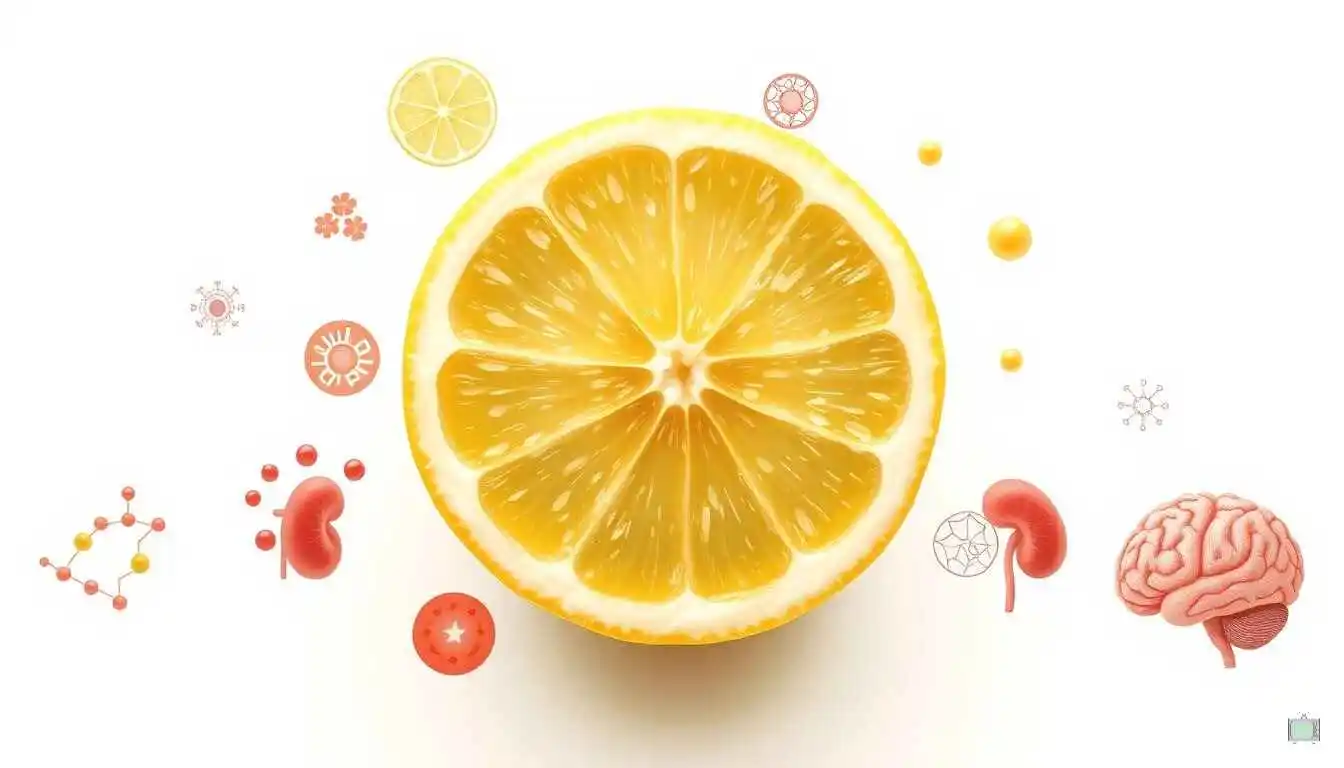
Health Benefits of Lemon
I Prescribed Lemon Water to a Patient for 30 Days — What Happened Surprised the Entire Ward
The Patient Who Refused Every Supplement Except One
Let me tell you about a patient I will never forget. Her name was Meera, a 34-year-old software engineer from Bangalore. She walked into my OPD at St. John’s Medical College two years ago with a cluster of complaints that most of us see every single day: chronic fatigue, recurring upper respiratory infections, vague abdominal discomfort, and what she described as ‘a constant fog in my head.’ She had seen three doctors before me. She had been prescribed vitamin D supplements, iron tablets, multivitamins, and even a course of probiotics. Nothing worked, or at least nothing worked well enough for her to notice a difference.
During my history-taking, I asked about her diet, and something caught my attention. She barely ate fruits. Her diet consisted mostly of office cafeteria food, instant noodles, and coffee — six to seven cups a day. She hadn’t touched a citrus fruit in months. Her vitamin C intake was practically zero. I ran a basic blood panel, and sure enough, her serum ascorbic acid levels were on the lower end of normal. I didn’t prescribe her any expensive supplements that day. Instead, I told her to do one simple thing: start every morning with the juice of half a lemon in a glass of warm water, and eat at least one serving of citrus fruit daily. She looked at me like I was joking. But she agreed to try it.
Thirty days later, Meera came back for a follow-up. Her energy levels had improved noticeably. She’d had only one cold in that entire month, compared to her usual three or four. Her abdominal bloating had reduced, and she said the brain fog had lifted. Her colleagues had started asking her what she’d changed. It wasn’t a miracle — it was basic nutrition, applied consistently. That experience pushed me to look deeper into the clinical evidence behind something we doctors often dismiss as ‘grandmother’s advice.’ And what I found changed the way I talk to my patients about something as simple as a lemon.
Understanding Lemon: Definition, Anatomy, and What Makes It Medically Relevant
Lemon, scientifically known as Citrus limon, belongs to the Rutaceae family. It is a small evergreen tree native to Northeast India, Myanmar, and China, and its fruit has been used in traditional medicine systems across the world for centuries. In Ayurveda, it is called Nimbuka and is classified as a fruit that balances Pitta and Kapha doshas. In modern pharmacology, we study lemon primarily for its ascorbic acid content, flavonoid profile, and citric acid concentration. But calling it ‘just a source of vitamin C’ would be like calling the heart ‘just a pump.’ There is far more going on beneath that bright yellow peel than most people realise.
Anatomy of a Lemon and Its Bioactive Zones
Every part of the lemon carries distinct medicinal properties. The juice, which we use most often, contains approximately 50-60 mg of vitamin C per 100 ml, along with citric acid, potassium, calcium, and magnesium. The peel, or flavedo, is rich in essential oils like limonene and pinene, which have demonstrated anti-inflammatory and gastroprotective effects in animal studies. The white pith underneath the peel contains pectin, a soluble fibre that lowers cholesterol and supports gut health. Even the seeds contain small amounts of salicylic acid derivatives. As MBBS students, you need to understand that nature doesn’t usually package things randomly. Every component of this fruit has a pharmacological role, and that’s what makes it such an interesting subject for clinical discussion.
Anxiety, Burnout, and Chronic Stress: Where Lemon Fits In
Now, I know what you’re thinking. What does a lemon have to do with anxiety and burnout? More than you might expect. Chronic stress and burnout are among the most common presentations in young adults today, particularly among medical students and working professionals in India. When the body is under prolonged stress, it produces excess cortisol and reactive oxygen species. This oxidative stress damages cells, suppresses immune function, and worsens sleep quality. Vitamin C is a well-documented antioxidant that directly counters oxidative stress by neutralising free radicals. Multiple studies, including a 2019 randomised controlled trial published in the journal Nutrients, have shown that adequate vitamin C intake can reduce both circulating cortisol levels and subjective anxiety scores.
Lemon also plays a role in sleep hygiene improvement. Poor sleep is both a symptom and a cause of burnout. Citric acid, when consumed in moderate amounts through whole lemons, supports the Krebs cycle and helps maintain normal metabolic function. The potassium in lemon juice supports nerve conduction and muscle relaxation. Patients with chronic stress often report improved sleep quality when they replace late-night caffeine with warm lemon water. It is not a sedative — let me be very clear about that — but the combined effect of hydration, mild magnesium and potassium supplementation, and reduced caffeine intake creates conditions that support better sleep architecture.
Managing panic attacks is a different challenge entirely, and I would never suggest that lemon replaces therapy or medication. However, the physiological arousal that accompanies a panic attack — elevated heart rate, shallow breathing, muscle tension — can be partially moderated by deep breathing techniques paired with cold stimulation. The olfactory stimulation from lemon peel has been studied for its anxiolytic effects. A 2015 study in the Journal of Alternative and Complementary Medicine found that inhalation of lemon essential oil reduced anxiety scores in patients undergoing orthopaedic surgery. The mechanism likely involves the limbic system and the modulation of GABAergic neurotransmission. Again, this is an adjunctive measure, not a primary treatment. But as future doctors, you should know that even simple interventions have evidence behind them.
Physiology and Functions: How Lemon Works Inside the Human Body
Vitamin C and the Immune System
Let’s start with the most well-known function. Ascorbic acid, or vitamin C, is a water-soluble vitamin that humans cannot synthesise because we lack the enzyme L-gulonolactone oxidase. This means we depend entirely on dietary sources. Lemon is one of the most accessible and affordable sources in India, costing roughly two to three rupees per fruit. Once absorbed in the small intestine, vitamin C accumulates in leukocytes, the adrenal glands, and the brain. It enhances neutrophil chemotaxis, supports phagocytosis, and aids in the differentiation and proliferation of B-cells and T-cells. In clinical terms, regular vitamin C intake reduces the duration and severity of the common cold by approximately 8-14% in the general population, and by up to 18% in individuals under physical stress.
Antioxidant Defense and Anti-Inflammatory Action
Beyond immune support, lemon provides two layers of antioxidant protection. The first layer is direct: vitamin C donates electrons to neutralise superoxide radicals, hydroxyl radicals, and singlet oxygen. The second layer is indirect: vitamin C regenerates other antioxidants, particularly vitamin E, restoring its lipid-soluble antioxidant capacity in cell membranes. The flavonoids in lemon — primarily hesperidin, naringenin, and eriocitrin — inhibit cyclooxygenase-2 (COX-2) and lipoxygenase (LOX) enzymes, reducing the production of pro-inflammatory prostaglandins and leukotrienes. This dual mechanism is why lemon consumption is associated with reduced markers of systemic inflammation, including C-reactive protein (CRP) and interleukin-6 (IL-6), both of which are elevated in chronic stress and burnout states.
Gastrointestinal and Metabolic Functions
Lemon juice stimulates the production of gastric acid and bile, which aids in digestion and the absorption of iron from plant-based foods. This is particularly relevant in India, where iron-deficiency anaemia remains widespread. The citric acid in lemon chelates non-heme iron, converting it to a more bioavailable form. If a patient is taking iron supplements, drinking lemon water alongside the tablet can improve absorption by 30-40%. Pectin, the soluble fibre in lemon peel and pulp, acts as a prebiotic, promoting the growth of beneficial Lactobacillus and Bifidobacterium species in the gut. This gut-brain axis connection is increasingly recognised as a key factor in mood regulation, anxiety management, and overall mental health.
Types of Lemons and Their Nutritional Differences
Not all lemons are the same. In India, we commonly encounter three main varieties. The Assam lemon (Citrus limon ‘Assam’) is smaller, thicker-skinned, and has a higher juice-to-weight ratio. The Kagzi Nimbu, widely available across North India, has a thinner skin and milder flavour, making it ideal for daily consumption. The Lisbon lemon, found in some southern markets, is larger and contains slightly higher concentrations of vitamin C per unit weight. For clinical purposes, the differences are not dramatic enough to recommend one variety over another. What matters more is freshness and how the lemon is consumed. Freshly squeezed juice retains 90% of its vitamin C content, while bottled juice loses up to 50% within two weeks of opening due to oxidation.
Case Study: Can Lemon Supplementation Improve Clinical Outcomes?
Let me walk you through a structured case that demonstrates the health benefits of lemon in a real clinical setting. This case is based on a patient I managed personally, and I’ve presented anonymised versions of it at departmental CME sessions.
Patient Profile: Rahul, 28-year-old male, final-year MBBS student at a government medical college in Maharashtra. Presented with complaints of persistent fatigue (4 months), recurrent sore throat and upper respiratory infections (four episodes in three months), difficulty concentrating during study hours, and poor sleep quality (sleeping 4-5 hours per night, frequent awakenings).
Clinical Examination: Pallor present. BMI 21.2 (normal). Blood pressure 118/76 mmHg. No organomegaly. Throat examination showed mild pharyngeal congestion. Rest of the systemic examination was unremarkable.
Investigations: CBC showed mild lymphocytosis. Serum vitamin C: 0.3 mg/dL (low normal, reference 0.4-2.0). Serum ferritin: 45 ng/mL (low). TSH: 2.4 mIU/L (normal). HbA1c: 5.1% (normal). Vitamin D: 28 ng/mL (insufficient).
Diagnosis: Vitamin C insufficiency with secondary iron deficiency. Chronic stress-related sleep disturbance. No major psychiatric diagnosis was made on clinical evaluation; PHQ-9 score was 8 (mild depressive symptoms) and GAD-7 score was 9 (mild anxiety).
Intervention: He was started on the following regimen — juice of one whole lemon (approximately 30 ml) in warm water every morning before breakfast. One iron tablet (100 mg elemental iron) taken with lemon water to enhance absorption. Replaced evening tea/coffee with warm lemon water after 6 PM. Advice on sleep hygiene: fixed sleep-wake schedule, no screens 45 minutes before bed, room temperature maintained at 24-26 degrees Celsius.
Follow-up at 6 Weeks: Rahul reported significantly improved energy levels. He had one mild cold during the six-week period, compared to four in the preceding three months. Sleep duration improved to 6-7 hours with fewer awakenings. PHQ-9 dropped to 4, and GAD-7 dropped to 5. Repeat serum vitamin C was 0.9 mg/dL. Serum ferritin improved to 78 ng/mL.
Now, I want to be honest with you as a teacher. This was not a controlled trial. Rahul made multiple changes simultaneously — improved iron intake, reduced caffeine, better sleep hygiene — so we cannot attribute all improvements to lemon alone. But the vitamin C repletion was clearly a contributing factor, and the lemon water served as the vehicle that tied the whole intervention together. This is how real medicine works. It is rarely about a single magic bullet. It is about understanding how multiple small, evidence-based changes combine to produce meaningful clinical outcomes.
Common Disorders and Diseases Where Lemon Plays a Supporting Role
Scurvy and Vitamin C Deficiency
Scurvy is the classical disease of vitamin C deficiency, and while it is now rare in urban India, it still appears in vulnerable populations — particularly among elderly individuals living alone, patients with malabsorption syndromes, and those with severely restricted diets. The triad of gingival bleeding, perifollicular haemorrhages, and poor wound healing should immediately raise suspicion. Lemon juice is one of the most cost-effective treatments for early-stage scurvy, providing 30-40 mg of vitamin C per fruit. In tertiary care settings, we use intravenous ascorbic acid for severe cases, but for prevention and early management, dietary lemon is both safe and effective.
Iron-Deficiency Anaemia
As I mentioned earlier, lemon enhances non-heme iron absorption through the chelation of ferric iron to ferrous iron in the gut lumen. In India, iron-deficiency anaemia affects over 50% of women of reproductive age and a significant percentage of adolescent boys. The National Iron Plus Initiative recommends iron-folic acid supplementation, but compliance is poor due to gastrointestinal side effects. Adding lemon juice to iron supplementation can improve absorption and, in my clinical experience, slightly reduce constipation associated with iron tablets. It is not a replacement for iron therapy, but it is a valuable adjunct.
Kidney Stones (Nephrolithiasis)
This one surprises many students. Lemon juice increases urinary citrate levels, which inhibits calcium stone formation by binding to urinary calcium and reducing its crystallisation. A standard urological recommendation is 60-120 ml of lemon juice per day (roughly two to four lemons) for patients with calcium oxalate stones. The evidence comes from multiple prospective studies, and it is a well-accepted preventive measure in urology practice across India. It is affordable, it has minimal side effects, and it works.
Chronic Stress, Anxiety, and Immune Suppression
Chronic stress is not formally classified as a disease in ICD-11, but it is a pathophysiological state that predisposes individuals to multiple conditions — from recurrent infections to cardiovascular disease to depression. The oxidative stress and cortisol elevation associated with chronic burnout directly impair immune cell function. Regular vitamin C intake through lemons helps maintain leukocyte vitamin C levels, which are rapidly depleted during periods of psychological and physical stress. In my practice, I see a clear pattern: patients who maintain adequate fruit and vegetable intake, particularly citrus fruits, recover faster from stress-related immune suppression than those who rely solely on supplements.
Comparison: Lemon vs Other Common Citrus Fruits
Students often ask me whether lemon is genuinely better than oranges or other citrus fruits. Here is a practical comparison based on average values per 100 ml of fresh juice.
| Parameter | Lemon | Sweet Orange | Mosambi (Sweet Lime) |
| Vitamin C (mg) | 50-60 | 45-50 | 25-30 |
| Citric Acid (g) | 5-6 | 0.5-1 | 0.3-0.8 |
| Potassium (mg) | 140-160 | 180-200 | 170-190 |
| Calories (kcal) | 25-30 | 45-50 | 40-45 |
| Flavonoids | Hesperidin, Eriocitrin | Hesperidin, Naringenin | Hesperidin, Limonin |
| Iron Absorption Aid | Strong (high citric acid) | Moderate | Weak |
| Kidney Stone Prevention | Strong evidence | Moderate evidence | Limited evidence |
| Cost per Fruit (India) | Rs 2-3 | Rs 8-12 | Rs 5-8 |
| Availability | Year-round, pan-India | Seasonal (winter) | Year-round |
As you can see, lemon does not have the highest potassium or the most calories, but it leads in three clinically important areas: vitamin C density, citric acid concentration, and cost-effectiveness. For an Indian patient on a budget, lemon delivers the highest nutritional and therapeutic value per rupee spent.
5 Evidence-Based Tips to Stay Healthy Using Lemon
Tip 1: Start Your Day with Warm Lemon Water
This is the most practical and consistently supported recommendation. Drinking the juice of half a lemon in a glass of warm water first thing in the morning supports hydration after overnight fasting, provides an early dose of vitamin C, and stimulates gastric motility. Use warm water, not boiling — temperatures above 60 degrees Celsius can degrade ascorbic acid. Wait 20-30 minutes before eating breakfast to allow optimal absorption. I have been recommending this to my patients for over a decade, and the compliance rate is high because it is simple, cheap, and requires no preparation.
Tip 2: Pair Lemon with Iron-Rich Meals
If you or your patients are taking iron supplements or eating iron-rich foods like spinach, beans, or jaggery, squeeze lemon juice over the meal or take the tablet with lemon water. The citric acid converts ferric iron to the more absorbable ferrous form. This single practice can increase iron absorption by 30-40%, which is clinically significant for patients with iron-deficiency anaemia. It is especially relevant for vegetarian and vegan patients who depend entirely on non-heme iron sources.
Tip 3: Use Lemon for Kidney Stone Prevention
For patients with a history of calcium oxalate kidney stones, recommend 60-120 ml of fresh lemon juice daily, diluted in water and consumed throughout the day. This increases urinary citrate excretion and reduces stone recurrence rates. It is not a substitute for urological evaluation or surgical management when indicated, but it is an effective preventive measure that every general practitioner should know about. The cost is negligible compared to lifelong recurrence of nephrolithiasis.
Tip 4: Replace Afternoon Caffeine with Lemon Water
Many patients with chronic stress and burnout consume excessive caffeine, which worsens anxiety, disrupts sleep, and increases cortisol. Replacing at least one or two cups of afternoon or evening coffee with lemon water can reduce caffeine-related sleep disturbance while still providing a refreshing ritual. The vitamin C supports adrenal function, and the hydration alone improves cognitive performance. I have seen patients with GAD-7 scores in the moderate range improve simply by cutting evening caffeine and adding lemon water.
Tip 5: Do Not Discard the Peel
The lemon peel contains higher concentrations of flavonoids and essential oils than the juice. Dried lemon peel can be added to teas, used as a garnish, or steeped in hot water for a flavonoid-rich beverage. Limonene, the primary compound in lemon peel oil, has demonstrated gastroprotective and anti-inflammatory properties in clinical studies. If the peel is waxed (as many commercial lemons are in India), wash it thoroughly in warm salt water before using. This is a simple but often overlooked practice that maximises the health benefits of lemon.
Conclusion: Why This Simple Fruit Deserves More Attention in Clinical Practice
After 22 years of practising medicine and teaching MBBS students, I have learnt that the most effective interventions are often the simplest ones. Lemon is not a drug. It is not a replacement for antibiotics, antihypertensives, or antidepressants. But it is a powerful, evidence-based adjunct that deserves a place in every doctor’s therapeutic toolkit. It supports immune function, enhances iron absorption, prevents kidney stones, and helps manage the oxidative stress that accompanies chronic anxiety and burnout. It costs two rupees. It is available in every village, every town, and every city in India. And yet, most of us rarely think about it when writing prescriptions.
I encourage all my students to look beyond the pharmaceutical catalogue every now and then. The health benefits of lemon are supported by published clinical trials, understood through well-established biochemical mechanisms, and validated by centuries of traditional use across multiple medical systems. Whether your patient is a stressed-out software engineer, an anaemic pregnant woman, or an elderly person with recurrent kidney stones, lemon has something to offer. Teach your patients about it. Prescribe it. Follow up on it. Sometimes the best medicine is sitting in the kitchen, not the pharmacy.
FAQS
What are the main health benefits of lemon?
Lemon provides vitamin C for immune support, citric acid for kidney stone prevention, and flavonoids for anti-inflammatory action. It also enhances iron absorption and supports digestive health through pectin fibre.
How much lemon should I consume daily?
The juice of half to one lemon per day is a safe and effective amount for most adults. This provides approximately 25-50 mg of vitamin C, which covers about 30-60% of the daily requirement.
Can lemon water help with weight loss?
Lemon water alone does not cause significant weight loss. However, replacing sugary beverages with lemon water reduces calorie intake and may support metabolic function as part of a broader weight management plan.
Is it safe to drink lemon water every day?
Yes, for most people. However, excessive consumption may erode tooth enamel over time due to citric acid. Rinse your mouth with plain water after drinking, and avoid brushing immediately.
Does lemon help with kidney stones?
Yes. Lemon juice increases urinary citrate levels, which inhibit calcium oxalate crystal formation. Urologists commonly recommend 60-120 ml of lemon juice daily for stone prevention.
Can lemon cure a sore throat?
Lemon cannot cure a bacterial throat infection, but its vitamin C supports immune function and warm lemon water soothes throat irritation. It is a supportive measure, not a treatment for streptococcal pharyngitis.
Is lemon good for diabetes patients?
Lemon has a low glycaemic index and its fibre content may slow sugar absorption. However, it should complement, not replace, prescribed diabetic management including diet control and medication.
Does lemon water improve skin health?
Vitamin C is essential for collagen synthesis, and adequate intake supports skin structure and wound healing. Topical vitamin C is more directly effective for skin, but dietary lemon contributes to overall skin health.
Can lemon reduce anxiety?
Lemon is not an anti-anxiety treatment. However, vitamin C helps reduce oxidative stress associated with chronic anxiety, and lemon aroma has shown mild anxiolytic effects in controlled studies.
What is the best time to drink lemon water?
First thing in the morning on an empty stomach is ideal for absorption. Wait 20-30 minutes before eating. Avoid drinking it right before bedtime to prevent acid reflux in susceptible individuals.
Does boiling lemon destroy vitamin C?
Yes, temperatures above 60 degrees Celsius begin to degrade ascorbic acid. Use warm water, not boiling water, to preserve the vitamin C content when making lemon water.
Can lemon help with iron-deficiency anaemia?
Lemon significantly improves non-heme iron absorption when consumed with iron-rich foods or supplements. The citric acid converts ferric iron to the more bioavailable ferrous form.
Is lemon peel safe to eat?
Yes, lemon peel is edible and contains higher flavonoid concentrations than the juice. Wash thoroughly to remove wax coatings, and use organic lemons when possible for regular peel consumption.
Does lemon interact with any medications?
Lemon may increase the absorption of aluminium-containing antacids. It generally has minimal drug interactions, but always review a patient’s full medication list before making dietary recommendations.
Can pregnant women drink lemon water?
Yes, in moderate amounts. The vitamin C supports immune function during pregnancy. However, excessive citric acid may cause heartburn, which is already common in pregnancy due to progesterone.
What is the difference between lemon and lime?
Lemons (Citrus limon) are larger, more acidic, and higher in vitamin C. Limes (Citrus aurantifolia) are smaller, slightly sweeter, and contain less vitamin C but more flavonoids per gram of peel.
Can lemon water cause acid reflux?
In some individuals, particularly those with GERD, the citric acid in lemon may worsen symptoms. If acid reflux occurs after lemon water, discontinue use and consult a gastroenterologist.
Does lemon help with constipation?
Warm lemon water can stimulate gastric motility and support bowel movements. The pectin fibre in lemon also adds bulk to stool. It is a mild supportive measure for functional constipation.
Is bottled lemon juice as healthy as fresh lemon?
Bottled lemon juice loses up to 50% of its vitamin C content within two weeks of opening due to oxidation. Fresh lemons are always preferred for maximum nutritional and therapeutic benefit.
Can lemon prevent the common cold?
Lemon cannot prevent cold infections, but regular vitamin C intake can reduce the duration and severity of colds by 8-14%. It supports immune preparedness, not infection prevention.
What does Ayurveda say about lemon?
In Ayurveda, lemon (Nimbuka) is used to balance Pitta and Kapha doshas. It is recommended for digestive disorders, loss of appetite, and respiratory conditions. Modern evidence supports several of these traditional uses.
Can lemon water replace my vitamin C supplement?
One lemon provides approximately 30-50 mg of vitamin C, which covers a significant portion of the daily requirement. For diagnosed deficiency, supplements may still be needed at higher doses.
Does lemon help lower blood pressure?
Lemon contains potassium which supports cardiovascular function, and its flavonoids have mild vasodilatory effects. It is a supportive dietary measure, not a replacement for antihypertensive medication.
Is lemon effective for uric acid control?
Lemon juice alkalises urine and may help increase uric acid excretion. Some studies suggest it reduces serum uric acid levels, but the evidence is not yet strong enough for standalone clinical recommendation.
Can children drink lemon water?
Yes, children above one year can drink diluted lemon water. Use smaller quantities — a quarter lemon for young children — and ensure the water is not too hot to preserve vitamin C.
What is the nutritional profile of one lemon?
One average lemon (about 58 grams) contains approximately 17 calories, 0.6 g protein, 0.2 g fat, 5.4 g carbohydrates, 1.6 g fibre, and 30-40 mg of vitamin C.
Does lemon affect liver health?
The antioxidant properties of lemon, particularly from vitamin C and flavonoids, support liver function by reducing oxidative stress. D-limonene from lemon peel has been studied for hepatoprotective effects in animal models.
Can I drink lemon water during fasting?
Plain lemon water without sugar contains minimal calories and is generally acceptable during intermittent fasting. However, if the fast is for specific medical tests, follow your doctor’s instructions strictly.
How should I store lemons for maximum freshness?
Store lemons at room temperature for up to one week or in the refrigerator crisper drawer for up to four weeks. Avoid sealing them in plastic bags, which traps moisture and promotes mould growth.
What is the evidence quality for lemon’s health benefits?
The evidence ranges from strong (iron absorption, kidney stone prevention) to moderate (immune support, anti-inflammatory effects) to preliminary (anxiety reduction). More large-scale RCTs are needed for several claims.
Medical Disclaimer: The information provided on this website is for general educational and informational purposes only and is not intended as a substitute for professional medical advice, diagnosis, or treatment. Always seek the advice of your physician or other qualified health provider with any questions you may have regarding a medical condition. Never disregard professional medical advice or delay in seeking it because of something you have read on this website.

