

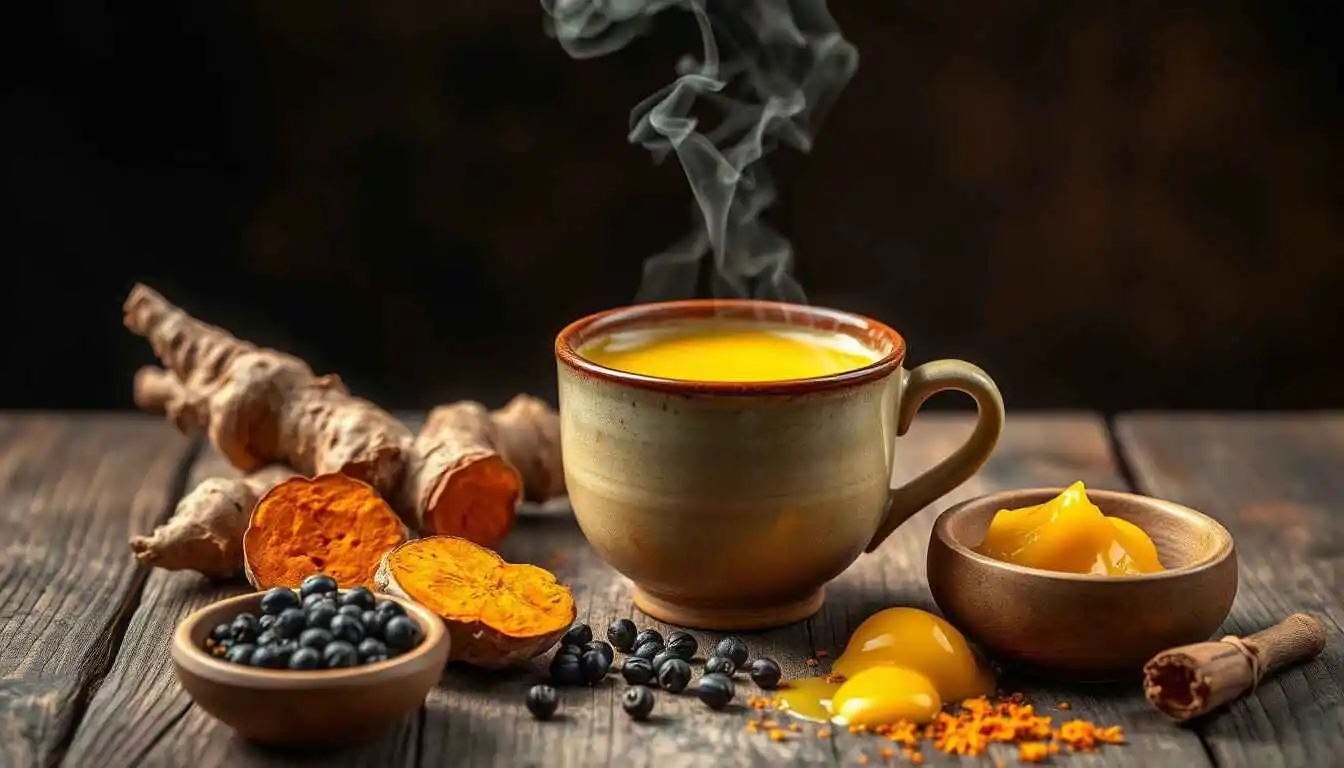
We consume turmeric mindlessly, rarely considering the arduous journey from the earth to our plates. Turmeric cultivation is an art form. The plant requires a warm, wet climate, well-drained soil, and meticulous care.
It is typically planted in the late spring, and the rhizomes grow underground for 7 to 10 months. The above-ground foliage dies back in the winter, signaling that it is time to harvest.
But harvesting is only the beginning. The raw rhizomes are tough, pale, and lacking in flavor. They must undergo an intensive curing process. First, they are boiled for hours, which gelatinizes the starches and deepens the yellow color. Then, they are sun-dried for up to two weeks. During this time, the water content drops from 80% to about 10%, and the essential oils become highly concentrated. Finally, the dried, rock-hard rhizomes are polished (often in rotating drums) and ground into the fine powder we recognize.
Understanding this process makes you appreciate the price of high-quality, organic turmeric. It represents immense human labor and months of natural alchemy.
The Final Verdict: Embracing the Golden Healer
So, is turmeric the overhyped spice or the golden healer? It is undeniably the latter, provided you approach it with respect and intelligence.
Turmeric is not a magic bullet that will erase decades of poor lifestyle choices. You cannot eat a standard Western diet, live a sedentary life, and expect a turmeric pill to save you. But as a foundational pillar of an anti-inflammatory lifestyle, it is unmatched.
By combining turmeric with the ancient wisdom of fat and black pepper, by understanding the difference between a culinary spice and a therapeutic supplement, and by respecting its powerful biological mechanisms, you can unlock the true potential of this 4,000-year-old root.
Incorporate it into your cooking daily. Sip golden milk when your joints ache. Consider a high-quality supplement if you are battling systemic inflammation or cognitive decline. Let the golden healer do what it has done for millennia: gently, powerfully, and naturally extinguish the fire within.
FAQS
1.What exactly is turmeric?
Turmeric is a bright yellow-orange spice derived from the Curcuma longa plant, which is a member of the ginger family. The usable part grows underground as a fleshy rhizome.
- How long has turmeric been used by humans?
Turmeric has been used for nearly 4,000 years, originating in the Vedic culture of India, where it was first used in religious and spiritual rituals before being adopted for culinary and medicinal purposes.
- What is the primary active compound in turmeric?
The primary active compound is curcumin, a polyphenol that is responsible for turmeric’s vibrant yellow color and most of its medicinal properties.
- How much curcumin is actually in turmeric powder?
Curcumin makes up only about 2% to 8% of turmeric powder by weight, meaning the spice itself contains a relatively small amount of the active compound.
- What does “bioavailability” mean in relation to turmeric?
Bioavailability refers to the proportion of a substance that enters your bloodstream and is able to have an active effect. Curcumin naturally has very low bioavailability, meaning your body absorbs very little of it if taken alone.
- Why is curcumin so hard for the body to absorb?
Curcumin is poorly soluble in water, is rapidly metabolized by the liver, and is quickly eliminated through the intestines before it can reach your bloodstream in meaningful amounts.
- How does black pepper help turmeric absorption?
Black pepper contains piperine, an alkaloid that inhibits the liver enzymes responsible for rapidly breaking down curcumin. This allows curcumin to stay in the bloodstream longer.
- How much does black pepper increase curcumin absorption?
Adding 20 mg of piperine to 2 grams of curcumin increases bioavailability by a staggering 2,000%.
- Why should turmeric be consumed with fat?
Curcumin is lipophilic, meaning it dissolves in fat rather than water. Consuming it with a fat source (like ghee, coconut oil, or olive oil) helps it slip through the intestinal wall and into the lymphatic system.
- What are liposomal or micellar curcumin supplements?
These are advanced formulations where curcumin is encapsulated in a tiny fat bubble (liposome) or surrounded by water-soluble molecules (micelle) to disguise it, allowing it to bypass the liver’s metabolism and increase absorption by up to 185 times.
- What are turmerones and do they matter?
Turmerones are essential oils found in whole turmeric root. They have their own anti-inflammatory and neuroprotective properties and may help enhance curcumin absorption, which is why some experts prefer whole-spectrum extracts.
- How does turmeric fight inflammation in the body?
Curcumin inhibits a molecule called NF-kB, which acts as a master switch turning on genes related to inflammation. By blocking NF-kB, curcumin stops the production of inflammatory proteins at the source.
- How does curcumin compare to NSAIDs like ibuprofen?
Curcumin inhibits the same inflammatory enzymes (COX-2 and 5-LOX) as NSAIDs, providing similar pain relief for conditions like arthritis, but without the harsh side effects like gastrointestinal bleeding and kidney damage.
- Can turmeric protect the brain?
Yes. Curcumin can cross the blood-brain barrier to reduce brain inflammation and oxidative stress, which are primary drivers of neurodegeneration.
- What is BDNF and how does turmeric affect it?
Brain-Derived Neurotrophic Factor (BDNF) is a protein that promotes the growth of new neurons and synapses. Curcumin increases brain levels of BDNF, which can help delay brain aging and improve memory.
- How might turmeric help with Alzheimer’s disease?
Curcumin has been shown to bind to amyloid-beta plaques in the brain, helping to break them up and clear them away, which is a key factor in slowing Alzheimer’s progression.
- How does turmeric improve heart health?
Turmeric improves endothelial function (the health of the blood vessel lining) and prevents the oxidation of LDL cholesterol, which stops plaque from building up in the arteries.
- How does curcumin compare to exercise for heart health?
A clinical study showed that taking curcumin improved endothelial function in postmenopausal women just as effectively as regular aerobic exercise.
- Is turmeric good for the gut?
Absolutely. It heals the gut lining by reducing inflammation (helpful for IBD/Colitis), acts as a prebiotic to feed good bacteria, and stimulates the gallbladder to release bile for better fat digestion.
- How does turmeric benefit the skin?
Turmeric protects the skin from free radical damage (anti-aging), fights acne bacteria, reduces inflammation in eczema/psoriasis, and inhibits tyrosinase to help fade dark spots and hyperpigmentation.
- What are the three rules for cooking with turmeric?
Always heat it to activate the curcumin, consume it with a fat source so it can be absorbed, and always pair it with black pepper for the piperine boost.
- What is Golden Milk?
Golden Milk (or Haldi Doodh) is a traditional drink made by heating milk, turmeric, black pepper, a fat source (like coconut oil or ghee), and warming spices like ginger and cinnamon. It is the ultimate bioavailable turmeric delivery system.
- Is fresh turmeric root better than powdered?
Fresh root contains less concentrated curcumin but is rich in essential oils (turmerones) that are lost during the drying process. Both are beneficial, but fresh offers a brighter flavor and unique oils.
- Can turmeric cure cancer?
No. While lab and animal studies show curcumin can induce cancer cell death and inhibit tumor growth, human clinical trials are still early. Turmeric is a powerful preventative and adjunctive therapy, not a replacement for conventional cancer treatment.
- What are the side effects of taking too much turmeric?
In massive doses, it can cause stomach upset, nausea, diarrhea, and acid reflux by stimulating excess gastric acid production.
- Who should avoid taking turmeric supplements?
People on blood thinners, those with gallstones or bile duct obstructions, individuals prone to kidney stones, and those with iron-deficiency anemia should be cautious or avoid high-dose supplements.
- Why is turmeric dangerous for people with gallstones?
Turmeric stimulates the gallbladder to contract and release bile. If gallstones are present, this contraction can cause a stone to become lodged, leading to a medical emergency.
- Why does turmeric affect people with kidney stones?
Turmeric is very high in oxalates, which bind to calcium in the urine to form calcium oxalate kidney stones.
- How does turmeric interact with blood thinners?
Curcumin has mild anticoagulant properties. When combined with prescription blood thinners like Warfarin, it can amplify the effect, increasing the risk of bruising and internal bleeding.
- What should I look for when buying a turmeric supplement?
Look for supplements standardized to 95% curcuminoids, and ensure it contains piperine (black pepper extract) or uses a patented liposomal delivery system (like Meriva, Theracurmin, or Longvida) for proven absorption.
Medical Disclaimer: The information provided on this website is for general educational and informational purposes only and is not intended as a substitute for professional medical advice, diagnosis, or treatment. Always seek the advice of your physician or other qualified health provider with any questions you may have regarding a medical condition. Never disregard professional medical advice or delay in seeking it because of something you have read on this website.

