

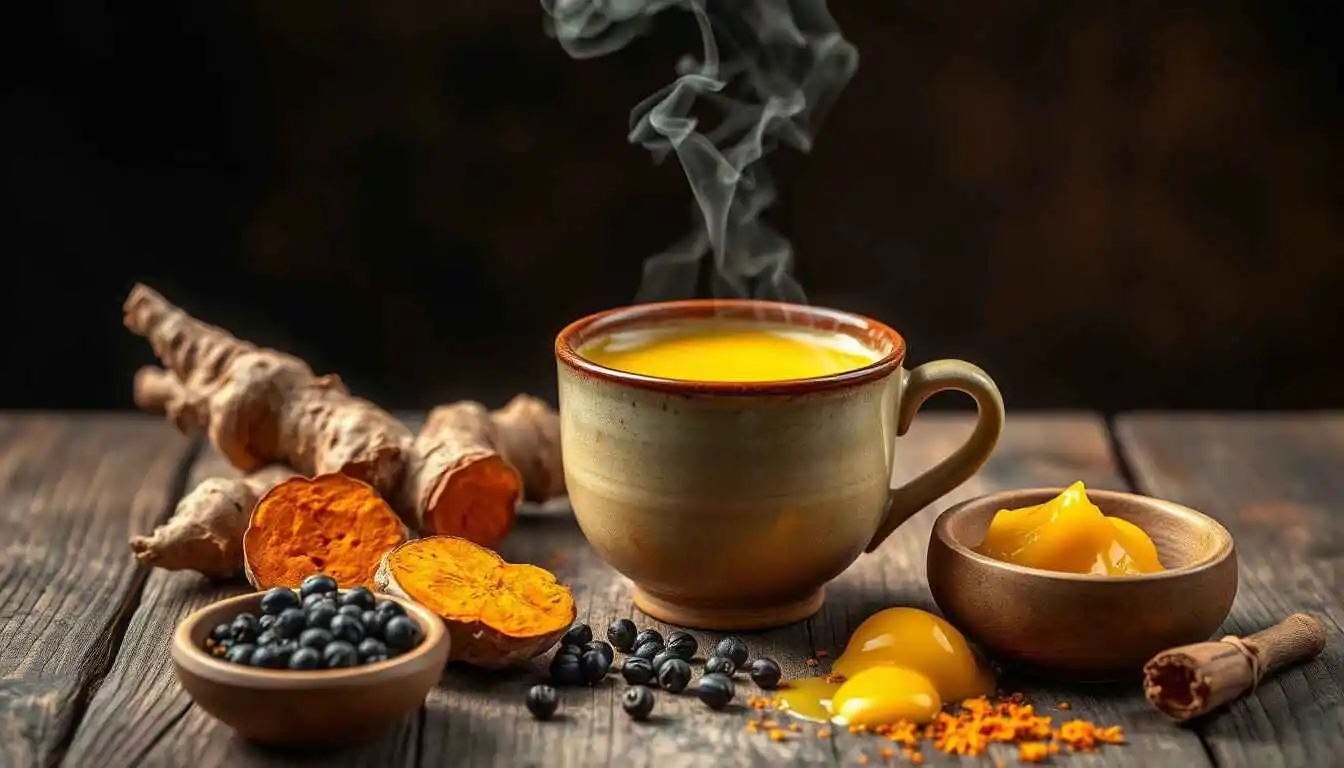
The Golden Healer or Overhyped Spice? The Ultimate Truth About Turmeric
It paints our curries a vibrant sunset orange, leaves an indelible yellow stain on our favorite white shirts, and has been hailed by modern wellness gurus as a cure-all for almost every ailment known to humanity. From golden lattes in trendy Brooklyn cafes to ancient Ayurvedic texts in the foothills of the Himalayas, turmeric is everywhere.
But beneath the neon-yellow hype lies a complex, deeply fascinating botanical reality. Is turmeric truly the panacea the internet makes it out to be? Or is it just a delicious spice riding a wave of pseudo-scientific marketing?
The truth, as it turns out, is far more interesting than either extreme. Turmeric is not a magical wand that will instantly erase your chronic pain, but it is a biological powerhouse with clinically proven mechanisms that can profoundly alter the landscape of your health. To understand turmeric is to understand the very language of human inflammation, the intricacies of cellular aging, and the delicate dance between food and medicine.
Prepare to dig deep into the golden root. We are about to separate the hard science from the hollow hype, exploring 4,000 years of history, the frustrating puzzle of absorption, and the life-changing ways this ancient spice can transform your body from the inside out.
From Sacred Ashes to Modern Shelves: The 4,000-Year Journey of Turmeric
Long before turmeric was dumped into smoothies by health enthusiasts, it was revered as a sacred substance. Curcuma longa, the botanical name for turmeric, is a member of the Zingiberaceae family, making it a close cousin to ginger. Native to the Indian subcontinent and Southeast Asia, the plant thrives in the warm, wet tropics, producing knobby, fleshy rhizomes beneath the soil.
The earliest records of turmeric use date back nearly 4,000 years to the Vedic culture of India. But here is the twist: it wasn’t initially used for cooking. In the Vedic texts, turmeric was a spiritual and religious artifact. It was woven into garments for purity, applied to the skin as uptan for protection and beauty, and used in sacred rituals to ward off evil spirits. The bright yellow color was associated with the sun, representing vitality, fertility, and the divine.
It wasn’t until the ancient system of Ayurveda fully matured that turmeric’s medicinal properties were rigorously documented. Ayurvedic practitioners prescribed it for everything from respiratory issues and digestive distress to skin diseases and joint pain. It was known as Haridra—the “yellow one”—and was considered a spice that could warm the body and balance the three doshas (bodily humors).
Marco Polo encountered turmeric in the 13th century and was mesmerized, describing it in his journals as a vegetable that possessed all the qualities of saffron but was not actually saffron. For centuries, it was a cheaper alternative to the luxurious red saffron, earning it the nickname “Indian saffron.”
It wasn’t until the modern era, when Western scientists began poking at the molecular structure of traditional medicines, that the global obsession with turmeric’s chemistry truly began. Today, India still produces nearly 80% of the world’s turmeric supply, but its reach is undeniably global.
Curcumin Unmasked: The Golden Molecule Behind the Magic
When you look at a spoonful of turmeric powder, you are looking at a complex matrix of hundreds of different compounds. But there is one celebrity molecule that steals the show: Curcumin.
Curcumin is a polyphenol, a type of micronutrient packed with antioxidants. It is the primary curcuminoid in turmeric, making up about 2% to 8% of the spice by weight. (The other two minor curcuminoids are demethoxycurcumin and bisdemethoxycurcumin). Curcumin is the reason turmeric is yellow, and it is the primary driver of the spice’s medicinal fame.
In the 1970s, scientists discovered that curcumin possessed potent anti-inflammatory and antioxidant properties. Since then, over 12,000 peer-reviewed papers have been published on its biological effects. The research is staggering: curcumin has been shown to influence over 700 genes, interact with more than 100 different molecular pathways, and modulate the activity of at least five major signaling molecules in the body.
But here is the paradox that defines the turmeric conversation: Curcumin is notoriously difficult for the human body to absorb.
If you simply swallow a spoonful of straight curcumin powder, your body will metabolize and excrete the vast majority of it before it ever reaches your bloodstream, let alone your inflamed joints or your brain. This low oral bioavailability has been the single greatest hurdle in translating the spectacular lab results of curcumin into spectacular results in human patients.
To understand how to make turmeric work for you, we have to understand how to get it into your cells.
The Bioavailability Bottleneck: Why Your Turmeric Might Be Useless (And How to Fix It)
Bioavailability is the proportion of a substance that enters the circulation when introduced into the body and is able to have an active effect. Curcumin’s bioavailability is shockingly low. It is poorly soluble in water, rapidly metabolized by the liver, and quickly eliminated through the intestines. It’s like trying to fill a leaky bucket.
However, nutritional science has found brilliant workarounds to bypass this bottleneck. If you are taking turmeric without utilizing these hacks, you are quite literally flushing your money down the toilet.
The Black Pepper Hack: Piperine
This is the most famous and crucial bioavailability hack. Black pepper contains an alkaloid called piperine. Piperine is a potent inhibitor of the liver’s detoxification enzymes (specifically UDP-glucuronosyltransferases). These enzymes normally attach glucuronic acid to curcumin, tagging it for rapid excretion. By inhibiting these enzymes, piperine effectively puts the brakes on the liver’s “trash removal” system, allowing curcumin to linger in the bloodstream.
How dramatic is the effect? A landmark clinical study showed that administering 20 mg of piperine alongside 2 grams of curcumin increased the bioavailability of curcumin by a staggering 2,000%. This is why any high-quality turmeric supplement will almost always list piperine or black pepper extract on the label.
The Fat Hack: Liposomal and Micellar Formulations
Curcumin is lipophilic—meaning it dissolves in fat, not water. Because our digestive systems are largely water-based, curcumin struggles to stay in solution long enough to be absorbed.
Consuming turmeric with a fat source (like coconut oil, ghee, or olive oil) helps. But modern science has taken this further by creating liposomal or micellar curcumin. In these formulations, the curcumin molecule is encapsulated inside a tiny lipid bubble (a liposome) or surrounded by water-soluble molecules (a micelle). This disguises the curcumin, allowing it to easily slip through the intestinal wall and into the lymphatic system, bypassing the aggressive first-pass metabolism of the liver. These formulations can increase bioavailability by up to 185 times compared to standard curcumin.
The Turmeric Oil Hack
While curcumin gets all the press, turmeric contains about 3% to 5% essential oils, including compounds like turmerone and ar-turmerone. Research suggests that these oils have their own anti-inflammatory and neuroprotective properties, and they may also enhance the absorption of curcumin. This is why some experts advocate for “whole spectrum” turmeric extracts rather than isolated curcumin—the natural matrix of the root might support absorption in ways we don’t fully understand yet.
Quenching the Silent Fire: Turmeric’s War on Inflammation
If there is one area where turmeric shines brightest, it is in the management of inflammation. To understand why turmeric is so effective, we must first understand what inflammation actually is.
Inflammation is not inherently evil. Acute inflammation is your body’s emergency response system. When you cut your finger or sprain an ankle, your immune system rushes white blood cells and cytokines to the area, causing redness, heat, and swelling. It heals you.
The problem arises when inflammation becomes chronic—low-grade, systemic, and perpetual. This “silent fire” is driven by lifestyle factors (stress, poor diet, lack of sleep) and environmental toxins. Chronic inflammation is the root driver of almost every major modern disease, including heart disease, cancer, metabolic syndrome, Alzheimer’s, and autoimmune disorders.
Enter Curcumin.
Curcumin is a master at putting out this silent fire. It operates on a multi-targeted level, which is why it is often compared to pharmaceutical drugs, but without the harsh side effects.
At the molecular level, curcumin inhibits a molecule called NF-kB (Nuclear Factor kappa-light-chain-enhancer of activated B cells). Think of NF-kB as the master switch that turns on genes related to inflammation. When NF-kB is activated, it travels into the nucleus of your cells and triggers the production of inflammatory proteins (cytokines like TNF-alpha and IL-6). Curcumin physically blocks NF-kB from entering the nucleus, effectively cutting off the inflammatory cascade at the source.
Furthermore, curcumin inhibits the enzymes COX-2 and 5-LOX. These are the exact same enzymes targeted by non-steroidal anti-inflammatory drugs (NSAIDs) like ibuprofen and Celebrex. While NSAIDs can cause gastrointestinal bleeding and kidney damage with long-term use, curcumin achieves a similar suppression of inflammatory enzymes while actually protecting the gut lining.
In clinical trials for rheumatoid arthritis and osteoarthritis, curcumin has repeatedly shown equivalent or superior pain-relieving effects compared to ibuprofen and diclofenac, with significantly fewer adverse gastrointestinal events. The fire isn’t just masked; it is quenched.
Fueling the Brain: How Turmeric Protects Your Most Vital Organ
For a long time, the brain was thought to be an isolated organ, shielded from the immune system by the blood-brain barrier. We now know this is false. The brain has its own immune system, and brain inflammation is a primary driver of neurodegeneration.
One of the most exciting frontiers in turmeric research is its neuroprotective capabilities. Curcumin’s ability to cross the blood-brain barrier allows it to exert direct anti-inflammatory and antioxidant effects on brain tissue. But the benefits go much deeper than just reducing swelling.
Boosting BDNF
Brain-Derived Neurotrophic Factor (BDNF) is a protein that acts like fertilizer for your brain. It promotes the survival of existing neurons and encourages the growth of new synapses and neurons (a process called neurogenesis). Low levels of BDNF are heavily linked to depression, Alzheimer’s disease, and age-related cognitive decline.
Incredibly, curcumin has been shown to increase brain levels of BDNF. By boosting this vital growth factor, curcumin may effectively delay or even reverse brain diseases, while improving memory and attention in healthy individuals.
Clearing Amyloid Plaques
Alzheimer’s disease is characterized by the accumulation of amyloid-beta plaques in the brain. Studies in lab models have demonstrated that curcumin can bind to these amyloid plaques, helping to break them up and clear them away. Because curcumin is both lipophilic and highly antioxidant, it is uniquely suited to penetrate the fatty tissues of the brain and neutralize the oxidative stress that accelerates dementia.
Epidemiological data supports this: elderly populations in rural India, where turmeric consumption is highest in the world, have the lowest incidence of Alzheimer’s disease globally—roughly a quarter of that in the United States. While diet is complex and correlation is not causation, the curcumin connection is impossible to ignore.
A Heart of Gold: Cardiovascular Benefits of the Ancient Root
Heart disease remains the number one killer globally. While we often think of cholesterol as the primary villain, the real underlying cause of heart attacks and strokes is endothelial dysfunction and arterial inflammation.
The endothelium is the thin membrane that lines the inside of the heart and blood vessels. When the endothelium is damaged by oxidative stress or high blood pressure, it becomes inflamed and sticky, attracting plaque deposits.
Curcumin improves endothelial function. In fact, research indicates that curcumin’s ability to boost endothelial function is comparable to that of aerobic exercise. A famous 2012 study followed 32 postmenopausal women, dividing them into groups: one took a curcumin supplement, one engaged in regular aerobic exercise, and one was a control. After eight weeks, both the curcumin group and the exercise group showed identical, significant improvements in endothelial function compared to the control group.
Additionally, curcumin reduces the oxidation of LDL cholesterol. It is not LDL itself that is dangerous, but oxidized LDL that penetrates the arterial wall and triggers plaque buildup. By acting as a potent antioxidant, curcumin shields LDL from oxidizing, thereby reducing the progression of atherosclerosis.
Gut Feelings: Healing the Microbiome with Golden Spice
The gut is the gateway to health, and turmeric has a unique relationship with our digestive tract. Historically, Ayurveda prescribed turmeric for digestive distress, and modern science is finally catching up to explain why.
First, curcumin is a powerful ally against inflammatory bowel diseases (IBD) like Crohn’s disease and ulcerative colitis. By dampening the NF-kB inflammatory pathway in the gut lining, curcumin helps heal the intestinal walls, reducing the frequency of flare-ups. Multiple clinical trials have shown that adding curcumin to standard medical therapy significantly increases remission rates in ulcerative colitis patients.
But there’s more to the gut story than just the intestinal lining. We are home to trillions of bacteria—our microbiome. Curcumin acts as a prebiotic, meaning it provides food for beneficial bacteria. Studies show that curcumin supplementation can increase the abundance of Bifidobacteria and Lactobacilli (the good guys), while decreasing the populations of harmful pathogens.
Finally, turmeric stimulates the gallbladder to release bile. Bile is essential for the proper digestion and absorption of dietary fats. This is why traditional Indian cooking pairs fatty foods and heavy meats with turmeric—it helps the body break down and assimilate the meal efficiently.
The Radiance Factor: Turmeric’s Secret to Glowing Skin
The beauty industry has caught onto turmeric in a massive way, featuring it in face masks, serums, and moisturizers. But this isn’t just a marketing gimmick; it’s an echo of ancient bridal traditions in South Asia, where the haldi ceremony involves covering the bride and groom in a turmeric paste to bless them with glowing, blemish-free skin.
Curcumin’s benefits for the skin are multi-faceted:
- Anti-Aging via Antioxidation: The skin is under constant assault from UV radiation and environmental pollutants, which generate free radicals that break down collagen and elastin. Curcumin is a potent scavenger of these free radicals, protecting the skin’s structural integrity and preventing premature wrinkling.
- Acne Intervention: Acne is driven by Cutibacterium acnes bacteria and local inflammation. Curcumin’s antibacterial properties help keep the bacteria in check, while its anti-inflammatory action reduces the red, swollen nature of breakouts.
- Hyperpigmentation and Scarring: Curcumin inhibits tyrosinase, the enzyme responsible for melanin production. Regular application (and consumption) can help fade dark spots, sun damage, and post-inflammatory hyperpigmentation, leading to a more even skin tone.
- Psoriasis and Eczema: Because these are inflammatory skin conditions, applying or ingesting turmeric can help calm the immune overreaction driving the flare-ups.
However, there is a catch. Topical application of raw turmeric can temporarily stain the skin a faint yellow, and if you have a very fair complexion, this might be undesirable. Formulated products that use purified extracts rather than raw powder mitigate this issue while delivering the active compounds directly to the dermis.
Beyond the Curry Powder: Culinary Alchemy for the Modern Kitchen
If you want to experience the benefits of turmeric without swallowing pills, you must learn how to cook with it properly. The problem is that most Westerners misuse it, dumping a teaspoon of bright yellow powder into a smoothie and calling it a day.
To unlock the culinary and medicinal magic of turmeric, you must embrace the concept of culinary synergy—cooking it the way generations of Asians have.
Rule 1: Heat It
Heat activates the curcumin, making it more bioavailable. Sauteing turmeric in a pan with your aromatics is vastly superior to sprinkling raw powder over cold food.
Rule 2: Fat is Your Friend
Because curcumin is fat-soluble, it must be consumed with a fat source. In Indian cooking, turmeric is almost always bloomed in ghee, coconut oil, or mustard oil. This dissolves the curcumin into the fat, ensuring it is primed for absorption once it hits your intestines.
Rule 3: Always Pair with Black Pepper
Never cook with turmeric without adding freshly cracked black pepper. Even in a simple soup or a quick stir-fry, a pinch of black pepper ensures that piperine is present to protect the curcumin from your liver’s rapid metabolism.
The Ultimate Delivery System: Golden Milk
If there is one recipe you take away from this article, let it be traditional Golden Milk (Haldi Doodh).
- Gently heat a cup of milk (dairy, almond, or oat) in a saucepan.
- Add half a teaspoon of turmeric powder.
- Add a pinch of black pepper.
- Add a teaspoon of coconut oil or ghee.
- Add a pinch of ginger and cinnamon for flavor.
- Simmer for 5 minutes.
This warm, comforting elixir delivers turmeric with fat, heat, and piperine—the ultimate bioavailability trifecta.
Fresh vs. Powdered
Don’t ignore fresh turmeric root! It looks like a smaller, bright orange ginger root. While it contains less curcumin by weight than the concentrated dried powder, it is packed with the essential oils and turmerones that are lost during the drying process. Grate fresh turmeric into teas, juices, and marinades for a brighter, more floral flavor profile.
Debunking the Myths: Turmeric is Not a Magic Wand
As much as we have extolled the virtues of the golden spice, it is time for a reality check. The internet is rife with exaggerated claims, and turmeric is not the savior of all human suffering.
Myth 1: Turmeric Cures Cancer While in-vitro (petri dish) studies and animal models show that curcumin can induce apoptosis (cell death) in cancer cells and inhibit tumor angiogenesis (blood vessel growth), human clinical trials are still in their infancy. Curcumin is an incredible adjunctive therapy and a powerful preventative measure, but it is NOT a replacement for conventional cancer treatments. Do not forgo chemotherapy or radiation in favor of turmeric tea.
Myth 2: A Little Spice is Enough Eating a pinch of turmeric in your daily curry is fantastic for baseline health, but it will not reverse severe osteoarthritis or major depressive disorder. The therapeutic doses used in successful clinical trials often range from 500mg to 2,000mg of curcumin per day—which would require eating spoonfuls of the spice, which would likely cause stomach upset. For significant therapeutic outcomes, high-quality supplementation is usually required.
Myth 3: All Turmeric Supplements are Equal The supplement industry is the wild west. Many brands sell “turmeric extract” that contains almost no active curcuminoids. You must look for supplements that are standardized to contain 95% curcuminoids and explicitly state the inclusion of piperine or a liposomal delivery system.
The Dark Side of the Root: Side Effects, Interactions, and When to Avoid It
Natural does not mean harmless. Turmeric is biologically active, and anything that alters your biology has the potential to cause harm if misused.
Gastrointestinal Distress
In massive doses, turmeric can cause the very stomach upset it is known to prevent. High concentrations of curcumin can stimulate the stomach to produce excess gastric acid, leading to nausea, diarrhea, and acid reflux.
The Blood Thinner Effect
Curcumin has mild anticoagulant properties. It slows down blood clotting. If you are taking prescription blood thinners like Warfarin, Plavix, or daily aspirin, adding high-dose turmeric can amplify the effect, increasing your risk of bruising and internal bleeding. It should also be avoided for at least two weeks before any scheduled surgery.
Gallbladder Contraindications
Because turmeric stimulates the gallbladder to contract and release bile, it is dangerous for people with gallstones or bile duct obstructions. The contraction can cause a stone to become lodged, leading to a medical emergency.
Iron Absorption
High doses of curcumin can chelate (bind to) iron in the digestive tract, inhibiting its absorption. If you are anemic or iron-deficient, you should be cautious about taking concentrated curcumin supplements with iron-rich meals, and you may want to monitor your ferritin levels.
Kidney Stones
Turmeric is extremely high in oxalates. Oxalates bind to calcium in the urine, forming calcium oxalate kidney stones. For the average person, this isn’t an issue. But for those with a history of kidney stones or hyperoxaluria, heavy turmeric consumption can significantly increase the risk of recurrence.
Navigating the Supplement Aisle: How to Buy Turmeric That Actually Works
If you’ve decided that your health goals require a therapeutic dose of turmeric, walking into a supplement store can be overwhelming. Here is your definitive buyer’s guide:
- Look for Standardization: The label must say “Standardized to 95% Curcuminoids.” If it just says “Turmeric Root Powder,” you are buying expensive kitchen spice in a pill.
- Check for Piperine/Black Pepper Extract: Unless the product uses a patented liposomal delivery system (like Meriva, Theracurmin, or Longvida), it MUST contain piperine. If it doesn’t, don’t buy it.
- Patented Forms: If you have a sensitive stomach or want the absolute best absorption, look for brands using branded, clinically studied forms:
- Meriva: Curcumin bound to soy phosphatidylcholine (a fat). Great for joint pain and gut-friendly.
- Theracurmin: Colloidal nanoparticles that disperse in water. Incredible bioavailability.
- Longvida: Solid lipid curcumin particles specifically designed to cross the blood-brain barrier for cognitive benefits.
- Beware of Fillers: Some unethical manufacturers add synthetic dyes to make the powder look more yellow, or add cheap fillers like wheat and rice flour. Look for brands that are third-party tested for purity and free of heavy metals (lead contamination in spices is a real issue).
Cultivation and Harvesting: The Hands Behind the Gold
https://youtu.be/kvioAxIkZgs

