

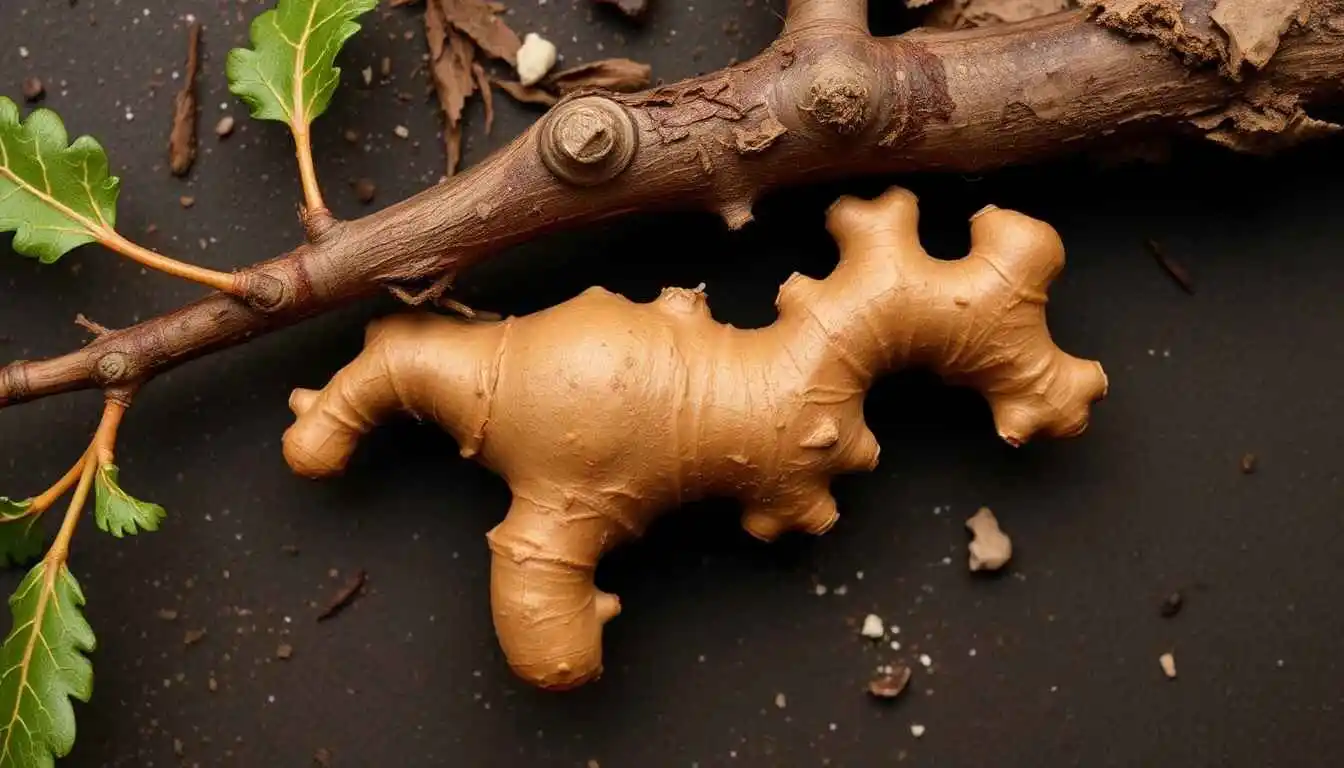
The Golden Spice: Unveiling the Mind-Blowing Powers of Ginger — Your Ultimate Guide to Nature’s Most Potent Healer
Have you ever felt that sudden, sharp sting of pain from a stubbed toe, the nauseating roll of a rocky boat, or the persistent, dull ache of an aging joint? What if the cure wasn’t sitting in a sterile pharmaceutical bottle, but instead hidden in the knobby, earthy rhizome sitting quietly in your kitchen cabinet?
Welcome to the extraordinary world of ginger—a spice so ancient, so fiercely potent, and so versatile that it has been worshipped by healers, fought over by emperors, and relied upon by grandmothers for millennia. This isn’t just a flavor enhancer for your stir-fry or a decorative knot on your sushi plate. Ginger root is a biological powerhouse, a master key that unlocks the body’s natural ability to heal, soothe, and rejuvenate.
In this deep-dive, 4,000-word exploration, we are going to strip away the mundane and reveal the absolute magic of ginger. From its fiery chemistry to its profound impact on your gut, your brain, and your skin, prepare to have your mind blown by the golden spice. Whether you’re a culinary enthusiast, a natural health junkie, or someone simply looking for relief from modern ailments, this is the only guide to ginger you will ever need.
Chapter 1: The Ancient Quest — How a Humble Root Conquered the World
Before ginger was a supermarket staple, it was a legend. Originating in the lush, tropical rainforests of Southeast Asia, Zingiber officinale has been captivating humanity for over 5,000 years. The very name “ginger” is derived from the Sanskrit word srngaveram, which translates to “horn root”—a poetic and accurate description of its gnarled, antler-like appearance.
But ginger wasn’t just a local delicacy. It was one of the first spices to travel the ancient Spice Routes, becoming a currency of empires. The ancient Indians and Chinese used it extensively in Ayurvedic medicine and Traditional Chinese Medicine (TCM), believing its “warming” properties could cure colds, soothe upset stomachs, and invigorate the body’s life force, or Qi.
When the Arab traders brought ginger to the Middle East and eventually to the Mediterranean, it became a sensation. The Greeks used it to counteract poisons, while the Romans prized it for its medicinal and culinary virtues. By the Middle Ages, ginger was so valuable in England that one pound of it was equivalent to the cost of a live sheep! Queen Elizabeth I of England is famously credited with inventing the gingerbread man, turning a medicinal spice into a beloved treat.
Today, ginger is cultivated globally, from Jamaica to Nigeria to India, but its essence remains unchanged. It is still the great equalizer—a root that connects modern science to ancient wisdom.
Chapter 2: The Fiery Chemistry — What Makes Ginger So Powerful?
What gives ginger its unmistakable bite? Why does it burn the back of your throat and warm your belly? The answer lies in its mesmerizing chemical profile.
Modern science has isolated over 100 active compounds in ginger, but the undisputed heavyweight champion is gingerol. This is the bioactive substance responsible for ginger’s pungent flavor and much of its medicinal prowess.
Think of gingerol as the command center of the ginger root. When you consume fresh ginger, gingerol goes to work immediately, acting as a potent antioxidant and an anti-inflammatory agent. But the magic doesn’t stop there. When you cook or dry ginger, a chemical transformation occurs: gingerol converts into shogaol and zingerone.
- Shogaol, found predominantly in dried ginger, is even more potent than gingerol in its anti-inflammatory properties and anti-coughing effects.
- Zingerone, formed when ginger is cooked, gives ginger its spicy-sweet aroma and is remarkably effective at soothing the gastrointestinal tract and neutralizing free radicals.
Together, this trinity of compounds—gingerol, shogaol, and zingerone—creates a synergistic effect that makes ginger one of the most dynamic natural medicines on the planet. It’s not just a single bullet; it’s an entire arsenal.
Chapter 3: The Gut Guardian — Ginger for Digestion and Beyond
If there is one area where ginger reigns supreme, it is the gastrointestinal tract. From the top of your esophagus to the bottom of your colon, ginger is the ultimate guardian of your gut.
The Nausea Neutralizer
For centuries, pregnant women, sailors, and chemotherapy patients have relied on ginger for digestion and nausea. But does it really work? Science says yes, resoundingly. Ginger acts as a carminative—a substance that helps eliminate intestinal gas and soothe the intestinal tract. It accelerates gastric emptying, meaning it helps food move from your stomach into your small intestine faster. If you suffer from indigestion, bloating, or that heavy, sluggish feeling after a meal, a cup of ginger tea can work in as little as 15 minutes.
Conquering Motion Sickness
Why do you get nauseous on a boat or in the backseat of a car? It’s a sensory conflict between what your eyes see and what your inner ear feels. Ginger works by interfering with the neurotransmitter signals (like serotonin and acetylcholine) that tell your brain to trigger the vomit reflex. Unlike over-the-counter motion sickness drugs that leave you drowsy, ginger keeps you alert while settling your stomach.
Morning Sickness Hero
For expecting mothers dealing with the relentless waves of morning sickness, ginger is a godsend. Extensive clinical trials have shown that 1 to 1.5 grams of ginger daily can significantly reduce the severity of nausea during pregnancy. It’s a gentle, safe, and effective way to reclaim your day without harming the baby.
Chapter 4: The Pain Predator — Erasing Inflammation and Joint Agony
Inflammation is the body’s natural response to injury, but when it becomes chronic, it is the root cause of almost every modern disease—from arthritis to heart disease to Alzheimer’s. Enter ginger, the pain predator.
Osteoarthritis and Rheumatoid Arthritis
Arthritis is a debilitating condition characterized by joint degeneration and severe inflammation. Numerous studies have compared the efficacy of ginger extract to conventional NSAIDs (like ibuprofen). The results are staggering. In patients with osteoarthritis of the knee, taking ginger extract daily significantly reduced pain and stiffness, and improved joint mobility.
The secret? Ginger inhibits the production of prostaglandins and leukotrienes—chemicals in the body that promote inflammation. It essentially blocks the pain pathways at a molecular level, offering relief without the gastric ulcers or kidney damage associated with long-term painkiller use.
Muscle Pain and Recovery
You don’t have to have arthritis to benefit. If you’ve ever pushed yourself at the gym and woken up with Delayed Onset Muscle Soreness (DOMS), ginger is your new best friend. Consuming 2 grams of ginger daily has been shown to reduce muscle pain by up to 25% after exercise. It doesn’t work like an instant painkiller; rather, it gradually reduces the day-to-day progression of muscle pain, making it an essential supplement for athletes.
Chapter 5: The Immune Shield — Fending Off Colds, Flu, and Infections
When the chill of winter sets in and the flu viruses begin to circulate, ginger should be your first line of defense. Its antimicrobial, antiviral, and antibacterial properties make it an impenetrable shield for your immune system.
The Warming Effect
In TCM and Ayurvedic medicine, ginger is revered for its ability to “sweat out” a cold. When you drink hot ginger tea, you trigger a diaphoretic effect—you literally sweat. This isn’t just a folk remedy; sweating is your body’s natural way of releasing toxins and regulating body temperature during a fever. The warmth also helps break up congested airways and loosens mucus in the lungs.
Fighting Respiratory Infections
Gingerol has been shown to inhibit the growth of oral bacteria linked to gingivitis and periodontitis. More impressively, research indicates that ginger extracts can inhibit the replication of certain respiratory viruses. If you feel a tickle in your throat, a raw ginger and honey tonic can act as an antiviral bomb, nipping the infection in the bud before it takes hold.
Chapter 6: The Heart’s Best Friend — Cardiovascular Health and Blood Sugar
Your heart beats 100,000 times a day. Doesn’t it deserve a little help from a golden root?
Lowering Blood Sugar
Type 2 diabetes is a modern epidemic, but ginger offers a glimmer of hope. In a landmark 2015 study of 41 patients with type 2 diabetes, taking 2 grams of ginger powder per day lowered fasting blood sugar by 12%. It also dramatically improved HbA1c (a marker for long-term blood sugar levels) and reduced Apolipoprotein B/ApoA-I ratio (a major risk factor for heart disease). Ginger essentially acts as an insulin sensitizer, helping your cells absorb glucose more efficiently.
Improving Lipid Profiles and Circulation
High cholesterol and triglycerides are silent killers, leading to plaque buildup in the arteries. Ginger has been shown to lower LDL (bad) cholesterol and triglycerides while leaving HDL (good) cholesterol untouched. Furthermore, ginger contains salicylates, the same chemical foundation found in aspirin. This means ginger acts as a mild blood thinner, preventing platelets from clumping together and forming dangerous blood clots. If you suffer from cold hands and feet due to poor circulation, ginger can stimulate blood flow, warming your extremities from the inside out.
Chapter 7: The Brain Booster — Protecting Your Cognitive Command Center
Could the spice in your kitchen protect the brain in your skull? Cutting-edge neurobiology says yes.
Chronic inflammation and oxidative stress are two of the primary drivers of cognitive decline and neurodegenerative diseases like Alzheimer’s and Parkinson’s. Because ginger is loaded with antioxidants and anti-inflammatory properties, it acts as a neuroprotective agent.
In animal studies, ginger extract has been shown to protect against age-related decline in brain function. It does this by inhibiting the production of pro-inflammatory cytokines in the brain. Furthermore, some studies suggest that ginger can enhance working memory and attention span in middle-aged women. By neutralizing free radicals before they can damage brain cells, ginger isn’t just preserving your past; it’s protecting your future.
Chapter 8: The Beauty Alchemist — Ginger for Skin, Hair, and Aging
Move over, expensive serums. The ultimate beauty elixir is hiding in your spice rack. Ginger is an absolute powerhouse for dermatology and cosmetology.
Radiant, Glowing Skin
The antioxidants in ginger fight the free radicals caused by UV rays and pollution, which are the primary culprits behind premature aging, fine lines, and hyperpigmentation. Applying ginger essential oil (diluted in a carrier oil) topically can increase blood circulation to the skin, bringing a rush of nutrients and oxygen that results in an immediate, youthful glow.
Fighting Acne and Scarring
Ginger possesses powerful antiseptic and antibacterial properties. It kills the Propionibacterium acnes bacteria responsible for breakouts. Furthermore, gingerol accelerates the healing process of scars and blemishes. A simple mask of grated ginger, honey, and lemon can transform acne-prone skin in a matter of weeks.
Hair Growth Stimulation
If you are struggling with thinning hair, ginger might be the solution. The active compounds in ginger improve scalp circulation, ensuring that hair follicles receive the vital nutrients they need to grow strong and thick. It also has natural antifungal properties that combat dandruff and soothe itchy scalps. Massaging ginger juice into your scalp can awaken dormant hair follicles and promote rapid growth.
Chapter 9: The Culinary Chameleon — Mastering Ginger in the Kitchen
Beyond its medicinal miracles, ginger is an indispensable culinary tool. Its ability to bridge the gap between sweet, savory, spicy, and floral makes it unique among spices. Here is how to master ginger recipes and elevate your cooking.
The Golden Rule of Ginger Forms
- Fresh Ginger: Bright, juicy, and intensely fragrant. Best for marinades, teas, stir-fries, and soups. The flavor is sharp and citrusy.
- Ground Ginger: Warm, spicy, and slightly sweet. Best for baking (gingerbread, cookies, cakes) and dry spice rubs.
- Crystallized/Candied Ginger: Chewy, sweet, and fiery. Best for snacking, chopping into baked goods, or garnishing desserts.
- Pickled Ginger (Gari): Tangy, sweet, and pink. Used as a palate cleanser between sushi bites, but also fantastic on rice bowls or salads.
- Galangal: Ginger’s cousin, popular in Thai cuisine. It is harder, more pine-like, and less juicy than regular ginger.
Savor the Flavor: Savory Ginger Recipes
- The Ultimate Ginger-Garlic Paste: Blend equal parts fresh ginger and garlic with a little oil and water. This is the flavor foundation for almost all Indian and Asian curries.
- Ginger-Soy Glazed Salmon: Marinate salmon fillets in soy sauce, freshly grated ginger, a touch of honey, and sesame oil. The ginger cuts through the richness of the fish perfectly.
- Carrot-Ginger Soup: Sauté onions, carrots, and a massive thumb of grated ginger. Blend with vegetable broth and coconut milk for a velvety, warming soup.
Sweet Surrender: Dessert Ginger Recipes
- Spiced Ginger Smoothie: Blend banana, mango, almond milk, a 1-inch knob of fresh ginger, and a pinch of turmeric for an anti-inflammatory breakfast.
- Classic Gingerbread: Use a heavy hand with ground ginger and a touch of black pepper to make a gingerbread that bites back.
Chapter 10: The Healer’s Brew — The Art of Making Ginger Tea
There is perhaps no simpler, more profound way to consume ginger than in a hot, steaming cup of tea. Ginger tea is a daily ritual that can alter the trajectory of your health. But there is an art to brewing it.
The Perfect Cup
- Choose the Root: Select a root that is firm, smooth, and heavy for its size. Avoid roots with wrinkled skin or mold spots.
- Prep: You don’t need to peel ginger if it’s organic! Just wash it well. The skin actually holds concentrated nutrients. Slice it thinly—slicing exposes more surface area than grating, resulting in a cleaner, less pulpy tea.
- The Boil: Add 4 to 6 slices to 2 cups of water. Do not just steep it in hot water. Ginger needs to be actively boiled for at least 10 minutes to extract the shogaols and gingerols from the tough cellular walls.
- Enhance: Squeeze fresh lemon juice (for Vitamin C and alkalinity) and add raw honey (for its prebiotic and antibacterial properties) after the tea has cooled slightly, so you don’t destroy the honey’s enzymes.
Variations
- Turmeric-Ginger Tea: Add a teaspoon of ground turmeric and a pinch of black pepper. The piperine in the pepper increases the absorption of curcumin by 2,000%.
- Ginger-Peppermint Tea: Add fresh peppermint leaves after boiling. The menthol pairs perfectly with gingerol for a refreshing, digestive tonic.
Chapter 11: The Distilled Magic — Ginger Essential Oil
While fresh ginger is phenomenal, ginger essential oil is the concentrated essence of the root. Extracted via steam distillation, the oil captures the most volatile and potent compounds of the plant.
Aromatherapy for the Soul
Inhaling ginger essential oil can instantly ground and energize. It is known to reduce feelings of anxiety, exhaustion, and emotional burnout. Diffuse it in your workspace to improve focus and dispel mental fog.
Topical Use for Physical Pain
Because it is highly concentrated, ginger essential oil should never be applied “neat” (directly on the skin). Dilute 2-3 drops in a tablespoon of a carrier oil like jojoba, coconut, or sweet almond oil. Massage this blend into arthritic joints, a sore lower back, or a cramped stomach. The oil penetrates the dermal layers, delivering anti-inflammatory compounds directly to the site of the pain. It is a must-have in any natural first-aid kit.
Chapter 12: The Green Thumb’s Guide — Growing Ginger at Home
You don’t need a tropical rainforest to grow this exotic spice. Growing ginger is surprisingly easy and immensely rewarding. Plus, it makes a gorgeous, lush houseplant!
Step-by-Step Guide
- Source Your Seed: Buy a plump, organic ginger root from the grocery store or a local market. Conventional ginger is often treated with a growth inhibitor, so organic is crucial.
- Wake It Up: Soak the root in water overnight to hydrate it and wash off any residue.
- Pre-Sprout: Place the root in a warm, humid spot (like on top of the fridge in a ziplock bag with a damp paper towel). Wait for “eyes” or small green buds to appear, much like a potato.
- Plant: Choose a wide, shallow pot (ginger roots grow horizontally). Fill it with rich, well-draining potting soil mixed with compost. Plant the root with the eyes facing upward, burying it just 1-2 inches deep.
- Care: Ginger loves dappled sunlight, warmth, and consistent moisture. Never let the soil dry out completely, but do not let it sit in a puddle of water, or the root will rot.
- Harvest: Wait 8 to 10 months. When the stalks begin to yellow and die back, it’s time to harvest! Gently dig up the root. You can break off pieces to eat and replant the rest for an endless supply.

