

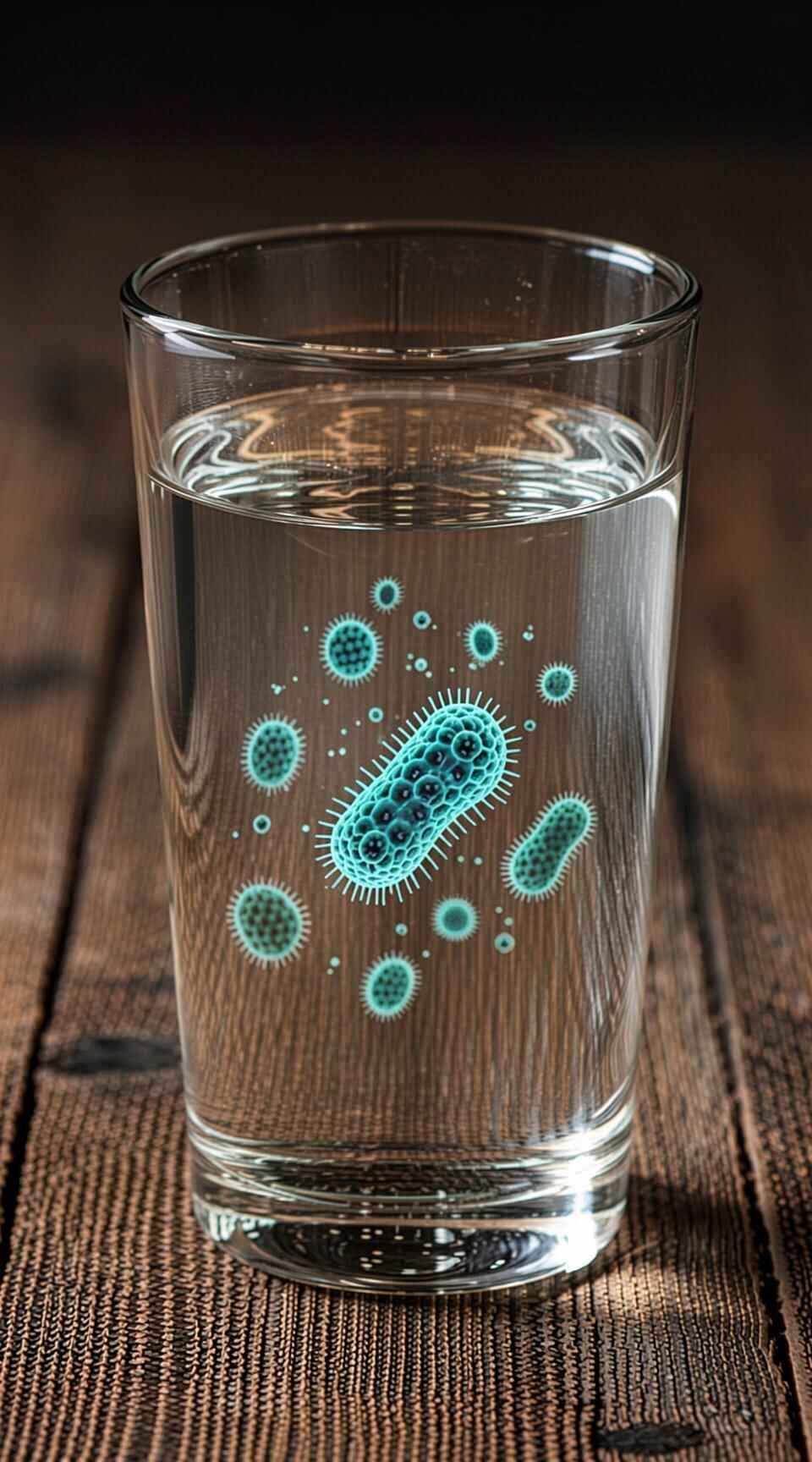
In the age of information, misinformation spreads easily. Addressing myths is vital for public health.
- Myth: “Clear water is safe water.” Fact: Water can be crystal clear yet contain thousands of microscopic pathogens. Color, taste, and smell are not reliable indicators of safety. Only chemical or microbiological testing can confirm safety.
- Myth: “Mountain spring water is always safe.” Fact: While often romanticized, groundwater can be contaminated by surface runoff, dead animals, or underground mineral deposits. Spring water should be treated just like any other untreated source.
- Myth: “Ice cubes in restaurants are safe.” Fact: In many regions, ice is made from tap water. If you cannot drink the water in a country, do not have ice in your drinks, as the pathogens survive freezing.
- Myth: “Waterborne diseases only happen in poor countries.” Fact: While the mortality rate is higher in developing nations, outbreaks happen everywhere. The Walkerton tragedy in Canada and the Flint water crisis in the USA are prime examples of how infrastructure failure and negligence can lead to serious waterborne outbreaks in wealthy nations.
Conclusion: A Call to Action
Waterborne diseases represent one of the most solvable challenges in modern public health. We possess the knowledge, the technology, and the medical treatments to prevent the vast majority of these deaths. The barrier is not science; it is infrastructure, funding, education, and political will.
We cannot wait for the “perfect” solution. Every step taken—every well dug, every filter installed, every vaccine administered, every child taught to wash their hands—is a victory against the silent pandemic. The responsibility is shared.
On an individual level, we must be vigilant about our own water safety and hygiene habits, understanding that our actions impact the health of our community. We must advocate for the protection of our local waterways and support policies that prioritize clean water infrastructure.
On a global level, the international community must treat water access as a fundamental human right, not a privilege. Investment in water and sanitation is not charity; it is an investment in global stability, economic prosperity, and the future of humanity.
The next time you turn on the tap and fill a glass, take a moment to reflect on the journey that water took to reach you. Behind that clear liquid lies a complex network of engineering, environmental stewardship, and safety standards. Let us work to ensure that every person on Earth can drink with the same confidence—free from the fear of the invisible killers lurking in the water. The glass is half full, but we must fill it to the brim for everyone.
FAQS
1.What are waterborne diseases?
Waterborne diseases are illnesses caused by microscopic organisms, such as bacteria, viruses, and parasites, that are ingested through contaminated water or contact with fecal matter.
2.How is water contaminated with pathogens?
Water is primarily contaminated through the “fecal-oral route,” where sewage from infected humans or animals enters water sources due to poor sanitation, agricultural runoff, or flooding.
3.Can you get a waterborne disease from swimming?
Yes, recreational water illnesses (RWIs) are common. Lakes, rivers, and swimming pools can harbor pathogens like E. coli and Norovirus, which can be swallowed or enter through open wounds.
4.Is clear water always safe to drink?
No. Water can look crystal clear yet contain thousands of microscopic pathogens. Color, taste, and smell are not reliable indicators of water safety.
5.What is the “Fecal-Oral Route” of transmission?
This is the primary pathway for waterborne diseases where fecal particles from an infected person are ingested by another person, usually via contaminated water or food.
Specific Diseases
6.What causes Cholera?
Cholera is caused by the bacterium Vibrio cholerae, which produces a toxin in the small intestine leading to severe, watery diarrhea and rapid dehydration.
7.Why is Typhoid Fever called a “slow killer”?
Unlike Cholera’s sudden onset, Typhoid Fever (caused by Salmonella Typhi) enters the bloodstream and causes prolonged fever, weakness, and organ damage over a longer period.
- What is a “carrier” in the context of Typhoid?
A carrier is a person who harbors the Typhoid bacteria (like “Typhoid Mary”) without showing symptoms but can still spread the disease to others through poor hygiene or food handling.
- What is the difference between Bacillary and Amoebic Dysentery?
Bacillary Dysentery is caused by bacteria (Shigella) and is highly contagious, while Amoebic Dysentery is caused by a parasite (Entamoeba histolytica) and tends to be more chronic.
- How does Hepatitis A differ from other waterborne diseases?
Unlike most waterborne diseases that attack the gut, Hepatitis A specifically targets the liver, causing jaundice (yellowing of the skin/eyes) and inflammation.
- Why is Giardiasis often called the “Backpacker’s Bane”?
It is common among hikers and campers who drink from seemingly pristine streams that actually contain the hardy Giardia parasite.
- Why is Cryptosporidiosis dangerous even in treated pools?
The parasite Cryptosporidium has a hard outer shell that makes it highly resistant to chlorine, allowing it to survive in well-maintained swimming pools.
Global Impact & Causes
- How many people are affected by unsafe water annually?
According to the WHO, approximately 2 billion people use contaminated drinking water sources, and nearly 1.4 million people die from related diseases annually.
- Why are children most at risk for waterborne diseases?
Children under five are the most vulnerable because their immune systems are not fully developed, and repeated infections can lead to malnutrition and stunted growth.
- How does climate change affect waterborne diseases?
Climate change increases rainfall and flooding, which overwhelms sewage systems, and warms water temperatures, both of which promote the growth and spread of pathogens.
- Does industrial pollution cause waterborne diseases directly?
While industrial pollution often introduces heavy metals, it can disrupt water ecosystems and weaken human immune systems, making populations more susceptible to biological pathogens.
Symptoms & Health
- What are the common symptoms of waterborne illness? Common symptoms include diarrhea, vomiting, nausea, stomach cramps, fever, and fatigue.
- Why is dehydration the primary danger of these diseases?
Pathogens cause the body to expel fluids rapidly. Severe dehydration leads to shock, organ failure, and death if not treated quickly with rehydration.
- What are the signs of severe dehydration in children?
Signs include extreme thirst, dry mouth, lack of tears when crying, sunken eyes, and a sunken soft spot (fontanelle) on the head.
- How long do symptoms of waterborne diseases usually last?
Duration varies: viral gastroenteritis may last 2-3 days, while parasitic infections like Giardia can last weeks without treatment.
Prevention & Treatment
- What is the most effective way to purify water in the wild?
Boiling water is the oldest and most reliable method. Bringing water to a rolling boil for at least one minute kills virtually all pathogens.
- Do water filters remove all waterborne pathogens?
Most filters remove bacteria and protozoa (like Giardia), but very fine viruses may slip through unless the filter is specifically rated to remove them (e.g., 0.02 microns).
- Are there vaccines for waterborne diseases?
Yes. Effective vaccines exist for Cholera, Typhoid, and Hepatitis A, and are highly recommended for travelers to high-risk areas.
- Why is hand washing critical in prevention?
Hand washing breaks the chain of transmission. It prevents pathogens from feces from transferring to food, mouths, or water sources.
- Is bottled water always safe?
Generally yes, but in areas with counterfeiting issues, ensure the seal is intact. Also, ice made from tap water is unsafe even if the bottled water is safe.
Technology & Future
- What are “Water ATMs”?
These are solar-powered kiosks, often found in developing nations, that purify water and dispense it affordably into reusable containers.
- How does graphene oxide help in water purification?
Graphene oxide filters are incredibly thin and strong, capable of blocking bacteria and viruses with high efficiency, potentially revolutionizing water treatment.
- Is mountain spring water safe without treatment?
No. Groundwater can be contaminated by surface runoff or dead animals. Spring water should always be treated before consumption.
- What is the “poverty trap” related to water?
This refers to the cycle where lack of clean water causes illness, leading to missed school/work and poverty, which in turn prevents access to clean water infrastructure.
- Did the UN recognize water as a human right?
Yes, in 2010, the United Nations General Assembly explicitly recognized the human right to safe and clean drinking water and sanitation.
- Can I get a waterborne disease from swimming?
Yes. Recreational water illnesses (RWIs) are common. Lakes, rivers, and even swimming pools can harbor pathogens like E. coli, Giardia, and Norovirus. Swallowing even a small amount of contaminated water can make you sick. Avoid swimming with an open wound or after a heavy rainfall (which causes runoff) to minimize risk.
- How long do symptoms typically last?
The duration varies by pathogen. Viral gastroenteritis usually resolves in 2-3 days. Parasitic infections like Giardia can last weeks without treatment. Typhoid fever can last for weeks to months. If symptoms persist beyond 48 hours or are severe, medical attention is required.
- Are waterborne diseases contagious?
Yes, they are highly contagious, though they spread primarily through the fecal-oral route rather than airborne transmission like the flu. If someone is infected and does not wash their hands, they can contaminate food or surfaces that others touch, spreading the disease rapidly.
- Is bottled water always safe?
Generally, yes. However, you should be cautious with “street-side” bottled water in some countries where counterfeiting is common (filling used branded bottles with tap water). Ensure the seal is intact and the bottle comes from a reputable brand.
- What is the biggest risk factor for severe disease?
The biggest risk factor is age and immune status. Children under 5, the elderly, pregnant women, and individuals with HIV/AIDS or undergoing chemotherapy are at the highest risk for severe complications and death.
- Can my pets get waterborne diseases?
Absolutely. Dogs and cats can contract Giardia, Leptospirosis, and Cryptosporidium from drinking from puddles or contaminated streams. They can also act as carriers, bringing pathogens into the home. Ensure your pets have access to clean, fresh water and are vaccinated appropriately.
Medical Disclaimer: The information provided on this website is for general educational and informational purposes only and is not intended as a substitute for professional medical advice, diagnosis, or treatment. Always seek the advice of your physician or other qualified health provider with any questions you may have regarding a medical condition. Never disregard professional medical advice or delay in seeking it because of something you have read on this website.

