

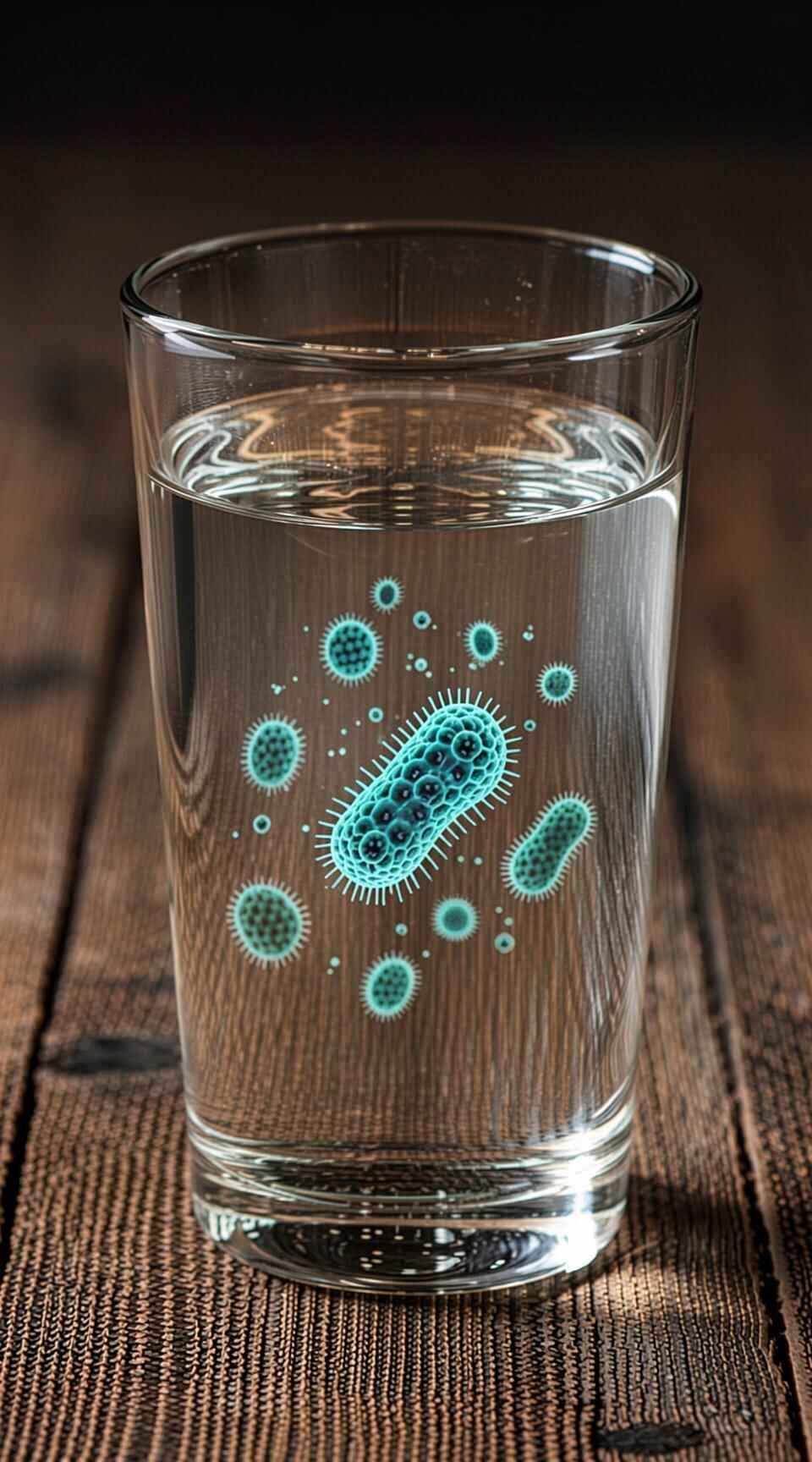
Tainted Waters: The Silent Pandemic Lurking in Your Glass
Introduction: The Paradox of Thirst
Water is the essence of life. It is the biological solvent that powers our cells, regulates our temperature, and sustains the ecosystem of our planet. We are taught from a young age that drinking water is the cornerstone of health. Yet, there is a cruel paradox that defines the existence of millions around the globe: the very source of life can also be the harbinger of death. Every drop of water, while chemically simple, is a complex biological ecosystem. When that ecosystem is invaded by invisible pathogens, the result is a global crisis that claims millions of lives annually—the crisis of waterborne diseases.
Imagine a crystal-clear stream, a glass of tap water in a bustling metropolis, or a communal well in a rural village. They look harmless. They taste refreshing. But lurking within these transparent depths are microscopic assassins: bacteria, viruses, and parasites. These pathogens cause waterborne diseases, a spectrum of illnesses that range from mild discomfort to fatal epidemics. This is not just a problem of the developing world; it is a universal concern that respects no borders, affecting remote villages and modern cities alike. As we delve into the depths of this topic, we will uncover the causes, the devastating impacts, the symptoms to watch for, and the critical measures we can all take to ensure that the water we drink heals rather than harms.
Understanding Waterborne Diseases: The Invisible Enemies
To combat an enemy, you must first understand it. Waterborne diseases are illnesses caused by microscopic organisms, like bacteria and viruses, that are ingested through contaminated water or by coming into contact with feces. While the term is often used broadly, it specifically refers to transmission through water, as opposed to “water-washed” diseases (caused by lack of water for hygiene) or vector-borne diseases (like malaria).
The transmission cycle is often as simple as it is deadly. The “Fecal-Oral Route” is the primary pathway. This occurs when fecal matter from an infected person finds its way into a water source that is subsequently consumed by another person. This contamination can happen through inadequate sewage treatment, agricultural runoff, or poor personal hygiene. Once the pathogen enters the new host, it multiplies, causing symptoms and often leading back to the contamination of the water supply, perpetuating a vicious cycle of illness.
The culprits are diverse. Bacteria, single-celled organisms that thrive in warm, nutrient-rich environments, are responsible for killers like Cholera and Typhoid. Viruses, smaller and more insidious, cause Hepatitis A and Norovirus. Then there are parasites, complex organisms like Giardia and Cryptosporidium, which form hardy cysts capable of surviving in water for weeks, waiting for a host to ingest them. Understanding these biological agents is the first step in constructing a shield against them.
The Major Culprits: A Deep Dive into Specific Diseases
-
Cholera: The Blue Death
Perhaps the most feared of all waterborne diseases is Cholera. Caused by the bacterium Vibrio cholerae, it is an acute diarrheal infection. Historical accounts of Cholera pandemics paint a grim picture of rapid spread and high mortality rates. The bacterium produces a toxin in the small intestine that attacks the cells lining the gut, causing them to flush out massive amounts of fluid. The result is severe, watery diarrhea, often described as “rice-water stools.” The speed at which this dehydrates the body is terrifying; a previously healthy adult can die within hours if untreated. While modern rehydration therapies have drastically reduced the death rate, Cholera remains a potent indicator of inadequate water and sanitation infrastructure.
-
Typhoid Fever: The Slow Killer
Unlike the sudden violence of Cholera, Typhoid Fever, caused by Salmonella Typhi, is a stealthier adversary. It enters the digestive tract and then moves into the bloodstream, spreading to other organs. It is characterized by a prolonged fever, weakness, abdominal pain, and headache. The most chilling aspect of Typhoid is the “carrier” state. Individuals like the infamous “Typhoid Mary” can harbor the bacteria without showing symptoms, unknowingly spreading the disease for years through food handling or sanitation breaches. It is a disease of crowding and poor hygiene, thriving in places where clean water is scarce.
-
Dysentery: Two Forms of Agony
Dysentery is not a single disease but a syndrome defined by inflammation of the intestines, resulting in severe diarrhea with blood. It comes in two primary forms: Bacillary and Amoebic. Bacillary Dysentery, caused by the bacterium Shigella, is highly contagious and typically attacks children in crowded areas. Amoebic Dysentery, caused by the parasite Entamoeba histolytica, is more chronic. Both are transmitted through contaminated water and food, causing immense suffering, dehydration, and if left untreated, death.
-
Hepatitis A: The Liver Invader
Viral Hepatitis A is an inflammation of the liver caused by the Hepatitis A virus. Unlike other waterborne diseases that attack the gut, this virus targets the liver. Transmission occurs when an uninfected person ingests food or water that has been contaminated with the feces of an infected person. Symptoms include jaundice (yellowing of the skin and eyes), fatigue, abdominal pain, nausea, and fever. While most people recover fully, the disease can be debilitating for weeks or months.
-
Giardiasis: The Backpacker’s Bane
Caused by the parasite Giardia intestinalis, this illness is famous for infecting hikers and campers who drink from seemingly pristine streams. The parasite forms a hardy cyst that survives even in cold water. Once ingested, it attaches to the wall of the small intestine, blocking nutrient absorption. The primary symptom is foul-smelling, greasy diarrhea, along with gas, cramps, and bloating. It is a prime example of how “wild” water is rarely safe water without treatment.
-
Cryptosporidiosis: The Chlorine-Resistant Threat
Similar to Giardia, Cryptosporidium is a parasite that causes watery diarrhea. What makes it particularly dangerous is its resistance to chlorine. This means it can survive in treated swimming pools and municipal water supplies if filtration is not rigorous. For individuals with compromised immune systems, such as those with HIV/AIDS, Cryptosporidiosis is not just an inconvenience; it can be a life-threatening chronic condition.
The Global Crisis: Statistics and Socio-Economic Impact
The numbers surrounding waterborne diseases are staggering and serve as a stark indictment of global inequality. According to the World Health Organization (WHO), approximately 2 billion people worldwide use a drinking water source contaminated with feces. Every year, unsafe water, poor sanitation, and inadequate hygiene contribute to the deaths of nearly 1.4 million people.
The most heartbreaking statistic is the demographic most affected: children. Diarrheal diseases, largely waterborne, remain a leading cause of death in children under five years old. Repeated bouts of diarrhea in early childhood are not just lethal in acute cases; they lead to malnutrition, stunted growth, and cognitive impairments that affect a child for the rest of their life. This creates a “poverty trap.” Children too sick to attend school fall behind in education, perpetuating the cycle of poverty that prevents their families from accessing improved water infrastructure in the first place.
The economic impact extends beyond healthcare costs. In developing nations, the burden of fetching water—which is often contaminated—falls disproportionately on women and girls. Hours spent walking to distant sources are hours not spent working in the workforce or attending school. Furthermore, when community members are sick, agricultural productivity drops, and the local economy falters. It is estimated that for every $1 invested in safe drinking water and sanitation, there is an economic return of between $4 and $34. Ignoring the waterborne disease crisis is not just a humanitarian failure; it is an economic catastrophe.
The Causes: Why is the Water Contaminated?
Understanding the why is as important as understanding the what. The contamination of water sources is rarely an accident; it is a systemic failure.
-
Poor Sanitation Infrastructure
The most glaring cause is the lack of proper sewage systems. In many rapidly growing urban areas in developing nations, the infrastructure cannot keep up with the population growth. Sewer lines are non-existent, overburdened, or leak untreated waste directly into groundwater or nearby rivers. This is the definition of the fecal-oral route in action: a pipe dumping into the river that serves as the drinking water source for the next village downstream.
-
Agricultural Runoff
It’s not just human waste that contaminates water; it’s animal waste too. Intensive farming practices involve vast quantities of livestock. Manure from these animals, laden with pathogens like E. coli and Salmonella, often washes off fields during rain and enters water bodies. Additionally, the use of pesticides and fertilizers doesn’t just kill pests; it kills the beneficial bacteria in water that help keep pathogens in check, creating an imbalance where harmful organisms can thrive.
-
Climate Change and Flooding
The changing climate acts as a force multiplier for waterborne diseases. Increased rainfall and flooding can overwhelm sewage treatment plants, causing overflows of raw sewage into streets and waterways. Conversely, drought concentrates pollutants in smaller volumes of water, increasing the concentration of pathogens and making it harder for natural filtration to occur. Warmer water temperatures also favor the growth of certain bacteria, like Vibrio species, expanding their geographical reach.
-
Industrial Pollution
While industrial pollution often focuses on heavy metals, it can disrupt the ecosystem balance of water bodies, making them more susceptible to pathogen outbreaks. Furthermore, industrial discharge often contains a cocktail of chemicals that can weaken the immune systems of people exposed to them, indirectly making them more susceptible to infections.
Symptoms to Watch For: Early Detection Saves Lives
Recognizing the symptoms of waterborne diseases can be the difference between a quick recovery and a medical emergency. While symptoms vary by pathogen, there are common red flags associated with consuming contaminated water.
Gastrointestinal Distress: This is the hallmark symptom. Diarrhea, vomiting, nausea, and stomach cramps are the body’s violent attempt to expel the invading organisms. If diarrhea becomes watery or bloody, or if it persists for more than two days, it is a sign of severe infection.
Dehydration: The greatest danger of waterborne disease is not the bug itself, but the loss of fluids. Symptoms of severe dehydration include extreme thirst, dry mouth and skin, little to no urination, dark yellow urine, dizziness, and lightheadedness. In children, look for a lack of tears when crying, sunken eyes, and a sunken soft spot (fontanelle) on top of the head.
Fever and Fatigue: The immune system raises body temperature to fight off infection. High fever, accompanied by chills and significant fatigue, indicates a systemic infection like Typhoid or Hepatitis.
Jaundice: Yellowing of the skin or eyes is a specific sign of liver inflammation, typical of Hepatitis A.
Neurological Symptoms: In cases of severe dehydration or toxins from certain bacteria, confusion, fainting, or seizures can occur.
If you experience these symptoms, especially after drinking suspect water or traveling to an area with poor sanitation, seek medical attention immediately.
Prevention: How to Protect Yourself and Your Family
The old adage “prevention is better than cure” is never truer than with waterborne diseases. Fortunately, the methods of prevention are effective and accessible.
-
Water Purification: The First Line of Defense
Assuming that water is clean is a fatal mistake. Even clear stream water can harbor invisible parasites. To ensure safety, water must be treated.
- Boiling: The oldest and most reliable method. Bringing water to a rolling boil for at least 1 minute (3 minutes at higher altitudes) kills virtually all bacteria, viruses, and parasites.
- Chemical Disinfection: Chlorine tablets or iodine are lightweight and effective for travelers. They kill most pathogens but can leave an unpleasant taste and are less effective against Cryptosporidium cysts.
- Filtration: Water filters with absolute pore sizes of 1 micron or smaller can physically remove parasites like Giardia and Cryptosporidium. Look for filters certified by NSF International.
- UV Light: Portable UV pens utilize ultraviolet light to scramble the DNA of microorganisms, rendering them sterile. It is quick and effective but requires clear water to work properly.
-
Sanitation and Hygiene: Breaking the Chain
Preventing waterborne disease is about breaking the fecal-oral route. This requires diligence in hygiene.
- Hand Washing: Hands should be washed with soap and safe water after using the toilet, after changing diapers, before eating, and before preparing food. Use an alcohol-based hand sanitizer if soap and water are not available.
- Food Safety: Raw fruits and vegetables should be washed in safe water or peeled. Food should be cooked thoroughly to high temperatures that kill pathogens. Avoid eating raw street food in high-risk areas.
- Safe Waste Disposal: Human waste must be kept separate from water sources. This is a community-level challenge that requires proper latrines and sewage systems. If you are camping, human waste must be buried at least 6 inches deep and 200 feet away from water bodies.
-
Vaccination
While there are no vaccines for every waterborne pathogen, there are effective ones for the most dangerous.
- Cholera: Oral cholera vaccines exist and are recommended for humanitarian workers and people traveling to outbreak zones.
- Typhoid: Vaccines against Typhoid fever are widely available and recommended for travelers to South Asia and other high-risk areas.
- Hepatitis A: A highly effective vaccine is available and is part of the standard childhood immunization schedule in many countries. It is highly recommended for travelers.
-
Environmental Maintenance
On a broader scale, protecting water sources involves maintaining the environment. Planting vegetation near waterways to act as a buffer against agricultural runoff, properly maintaining septic tanks, and avoiding the disposal of chemicals or motor oil down the drain are all critical actions individuals can take to reduce water contamination.
The Role of Technology and Innovation
As the world grapples with this crisis, science and technology are stepping up with innovative solutions. We are moving beyond the days of simply boiling water.
Smart Sanitation: New toilet technologies are being developed that do not require connection to a sewer grid. These “Nano-toilets” treat waste on-site, turning it into safe fertilizer or energy, effectively closing the sanitation loop and preventing groundwater contamination.
Advanced Filtration: Graphene oxide filters are emerging as a cutting-edge technology. These filters are incredibly thin yet strong enough to block bacteria and viruses while letting water pass through with high efficiency. This could revolutionize water purification in remote areas where bulky filtration systems are impractical.
Water ATMs: In India and parts of Africa, “Water ATMs” are being installed in low-income communities. These are solar-powered kiosks that purify water and dispense it into bottles or containers for a nominal fee. This makes clean water accessible and affordable while ensuring the water meets safety standards.
Data and Surveillance: Mobile apps are allowing health workers to report outbreaks of waterborne diseases in real-time. This data helps authorities map the spread of infection and respond quickly to treat water sources and educate the public.
The Legal and Political Landscape: The Right to Water
In 2010, the United Nations General Assembly explicitly recognized the human right to water and sanitation. This resolution acknowledges that safe drinking water and sanitation are essential for the realization of all human rights. However, the gap between recognition and reality remains vast.
Governments have a legal obligation to progressively ensure access to safe water. This involves massive investment in infrastructure, strict enforcement of environmental regulations, and equitable resource distribution. Political corruption often diverts funds meant for sanitation projects, leaving communities vulnerable. Civil society and international organizations must hold governments accountable to ensure that the right to water is not just a piece of paper, but a lived reality for every citizen.
Furthermore, transboundary water cooperation is essential. Rivers flow across borders, and pollution in one country can be a health crisis in another. International treaties and cooperation are necessary to ensure that waterways shared between nations are protected from contamination.

