

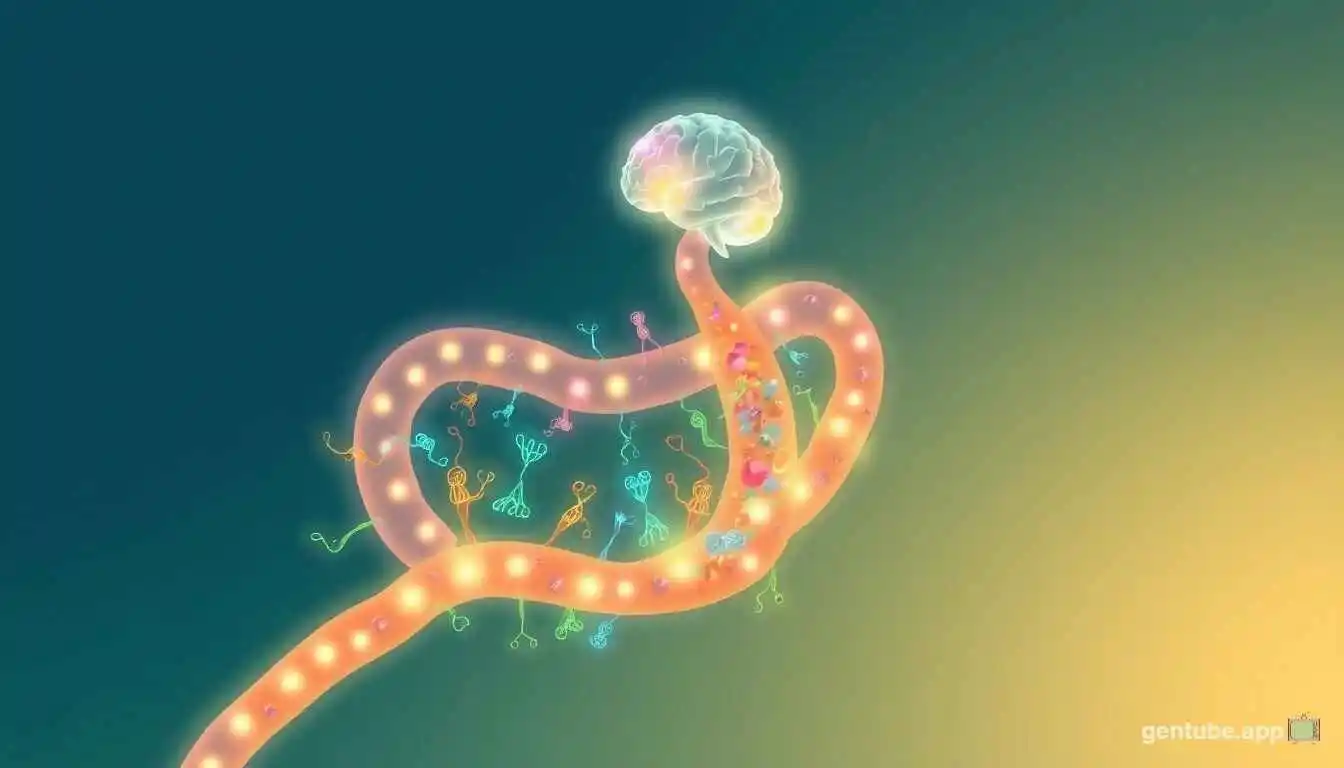
Antibiotics are sometimes essential and lifesaving, but they don’t discriminate between harmful and beneficial bacteria. Research shows that a single course of broad-spectrum antibiotics can reduce microbial diversity for months, and in some cases certain species may not fully recover. This isn’t a reason to avoid necessary antibiotic treatment, but it is a reason to avoid unnecessary use and to consider supporting gut recovery with fiber-rich foods and fermented foods afterward.
9. Consider Probiotics and Prebiotics Strategically
Probiotic supplements can be helpful for specific, evidence-backed uses — such as certain strains shown to reduce antibiotic-associated diarrhea — but they are not one-size-fits-all, and a healthy person eating a varied, fiber-rich diet may see limited additional benefit from a generic probiotic pill. Prebiotics — the fiber compounds that feed your existing beneficial bacteria, found in foods like garlic, onions, leeks, asparagus, and bananas — often deliver more consistent, foundational benefit than probiotics alone, precisely because they nourish the ecosystem you already have rather than introducing new, sometimes transient, species.
Conclusion: Your Gut Is the Root, Not Just a Symptom
It’s tempting to think of gut health as one item on a long wellness checklist — something to address if you’re dealing with bloating or an upset stomach, and otherwise safe to ignore. The research summarized here tells a different story. Your gut microbiome is wired into your immune system, your brain chemistry, your metabolism, your skin, and your long-term disease risk in ways that scientists are still actively mapping. It isn’t a side character in your health story; it’s closer to a root system, quietly influencing branches of your health that seem, on the surface, to have nothing to do with digestion.
The good news is that the actions with the strongest evidence behind them are refreshingly unglamorous: eat a wide variety of plants, include fermented foods, move your body, sleep well, manage stress, and use antibiotics thoughtfully. None of these require an expensive supplement stack or a restrictive elimination diet. What they require is consistency, and a shift in how you think about your gut — not as a digestive pipe to be tolerated, but as a living ecosystem worth actively cultivating.
Gut health isn’t a trend, and it isn’t just about digestion. It may be one of the most foundational, underappreciated levers you have for how you feel, think, and function every single day.
FAQS
1.What exactly is the gut microbiome?
The gut microbiome is the community of trillions of bacteria, viruses, fungi, and other microorganisms living mainly in your large intestine. It helps digest food, produces vitamins and signaling compounds, trains your immune system, and communicates with your brain.
2.How many bacteria live in the human gut?
Estimates suggest the human gut hosts somewhere around 38 trillion bacterial cells, roughly comparable to the total number of human cells in the body, spread across an estimated 300 to 500 distinct species.
3.Is gut health the same as digestion?
No. Digestion is one function the gut performs, but the microbiome also influences immunity, mood, metabolism, skin health, and inflammation levels throughout the body — digestion is just the most visible piece.
4.What is the gut-brain axis?
The gut-brain axis is the two-way communication network linking your digestive system and your central nervous system, operating through the vagus nerve, immune signaling, hormones, and microbial byproducts like short-chain fatty acids.
5.Can gut health really affect mood and anxiety?
Research shows a strong association between gut microbial diversity and mood regulation, partly because gut bacteria influence neurotransmitter production and inflammation. However, the relationship is complex and gut health should complement, not replace, mental health treatment.
6.Why is most serotonin made in the gut?
Roughly 90 to 95 percent of the body’s serotonin is produced in gut cells, where it primarily regulates digestive movement and local gut function, though gut serotonin production is closely tied to overall neurotransmitter balance.
7.What is ‘leaky gut,’ and is it real?
Leaky gut refers to increased intestinal permeability, where the gut lining’s tight junctions become looser than normal, allowing particles to enter the bloodstream and potentially trigger inflammation. The underlying phenomenon is studied in legitimate research, though some commercial claims about it are overstated.
8.How does the gut affect the immune system?
Around 70 to 80 percent of immune cells are located in tissue surrounding the gut. Gut bacteria help train these cells to respond appropriately to threats, making a balanced microbiome essential for calibrated immune function.
9.Can an imbalanced gut cause autoimmune disease?
Gut imbalance and increased intestinal permeability are studied as contributing factors in several autoimmune conditions, though autoimmune disease is multifactorial and involves genetics and environmental triggers beyond gut health alone.
10.What foods are best for gut health?
Fiber-rich, diverse plant foods, fermented foods like yogurt and kimchi, and healthy fats from sources like olive oil and fatty fish are consistently associated with a more diverse, beneficial microbiome.
11.What foods harm gut health?
Diets high in ultra-processed foods, added sugar, and excessive saturated fat are associated with reduced microbial diversity and higher levels of inflammation-associated bacteria.
12.Do probiotics actually work?
Certain probiotic strains have solid evidence for specific uses, such as reducing antibiotic-associated diarrhea, but generic probiotics are not guaranteed to meaningfully change a healthy person’s microbiome, and effects vary significantly between individuals.
13.What’s the difference between probiotics and prebiotics?
Probiotics are live beneficial microorganisms, found in supplements or fermented foods. Prebiotics are the fiber compounds that feed the bacteria already living in your gut, found in foods like garlic, onions, and bananas.
14.How long does it take to improve gut health?
Some microbial changes can appear within days of a dietary shift, but meaningful, lasting changes in diversity typically take several weeks to a few months of consistent habits.
15.Can stress really damage your gut?
Yes. Chronic stress can alter gut motility, increase intestinal permeability, and shift bacterial populations within days, making stress management a legitimate part of gut health rather than a separate wellness category.
16.Does exercise improve gut health?
Yes. Regular physical activity is independently associated with greater microbial diversity and higher levels of beneficial short-chain-fatty-acid-producing bacteria, separate from its effects on weight or diet.
17.How do antibiotics affect the microbiome?
A single course of broad-spectrum antibiotics can significantly reduce microbial diversity for weeks to months, and some bacterial species may not fully recover, which is why unnecessary antibiotic use is generally discouraged.
18.Can gut bacteria influence weight gain?
Yes. Certain bacterial populations extract more energy from food and influence hunger-regulating hormones, and animal studies have shown that transferring gut bacteria can influence fat storage independent of diet.
19.What is the gut-skin axis?
The gut-skin axis describes the connection between gut health and skin conditions like acne, eczema, and rosacea, largely mediated through systemic inflammation that originates in an imbalanced gut.
20.Is bloating always a sign of poor gut health?
Not always — occasional bloating can be normal, but frequent or severe bloating, especially alongside other symptoms like fatigue or skin issues, can be worth discussing with a healthcare provider.
21.Can poor gut health cause fatigue?
Gut imbalance and related inflammation have been associated with fatigue in several studies, likely connected to nutrient absorption issues and the immune and inflammatory burden of a disrupted microbiome.
22.What is microbial diversity, and why does it matter?
Microbial diversity refers to the range of different bacterial species present in the gut. Higher diversity is generally associated with a more resilient, stable, and healthier microbiome.
23.Does breastfeeding affect a baby’s microbiome?
Yes. Breastfeeding introduces beneficial bacteria and prebiotic compounds that help shape an infant’s early microbiome, which is one reason infant feeding method is studied as a factor in long-term gut health.
24.Can C-section birth affect gut health?
Babies born via C-section are not exposed to the mother’s vaginal and gut bacteria during birth, resulting in an initially different microbial composition compared to vaginally born infants, though the long-term significance is still being studied.
25.Are fermented foods better than probiotic supplements?
Fermented foods often provide a broader range of live bacterial strains alongside beneficial nutrients and fiber, which some research suggests may offer more consistent benefits than a single-strain supplement.
26.Can gut health affect blood sugar control?
Yes. Short-chain fatty acids produced by gut bacteria have been shown to improve insulin sensitivity, linking gut health to better blood sugar regulation and reduced type 2 diabetes risk.
27.What is TMAO, and why is it discussed with gut health?
TMAO is a compound produced when gut bacteria metabolize choline and carnitine, found in red meat and other animal products. Some studies have linked elevated TMAO levels to increased cardiovascular risk.
28.Can improving gut health help with skin conditions?
Some studies suggest that reducing gut inflammation and improving microbial balance may improve certain skin conditions, though results vary and skin issues should still be evaluated by a dermatologist.
29.Is intermittent fasting good for gut health?
Some research suggests fasting periods may support microbial diversity and gut lining repair, but evidence is still developing, and any fasting approach should be balanced with adequate overall nutrient and fiber intake.
30.How do I know if I should see a doctor about gut health?
Persistent digestive symptoms lasting more than a few weeks, unexplained weight changes, blood in stool, severe pain, or symptoms that interfere with daily life should always be evaluated by a healthcare provider rather than self-treated.
Medical Disclaimer: The information provided on this website is for general educational and informational purposes only and is not intended as a substitute for professional medical advice, diagnosis, or treatment. Always seek the advice of your physician or other qualified health provider with any questions you may have regarding a medical condition. Never disregard professional medical advice or delay in seeking it because of something you have read on this website.

