

Have you ever wondered how a simple vibration creates your favorite song or makes your chest rumble? Welcome to the invisible world of sound waves. Sound is energy traveling through a medium, creating pressure waves our ears interpret as noise. But sound does much more than let us hear. It shapes our emotions, influences our mood, and can physically heal or harm our bodies. From soothing frequencies in music therapy to deafening industrial noise, sound waves dictate how we experience reality. Want to uncover the fascinating science behind acoustics and its profound impact on your mental and physical health? Discover the complete full story, expert insights, and amazing daily health benefits. Visit matrixtecheducare.com today to explore how sound shapes your world and elevate your overall wellness journey starting right now.
While natural remedies are effective for the vast majority of mild to moderate corns, certain situations call for professional care. If a corn is intensely painful, growing larger despite home treatment, showing signs of infection (increasing redness, warmth, swelling, or discharge), or if you have diabetes, poor circulation, or any condition that affects wound healing, it’s important to consult a podiatrist or doctor rather than relying solely on home treatment. People with diabetes in particular should avoid self-treating with sharp tools or aggressive home remedies, since reduced sensation can mask injury and slow healing significantly increases infection risk.
Common Myths About Masmar, Debunked
There’s a surprising amount of misinformation surrounding corns. One common myth is that cutting or shaving a corn yourself with a blade or razor will permanently remove it — in reality, this is risky, can cause injury or infection, and the corn typically returns since the underlying friction cause hasn’t been addressed. Another myth is that corns are caused by poor hygiene; in truth, they’re a mechanical response to pressure and friction, unrelated to cleanliness. Finally, many believe corns and warts are the same thing requiring identical treatment, when in fact their causes (mechanical pressure versus viral infection) are completely different, which is why a wart that’s treated like a corn often persists or worsens.
Final Thoughts
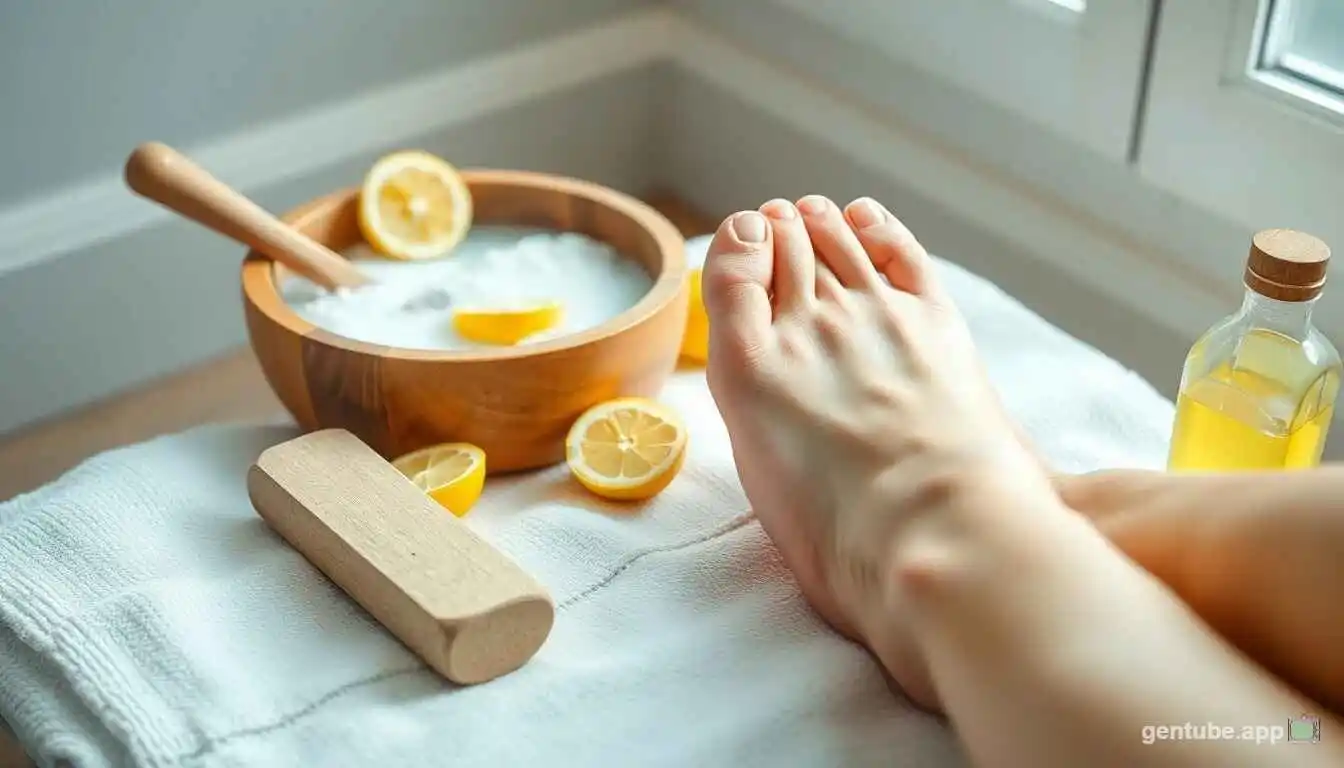
Masmar may be small, but its impact on daily comfort and mobility can be significant. The encouraging reality is that this is one of the most preventable skin conditions out there — armed with the right footwear choices, consistent moisturizing habits, and a handful of effective natural remedies like warm soaks, pumice exfoliation, and soothing applications like turmeric or castor oil, most people can keep their feet corn-free without ever needing harsh chemical treatments or clinical procedures. Listen to your feet, address friction-prone areas early, and your soles will thank you with every step.
FAQS
1.What does the word “masmar” actually mean?
“Masmar” is a colloquial term derived from the Arabic word for “nail,” referring to corns — small, hardened, cone-shaped areas of thickened skin that form due to repeated pressure or friction, named for their inward-pointing, nail-like core.
- Is masmar contagious?
No. Unlike plantar warts, which are caused by a virus and can spread through direct contact, corns are purely a mechanical response to friction and pressure and cannot be passed from person to person.
- Where on the body do corns most commonly appear?
Corns most often appear on the tops and sides of toes, between toes, and on the sole of the foot, particularly under the ball of the foot or heel, anywhere subjected to repeated rubbing or pressure.
- Can masmar go away on its own?
Mild corns can sometimes improve on their own once the source of friction or pressure is removed, such as switching to better-fitting shoes, but established corns typically need some form of gentle treatment to fully resolve.
- How long does it take for a corn to heal with natural remedies?
With consistent care — soaking, gentle exfoliation, and moisturizing — most corns noticeably soften and shrink within two to four weeks, though more stubborn or long-standing corns can take longer.
- Are corns and bunions the same thing?
No. A bunion is a structural bone deformity at the base of the big toe, while a corn is a localized area of thickened skin. However, bunions can contribute to corn formation by altering pressure distribution across the foot.
- Can wearing socks really prevent masmar?
Yes. Socks reduce direct friction between skin and shoe material, and moisture-wicking varieties also help keep feet dry, both of which significantly lower the risk of corn formation.
- Is it safe to cut a corn off myself with a blade?
No, this is not recommended. Using a blade or razor on a corn carries a real risk of cutting too deep, causing injury or infection, and is especially dangerous for people with diabetes or poor circulation.
- Why do corns hurt so much for their size?
Corns hurt disproportionately to their size because of their hard, tapering core that points inward into the skin, concentrating pressure directly onto sensitive underlying tissue with every step.
- Can high heels cause masmar?
Yes. High heels shift body weight forward onto the ball of the foot, concentrating pressure on a small area and significantly increasing the likelihood of corn formation over time.
- What’s the difference between a hard corn and a soft corn?
A hard corn typically forms on dry, exposed areas like the top of the toes and feels dense and firm, while a soft corn develops between the toes where moisture is trapped, giving it a softer, whitish, rubbery texture.
- Does apple cider vinegar really help with corns?
Many people find it helpful due to its natural acidity, which can assist in softening thickened skin over repeated applications, though results vary and it should be diluted to avoid irritating sensitive skin.
- Can children get masmar?
Yes, although it’s less common than in adults, since children’s feet generally experience less prolonged pressure. However, ill-fitting shoes can still cause corns to develop in children.
- Is masmar more common in people who stand for long periods at work?
Yes. Occupations that involve standing or walking for extended hours significantly increase the risk, since prolonged pressure on specific points of the foot encourages thickened skin to develop.
- Can losing weight help prevent corns?
It can help in some cases, since excess body weight increases pressure on the feet, particularly the soles, which may contribute to friction-related skin thickening over time.
- Are corn removal pads from the pharmacy safe to use?
Many over-the-counter corn pads contain salicylic acid, which can be effective but should be used cautiously, avoided on broken skin, and avoided entirely by people with diabetes or circulation issues without medical guidance.
- Why do I keep getting the same corn back after it heals?
If a corn keeps returning in the same spot, it usually means the underlying cause — typically an ill-fitting shoe or a structural pressure point — hasn’t been addressed, so the friction simply recreates the corn over time.
- Can going barefoot help prevent masmar?
Moderate barefoot time on soft, even surfaces can be beneficial for foot health, but excessive barefoot walking on hard or uneven ground can actually increase localized pressure and contribute to corn formation.
- Does turmeric paste stain the skin?
Yes, turmeric can temporarily stain the skin yellow, though this fades within a few days. Applying it before bed and covering it with a sock or bandage can help minimize visible staining.
- Is it normal for the skin around a corn to look red or inflamed?
Mild redness around a corn is common and usually relates to ongoing pressure or friction. However, increasing redness, warmth, or swelling can indicate infection and should be evaluated by a doctor.
- Can diabetics use natural remedies for masmar?
Diabetics should be especially cautious with foot issues of any kind. While gentle moisturizing and properly fitted footwear are generally safe, more active treatments like soaks, exfoliation, or topical applications should be discussed with a doctor or podiatrist first, given the elevated risk of slow healing and infection.
- How can I tell if it’s a corn or a plantar wart?
Plantar warts often have small black dots within them, tend to hurt more when pinched from the sides, and can spread, while corns have a smooth, defined hard core, hurt more with direct pressure, and don’t spread to other areas.
- Do orthotic insoles help prevent corns?
Yes, custom or properly fitted orthotic insoles can help redistribute pressure more evenly across the foot, reducing concentrated friction at common corn-prone areas.
- Can stress or hormonal changes affect skin thickening and corn formation?
Indirectly, yes. Changes in circulation, hydration, or skin elasticity related to stress or hormonal shifts can make skin somewhat more vulnerable to friction-related thickening, though footwear and mechanical pressure remain the primary drivers.
- What’s the single best prevention tip for masmar?
If there’s one habit to prioritize, it’s wearing properly fitted, comfortable footwear with adequate toe room, since the vast majority of corns trace back directly to repeated friction or pressure from ill-fitting shoes.
Medical Disclaimer: The information provided on this website is for general educational and informational purposes only and is not intended as a substitute for professional medical advice, diagnosis, or treatment. Always seek the advice of your physician or other qualified health provider with any questions you may have regarding a medical condition. Never disregard professional medical advice or delay in seeking it because of something you have read on this website.

