

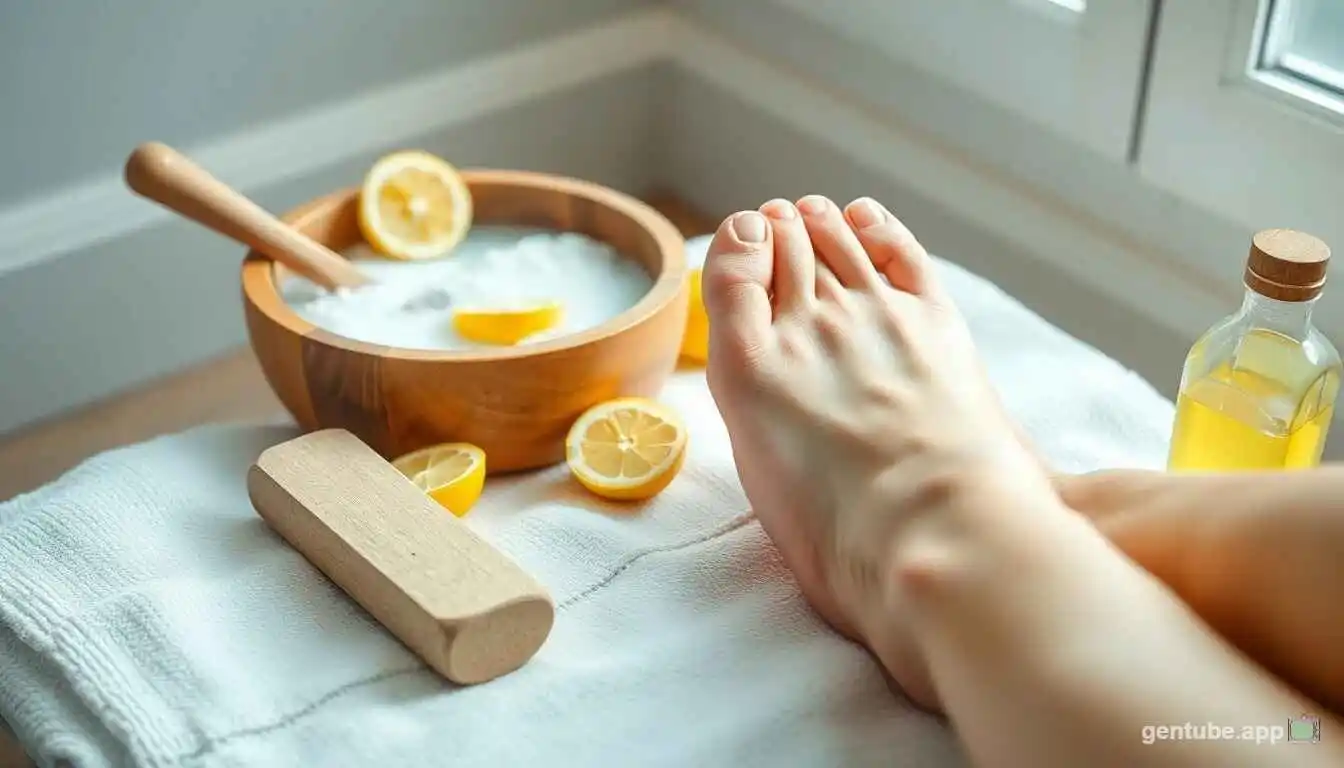
Say Goodbye to Masmar: The Complete Natural Guide to Preventing and Healing Foot Corns
If you’ve ever felt a sharp, nagging pain on the sole of your foot or noticed a small, hardened, cone-shaped bump pressing into your skin every time you take a step, you’ve likely encountered what’s commonly known as “masmar.” This small but surprisingly painful skin condition affects millions of people worldwide, yet it’s often misunderstood, mistreated, or simply ignored until the discomfort becomes impossible to live with. The good news? Masmar is highly preventable and, in most cases, treatable using simple, natural, at-home remedies — no aggressive chemicals or invasive procedures required.
This guide breaks down exactly what masmar is, why it forms, how to tell it apart from similar-looking skin issues, and most importantly, how to prevent and manage it naturally using time-tested home remedies, smarter footwear choices, and simple daily habits.
What Exactly Is Masmar?
“Masmar” (sometimes spelled “musmar,” derived from the Arabic word for “nail”) is the common term used to describe what is medically known as a corn, or in clinical terminology, a clavus. The name itself is rooted in the way these lesions form: a hard, tapering core that points inward into the skin, much like a small nail driven into the flesh. This inward-pointing core is exactly what makes corns so much more painful than a typical patch of rough skin — the pressure of walking literally drives that hardened core deeper with every step.
A corn develops when skin is subjected to repeated friction or pressure over a concentrated area, usually on the feet, though they can occasionally appear on the hands or other parts of the body that experience similar stress. In response to this repeated irritation, the skin’s outer layer thickens as a defensive mechanism, gradually compacting into a small, dense, often yellowish or grayish lesion, typically surrounded by a ring of inflamed or irritated skin.
Unlike a simple callus — which is a broader, flatter area of thickened skin — a corn is more localized, more defined in shape, and considerably more painful, particularly when pressed directly or when bearing weight.
Masmar vs. Calluses vs. Warts: Knowing the Difference
Many people use “masmar,” “callus,” and “wart” interchangeably, but they are distinct conditions with different causes and treatment approaches.
Corns (Masmar) are small, concentrated, cone-shaped areas of thickened skin with a hard central core. They typically form on the tops or sides of toes, between toes (soft corns), or on the sole of the foot. They are caused purely by mechanical pressure and friction, not by any infection or virus.
Calluses are broader, flatter patches of thickened skin that develop over wider areas subjected to repeated pressure, such as the heel, the ball of the foot, or the palms of the hands. Calluses are generally less painful than corns because the thickened skin is more evenly distributed rather than concentrated into a single pressure point.
Plantar warts, on the other hand, are caused by the human papillomavirus (HPV) entering the skin through small cuts or breaks. They tend to have tiny black dots (clotted blood vessels) visible within them, can be more tender when pinched from the sides rather than pressed directly, and unlike corns, they can spread to other areas of the foot or to other people through direct contact.
Telling these conditions apart matters because the most effective treatment depends entirely on the cause. Pressure-related corns respond beautifully to friction reduction and gentle exfoliation, while viral warts often require different antiviral approaches.
What Causes Masmar to Form?
Understanding the root causes of corns is the first step toward effective prevention. The most common contributing factors include:
Ill-fitting footwear. This is, by far, the single biggest cause. Shoes that are too tight squeeze and compress the toes, while shoes that are too loose allow the foot to slide and rub repeatedly against the shoe’s interior. High heels are particularly notorious, as they shift body weight forward onto the ball of the foot, concentrating pressure on a small area.
Repetitive friction from activity. Athletes, dancers, and people who spend long hours on their feet are especially prone to corn formation, simply due to the repeated mechanical stress placed on specific points of the foot.
Skipping socks or wearing the wrong type. Socks act as a buffer between skin and shoe material. Going without them, or wearing socks that bunch up or are made from non-breathable fabric, increases friction significantly.
Foot deformities or structural issues. Conditions like bunions, hammertoes, or bone spurs change the way pressure is distributed across the foot, often creating new, concentrated pressure points where corns are more likely to develop.
Walking barefoot frequently on hard or uneven surfaces. While going barefoot has some benefits, doing so excessively on rough or hard ground can lead to repeated localized pressure in predictable spots.
Age-related changes. As skin naturally loses some of its fat padding and elasticity with age, the feet become more vulnerable to friction-related skin thickening.
Symptoms to Watch For
Recognizing masmar early can make prevention and treatment far easier. Common signs include a small, rounded, raised bump of thickened, hardened skin; a noticeably tender or sharp pain when pressure is applied directly to the spot, especially while walking or standing; skin that appears rough, dry, or flaky around the hardened core; and in more advanced cases, visible inflammation or redness surrounding the lesion. Soft corns, which typically develop between the toes where moisture is trapped, tend to appear whitish or rubbery rather than hard and dry.
Who Is Most at Risk of Developing Masmar?
While anyone can develop a corn under the right (or wrong) circumstances, certain groups face a noticeably higher risk. People who wear narrow, pointed, or high-heeled shoes regularly — a category that includes many professionals who dress formally for work — tend to develop corns more frequently due to constant toe compression. Athletes and dancers, particularly those involved in running, basketball, or ballet, place repeated, concentrated stress on specific areas of the foot, making them prone to both corns and calluses. Older adults are also at higher risk, since the natural fat padding on the soles of the feet thins with age, leaving less cushioning to absorb everyday pressure. People with structural foot conditions such as hammertoes, bunions, or flat feet are similarly more susceptible, since these conditions change how weight and friction are distributed across the foot with every step. Finally, anyone who spends long hours standing or walking on hard surfaces — including retail workers, healthcare staff, and factory employees — faces elevated risk simply due to the sheer volume of repeated pressure their feet endure each day.
Footwear Shopping Guide: Choosing Shoes That Actually Protect Your Feet
Since footwear is the leading cause of masmar, it’s worth taking shoe shopping seriously rather than treating it as an afterthought. Always shop for shoes later in the day, when feet are at their largest due to natural daily swelling, to avoid buying shoes that feel fine in the morning but become tight by evening. Look for a toe box with enough width and height that toes can move and spread naturally without being squeezed together, since cramped toes are one of the most common triggers for corn formation between and on top of the toes. Pay attention to the material as well — genuine leather and other breathable, flexible materials mold to the shape of your foot over time and create less friction than stiff synthetic materials. If you regularly wear heels for work or formal occasions, consider limiting how many consecutive hours you wear them, and opt for a lower heel height when possible, since even a modest reduction in heel height meaningfully reduces forward pressure on the ball of the foot. Finally, replace worn-out shoes promptly — shoes that have lost their cushioning or developed an uneven, worn sole no longer distribute pressure the way they did when new, quietly creating new friction points without you realizing it.
Essential Oils That May Support Healthy, Corn-Free Feet
Beyond the core remedies already mentioned, several essential oils are popularly used in natural foot care routines for their skin-softening and anti-inflammatory properties. Tea tree oil, known for its antimicrobial qualities, is sometimes diluted with a carrier oil like coconut or jojoba oil and massaged into corn-prone areas to help keep skin healthy and resistant to irritation. Lavender oil, prized for its calming and mildly anti-inflammatory effects, can be added to a warm foot soak to soothe tender, pressure-irritated skin while also making the routine more relaxing. Peppermint oil, when diluted properly, offers a cooling sensation that many people find helpful for tired, achy feet after long days on hard surfaces, indirectly supporting better foot care habits. As with any essential oil, a patch test on a small area of skin is recommended before regular use, and oils should always be diluted with a carrier oil rather than applied directly, since concentrated essential oils can irritate sensitive skin.
A Simple 7-Day Natural Masmar Prevention Plan
For those who want a structured starting point, the following simple weekly routine combines several of the remedies above into an easy-to-follow plan.
Day 1: Begin with a warm water and Epsom salt soak for 15 minutes, followed by a gentle pumice stone session on any areas of existing thickened skin. Finish with a generous application of coconut oil.
Day 2: Apply a diluted apple cider vinegar-soaked cotton ball to any existing corn overnight, secured with a light bandage or sock.
Day 3: Give your feet a rest day from active treatment — simply moisturize morning and night, and double-check that the shoes you wore most that day actually fit properly.
Day 4: Apply a turmeric and coconut oil paste to corn-prone areas for 20 minutes before rinsing off, then moisturize as usual.
Day 5: Repeat the warm soak and gentle pumice exfoliation, this time adding a few drops of diluted tea tree or lavender oil to the water for its soothing, antimicrobial benefit.
Day 6: Apply castor oil generously before bed and wear soft cotton socks overnight to lock in moisture while you sleep.
Day 7: Assess your progress — check whether any corns have visibly softened or reduced in size, and take stock of which shoes might be contributing to ongoing friction so you can rotate them out or replace them going forward.
Repeating this cycle consistently for two to four weeks is typically enough to see noticeable improvement in mild to moderate corns, while also building sustainable habits that help prevent new ones from forming.
Why Prevention Matters More Than Treatment
While corns are rarely dangerous, they can significantly affect quality of life. Persistent pressure points can alter your natural gait as you unconsciously shift weight away from the painful area, which over time can lead to secondary issues like knee, hip, or lower back discomfort. For people with diabetes or circulatory conditions, foot lesions of any kind carry added risk, since reduced sensation or poor healing capacity can allow minor skin issues to progress into more serious complications. This makes prevention — rather than waiting to treat an established corn — the smarter long-term strategy.
Natural Remedies to Prevent and Heal Masmar
The beauty of dealing with corns is that, in the vast majority of cases, nature provides everything needed to manage them effectively without resorting to harsh chemical peels or surgical removal. Below are some of the most trusted natural approaches.
-
Warm Water and Epsom Salt Soaks
Soaking the affected foot in warm water mixed with a tablespoon or two of Epsom salt for 15 to 20 minutes softens the hardened outer layer of skin, making it far easier to gently exfoliate afterward. The magnesium sulfate in Epsom salt also has mild anti-inflammatory properties, helping to ease soreness around the lesion.
-
Pumice Stone Exfoliation
After soaking, gently rubbing the softened corn with a pumice stone in a circular motion helps gradually thin out the thickened skin layer by layer. This should always be done gradually over several sessions rather than aggressively in one sitting, since over-exfoliating can irritate the skin or cause minor injury.
-
Apple Cider Vinegar Soaks
Apple cider vinegar’s natural acidity is widely used to help soften and break down thickened, dead skin cells. A common method involves soaking a cotton ball in diluted apple cider vinegar (mixed with water to avoid skin irritation), placing it directly on the corn, and securing it overnight with a bandage, then gently exfoliating with a pumice stone the next morning.
-
Turmeric Paste
Turmeric is well known for its anti-inflammatory and antimicrobial properties, largely attributed to its active compound, curcumin. Mixing turmeric powder with a small amount of warm mustard oil or coconut oil into a paste and applying it directly to the corn can help reduce surrounding inflammation while supporting the skin’s natural healing process.
-
Lemon Juice Application
Fresh lemon juice contains natural citric acid, which can help gradually soften thickened skin when applied consistently. Dabbing a small amount directly onto the corn before bed, then rinsing in the morning, is a gentle and widely used home approach, though it should be avoided on any broken or irritated skin, as the acidity can sting.
-
Garlic
Garlic has natural antibacterial and anti-inflammatory properties. Crushing a fresh clove and applying it directly to the corn, secured with a bandage overnight, is a traditional remedy believed to help soften the hardened tissue over repeated use.
-
Baking Soda Soak
Adding a few tablespoons of baking soda to a warm foot soak can help soften rough, thickened skin due to its mild exfoliating and pH-balancing properties, making the corn easier to gently buff away afterward.
-
Castor Oil
Castor oil is thick, deeply moisturizing, and contains ricinoleic acid, which has natural anti-inflammatory properties. Massaging a small amount into the corn and surrounding skin nightly helps keep the area soft and supple, reducing the buildup of hardened tissue over time.
-
Coconut Oil for Daily Moisturizing
Keeping the feet consistently moisturized is one of the simplest and most effective prevention strategies. Coconut oil penetrates deeply, helps maintain skin elasticity, and creates a small protective barrier that can reduce friction-related damage when applied daily, particularly after bathing.
-
Aloe Vera Gel
Fresh aloe vera gel is soothing, hydrating, and has mild anti-inflammatory properties. Applying it to areas prone to corn formation can help keep the skin supple and may ease discomfort around an existing corn.
-
Orange Peel Paste
In some traditional natural medicine practices, orange peel is ground into a paste and applied to corns, valued for its mild acidity and vitamin C content, which is believed to support gradual softening of thickened skin over consistent use.
Building a Natural Daily Prevention Routine
Rather than treating masmar only once it appears, the most effective long-term approach is building small habits into your daily routine that reduce the chance of corns forming in the first place.
Choose footwear that actually fits. Shoes should have enough room in the toe box to avoid compression, with a snug but not tight fit through the midfoot. Trying on shoes later in the day, when feet are naturally slightly more swollen, helps ensure a better real-world fit.
Wear moisture-wicking, cushioned socks. A good pair of socks reduces friction significantly and helps keep feet dry, which is especially important since damp skin is more prone to irritation and soft corn formation between the toes.
Use protective padding strategically. Soft silicone or moleskin pads placed over pressure-prone areas can redirect friction away from vulnerable spots, particularly useful for people who wear heels regularly or have naturally prominent bone structures.
Moisturize daily. Applying a natural oil or thick moisturizer to the feet every evening, particularly to areas prone to thickening, keeps skin supple and more resistant to friction damage.
Rotate footwear. Wearing the same shoes every single day repeats the exact same pressure points constantly. Rotating between a few pairs distributes stress differently and reduces concentrated friction.
Trim nails properly and maintain healthy toe alignment. Long nails can subtly change how toes sit inside shoes, increasing pressure in unexpected areas.
Exfoliate gently but regularly. A weekly gentle pumice stone session, even as a preventive measure on healthy skin, helps prevent gradual thickening from accumulating unnoticed.
Dietary and Lifestyle Support for Healthy Skin
While masmar is primarily a mechanical, friction-driven issue, overall skin health does play a supporting role in how resilient your feet are to damage and how efficiently they heal. A diet rich in vitamin E (found in nuts, seeds, and leafy greens), vitamin C (citrus fruits, bell peppers), and adequate hydration supports skin elasticity and natural repair processes. Staying well-hydrated throughout the day helps maintain the skin’s natural moisture barrier from the inside out, complementing topical moisturizing efforts.
Maintaining a healthy body weight also reduces unnecessary pressure on the feet, particularly the soles, which can lower the likelihood of friction-related skin thickening over time.
When Natural Remedies Aren’t Enough: When to See a Doctor
https://youtu.be/kA9jOv03L6I

