

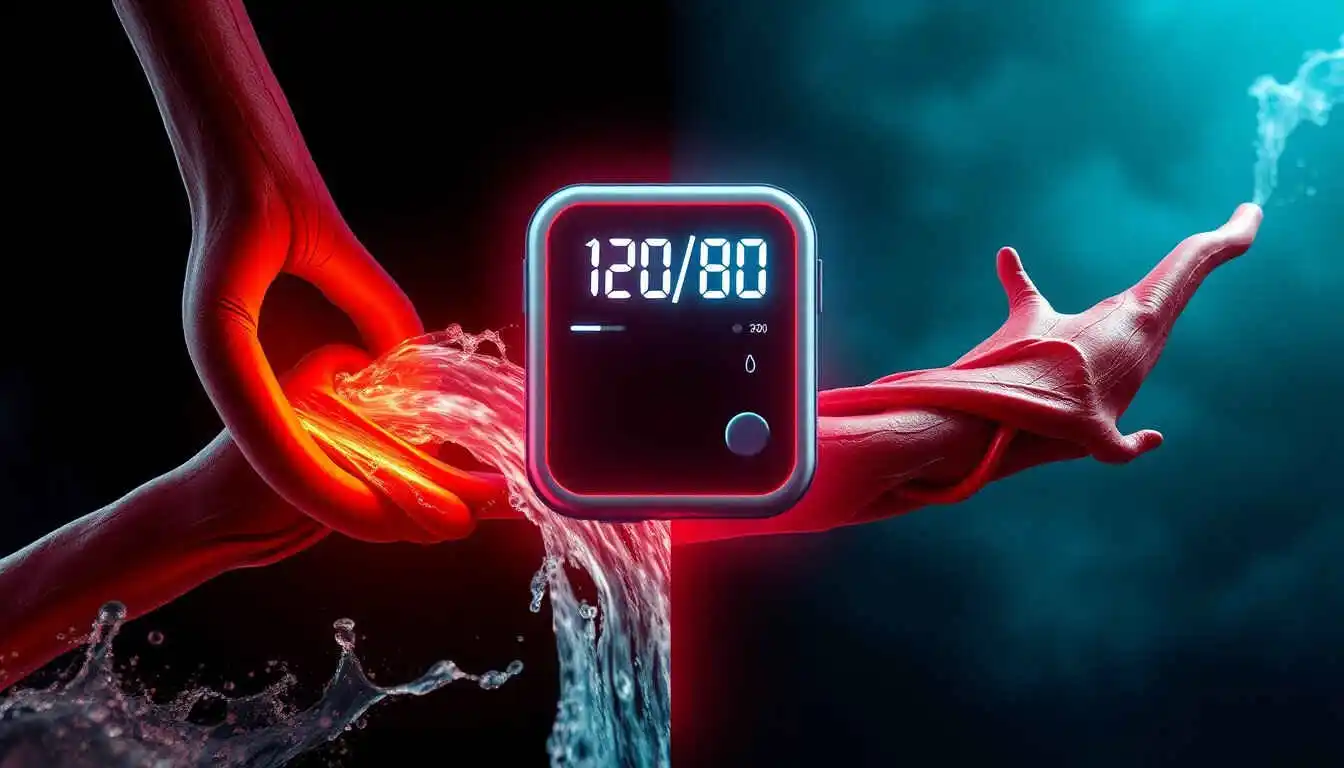
Hypertension is a condition of accumulation. It took years of poor dietary choices, missed sleep, and mounting stress to push your blood pressure into the danger zone. It will not be fixed overnight. The key to success is consistency, not perfection.
- Build Your Data Dashboard
Do not guess; measure. Check your blood pressure at home at the same time every day. Keep a log. Notice how it changes based on your meals and stress levels. When you see the data moving in the right direction, it provides a psychological boost to keep going.
- The 10% Rule
If you are overweight, do not focus on losing 50 pounds. Focus on losing 5 to 10 pounds. Losing just 10% of your body weight can drop your systolic blood pressure by 5 to 20 mmHg. That is the equivalent of a prescription medication.
- Sodium Swaps
Stop cooking with salt. Period. Use lemon juice, vinegar, garlic, and spices to flavor your food. Read the labels on every packaged item you buy. Look for the American Heart Association’s “Heart-Check” mark. Aim for less than 1,500 mg of sodium per day.
- Move Every Hour
If you have a desk job, you are sitting yourself into an early grave. Set an alarm to stand up, stretch, and walk for 2 minutes every hour. This keeps your blood flowing and prevents your arteries from becoming sluggish.
- Partner with Your Doctor
Your doctor is your co-pilot, not your dictator. Discuss your home readings with them. Ask about medication side effects. If you are making massive lifestyle changes, ask if it is possible to wean off your medications. Never do this alone, and never alter your meds without professional supervision.
Conclusion: The Power is in Your Pipes
Hypertension thrives in the shadows of ignorance. It relies on your complacency, your love for salty foods, and your aversion to the gym. But by reading this guide, you have dragged the silent killer into the light. You now know the mechanics of the pressure, the devastation it causes, and the exact tools required to dismantle it.
You do not have to be a victim of your genetics or your age. The human body is remarkably resilient. Give it the right fuel, challenge it with movement, calm it with breath, and it will respond. Your arteries can heal. Your heart can grow stronger. Your blood pressure can come down.
The time for waiting for symptoms is over. The time for taking action is now. Protect your pipes. Lower the pressure. Reclaim your life.
FAQS
Understanding the Basics
1.What is hypertension?
Hypertension, commonly known as high blood pressure, is a condition where the force of blood pushing against the walls of your arteries is consistently too high.
2.What do the two numbers in a blood pressure reading mean?
The top number is systolic pressure (the force when the heart beats), and the bottom number is diastolic pressure (the force when the heart is resting between beats).
3.What is a normal blood pressure reading?
A normal, healthy blood pressure reading is less than 120/80 mmHg.
4.What is the difference between elevated blood pressure and Stage 1 hypertension?
Elevated blood pressure is when the top number is 120-129 and the bottom is less than 80. Stage 1 hypertension is when the top number hits 130-139 or the bottom number reaches 80-89.
5.What constitutes a hypertensive crisis?
A sudden spike in blood pressure above 180/120 mmHg. This is a medical emergency requiring immediate hospital attention.
Symptoms and Risks
6.Why is hypertension called the “Silent Killer”?
Because it rarely causes any noticeable symptoms, meaning many people are unaware they have it until it causes a catastrophic event like a heart attack or stroke.
7.Can I feel it if my blood pressure is high?
Usually, no. Most people feel completely fine even with dangerously high readings. You cannot rely on how you feel to gauge your blood pressure.
- Does high blood pressure cause headaches or dizziness?
In most day-to-day cases of Stage 1 or 2 hypertension, no. Severe headaches, dizziness, and nosebleeds typically only occur during a hypertensive crisis.
- What kind of damage can untreated hypertension do to the heart?
It forces the heart to work harder, causing the left ventricle muscle to thicken (left ventricular hypertrophy), which can lead to heart failure, arrhythmias, and heart attacks.
- How does high blood pressure cause a stroke?
It accelerates plaque buildup in arteries leading to the brain (causing ischemic stroke) and weakens small blood vessels in the brain until they burst (causing hemorrhagic stroke).
- Can hypertension affect my kidneys?
Yes, it damages the tiny filtering vessels (glomeruli) in the kidneys, leading to Chronic Kidney Disease (CKD). Damaged kidneys also release hormones that further raise blood pressure.
- Can high blood pressure affect my vision?
Yes, it can damage the fragile blood vessels in the eyes—a condition called hypertensive retinopathy—which can lead to blurred vision or blindness.
Causes and Triggers
- Is high blood pressure genetic?
Yes, family history plays a significant role. If your parents have it, your risk increases, but lifestyle choices can still mitigate that risk.
- How does sodium raise blood pressure?
Excess sodium causes your body to retain water to dilute it. This extra fluid increases the overall volume of blood pushing through your arteries, raising the pressure.
- How much sodium should I consume daily?
The body only needs about 500 mg a day, but for blood pressure management, the goal is to keep intake under 1,500 mg per day.
- Does being overweight cause hypertension?
Yes, visceral (belly) fat acts like an endocrine organ, releasing inflammatory chemicals that disrupt blood vessel function and increase the heart’s workload.
- How does a sedentary lifestyle affect blood pressure?
Lack of physical activity leads to a weaker heart that has to pump harder to circulate blood, directly increasing arterial pressure.
- Does alcohol affect blood pressure?
Yes, chronic or binge drinking stimulates the sympathetic nervous system, constricting blood vessels and interfering with blood pressure medications.
- How does smoking affect blood pressure?
Nicotine immediately spikes heart rate and blood pressure by narrowing blood vessels, while long-term use damages artery walls and accelerates plaque buildup.
- Why does blood pressure increase as we age?
As we age, our blood vessels naturally lose their elasticity and become stiffer (arteriosclerosis), forcing blood through narrower, less flexible pipes.
Monitoring and Medication
- What is “White Coat Syndrome”?
A phenomenon where a person’s blood pressure temporarily spikes due to the anxiety of being in a doctor’s office or clinical setting.
- Why is home blood pressure monitoring important?
It provides accurate data by eliminating White Coat Syndrome and allows you to track how your pressure responds to daily activities, food, and stress.
- What is the correct way to take my blood pressure at home?
Sit with your back supported, feet flat on the floor, and rest for 5 minutes first. Place the cuff on your bare upper arm at heart level, and take two readings one minute apart.
- What are diuretics (“water pills”)?
Medications that help the kidneys flush excess sodium and water out of the body through urine, reducing blood volume and pressure.
- How do ACE inhibitors and ARBs work?
ACE inhibitors block the production of angiotensin II (a chemical that narrows vessels), while ARBs block the chemical from binding to receptors. Both allow blood vessels to relax and open.
- Can I stop taking my blood pressure medication if I feel fine?
Absolutely not. Stopping medication abruptly can cause a dangerous, life-threatening rebound spike in blood pressure. Always consult your doctor first.
Lifestyle, Diet, and Management
- What is the DASH diet?
The Dietary Approaches to Stop Hypertension is a scientifically proven eating plan focused on foods rich in potassium, calcium, and magnesium while drastically cutting sodium and saturated fats.
- Why is potassium important for lowering blood pressure?
Potassium acts like a bouncer, helping your kidneys excrete excess sodium through urine and easing tension in your blood vessel walls.
- How does aerobic exercise lower blood pressure?
It strengthens the heart muscle. A stronger heart can pump more blood with less effort, which decreases the force on your arteries.
- How do beets help with hypertension?
Beets are rich in naturally occurring nitrates, which your body converts into nitric oxide—a compound that signals blood vessels to relax and widen (vasodilation).
Medical Disclaimer: The information provided on this website is for general educational and informational purposes only and is not intended as a substitute for professional medical advice, diagnosis, or treatment. Always seek the advice of your physician or other qualified health provider with any questions you may have regarding a medical condition. Never disregard professional medical advice or delay in seeking it because of something you have read on this website.

