

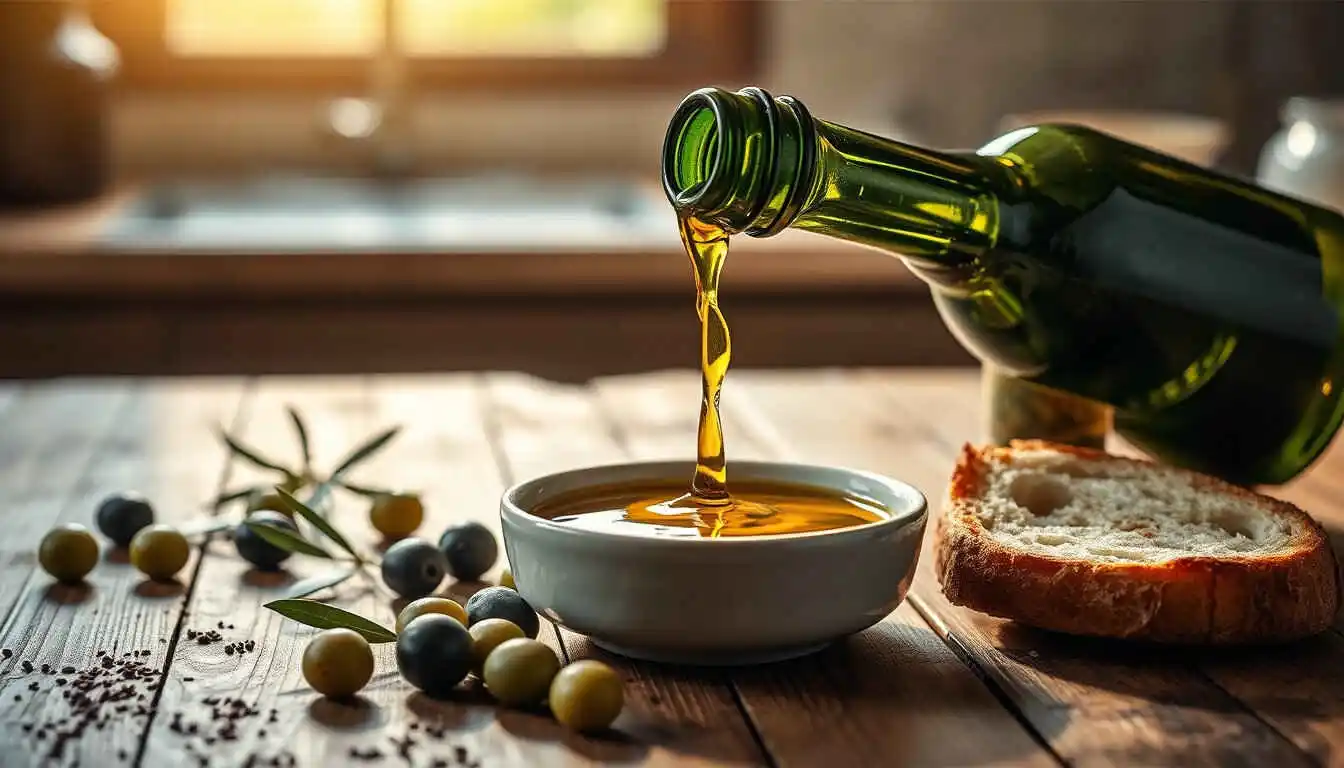
The olive oil industry is not stuck in the past. Today, a new generation of producers is blending ancient agricultural wisdom with cutting-edge technology.
The Rise of the “New World” Oils
While Europe (Spain, Italy, Greece) still produces the vast majority of the world’s olive oil, the “New World” is rapidly gaining respect. California, Australia, Chile, and South Africa are producing world-class EVOOs. Because these regions do not have the centuries of entrenched (and sometimes corrupt) commodity trading, they often operate with higher transparency and stricter quality controls. California, in particular, has led the charge with the COOC, setting standards that are often stricter than those of the IOC.
Sustainability and Climate Change
Olive trees are incredibly resilient and require significantly less water than crops like almonds or avocados. However, extreme droughts and rising temperatures in the Mediterranean are threatening global supply. In response, farmers are implementing ultra-efficient drip irrigation, utilizing solar power in their mills, and returning to traditional dry-farming techniques. Furthermore, the byproducts of olive oil production—once considered toxic waste—are being repurposed. Olive pomace is now being used to create biofuel, compost, and even bioplastics.
High-Polyphenol Oils as Supplements
As the scientific understanding of oleocanthal and hydroxytyrosol expands, a new market has emerged: “High-Phenolic” or “Medical-Grade” EVOO. These are oils specifically produced from early-harvest olives, milled with absolute precision to maximize the polyphenol content to therapeutic levels. While expensive, they represent a shift in how we view food—not just as sustenance, but as precise, preventative medicine.
Conclusion: A Final Toast to the Olive
Olive oil is more than a condiment. It is a bridge between our ancient past and our healthy future. It is a testament to human ingenuity, a cornerstone of the world’s most celebrated diet, and a daily reminder that nature often provides the most potent medicine in the most delicious packages.
The next time you uncork a bottle of authentic extra virgin olive oil, take a moment. Swirl it, inhale the aroma of cut grass and green tomato, and let the peppery finish catch in the back of your throat. Know that in that sip, you are tasting the sun of the Mediterranean, the labor of generations of farmers, and the profound science of one of nature’s greatest gifts.
Don’t settle for the fake stuff. Don’t be intimidated by the labels. Armed with the knowledge of how it’s made, how it heals, and how to buy it, you now hold the key to unlocking the true power of liquid gold.
FAQS
Grades & Production
1.What exactly is Extra Virgin Olive Oil (EVOO)?
EVOO is the highest grade of olive oil, extracted solely by mechanical means without heat or chemicals, with a free acidity of no more than 0.8% and zero sensory defects.
2.What does “cold-pressed” mean?
It means the olive paste was kept below 27°C (80.6°F) during the malaxation (churning) process, which preserves the flavor and health-promoting polyphenols.
3.Is “first press” olive oil better?
The term is largely a marketing relic today. Almost all modern EVOO is extracted in a single process using centrifuges, making “first press” technically true but not a special distinction.
4.What is the difference between EVOO and “Pure” olive oil?
“Pure” or “Classic” olive oil is a blend of refined, odorless oil and a small percentage (5-15%) of virgin oil, whereas EVOO is unrefined, purely extracted olive juice.
5.What is olive pomace oil?
It is a low-grade oil extracted from the leftover paste (pomace) using chemical solvents like hexane, then refined. It is best avoided for culinary and health purposes.
Health & Nutrition
6.What makes olive oil so healthy?
It is rich in heart-healthy monounsaturated fats (oleic acid) and packed with powerful antioxidants called polyphenols that fight inflammation and oxidative stress.
7.What are polyphenols in olive oil?
They are potent micronutrient antioxidants found in unrefined olive oil. The most famous are oleocanthal, hydroxytyrosol, and oleuropein.
- Why does high-quality olive oil burn the back of my throat?
That peppery burn is caused by oleocanthal, a polyphenol that has the exact same anti-inflammatory pathway as ibuprofen. It is a sign of a high-quality, fresh EVOO!
- Can olive oil help prevent heart disease?
Yes. Studies like the PREDIMED trial show that EVOO lowers LDL (“bad”) cholesterol, raises HDL (“good”) cholesterol, and prevents the oxidation of LDL, significantly reducing cardiovascular risk.
- Is olive oil good for brain health?
Yes. The MUFAs and polyphenols in EVOO cross the blood-brain barrier, and oleocanthal has been shown to help clear amyloid-beta plaques associated with Alzheimer’s disease.
- Does cooking olive oil destroy its health benefits?
While high heat can degrade some polyphenols, the stable monounsaturated fats remain intact. Even cooked EVOO retains significant anti-inflammatory properties compared to other cooking fats.
Cooking & Culinary Use
- Can you fry and sauté with extra virgin olive oil?
Absolutely. High-quality EVOO has a smoke point between 375°F and 410°F, making it perfectly safe and healthy for everyday sautéing and roasting.
- Why is EVOO better for cooking than seed oils?
EVOO is rich in stable monounsaturated fats and antioxidants, making it highly resistant to oxidative degradation at high heat, unlike polyunsaturated seed oils (like canola or sunflower).
- Which olive oil should I use for baking?
A delicate or buttery EVOO (often late-harvest) is great for baking as a healthy substitute for butter, providing moisture without an overpowering olive flavor.
- How should I pair olive oil with food?
Use robust, peppery oils for finishing steaks and hearty dishes, medium fruity oils for sautéing and vinaigrettes, and delicate oils for fish and baking.
Buying & Authenticity
- How common is olive oil fraud?
It is a significant issue. Because EVOO is expensive to produce, it is often cut with cheaper seed oils, artificially colored, or mislabeled regarding its origin.
- How can I tell if my olive oil is real?
Look for a harvest date, dark glass or tin packaging, specific geographic origins (not just “bottled in”), and independent certifications like COOC or PDO.
- What does “Bottled in Italy” really mean?
It often means the olives were grown in multiple countries (like Tunisia or Spain), shipped to Italy, blended, and bottled there to command a higher price. Look for specific estates instead.
- Does the color of olive oil indicate quality?
No. Color ranges from green to golden yellow based on the olive variety and harvest time. Professional tasters use colored glasses to prevent color from influencing their judgment.
- Does “Light” olive oil have fewer calories?
No. “Light” refers to the flavor and color, not the fat or calorie content. All olive oils have 120 calories and 14 grams of fat per tablespoon. “Light” oil is mostly refined.
- What certifications should I look for?
Look for COOC (California Olive Oil Council), EVA (Extra Virgin Alliance), or PDO/PGI (Protected Designation of Origin) seals to ensure quality and authenticity.
- Why is real EVOO so expensive?
It takes 10-15 pounds of olives to make just one liter of oil. The harvesting and pressing process is labor-intensive and time-sensitive, driving up the cost of authentic oil.
Storage & Shelf Life
- How should I store my olive oil?
In a cool, dark place, away from the stove and oven. Heat, light, and air are the three enemies of olive oil.
- Should I store olive oil in the refrigerator?
No. Refrigeration causes condensation inside the bottle, introducing water to the oil, and repeated warming and cooling degrades the oil faster.
- Does olive oil expire?
Yes. It is a fresh fruit juice. Look for a harvest date; oil is generally best within 12-18 months of harvest, and should be consumed within 30-60 days of opening.
- How can I tell if my olive oil has gone rancid?
Rancid oil smells like old nuts, crayons, or waxy cardboard. It loses its grassy, fruity aroma and tastes flat or stale.
- Are open pour spouts bad for olive oil?
They look professional but allow constant air exposure. It is better to keep the original screw cap on the bottle when not actively pouring.
Other Uses & Myths
- Does the “fridge test” prove if olive oil is real?
No. Whether an oil solidifies in the fridge depends on its specific fatty acid profile and olive variety. Some real EVOOs cloud up; others don’t. Adulterators know this and work around it.
- Can I use olive oil on my skin?
Yes. EVOO is an excellent moisturizer, makeup remover, and hair treatment due to its vitamin E and polyphenol content, which protect the skin from free radicals.
- Is unfiltered olive oil better than filtered?
Unfiltered oil has tiny particles of olive flesh that give it a robust flavor initially, but these particles cause it to spoil much faster. Filtered oils are more stable and not considered inferior.
Medical Disclaimer: The information provided on this website is for general educational and informational purposes only and is not intended as a substitute for professional medical advice, diagnosis, or treatment. Always seek the advice of your physician or other qualified health provider with any questions you may have regarding a medical condition. Never disregard professional medical advice or delay in seeking it because of something you have read on this website.

