

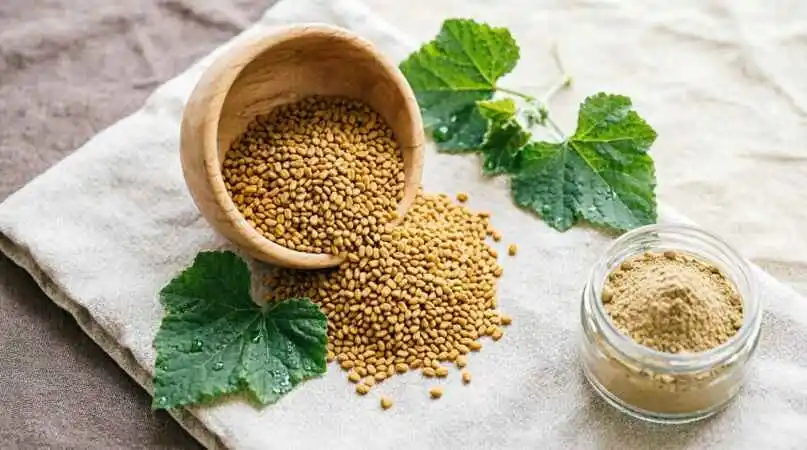
Fenugreek is generally well tolerated in food amounts and standard supplemental doses, but it isn’t without considerations. The most common side effects are mild digestive symptoms, including bloating, gas, or diarrhea, especially when someone starts with a high dose rather than easing in gradually. As mentioned earlier, a harmless maple-syrup-like body odor is another frequently reported, if surprising, side effect.
Because fenugreek has mild blood-sugar-lowering and phytoestrogenic properties, certain groups should be especially cautious. People taking diabetes medication or insulin should monitor blood sugar closely and consult a healthcare provider, since combined effects could push glucose lower than intended. Pregnant women are generally advised to avoid fenugreek supplementation outside of specific medical guidance, since in larger amounts it has traditionally been associated with uterine stimulation. People with hormone-sensitive conditions, thyroid disorders, or those on blood-thinning medication should also check with a doctor first, since fenugreek may interact with these situations.
As with any supplement, quality and sourcing matter. Choosing a reputable brand, starting with a lower dose, and paying attention to how your body responds are all sensible steps — and, as always, a conversation with a healthcare provider is the safest starting point before adding fenugreek to your routine, particularly for anyone managing an existing health condition or taking medication.
It’s also worth building in patience. Because fenugreek’s effects tend to be gradual and cumulative rather than immediate, many people who stop after a few days without noticing dramatic changes miss out on benefits that research suggests typically emerge over several consistent weeks. Keeping a simple log of dosage, timing, and how you feel can make it much easier to tell whether fenugreek is genuinely working for your specific goal, rather than relying on guesswork.
Conclusion: An Old Remedy That Keeps Proving Itself
Fenugreek’s story is unusual in the world of health trends. Most ‘discoveries’ in wellness are new to us but ancient to someone, somewhere — and fenugreek might be the clearest example of that pattern. It didn’t need a viral moment or a celebrity endorsement to earn its place in kitchens and medicine cabinets across multiple continents; it earned that place slowly, generation after generation, long before anyone ran a clinical trial to explain why it worked.
What’s happening now is simply science catching up to tradition, confirming through modern research what herbalists, midwives, and home cooks already suspected: that this small, bitter, maple-scented seed genuinely supports blood sugar balance, heart health, digestion, hormonal wellness, and more. It’s not a miracle cure, and it isn’t meant to replace medical care — but as a well-studied, deeply traditional addition to a healthy lifestyle, fenugreek has more than earned its spot back on your spice rack.
This article is for general informational purposes and isn’t a substitute for personalized medical advice — talk to a healthcare provider before starting fenugreek, especially if you’re pregnant, breastfeeding, managing a health condition, or taking medication.
FAQS
- What is fenugreek used for the most?
Fenugreek is most commonly used to support healthy blood sugar levels, aid digestion, and increase breast milk supply in breastfeeding mothers, though it’s also popular for hormonal support, cholesterol management, and hair and skin care.
- Does fenugreek actually lower blood sugar?
Several clinical studies suggest fenugreek can modestly lower fasting blood sugar and improve glucose tolerance, largely due to its soluble fiber and a unique amino acid that supports insulin response, though it should complement, not replace, medical treatment.
- How do you take fenugreek for blood sugar support?
People commonly soak fenugreek seeds overnight and consume them in the morning, brew them into a tea, or take a standardized extract capsule, though the right approach and dose should be discussed with a healthcare provider first.
- Can fenugreek help increase breast milk supply?
Fenugreek has a long traditional reputation as a galactagogue, and some studies support increased milk volume with supplementation, though results vary and it’s best used under guidance from a lactation consultant or doctor.
- Is fenugreek safe during pregnancy?
Fenugreek is generally not recommended in supplemental doses during pregnancy without medical guidance, since larger amounts have traditionally been associated with uterine stimulation, so it’s best to consult a doctor before use.
- Why does fenugreek make sweat and urine smell like maple syrup?
Fenugreek contains a natural compound called sotolon, which has a maple-like aroma and can be excreted through sweat and urine after consumption. It’s a harmless, well-documented side effect rather than a cause for concern.
- Does fenugreek help with cholesterol?
Research suggests fenugreek’s soluble fiber and saponin compounds can modestly reduce total cholesterol, LDL cholesterol, and triglycerides, making it a supportive addition to a heart-healthy diet alongside medical care when needed.
- Can fenugreek boost testosterone levels?
Some clinical trials have linked fenugreek extract to modest increases in testosterone and improvements in libido and energy, though results vary between studies and it should be viewed as a supportive option rather than a guaranteed effect.
- Is fenugreek good for hair growth?
Fenugreek has a long traditional use in hair care, valued for its proteins, mucilage, and nicotinic acid, which are believed to support scalp health and reduce dandruff, though large-scale clinical evidence is still limited.
- How do you use fenugreek for hair?
A common traditional method involves soaking fenugreek seeds overnight, grinding them into a paste, and applying the mixture to the scalp and hair for a period before rinsing, often combined with oils like coconut or mustard oil.
- Can fenugreek help with weight loss?
Fenugreek fiber may increase feelings of fullness and modestly reduce calorie intake at meals, according to small studies, but it works best as a supportive habit alongside a balanced diet rather than a standalone weight-loss solution.
- What does fenugreek taste like?
Fenugreek has a distinctive bittersweet flavor often compared to a mix of maple syrup and celery, which mellows and becomes more aromatic when the seeds are toasted or the herb is cooked into a dish.
- Can you eat fenugreek seeds raw?
Yes, though raw fenugreek seeds are quite bitter, so many people soak them overnight to soften the flavor, or lightly toast them, which brings out a milder, nuttier taste before eating or grinding them.
- What is the difference between fenugreek seeds and fenugreek leaves?
Fenugreek seeds are the small, hard, golden seeds typically used in spice blends and supplements, while fenugreek leaves, often called methi, are the fresh or dried leafy green part of the plant used in cooking like a vegetable herb.
- Is fenugreek an anti-inflammatory herb?
Fenugreek contains flavonoids and polyphenols with documented antioxidant activity in laboratory studies, supporting its traditional use as an anti-inflammatory remedy, though large human trials isolating this specific effect are still limited.
- Can men and women both benefit from fenugreek?
Yes, fenugreek has research supporting benefits for both men, particularly around testosterone and libido, and women, particularly around lactation, menstrual comfort, and general hormonal support, making it a versatile herb for multiple audiences.
- Does fenugreek interact with medications?
Fenugreek can interact with diabetes medication, blood thinners, and certain hormone-related treatments, since it has mild blood-sugar-lowering and phytoestrogenic effects, so anyone on medication should consult a healthcare provider before starting it.
- How long does it take to see results from fenugreek?
Timelines vary widely by use case and individual, but many studies on blood sugar, cholesterol, or milk supply used consistent daily supplementation over several weeks before measurable changes were observed.
- What form of fenugreek is most effective?
Standardized extract capsules tend to offer the most consistent, measurable dosing and are the form most commonly used in clinical research, though seeds, powder, and tea remain popular, effective traditional options for everyday use.
- Are there any common side effects of fenugreek?
The most commonly reported side effects are mild digestive issues like bloating, gas, or diarrhea, along with a harmless maple-like body odor, both of which tend to improve when starting with a lower dose.
- Can fenugreek help with menstrual cramps?
Some research suggests fenugreek may help ease menstrual discomfort when taken around the start of a period, potentially due to its mild anti-inflammatory and hormone-supportive properties, though more research is still needed.
- Is fenugreek safe for people with thyroid conditions?
People with thyroid disorders should talk to a doctor before using fenugreek regularly, since its hormonal activity and potential interactions with thyroid function haven’t been extensively studied and caution is generally advised.
- Can fenugreek be used in cooking every day?
Yes, fenugreek seeds and leaves are used daily in many South Asian and Middle Eastern cuisines as a flavoring ingredient in curries, spice blends, and breads, typically in amounts well within normal dietary safety.
- What nutrients are found in fenugreek seeds?
Fenugreek seeds contain soluble fiber, plant protein, iron, magnesium, manganese, and antioxidant compounds like saponins and flavonoids, which together contribute to its wide range of traditional and research-supported health benefits.
- Does fenugreek help with digestion and constipation?
Fenugreek’s soluble fiber can add bulk to stool and support more regular bowel movements, and it has traditionally been used to soothe occasional stomach upset and bloating as part of everyday digestive support.
- Can fenugreek be taken long-term?
Many traditional uses involve regular, long-term consumption in food amounts, but for concentrated supplements, it’s best to follow product guidance and check in with a healthcare provider periodically, especially with any ongoing medication use.
- Is fenugreek safe for children?
Fenugreek supplementation in children hasn’t been extensively studied, so it’s best used only in small culinary food amounts for kids, and any supplemental use should be discussed with a pediatrician first.
- What is the recommended dosage of fenugreek?
Dosages vary widely depending on the form and purpose, with clinical studies commonly using anywhere from a few grams of seed powder to standardized extract capsules daily, so following product labeling and professional guidance is important.
- Can fenugreek cause allergic reactions?
Since fenugreek is part of the legume family, people with allergies to peanuts, chickpeas, or soybeans should be cautious, as cross-reactivity is possible, and should discontinue use and seek medical care if any allergic symptoms occur.
- Does fenugreek have any research-backed skin benefits?
Fenugreek’s antioxidant and anti-inflammatory compounds are the basis for traditional use in soothing minor skin irritation and supporting an even complexion, though this is more rooted in traditional practice than large-scale clinical trials.
Medical Disclaimer: The information provided on this website is for general educational and informational purposes only and is not intended as a substitute for professional medical advice, diagnosis, or treatment. Always seek the advice of your physician or other qualified health provider with any questions you may have regarding a medical condition. Never disregard professional medical advice or delay in seeking it because of something you have read on this website.

