

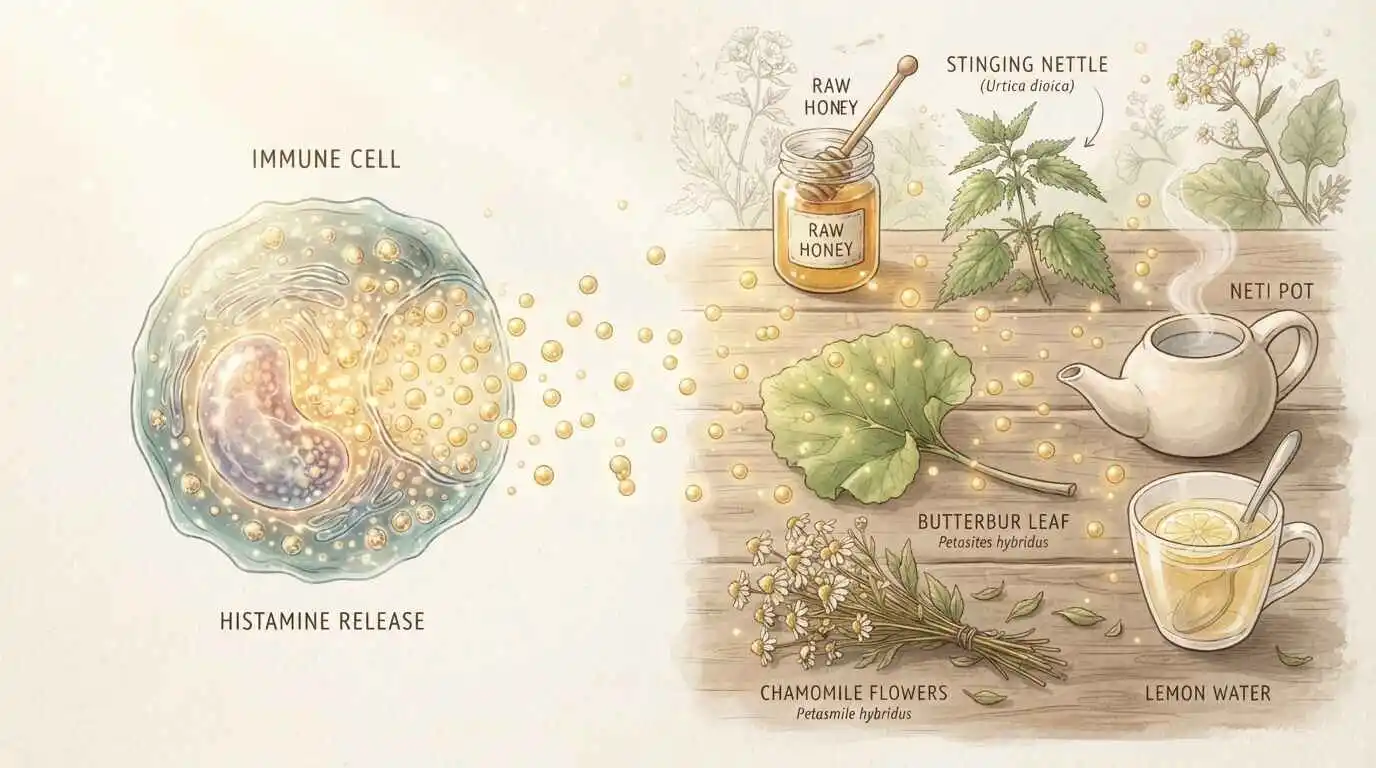
Sneezing, Swelling, Itching: The Ultimate Guide to Allergies and the Natural Remedies That Actually Work
There is a particular kind of frustration that comes with a body that overreacts to the world around it. A sneeze that will not stop. A patch of skin that flares up after touching a plant. A throat that tightens after a bite of shellfish. Allergies are among the most common chronic conditions on the planet, quietly shaping how hundreds of millions of people plan their days, stock their kitchens, and choose their homes. And yet, despite how widespread allergies are, the conversation around them is often reduced to a single antihistamine tablet and a shrug.
This guide takes a wider view. We will walk through the major categories of allergies, from the seasonal sneezing of hay fever to the more serious territory of food and insect sting reactions, and explore the natural, evidence-informed remedies that people around the world use to manage them. Some of these remedies have real scientific backing. Others are time-tested traditions with more modest research behind them. All of them are presented here with one goal in mind: helping you understand your own immune system well enough to work with it, not against it.
What Exactly Is an Allergy?
At its core, an allergy is a case of mistaken identity. The immune system, whose entire job is to detect and neutralize genuine threats like bacteria and viruses, misidentifies a harmless substance, whether that is pollen, peanut protein, or cat dander, as dangerous. In response, it produces antibodies called Immunoglobulin E, or IgE, specifically tuned to that substance.
The next time the body encounters that same substance, these IgE antibodies trigger specialized cells called mast cells and basophils to release a flood of chemicals, most notably histamine. Histamine is the molecule responsible for the classic allergy symptoms: swelling, itching, redness, mucus production, and in more severe cases, airway constriction. This is why so many natural and conventional remedies alike are, in one way or another, aimed at either reducing histamine release or calming its downstream effects.
Understanding this mechanism matters because it explains why some remedies work quickly, like an antihistamine blocking the histamine receptor within the hour, while others, like dietary changes or gut health support, work more slowly by influencing how reactive the immune system is in the first place.
The Usual Suspects: Common Types of Allergies
Allergies are not a single condition but a family of related immune responses, each with its own triggers, symptoms, and management strategies. Below, we break down the most common categories and the natural approaches associated with each.
1. Seasonal and Pollen Allergies (Hay Fever)
Allergic rhinitis, commonly known as hay fever, is triggered by airborne pollen from trees, grasses, and weeds, depending on the time of year. Symptoms typically include sneezing, a runny or blocked nose, itchy eyes, and a persistent post-nasal drip. Because pollen counts vary by region and season, many sufferers notice their symptoms following a predictable annual pattern.
Natural remedies that people commonly use for seasonal allergies include:
Local honey: The theory behind local honey is that it contains trace amounts of local pollen, and consuming small amounts regularly may help the body build a gradual tolerance, similar in principle to allergen immunotherapy. While anecdotal reports are common, controlled research on this effect remains mixed, so it is best viewed as a gentle, low-risk complement rather than a primary treatment.
Nasal saline irrigation: Using a neti pot or squeeze bottle filled with a sterile saline solution to rinse the nasal passages physically flushes out pollen, allergens, and excess mucus. This is one of the more consistently supported non-drug interventions for allergic rhinitis, and many people use it daily during high-pollen periods.
Butterbur extract: Certain studies suggest that PA-free butterbur extract, meaning it has had the liver-toxic pyrrolizidine alkaloids removed, may reduce nasal symptoms with an effectiveness comparable to some antihistamines. This remedy underscores an important theme in natural medicine: the specific preparation matters enormously, and raw or unprocessed butterbur should be avoided.
Quercetin: This plant flavonoid, found naturally in onions, apples, and citrus, is believed to help stabilize mast cells so they release less histamine in the first place. Some people begin taking quercetin supplements a few weeks before their typical allergy season starts, aiming to blunt the intensity of the reaction before it begins.
2. Food Allergies
Food allergies occur when the immune system reacts to specific proteins in foods such as peanuts, tree nuts, shellfish, eggs, milk, wheat, or soy. Reactions can range from mild itching and hives to severe, life-threatening anaphylaxis involving throat swelling and breathing difficulty. Unlike many other allergy types, food allergies carry a genuine risk of medical emergency, and this distinction shapes how natural approaches should be used.
For food allergies, the most important natural approach is not a remedy at all but a practice: strict avoidance of the identified trigger food, supported by careful label reading and communication with restaurants and caregivers. Beyond avoidance, several supportive strategies are commonly discussed:
Gut microbiome support: A growing body of research links the diversity and balance of gut bacteria to how the immune system develops and regulates itself, including its tendency toward allergic responses. Fermented foods like yogurt, kefir, sauerkraut, and kimchi, along with probiotic supplements, are often used as a longer-term supportive strategy, particularly in children, where early gut health may influence lifelong allergy risk.
Elimination and reintroduction diets: For those with suspected but unconfirmed food sensitivities, an elimination diet, in which suspected trigger foods are removed for a period and then reintroduced one at a time, can help pinpoint specific culprits. This process works best when guided by a healthcare provider or registered dietitian, both to ensure nutritional adequacy and to manage any risk if a genuine allergy, rather than a mild intolerance, is uncovered.
Oral allergy syndrome awareness: People with pollen allergies sometimes experience itching or mild swelling in the mouth after eating certain raw fruits and vegetables, such as apples, melons, or celery, because the proteins resemble pollen proteins the immune system already recognizes. Cooking the food often deactivates the protein and eliminates the reaction, which is a useful and very natural workaround for many people.
3. Dust Mite Allergies
Dust mites are microscopic creatures that thrive in warm, humid environments, feeding on shed skin cells found in mattresses, pillows, carpets, and upholstered furniture. It is not the mites themselves but proteins in their waste that trigger allergic reactions, which commonly include sneezing, congestion, and worsened asthma symptoms, particularly at night and in the morning.
Because dust mites are a home environment issue rather than a seasonal one, natural remedies here lean heavily toward household practices:
Hot water washing: Washing bedding weekly in water above 130°F, or about 54°C, is one of the most effective non-medical strategies, since dust mites and their allergenic waste cannot survive that temperature.
Allergen-proof covers: Encasing mattresses and pillows in tightly woven, allergen-proof covers creates a physical barrier that prevents mite waste from becoming airborne during sleep.
Humidity control: Since dust mites thrive in humidity above 50 percent, using a dehumidifier, especially in bedrooms, can meaningfully reduce their population over time.
HEPA vacuuming: Regular vacuuming with a HEPA-filter vacuum, rather than a standard filter that can recirculate fine particles, helps physically remove mite allergens from carpets and soft furnishings.
4. Pet Dander Allergies
Pet allergies are triggered by proteins found in an animal’s skin flakes, saliva, and urine, not the fur itself, which is why even hairless pets can trigger reactions in sensitive individuals. Symptoms often mirror hay fever, including sneezing, itchy eyes, and nasal congestion, but can also include skin reactions after direct contact.
For pet owners unwilling to part with their animals, several natural strategies can meaningfully reduce allergen exposure:
Designated pet-free zones: Keeping pets out of the bedroom, where people spend roughly a third of their day, can substantially reduce nightly allergen exposure.
Frequent grooming: Regular bathing and brushing, ideally done by a non-allergic household member or outdoors, reduces the amount of loose dander in the living environment.
HEPA air purifiers: Placing HEPA purifiers in main living areas can capture airborne dander particles that settle into fabric and carpet otherwise.
Frequent cleaning of soft surfaces: Dander clings to carpets, curtains, and upholstery, so regular washing and vacuuming of these surfaces helps prevent allergen buildup.
5. Insect Sting Allergies
Reactions to bee, wasp, hornet, and fire ant stings range from normal, localized swelling and pain to, in a smaller subset of people, severe systemic allergic reactions that can be life-threatening. This is one category where the line between natural remedy and medical emergency must be drawn clearly and firmly.
For typical, localized sting reactions, several gentle remedies are widely used:
Cold compresses: Applying a cold pack to the sting site helps constrict blood vessels, reducing both swelling and the sensation of itching or pain.
Diluted baking soda paste: A paste made from baking soda and water is a traditional remedy believed to help neutralize some of the irritating compounds in insect venom and soothe the skin.
Elevation: Keeping the stung area elevated, when practical, can help reduce localized swelling by supporting fluid drainage.
However, if a sting is followed by symptoms like widespread hives, difficulty breathing, throat tightness, dizziness, or swelling far from the sting site, this indicates a systemic allergic reaction, and immediate emergency medical care, including epinephrine if available, is essential. No natural remedy is appropriate or sufficient in that scenario.
6. Skin Allergies: Contact Dermatitis and Eczema
Skin-based allergic reactions generally fall into two categories: contact dermatitis, triggered by direct exposure to an irritant or allergen such as certain metals, fragrances, or plants like poison ivy, and eczema, a chronic inflammatory skin condition often linked to a compromised skin barrier and an overactive immune response, frequently overlapping with other allergic conditions.
Common natural approaches for skin allergies include:
Colloidal oatmeal baths: Finely ground oatmeal suspended in bathwater has long been used to soothe itching and inflammation, and modern research supports its skin-calming properties, largely due to compounds called avenanthramides.
Fragrance-free moisturizing: Regularly applying a thick, fragrance-free moisturizer helps repair and reinforce the skin barrier, which is often compromised in both eczema and contact dermatitis, reducing the frequency and severity of flare-ups.
Identifying and avoiding triggers: For contact dermatitis specifically, patch testing and careful attention to new products, jewelry, or plant exposure can help identify the specific irritant so it can be avoided going forward.
Ceramide-rich skincare: Ceramides are lipids naturally found in skin that help maintain its protective barrier; skincare products formulated with them can support the skin’s ability to retain moisture and resist irritants.
7. Medication Allergies
Medication allergies, most commonly to antibiotics like penicillin, occur when the immune system reacts to a drug or one of its components. Reactions can range from mild rashes to severe, whole-body responses. Unlike the other categories discussed here, medication allergies are not an area where natural remedies play a meaningful role during an active reaction.
The most important natural, common-sense practice is documentation and communication: keeping a clear, updated record of known drug allergies, wearing a medical alert bracelet if the reaction has been severe, and always informing new healthcare providers before any prescription or procedure. This simple habit prevents far more harm than any remedy could treat after the fact.
General Natural Remedies That Support All Allergy Types
Beyond the category-specific approaches above, several broader natural strategies are commonly used to support overall immune balance and reduce allergic sensitivity across the board.
Vitamin C: Known for its role in immune health, vitamin C also appears to help break down histamine in the body, which is why many people increase their intake of citrus fruits, bell peppers, and leafy greens during allergy season.
Omega-3 fatty acids: Found in fatty fish, flaxseed, and walnuts, omega-3s have anti-inflammatory properties that some research links to reduced allergic airway inflammation when consumed consistently over time.
Turmeric and curcumin: The active compound in turmeric, curcumin, has anti-inflammatory effects that some people use to help calm the broader inflammatory response associated with allergic reactions, often combined with black pepper to improve absorption.
Probiotics and fermented foods: As discussed earlier in the context of food allergies, a healthy and diverse gut microbiome appears to play a meaningful role in how the immune system regulates its allergic responses, making fermented foods and probiotic supplements a common long-term supportive strategy.
Stinging nettle: Despite its name, stinging nettle is a widely used herbal remedy for allergic rhinitis, believed to have natural antihistamine properties. It is typically consumed as a tea or freeze-dried supplement.
Hydration: Drinking enough water throughout the day helps keep mucus thin and more manageable, making congestion feel less overwhelming, even though hydration alone will not resolve an allergic reaction.
Stress management: Because stress hormones can influence immune reactivity, practices like regular sleep, moderate exercise, and mindfulness are frequently included in holistic approaches to allergy management, not as direct treatments but as supportive habits that keep the immune system from being needlessly primed for overreaction.
Lifestyle and Prevention Tips
Beyond specific remedies, a handful of everyday habits go a long way in reducing overall allergen exposure and easing symptom burden across nearly every allergy type discussed above.
Monitoring pollen and air quality forecasts allows people with seasonal allergies to plan outdoor activities around lower-exposure windows, often in the late afternoon after morning pollen counts have settled. Showering and changing clothes after spending time outdoors prevents pollen from being carried into the bedroom and transferred onto pillows and bedding. Keeping windows closed during high-pollen periods and relying on air conditioning with a clean filter instead can meaningfully reduce indoor allergen levels. For dust and dander sensitivities, decluttering the home, particularly removing heavy curtains, excess soft furnishings, and rarely-used carpets, reduces the surface area available for allergens to accumulate.
It is also worth keeping a simple symptom journal, noting what you ate, where you were, and what the weather or pollen count looked like on days when symptoms flare. Over weeks and months, this kind of tracking often reveals patterns that are difficult to notice in the moment, helping you and your healthcare provider narrow down triggers with far more precision than guesswork alone.
When Natural Remedies Aren’t Enough: Knowing the Limits
Natural remedies have a genuine and valuable place in allergy management, particularly for mild to moderate symptoms and as long-term supportive strategies. However, it is essential to recognize their limits clearly. Severe allergic reactions, including anaphylaxis, involve rapid swelling of the throat or face, difficulty breathing, a sudden drop in blood pressure, or widespread hives, and require immediate emergency medical treatment, typically epinephrine, followed by professional medical evaluation. No herbal remedy, dietary change, or home practice is an appropriate substitute in that moment.
Similarly, anyone with a diagnosed severe allergy, particularly to foods, insect stings, or medications, should always carry prescribed emergency medication as directed by their doctor and should view natural approaches as complementary to, rather than a replacement for, that medical safety net. If you are ever uncertain whether a symptom is mild or serious, it is always safer to seek medical attention than to wait it out.
For milder, chronic symptoms like seasonal congestion, occasional hives, or mild skin irritation, natural remedies offer a genuinely useful toolkit, one that many people combine thoughtfully with conventional treatments rather than choosing one approach exclusively over the other.
A Quick Note on Histamine Intolerance and Low-Histamine Eating
Separate from classic IgE-driven allergies, some people experience symptoms that closely resemble an allergic reaction, flushing, headaches, hives, or digestive upset, after eating foods that are naturally high in histamine, rather than foods their immune system specifically targets. This is often referred to as histamine intolerance, and it typically arises when the body’s capacity to break down histamine, largely through an enzyme called diamine oxidase, is overwhelmed or reduced.
Common high-histamine culprits include aged cheeses, cured and processed meats, fermented foods like sauerkraut and kombucha, red wine, and leftovers that have been sitting in the refrigerator for more than a day or two, since histamine levels in food tend to climb the longer it sits. For people who suspect histamine intolerance, a temporary low-histamine eating pattern, favoring freshly prepared meals, fresh fruits and vegetables, and freshly cooked meat or fish, can sometimes bring noticeable relief within a couple of weeks.
It is worth noting that this is a different mechanism from a true food allergy, and the overlap in symptoms is exactly why so many people struggle to identify what is really happening in their body. A careful food and symptom diary, ideally reviewed alongside a doctor or dietitian, remains one of the most reliable natural tools for telling the two apart, since the treatment approach for each is meaningfully different.
This distinction also explains why some people find that antihistamines and gut-supportive strategies help more than strict allergen avoidance alone, and why others find the opposite. Allergic reactions are rarely one-size-fits-all, and the more precisely a person can map their own pattern of triggers, timing, and symptoms, the more effectively any remedy, natural or conventional, tends to work.
Bringing It All Together
Allergies, in all their forms, are ultimately a story about a body trying, a little too enthusiastically, to protect itself. Understanding the specific type of allergy at play, whether it is the seasonal misery of pollen, the more serious territory of food and insect stings, or the everyday irritation of dust and dander, is the first step toward finding remedies that genuinely fit your situation.
From a spoonful of local honey to a saline rinse each morning, from a gut-friendly diet to a well-timed dose of quercetin, natural remedies offer a wide and often surprisingly well-supported toolkit for easing the burden of allergic reactions. Used thoughtfully, and always alongside appropriate medical care when symptoms are serious, they can meaningfully improve how your body handles a world full of pollen, proteins, and everyday triggers.
Frequently Asked Questions
| Question | Answer |
| 1. What is the difference between a food allergy and a food intolerance? | A food allergy involves the immune system mistakenly identifying a food protein as dangerous and launching an antibody response that can affect breathing, skin, and circulation. A food intolerance, such as lactose intolerance, is a digestive issue that causes discomfort but does not involve the immune system and is rarely life-threatening. |
| 2. Can allergies develop suddenly in adulthood? | Yes. It is increasingly common for adults to develop new allergies to foods, pollen, or pets they previously tolerated. Changes in gut bacteria, hormone shifts, and cumulative immune exposure are all thought to play a role. |
| 3. Is local honey actually effective for pollen allergies? | Some people report relief, and the idea is that trace pollen in local honey may help the body build tolerance, similar to allergen immunotherapy. However, controlled studies have not consistently proven this effect, so it should be viewed as a gentle complementary approach rather than a guaranteed fix. |
| 4. What is quercetin and how does it help with allergies? | Quercetin is a plant flavonoid found in onions, apples, and capers that appears to stabilize mast cells, the cells responsible for releasing histamine. Some people take quercetin supplements in the weeks leading up to allergy season to potentially reduce histamine release. |
| 5. Are essential oils safe for allergy symptoms? | Certain essential oils like peppermint or eucalyptus are sometimes used for congestion, but they can also irritate the airways or trigger reactions in sensitive individuals, especially children and people with asthma. They should be diluted, used cautiously, and avoided entirely by anyone with a known sensitivity. |
| 6. Does nasal irrigation really help with seasonal allergies? | Rinsing the nasal passages with a saline solution, whether through a neti pot or squeeze bottle, physically flushes out pollen, dust, and mucus. Many people find it meaningfully reduces congestion and post-nasal drip during high-pollen periods. |
| 7. Can probiotics reduce allergy symptoms? | Emerging research suggests that a healthy gut microbiome may help regulate immune responses, including those involved in allergic reactions. Fermented foods and probiotic supplements are commonly explored as a supportive, longer-term strategy rather than an immediate fix. |
| 8. What foods commonly trigger histamine intolerance? | Aged cheeses, cured meats, fermented foods, alcohol, and leftovers that have sat for a while tend to be higher in histamine and may worsen symptoms in people who are sensitive to it. |
| 9. Is it safe to combine natural remedies with allergy medication? | Many natural approaches, like saline rinses or dietary changes, can be used alongside conventional antihistamines. However, some supplements can interact with medications, so it’s wise to check with a healthcare provider before combining them. |
| 10. How long does it take for natural remedies to show results? | Unlike antihistamines, which can work within an hour, many natural approaches such as quercetin, dietary changes, or gut health support tend to build effectiveness over several weeks of consistent use. |
| 11. Can stress make allergies worse? | Yes. Stress hormones can influence immune function and may amplify the intensity of allergic reactions, which is one reason stress management is often included in holistic allergy approaches. |
| 12. What is the role of vitamin C in managing allergies? | Vitamin C has natural antihistamine-like properties and is thought to help break down histamine in the body, which is why citrus fruits, bell peppers, and leafy greens are often recommended during allergy season. |
| 13. Are dust mite allergies only a problem in bedrooms? | Bedrooms tend to be the biggest source because mattresses and pillows accumulate mite debris, but dust mites can also live in carpets, upholstered furniture, and curtains throughout the home. |
| 14. Can washing bedding in hot water reduce dust mite allergens? | Washing sheets and pillowcases weekly in water above 130°F (54°C) is one of the most effective non-medical ways to reduce dust mite allergen levels. |
| 15. What natural remedies help with pet dander allergies? | Frequent grooming of pets, HEPA air purifiers, keeping pets out of the bedroom, and regular vacuuming with a HEPA filter can meaningfully reduce airborne dander even without giving up a pet. |
| 16. Is butterbur a proven remedy for seasonal allergies? | Some studies suggest butterbur extract may reduce nasal allergy symptoms as effectively as certain antihistamines, but it must be a PA-free (pyrrolizidine alkaloid-free) preparation, since the raw plant contains compounds that can harm the liver. |
| 17. Can children safely use natural allergy remedies? | Some approaches, like saline rinses and dietary adjustments, are generally considered gentle for children, but herbal supplements and essential oils should only be used under the guidance of a pediatrician, since dosing and safety profiles differ from adults. |
| 18. What is the difference between seasonal and perennial allergic rhinitis? | Seasonal allergic rhinitis flares with specific pollen seasons (tree, grass, or ragweed pollen), while perennial allergic rhinitis is triggered by year-round allergens like dust mites, mold, or pet dander. |
| 19. Does apple cider vinegar help with allergies? | Some people use diluted apple cider vinegar believing it supports digestion and reduces mucus production, though scientific evidence for its direct effect on allergies is limited. It should always be diluted to protect tooth enamel and the esophagus. |
| 20. Can an elimination diet identify hidden food allergies? | An elimination diet, where suspected trigger foods are removed and then slowly reintroduced one at a time, can help identify specific sensitivities, but it should ideally be done with guidance from a doctor or dietitian to avoid nutritional gaps. |
| 21. What is oral allergy syndrome? | Oral allergy syndrome occurs when the immune system confuses proteins in certain raw fruits and vegetables with pollen proteins, causing itching or tingling in the mouth in people with pollen allergies. |
| 22. Are air purifiers worth it for allergy sufferers? | HEPA air purifiers can capture airborne allergens like pollen, dust, and pet dander, making them a genuinely useful tool, especially in bedrooms where people spend many hours breathing the same air. |
| 23. What natural approaches help with eczema flare-ups? | Moisturizing frequently with fragrance-free creams, using colloidal oatmeal baths, minimizing known irritants, and supporting the skin barrier with ceramide-rich products are commonly used gentle approaches. |
| 24. Can turmeric help with allergy inflammation? | Curcumin, the active compound in turmeric, has anti-inflammatory properties that some people use to help calm allergy-related inflammation, often paired with black pepper to improve absorption. |
| 25. Is it true that overly clean environments increase allergy risk? | This is the basis of the ‘hygiene hypothesis,’ which suggests that reduced early childhood exposure to diverse microbes may contribute to a less balanced immune system and higher allergy rates, though this remains an active area of research. |
| 26. What natural remedies help with insect sting reactions? | For mild local reactions, cold compresses and diluted baking soda paste are commonly used to reduce swelling and itching, but any signs of a widespread reaction like difficulty breathing require immediate emergency care rather than home remedies. |
| 27. Can drinking more water help with allergy symptoms? | Staying well hydrated helps thin mucus secretions, which can make congestion feel more manageable, though it is a supportive measure rather than a standalone treatment. |
| 28. Are omega-3 fatty acids helpful for allergies? | Omega-3s from fish oil or flaxseed have anti-inflammatory properties that some research links to reduced allergic airway inflammation over time. |
| 29. When should someone see a doctor instead of relying on natural remedies? | Anyone experiencing difficulty breathing, swelling of the face or throat, widespread hives, or symptoms that do not improve with basic measures should seek medical care promptly rather than continuing with home remedies alone. |
| 30. Can natural remedies replace an EpiPen for severe allergies? | No. Severe or anaphylactic allergic reactions require immediate epinephrine and emergency medical attention; no natural remedy is a substitute for this life-saving treatment. |
⚕️Medical Disclaimer:
The information provided on this website is for general educational and informational purposes only and is not intended as a substitute for professional medical advice, diagnosis, or treatment. Always seek the advice of your physician or other qualified health provider with any questions you may have regarding a medical condition. Never disregard professional medical advice or delay in seeking it because of something you have read on this website.

