

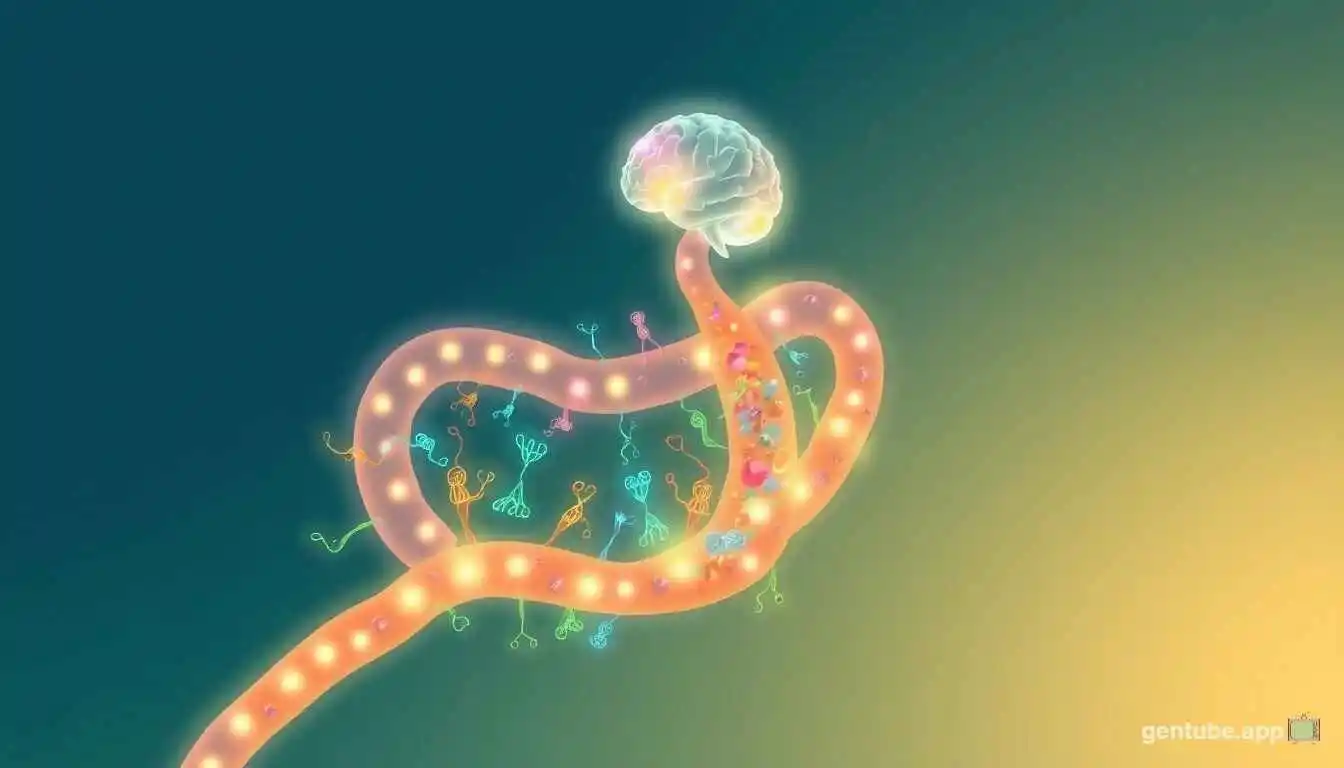
Why Your Microbiome Controls More Than Digestion
Introduction: The Universe Living Inside You
Somewhere between your last meal and your next mood swing, a conversation is happening that you never signed up for. It’s not between you and your stomach acid, and it’s not just about breaking down last night’s dinner. It’s a conversation between you and roughly 38 trillion microorganisms living in your gut — bacteria, viruses, fungi, and other tiny residents that outnumber your own human cells almost one-to-one. Scientists call this bustling internal ecosystem the gut microbiome, and over the past two decades it has gone from a footnote in digestive health textbooks to one of the most studied systems in all of human biology.
For most of modern medical history, the gut was treated like a simple processing plant: food goes in, nutrients get absorbed, waste comes out. Case closed. But that picture has been quietly, dramatically rewritten. Researchers now understand that your gut microbiome doesn’t just handle digestion — it manufactures neurotransmitters, trains your immune system, regulates inflammation, influences how fat is stored, helps determine how hungry you feel, and even shapes your emotional resilience. Some scientists have gone so far as to call the gut a ‘second brain,’ and while that phrase can sound like clickbait, the biology behind it is startlingly real.
This matters because gut health has quietly become one of the most misunderstood corners of wellness. On one hand, you have legitimate, peer-reviewed science showing the gut’s influence on mental health, autoimmune disease, metabolism, and longevity. On the other, you have a flood of probiotic supplements, detox teas, and vague marketing claims that oversimplify a genuinely complex system. The goal of this guide is to cut through that noise: to explain, in plain language, what the microbiome actually is, how it affects far more than digestion, what happens when it falls out of balance, and — most importantly — what you can actually do to support it, starting today.
By the end of this article, you’ll understand why doctors, nutritionists, and researchers increasingly treat the gut not as an isolated organ, but as a control center with wires running to nearly every system in your body. Let’s start at the very beginning: what exactly is living inside you, and why should you care?
What Is the Gut Microbiome, Really?
The gut microbiome refers to the collective community of microorganisms — mainly bacteria, but also viruses, fungi, and archaea — that live primarily in your large intestine. Estimates vary, but a commonly cited figure suggests the average adult gut houses somewhere between 300 and 500 distinct bacterial species, collectively weighing between two and five pounds. That’s roughly the weight of your brain, quietly riding along in your digestive tract.
Each person’s microbiome is close to a biological fingerprint. Even identical twins raised in the same household develop meaningfully different microbial communities. Your unique blend is shaped by a long list of factors: how you were born (vaginal delivery versus C-section), whether you were breastfed or formula-fed as an infant, the antibiotics you’ve taken over your lifetime, where you live, what you eat, how much you sleep, your stress levels, and even the pets you own. This is part of why a probiotic that transforms one person’s digestion can do almost nothing for another — the ecosystem it’s landing in is different every time.
Within this ecosystem, diversity is one of the strongest markers of health. A microbiome with a wide range of bacterial species tends to be more resilient — better able to bounce back after illness, antibiotics, or dietary disruption — while a microbiome dominated by just a few species is generally more fragile and more closely associated with disease states like obesity, inflammatory bowel disease, and metabolic syndrome. Think of it less like a single organ and more like a rainforest: the more varied the species living there, the more stable and productive the whole ecosystem tends to be.
It’s also worth understanding what these microbes are actually doing all day. Gut bacteria ferment fiber that your own digestive enzymes can’t break down, producing short-chain fatty acids (SCFAs) like butyrate, propionate, and acetate. These SCFAs aren’t waste products — they’re signaling molecules that fuel the cells lining your colon, reduce inflammation, and travel through your bloodstream to influence organs far from the gut, including your liver, muscles, and brain. In other words, the fiber you eat for breakfast might, several hours later, be influencing how your brain regulates appetite. That single fact is a good preview of just how far-reaching this system really is.
The Gut-Brain Axis: Meet Your ‘Second Brain’
Of all the microbiome’s roles, its connection to the brain is probably the most surprising — and the most heavily researched in the last decade. This relationship is formally called the gut-brain axis: a two-way communication superhighway linking your digestive system and your central nervous system. It runs through several parallel channels, including the vagus nerve, the immune system, hormonal signaling, and the metabolic byproducts your gut bacteria produce.
The Vagus Nerve: A Direct Line
The vagus nerve is the longest cranial nerve in your body, running from your brainstem down through your neck and chest into your abdomen, where it connects directly to your gut. It’s often described as an information superhighway, but the traffic isn’t evenly split — an estimated 80 to 90 percent of the fibers in the vagus nerve carry signals upward, from the gut to the brain, rather than downward. That means your gut is, quite literally, talking to your brain far more than your brain is talking back. When researchers cut the vagus nerve in animal studies, many of the behavioral effects of gut bacteria on mood and stress response disappear — strong evidence that this nerve is a primary channel for gut-to-brain communication.
Neurotransmitter Factory
Here’s a fact that surprises most people: an estimated 90 to 95 percent of the body’s serotonin — the neurotransmitter most associated with mood regulation and feelings of wellbeing — is produced in the gut, not the brain. Gut bacteria play a direct role in this production, influencing the enzymes that convert the amino acid tryptophan into serotonin. Your microbiome also produces or influences levels of other key neurochemicals, including gamma-aminobutyric acid (GABA), which has a calming effect on the nervous system, and dopamine precursors involved in motivation and reward.
This doesn’t mean gut serotonin floods your brain and directly changes your mood — most of it stays local, regulating gut motility and function. But it does mean the same biological machinery your brain relies on for emotional regulation is deeply intertwined with your digestive system, and disruptions in one frequently show up in the other.
Why Stress Upsets Your Stomach — and Vice Versa
Anyone who has felt nauseated before a big presentation or lost their appetite during a stressful week has experienced the gut-brain axis firsthand. The relationship runs both directions: psychological stress can alter gut motility, increase intestinal permeability, and shift the composition of gut bacteria within days. Conversely, an imbalanced microbiome — a state researchers call dysbiosis — has been linked in multiple studies to increased anxiety-like behavior and altered stress hormone responses. This bidirectional loop is why chronic digestive issues so often travel alongside anxiety, and why gastroenterologists increasingly ask about mental health as part of a full gut health workup.
Your Gut Is Command Central for Immunity
If the gut-brain axis surprises people, the scale of the gut’s role in immunity often surprises them even more. Somewhere between 70 and 80 percent of your body’s immune cells reside in tissue surrounding your gut, in a system known as gut-associated lymphoid tissue, or GALT. This makes evolutionary sense: your gut lining is one continuous surface separating the outside world — everything you eat and drink — from your bloodstream. It has to let nutrients in while keeping pathogens, toxins, and undigested food particles out, all day, every day.
Your gut bacteria are active participants in this defense system, not bystanders. They help train immune cells to distinguish between harmless substances and genuine threats, a process that begins in infancy and continues throughout life. A diverse, well-balanced microbiome tends to produce a calibrated immune response — one that fights real threats without overreacting. A depleted or imbalanced microbiome, on the other hand, has been associated with immune dysregulation, including increased susceptibility to infections and a higher likelihood of autoimmune and allergic conditions.
The Gut Lining and ‘Leaky Gut’
You may have heard the term ‘leaky gut’ in wellness circles, often surrounded by exaggerated claims. The underlying science, however, is legitimate: the cells lining your intestine are held together by structures called tight junctions, and when this lining becomes excessively permeable — a condition researchers refer to as increased intestinal permeability — undigested food particles, bacterial fragments, and toxins can pass into the bloodstream more easily than they should. This can trigger low-grade, chronic inflammation, which has been studied in connection with conditions ranging from inflammatory bowel disease to certain autoimmune disorders. It’s a genuine area of active research, even though some commercial ‘leaky gut’ products overstate what’s currently proven.
The takeaway isn’t to fear every digestive hiccup as a sign of catastrophic gut damage. It’s to recognize that gut lining integrity and microbial balance are foundational to keeping your immune system calibrated correctly — neither underreacting to real threats nor overreacting to harmless ones.
Mood, Mental Health, and the Microbiome
Building on the gut-brain axis, an entire field of research — sometimes called psychobiotics — has emerged around the idea that specific gut bacteria can influence mental health outcomes. Multiple population studies have found associations between lower microbial diversity and higher rates of depression and anxiety, though researchers are careful to note that association is not the same as causation; a difficult mood state can change eating habits and gut bacteria just as easily as gut bacteria can influence mood.
Still, the mechanisms linking the two are increasingly well mapped. Gut bacteria influence the production of neurotransmitters and their precursors, help regulate the body’s stress hormone response through the hypothalamic-pituitary-adrenal (HPA) axis, and produce short-chain fatty acids that have anti-inflammatory effects in the brain. Chronic, low-grade inflammation originating in the gut has itself been studied as a contributing factor in some cases of depression, an idea sometimes referred to as the ‘inflammatory hypothesis’ of mood disorders.
Clinical trials on probiotic supplementation for mood are still relatively early-stage and mixed in their results — some show modest improvements in anxiety and depressive symptoms, particularly with specific bacterial strains, while others show no significant effect. The honest, current summary is this: the gut clearly plays a role in mental health, the mechanisms are biologically plausible and well-documented, but gut health support should be viewed as a complement to established mental health care, not a replacement for therapy or medication when those are needed.
Weight, Metabolism, and Blood Sugar Control
Your microbiome also plays an active role in how your body extracts and stores energy from food — a discovery that first caught widespread attention when researchers found that transferring gut bacteria from obese mice into lean, germ-free mice caused the lean mice to gain significantly more body fat, despite eating the same diet. Since then, human studies have reinforced the idea that microbial composition influences metabolic outcomes, though human metabolism is far more complex than a mouse model and no single ‘obesity bacteria’ has been identified.
Several mechanisms appear to be at work. Certain gut bacteria are more efficient at extracting calories from food, effectively increasing the energy your body absorbs from the same meal. Gut bacteria also influence the production of hormones involved in hunger and satiety, including GLP-1 and peptide YY, which signal to your brain when you’ve eaten enough. The short-chain fatty acids produced during fiber fermentation improve insulin sensitivity in several studies, meaning a healthier microbiome may help your body manage blood sugar more efficiently — a finding with direct relevance to type 2 diabetes prevention.
There’s also a feedback loop worth understanding: what you eat shapes your microbiome, and your microbiome shapes how you respond to what you eat. Diets high in processed foods and low in fiber tend to reduce microbial diversity and favor bacteria associated with inflammation and fat storage, while fiber-rich, plant-diverse diets tend to favor bacteria that produce beneficial short-chain fatty acids. This is one of the more actionable insights in gut health science — the food choices that support a healthy microbiome are, unsurprisingly, largely the same choices long recommended for metabolic health.
Skin, Chronic Inflammation, and Long-Term Disease Risk
The reach of the gut microbiome extends even to your skin, through what dermatologists and researchers now call the gut-skin axis. Conditions like acne, eczema, rosacea, and psoriasis have all been studied in relation to gut microbial imbalance and increased intestinal permeability. The proposed mechanism involves systemic inflammation: when the gut barrier is compromised and inflammatory compounds enter the bloodstream, that inflammation can manifest visibly in the skin, one of the body’s most immune-active organs.
Beyond skin, gut-driven inflammation has been studied in connection with a strikingly broad list of chronic conditions, including cardiovascular disease, type 2 diabetes, rheumatoid arthritis, and even certain neurodegenerative conditions currently being researched under the emerging ‘gut-brain-aging’ framework. Gut bacteria also metabolize compounds like choline and carnitine from red meat into a byproduct called TMAO, which some studies have linked to increased cardiovascular risk — an active area of ongoing nutritional research.
None of this means an unhealthy gut directly causes any of these diseases in isolation — human health is multifactorial, shaped by genetics, environment, and countless lifestyle variables. But it does mean that chronic, low-grade inflammation originating in an imbalanced gut is increasingly recognized as one contributing thread running through a surprising number of seemingly unrelated health conditions, which is exactly why gut health has moved from a niche digestive topic to a mainstream focus in preventive medicine.
Signs Your Gut Health May Need Attention
Because the gut influences so many systems, signs of imbalance don’t always look digestive. Some of the more common signals worth paying attention to include:
- Frequent bloating, gas, constipation, or diarrhea, especially after meals
- Persistent fatigue that isn’t explained by sleep or workload
- Unexplained skin issues like acne, eczema, or sudden rashes
- Frequent colds or infections, suggesting a less resilient immune response
- New or worsening food sensitivities
- Sugar or carbohydrate cravings that feel hard to control
- Mood changes, brain fog, or difficulty concentrating
- Unintentional weight changes without changes in diet or activity
- Autoimmune flare-ups that seem to track with stress or diet
- Sleep disturbances that don’t respond to typical sleep hygiene fixes
None of these symptoms, on their own, proves a gut problem — they’re common to many conditions, and persistent or severe symptoms always warrant a conversation with a healthcare provider. But taken together, and especially if several appear at once, they’re worth treating as a signal to look more closely at gut health rather than addressing each symptom in isolation.
How to Build a Thriving Microbiome
The encouraging news in all of this research is that the gut microbiome is remarkably responsive to change. Unlike your genome, which is fixed at birth, your microbial community can shift meaningfully within days of a dietary change, and substantially within weeks of sustained habits. Here’s what the evidence most consistently supports.
1. Prioritize Fiber Diversity, Not Just Fiber Quantity
Fiber is the primary fuel source for beneficial gut bacteria, but variety matters as much as volume. Research on the ‘American Gut Project’ found that people who ate more than 30 different plant types per week had significantly more diverse microbiomes than those who ate 10 or fewer — regardless of whether they followed a vegetarian, omnivore, or other dietary pattern. Practically, this means rotating in different vegetables, fruits, legumes, whole grains, nuts, and seeds rather than eating the same five ‘healthy’ foods on repeat.
2. Eat Fermented Foods Regularly
Fermented foods like yogurt with live cultures, kefir, sauerkraut, kimchi, miso, and tempeh introduce live beneficial microorganisms directly into your gut. A 2021 Stanford study found that a diet high in fermented foods increased microbial diversity and reduced markers of inflammation over just ten weeks, an effect that was notably stronger than a high-fiber diet alone in that particular study window, likely because fiber increases require more time to reshape an already-established microbial community.
3. Don’t Fear Fat, But Choose It Wisely
Diets very high in saturated fat and low in fiber have been associated with reduced microbial diversity and increased gut permeability in several studies, while diets rich in unsaturated fats — like those found in olive oil, avocados, nuts, and fatty fish — tend to support more favorable bacterial populations. This doesn’t mean fat is the enemy; it means the type and context of fat intake matters for gut health specifically.
4. Limit Ultra-Processed Foods and Artificial Sweeteners
Diets high in ultra-processed foods have repeatedly been linked to reduced microbial diversity and increased populations of bacteria associated with inflammation. Some artificial sweeteners have also been shown in certain studies to alter glucose tolerance via changes in gut bacteria, though research here is still evolving and effects appear to vary significantly between individuals.
5. Manage Stress Deliberately
Because the gut-brain axis runs in both directions, chronic stress is a legitimate threat to gut health, not just a mental health concern. Practices with reasonable evidence for reducing stress-related gut disruption include regular physical activity, adequate sleep, mindfulness or meditation practice, and simply protecting time for rest and recovery rather than treating stress management as optional.
6. Move Your Body
Exercise has an independent, positive effect on microbial diversity, separate from its effects on weight or diet. Studies comparing athletes to sedentary individuals with similar diets have found meaningfully different, and generally more favorable, microbial profiles in the more physically active group, with higher levels of bacteria associated with short-chain fatty acid production.
7. Protect Your Sleep
Sleep and the gut microbiome appear to influence each other bidirectionally. Poor sleep quality and irregular sleep schedules have been associated with reduced microbial diversity in multiple studies, while a disrupted microbiome may in turn interfere with the production of sleep-regulating compounds like melatonin precursors, creating a cycle that’s worth breaking from either direction.
8. Use Antibiotics Only When Necessary
https://youtu.be/VM-PllB_-aQ

