

Beat the Fatigue Naturally: Everyday Foods, Habits & Remedies to Prevent Anaemia Before It Slows You Down
From your kitchen shelf to your daily routine — simple, natural ways to keep your iron levels, energy, and glow where they belong.
Introduction: The Tiredness You Shouldn’t Ignore
There is a particular kind of tiredness that no amount of sleep seems to fix. You wake up already exhausted, climb a single flight of stairs and feel your heart race, or notice that your skin has lost its usual colour. For millions of people around the world, this isn’t just an ordinary bad week, it is anaemia, one of the most common yet most underestimated health conditions globally. According to global health data, anaemia affects a significant share of women, children, and even seemingly healthy adults, often silently, for months or years before it is ever diagnosed.
The good news is that, for a large proportion of cases, particularly iron-deficiency anaemia, the most common form, small and consistent changes in diet and daily lifestyle can make a remarkable difference. This isn’t about chasing miracle cures or expensive supplements. It is about rediscovering the everyday, often overlooked foods and habits, many of them rooted in traditional wisdom, that naturally support healthy blood and lasting energy. In this comprehensive guide, we will explore what anaemia actually is, why it happens, and most importantly, the natural remedies and lifestyle shifts that can help prevent and manage it, one plate, one habit, and one good night’s sleep at a time.
Understanding Anaemia: What’s Really Happening in Your Body
Anaemia occurs when the body doesn’t have enough healthy red blood cells, or enough haemoglobin within those cells, to carry sufficient oxygen to tissues and organs. Haemoglobin is the iron-rich protein that gives blood its red colour and does the vital work of transporting oxygen from the lungs to every part of the body. When haemoglobin levels drop, the body essentially runs on a reduced oxygen supply, which explains why fatigue, breathlessness, and weakness are such universal symptoms.
There are several types of anaemia, but the overwhelming majority of cases fall into a few key categories. Iron-deficiency anaemia, caused by insufficient iron intake, poor absorption, or blood loss, is by far the most common. Folate-deficiency anaemia results from inadequate intake of vitamin B9, essential for red blood cell production. Vitamin B12-deficiency anaemia often affects strict vegetarians, vegans, and older adults with absorption issues. And anaemia of chronic disease can occur alongside long-term health conditions that interfere with red blood cell production. Understanding which type you may be dealing with matters, because while lifestyle and natural remedies can help across the board, the specific foods and habits that help most can vary.
Why Natural Remedies and Lifestyle Deserve a Central Role
Modern medicine offers effective treatments for anaemia, including iron supplements and, in more serious cases, medical intervention, and these should never be dismissed when genuinely needed. However, for a large number of people, especially those with mild to moderate deficiency, the root cause often lies in everyday dietary gaps and habits that quietly work against the body’s ability to absorb and retain iron. This is precisely where natural remedies and lifestyle adjustments become so powerful, not as a replacement for medical care when it’s required, but as a sustainable, long-term foundation that keeps iron and blood health steady in the first place.
Natural approaches also come with an added benefit: they tend to improve overall health simultaneously. A diet rich in iron, folate, and vitamin C-dense foods doesn’t just support red blood cell production, it also strengthens immunity, supports digestion, and improves skin and energy levels more broadly. In other words, preventing anaemia naturally is rarely a narrow fix. It is usually part of a wider shift toward a genuinely healthier way of eating and living.
The Natural Food Pharmacy: Iron-Rich Foods Worth Knowing
Leafy Greens and Vegetables
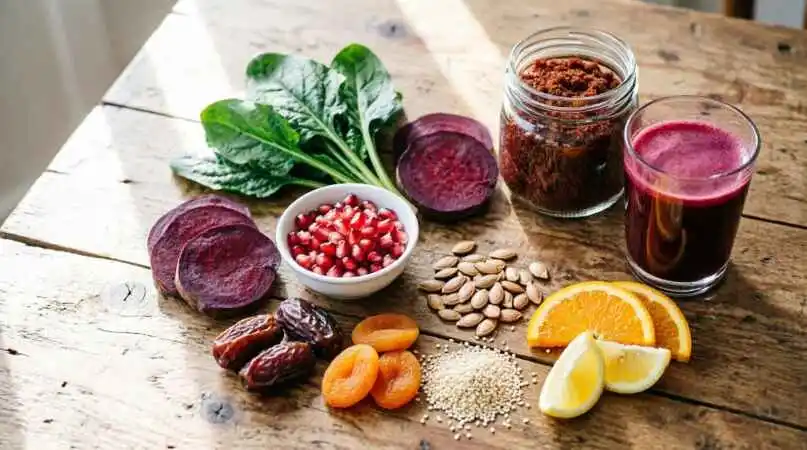
Spinach, fenugreek leaves, amaranth, and other dark leafy greens are packed with non-heme iron along with folate, making them a double win for anaemia prevention. Beetroot deserves special mention here too, not only for its iron content but also for its role in supporting healthy blood flow and detoxification, which is why beetroot juice remains one of the most popular traditional remedies across many cultures.
Legumes, Lentils, and Pulses
Chickpeas, kidney beans, black beans, and various lentils are staples in plant-based diets around the world precisely because they offer a reliable, affordable source of non-heme iron along with protein and fibre. Including a variety of lentils and legumes throughout the week is one of the simplest ways to build a naturally iron-supportive diet.
Seeds and Nuts
Sesame seeds, pumpkin seeds, and cashews are surprisingly rich in iron and can be easily added to smoothies, salads, or eaten as a simple daily snack. A small handful of roasted pumpkin seeds, for instance, can be a genuinely meaningful addition to a daily iron-boosting routine.
Dried Fruits and Natural Sweeteners
Dates, raisins, dried apricots, and figs are traditional remedies passed down through generations for good reason, they concentrate iron and other minerals into an easy, portable form. Jaggery, unlike refined white sugar, retains natural iron and trace minerals from sugarcane and is commonly used in many households as a gentler, more nutrient-rich sweetener.
Fruits Rich in Vitamin C
Oranges, amla, guava, strawberries, and bell peppers may not be high in iron themselves, but they play an essential supporting role by dramatically improving how much non-heme iron the body actually absorbs from plant foods. Pairing a vitamin C-rich fruit or vegetable with an iron-rich meal is one of the single most effective natural strategies for improving iron status.
Whole Grains and Fortified Foods
Whole wheat, quinoa, oats, and fortified cereals contribute additional iron and B vitamins to the daily diet, and choosing whole grain versions over heavily refined alternatives is a simple, sustainable swap with long-term benefits.
Moderate Animal Sources, Where Applicable
For those who consume animal products, lean red meat, poultry, fish, and eggs offer heme iron, which the body absorbs considerably more efficiently than non-heme iron from plants. Including modest, regular portions of these foods, where dietary preferences allow, can meaningfully support iron levels alongside plant-based sources.
Traditional and Herbal Remedies Worth Considering
Long before modern supplements existed, households around the world relied on simple, natural remedies passed down through generations to support healthy blood and energy levels. Many of these traditional practices align surprisingly well with what we now understand about nutrition science.
- Beetroot and carrot juice, often combined with a splash of lemon, is a widely used tonic believed to support healthy haemoglobin levels.
- Dates soaked overnight in milk or water are commonly recommended, particularly for pregnant women and growing children, as a gentle daily iron source.
- Amla, or Indian gooseberry, rich in vitamin C, is traditionally paired with iron-rich meals or taken as a juice to enhance absorption.
- Pomegranate, eaten whole or juiced, is valued across many traditional systems of medicine for its role in supporting healthy blood.
- A small daily portion of jaggery with roasted sesame or peanuts is a traditional combination believed to support iron levels, especially during winter months.
- Moringa leaves, often dried and powdered, are increasingly recognised for their notably high iron and micronutrient content.
While these remedies are widely used and generally considered safe as part of a balanced diet, they should be viewed as supportive dietary practices rather than guaranteed cures, especially for moderate to severe anaemia, where professional medical guidance remains essential.
Smart Food Pairing: How to Maximise Natural Iron Absorption
What you eat matters, but so does how you combine it. The body’s ability to absorb iron, especially non-heme iron from plant sources, can vary dramatically depending on what else is on your plate.
Pair Iron with Vitamin C
Adding a squeeze of lemon to lentils, eating an orange alongside a spinach salad, or including bell peppers in a bean-based dish can significantly boost non-heme iron absorption, sometimes by several times over.
Cook in Cast Iron Cookware
A surprisingly simple and low-cost natural remedy, cooking acidic foods like tomato-based curries or sauces in a cast iron pan or skillet allows a measurable amount of iron to transfer into the food itself.
Space Out Tea, Coffee, and Calcium
Tannins in tea and coffee, along with calcium from dairy or supplements, can interfere with iron absorption when consumed too close to iron-rich meals. Leaving a gap of at least an hour before or after meals allows for much better absorption.
Soak, Sprout, and Ferment Grains and Legumes
Traditional preparation methods like soaking lentils overnight, sprouting beans, or fermenting grains help reduce phytic acid, a natural compound that can otherwise block iron absorption, making the iron already present in these foods more available to the body.
Lifestyle Habits That Naturally Support Healthy Blood
Prioritise Consistent, Quality Sleep
The body carries out much of its cellular repair and regeneration, including red blood cell production, during deep sleep. Chronic sleep deprivation can quietly undermine the body’s ability to maintain healthy blood levels, making consistent, restorative sleep an essential, if often overlooked, pillar of anaemia prevention.
Move Your Body, Gently and Regularly
Light to moderate exercise, such as brisk walking, yoga, or swimming, improves circulation and can support the body’s overall vitality. However, those actively dealing with anaemia should ease into physical activity gradually, since intense exertion on depleted iron stores can worsen fatigue in the short term.
Manage Stress Intentionally
Chronic stress can affect appetite, digestion, and the body’s ability to absorb nutrients effectively. Simple daily practices like deep breathing, short meditation sessions, or time spent outdoors can support better digestion and, indirectly, better nutrient absorption.
Stay Well Hydrated
Adequate hydration supports healthy blood volume and circulation. While water itself doesn’t provide iron, staying well hydrated supports the body’s overall ability to transport oxygen and nutrients efficiently.
Limit Alcohol and Avoid Smoking
Excessive alcohol consumption can interfere with the body’s ability to absorb and utilise key nutrients, including iron and folate, while smoking can affect oxygen-carrying capacity in the blood more broadly. Reducing or eliminating both is a meaningful step toward better long-term blood health.
Eat Regular, Balanced Meals
Skipping meals or following extreme, restrictive diets can quickly lead to nutrient gaps, including insufficient iron and folate intake. Aiming for regular, balanced meals that include a mix of iron sources, vitamin C, and protein throughout the day supports steadier nutrient absorption over time.
Special Considerations for Different Life Stages
Women and Menstrual Health
Women of reproductive age are particularly vulnerable to iron-deficiency anaemia due to regular menstrual blood loss, which is compounded further in cases of heavy periods. Prioritising iron-rich meals, particularly in the days following menstruation, can help maintain healthier iron stores over time.
Pregnancy and Postpartum
Pregnancy significantly increases the body’s demand for iron and folate to support increased blood volume and foetal development. Natural, iron-rich foods, alongside any supplementation recommended by a healthcare provider, play a critical role during this period, and postpartum recovery also benefits from continued attention to iron intake.
Growing Children and Adolescents
Rapid growth during childhood and adolescence increases iron requirements, and picky eating habits can sometimes make it harder to meet these needs. Creative, palatable ways of incorporating iron-rich foods, such as smoothies with spinach and dates, or bean-based snacks, can help support healthy development.
Older Adults
Ageing can affect nutrient absorption, particularly of vitamin B12, and older adults may also be more likely to have underlying conditions that contribute to anaemia. Regular check-ups combined with a nutrient-dense, varied diet remain especially important in this life stage.
Vegetarians and Vegans
Plant-based eaters can absolutely meet their iron and B12 needs, but it requires more deliberate planning, given that non-heme iron is less efficiently absorbed and B12 is largely absent from plant foods unless fortified. A thoughtful combination of legumes, seeds, fortified foods, and vitamin C pairing, along with periodic monitoring, supports long-term success on a plant-based diet.
Foods and Habits That Quietly Work Against You
Just as some foods and habits support healthy iron levels, others can quietly undermine them, often without people realising it.
- Drinking tea or coffee immediately with or after meals, which can significantly reduce iron absorption.
- Relying heavily on refined, processed foods that lack meaningful iron, folate, or vitamin C content.
- Consuming large amounts of calcium-rich foods or supplements at the same time as iron-rich meals.
- Following extreme or prolonged crash diets that severely restrict food variety and overall intake.
- Ignoring persistent fatigue or dismissing it as simply being busy or stressed, delaying proper evaluation.
- Excessive use of antacids, which can interfere with the stomach acid needed to absorb iron effectively.
Understanding the Warning Signs Your Body Sends
One of the reasons anaemia so often goes undetected for long stretches is that its early symptoms are easy to dismiss as ordinary tiredness or a busy season of life. Learning to recognise the fuller picture of symptoms can make a real difference in catching and addressing anaemia early, before it becomes more severe.
- Persistent fatigue that doesn’t improve with rest or a good night’s sleep.
- Noticeable paleness in the skin, inner eyelids, gums, or nail beds.
- Shortness of breath during activities that previously felt easy.
- Rapid or irregular heartbeat, sometimes described as palpitations.
- Frequent headaches or difficulty concentrating, often described as brain fog.
- Cold hands and feet, even in warm environments.
- Brittle nails, hair thinning, or unusual cravings for non-food items such as ice or clay, a condition known as pica.
- Dizziness or light-headedness, particularly when standing up quickly.
If several of these signs appear together and persist for more than a couple of weeks, it is worth treating them as a genuine signal rather than something to push through. A simple blood test can confirm whether anaemia is present and, importantly, help identify which type it is, which in turn shapes which natural remedies and dietary changes will be most effective.
Common Myths About Anaemia and Natural Remedies, Debunked
As with most widely discussed health topics, anaemia comes with its share of myths and misconceptions. Clearing these up can help people make more informed, effective choices.
Myth: Only Women Get Anaemia
While women, particularly during menstruating years and pregnancy, are statistically more affected, anaemia can and does affect men, children, and older adults as well, often due to dietary gaps, chronic conditions, or absorption issues unrelated to gender.
Myth: Eating More Red Meat Is the Only Real Fix
While red meat is a highly absorbable source of heme iron, it is far from the only effective option. Thoughtfully combined plant-based diets, rich in legumes, seeds, leafy greens, and vitamin C, can also successfully build and maintain healthy iron levels over time.
Myth: If You Feel Fine, You Don’t Have Anaemia
Mild anaemia can exist for a surprisingly long time with only subtle symptoms, especially in people who have gradually adjusted to lower energy levels without realising it. Regular check-ups remain valuable even in the absence of dramatic symptoms.
Myth: Natural Remedies Work Instantly
Unlike a fast-acting medication, dietary and lifestyle changes work gradually, as the body rebuilds its iron stores and increases red blood cell production over weeks and months. Patience and consistency, not speed, are what make natural approaches effective in the long run.
Myth: All Iron Supplements and Natural Sources Are Interchangeable
Different sources and forms of iron are absorbed differently by the body, and individual needs vary based on the type and severity of anaemia. What works well for one person’s mild dietary gap may not be sufficient for another person’s more significant deficiency, which is why personalised guidance matters.
A Sample Day of Naturally Iron-Supportive Eating
https://youtu.be/Mv0EOA7xQ4c

