

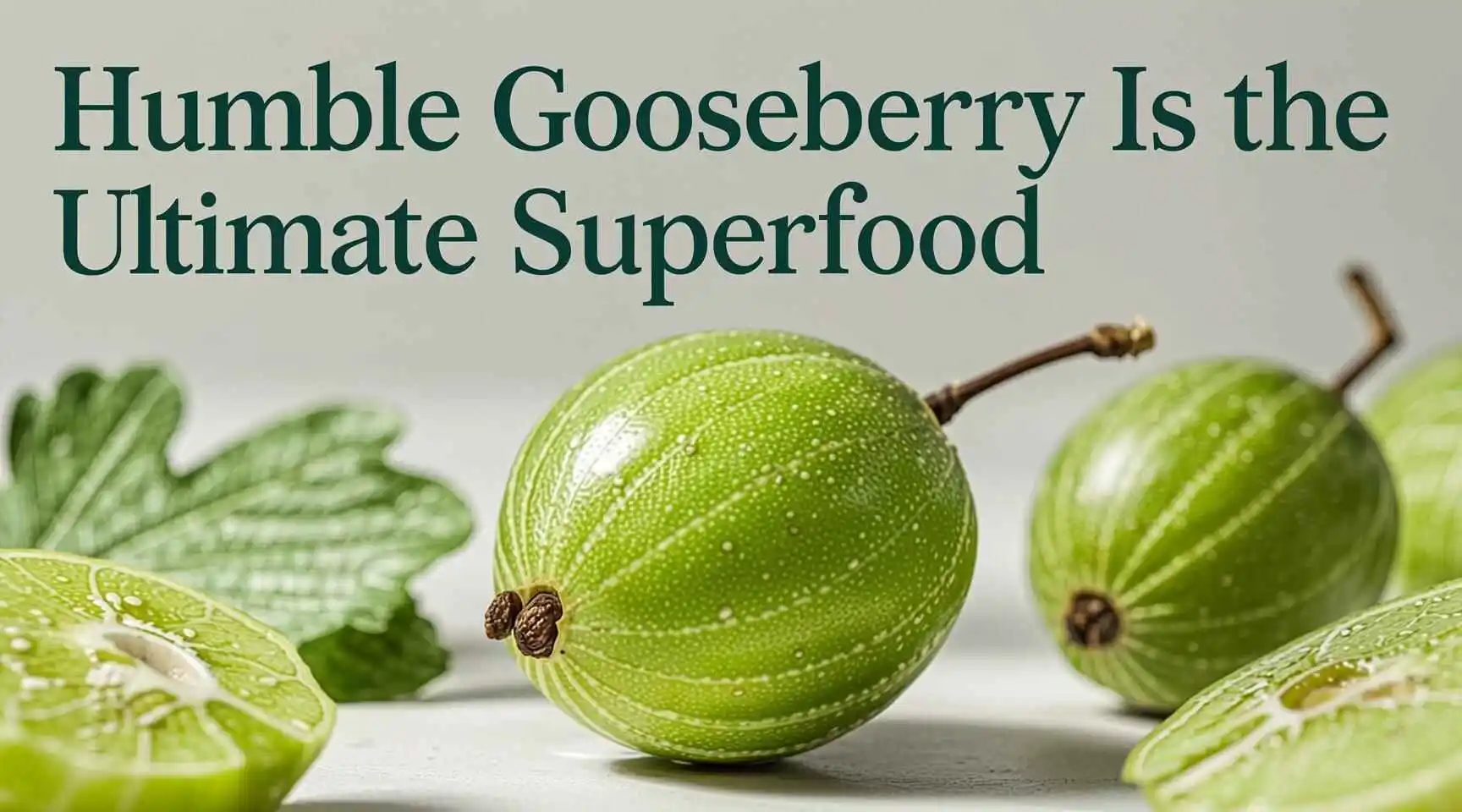
The Tangy Truth: Why the Humble Gooseberry is the Ultimate Superfood You’ve Been Ignoring
When you hear the word “superfood,” what comes to mind? Exotic berries from the Amazon rainforest? Expensive powders imported from the peaks of the Himalayas? Rare herbs that require a treasure map to locate? We have been conditioned to believe that the most powerful foods on earth must also be the most inaccessible. But what if I told you that one of the most potent, scientifically backed, and historically revered health tonics in the world is probably growing in your neighbor’s backyard—or sitting in the produce aisle for just a few dollars a pound?
Enter the gooseberry.
Whether you know it as the tart, translucent green orbs consumed across Asia, or the robust, woody shrubs producing sweet-tart dessert berries in Europe and North America, the gooseberry is a botanical powerhouse that has been hiding in plain sight. It doesn’t have the flashy PR team of the acai berry or the trendy aesthetic of the goji berry. What it does have, however, is thousands of years of medicinal history, a nutritional profile that puts multimillion-dollar supplements to shame, and a versatility in the kitchen that spans from savory chutneys to decadent desserts.
In this comprehensive deep dive, we are going to strip away the mundane reputation of the gooseberry. We will explore its ancient roots, dissect its bafflingly complex nutritional matrix, uncover the jaw-dropping health benefits ranging from reversing cellular aging to managing diabetes, and reveal why your hair and skin have been begging for this fruit. By the end of this article, you will understand why the Indian gooseberry (Amla) and its global cousins deserve a permanent, VIP spot in your daily wellness routine.
A Journey Through Time: The Ancient Origins of the Gooseberry
To truly understand the magnitude of the gooseberry, we must first look back in time. The history of this fruit is not just a story of agriculture; it is a story of human civilization, medicine, and survival.
The Ayurvedic Crown Jewel
In the ancient medical system of Ayurveda, which originated in India over 5,000 years ago, the Indian gooseberry (Amla) is not merely a fruit—it is a pillar of healing. Known in Sanskrit as Amalaki, it is one of the three primary herbs in the legendary Rasayana triad (known as Triphala). In Ayurvedic philosophy, Rasayana refers to the rejuvenation of the body’s tissues and the promotion of longevity. Ancient texts like the Charaka Samhita explicitly state that consuming Amla promotes a healthy lifespan of over a hundred years. It was prescribed for everything from digestive ailments to respiratory infections, and even as a topical paste for wound healing.
The Victorian Obsession
Fast forward a few thousand miles and a few centuries to 19th-century England, and you will find an entirely different, yet equally passionate, relationship with the gooseberry. During the Victorian era, gooseberry gardening was not a hobby; it was a fierce, highly competitive sport. “Gooseberry clubs” sprang up across northern England, particularly in Lancashire, Cheshire, and Yorkshire. Growers would gather in local pubs to weigh their gooseberries down to the exact fraction of an ounce. The goal? To grow the heaviest single berry. Prize-winning berries were massive, some weighing over an ounce and a half—practically the size of a small plum! This competitive spirit led to the development of hundreds of unique cultivars, many of which are still grown by dedicated horticulturists today.
A Global Dispersal
From the frozen tundras of Northern Europe to the tropical plains of India, the gooseberry adapted. European settlers brought the Ribes genus of gooseberries to North America, where they unfortunately carried a devastating fungus known as white pine blister rust. This led to a massive ban on gooseberry cultivation in the United States in the early 20th century—a ban that has only recently been lifted in many states. Meanwhile, the Cape gooseberry (Physalis peruviana), native to South America, traveled to Africa and Australia, becoming a wildly popular commercial crop known by names like groundcherry or goldenberry.
Demystifying the Varieties: Not All Gooseberries are Created Equal
One of the biggest points of confusion surrounding the gooseberry is the name itself. Botanically speaking, true gooseberries belong to the genus Ribes (family Grossulariaceae). However, the name has been colloquially attached to several other fruits. Let’s break down the three main fruits that bear this famous name.
- The Indian Gooseberry (Emblica officinalis / Phyllanthus emblica)
This is the undisputed king of the gooseberry world in terms of medicinal value. It grows on small to medium-sized trees native to tropical southeastern Asia. The fruit is round, pale green to yellowish, and has a distinctly astringent, sour, and bitter taste. It contains an astronomical amount of Vitamin C and unique tannins that protect the vitamin from degrading during processing or heating. This is the Amla that is turned into Amla powder, oils, and juices.
- The European/North American Gooseberry (Ribes uva-crispa)
These are the classic “goosegogs” of the English countryside. They grow on straggly, thorny bushes in temperate climates. The skin of these berries can be translucent, showing the veins beneath, and comes in shades of green, yellow, red, or even deep purple. The taste ranges from intensely tart (best for cooking) to remarkably sweet (best for eating raw).
- The Cape Gooseberry (Physalis peruviana)
Botanically, this is not a gooseberry at all. It is a close relative of the tomato and tomatillo, belonging to the nightshade family. It grows in a warm climate and is encased in a papery, lantern-like husk. The fruit inside is a bright, glossy orange, and it has a sweet, slightly tart, tropical flavor reminiscent of a mix between a pineapple and a tomato. While highly nutritious, its chemical profile is entirely different from the true gooseberries mentioned above.
The Nutritional Matrix: A Symphony of Phytonutrients
To call the gooseberry nutritious is an understatement. It is a biochemical warehouse. When we look at gooseberry nutrition, especially regarding the Indian variety, we are looking at a food that defies conventional nutritional logic.
The Vitamin C Anomaly
An orange is famous for Vitamin C, containing about 53 mg per 100 grams. The Indian gooseberry? It contains an astonishing 600 to 700 mg of Vitamin C per 100 grams. That is more than ten times the amount found in an orange. But here is the truly mind-bending part: if you heat an orange, you destroy its Vitamin C. If you dry an Indian gooseberry, crush it into Amla powder, and boil it in water, it retains almost all of its Vitamin C.
How is this possible? The gooseberry contains a unique matrix of tannins and polyphenols—specifically emblicanin A and emblicanin B—which bind to the ascorbic acid (Vitamin C) and act as a biological shield, preventing oxidation and thermal degradation. This means your body actually absorbs and utilizes this vitamin far more effectively than it does from synthetic supplements.
Beyond Vitamin C
While Vitamin C takes the spotlight, the gooseberry is packed with a supporting cast of nutrients:
- Minerals: It is a good source of calcium, phosphorus, iron, and chromium. The presence of chromium is particularly noteworthy for metabolic health.
- Amino Acids: It contains a surprising amount of protein for a fruit, including essential amino acids like glutamic acid, proline, aspartic acid, and alanine.
- Fiber: High in both soluble and insoluble fiber, which acts as a prebiotic to feed gut bacteria.
- Antioxidants: It is loaded with flavonoids like quercetin and kaempferol, as well as powerful ellagitannins.
When you consume this fruit, you are not just eating a snack; you are swallowing a holistic, synergistic supplement designed by nature. This is why it sits firmly at the top of the list of antioxidant-rich fruits.
The Health Benefits: How Gooseberries Transform the Human Body
Let’s transition from the laboratory to the human body. What actually happens when you incorporate gooseberry benefits into your daily life? The clinical evidence, spanning decades of both traditional use and modern peer-reviewed studies, points to a total-body transformation.
- The Ultimate Immune System Fortress
In a post-pandemic world, immune health is at the forefront of everyone’s mind. The immune system relies heavily on white blood cells (WBCs) to fight off pathogens. Vitamin C is absolutely essential for the production, proliferation, and function of both neutrophils and lymphocytes. By flooding your system with the highly bioavailable Vitamin C found in gooseberries, you give your immune army the exact ammunition it needs. Furthermore, the antibacterial and astringent properties of the fruit help soothe a sore throat, reduce chronic coughs, and mitigate the symptoms of respiratory infections like asthma and bronchitis.
- Mastering Blood Sugar and Diabetes Management
Diabetes is a global epidemic, primarily driven by insulin resistance and erratic blood sugar spikes. The gooseberry offers a multi-pronged attack against this disease. First, it contains chromium, a trace mineral that enhances the body’s sensitivity to insulin, making it easier for cells to absorb glucose from the bloodstream. Second, the high fiber content slows down the absorption of sugar in the digestive tract, preventing sudden spikes. Third, the polyphenols in the fruit actively protect the insulin-producing beta-cells in the pancreas from oxidative stress. Regular consumption of fresh Amla juice on an empty stomach is a time-honored Ayurvedic practice to stabilize fasting blood sugar levels.
- A Cardiologist’s Dream Fruit
Heart disease remains the number one killer globally, and the gooseberry directly addresses several root causes. Oxidized LDL cholesterol is the dangerous plaque that builds up in arterial walls, leading to atherosclerosis. The massive antioxidant load in gooseberries prevents LDL from oxidizing in the first place. Additionally, the fruit helps improve endothelial function (the lining of the blood vessels), reducing blood pressure and promoting better vasodilation. The potassium content helps balance sodium levels, further taking the strain off the cardiovascular system.
- Digestive Restoration and Gut Health
Modern diets, high in processed foods and antibiotics, have decimated the human microbiome. The gooseberry acts as a master healer for the gastrointestinal tract. Its high fiber content acts as a bulk-forming laxative, relieving constipation while simultaneously treating diarrhea due to its astringent tannins—it normalizes whatever is wrong. It stimulates the secretion of gastric juices, ensuring food is broken down efficiently. Most importantly, it acts as a powerful prebiotic, feeding beneficial strains of gut bacteria like Bifidobacterium and Lactobacillus, which are crucial for serotonin production and overall mental health.
- Shielding the Liver from Toxins
Your liver is the body’s primary detoxification center, filtering everything from alcohol to environmental pollutants. The gooseberry is a well-documented hepatoprotective agent. It protects liver cells from damage caused by heavy metals, alcohol, and pharmaceutical drugs (like acetaminophen). It stimulates the production of bile, which is essential for the digestion of fats and the flushing of toxins from the digestive tract.
- Enhancing Brain Function and Memory
Cognitive decline is not an inevitable part of aging; it is often the result of chronic neuro-inflammation and oxidative damage. The gooseberry’s high concentration of antioxidants crosses the blood-brain barrier to neutralize free radicals in the neural tissue. It has been shown in studies to enhance memory retention, improve attention span, and protect against neurodegenerative diseases like Alzheimer’s. It also helps lower cortisol levels, the stress hormone that literally shrinks the hippocampus (the brain’s memory center) over time.
- Anti-Cancer Potential
While no food can claim to “cure” cancer, the gooseberry has demonstrated potent anti-carcinogenic properties in laboratory settings. It induces apoptosis (programmed cell death) in certain types of cancer cells without harming healthy cells. It inhibits the growth of tumors by cutting off the blood supply they need to grow (anti-angiogenesis). The ellagic acid and gallic acid found in the fruit are heavily researched for their ability to protect DNA from mutation caused by radiation and toxic chemicals.
- Protecting Your Vision
With the rise of screen time, our eyes are under constant strain. The Indian gooseberry is excellent for ocular health. It helps relax the intraocular muscles, reducing eye strain and fatigue. It prevents the onset of cataracts, macular degeneration, and night blindness, largely due to its high carotene content and Vitamin A precursors. It also strengthens the connective tissues in the eyes.
- Reducing Inflammation and Joint Pain
Arthritis and gout are conditions characterized by severe joint inflammation. The gooseberry acts as a natural anti-inflammatory. It helps neutralize uric acid buildup in the joints, which is the primary cause of gout pain. Its anti-inflammatory compounds reduce the swelling and redness associated with rheumatoid arthritis, improving mobility and quality of life.
- Enhancing Iron Absorption and Fighting Anemia
Iron deficiency anemia is incredibly common, particularly among women. The problem is that many people take iron supplements that cause constipation and are poorly absorbed. The gooseberry solves this elegantly. The high Vitamin C content acts as a powerful catalyst, dramatically increasing the body’s ability to absorb iron from plant-based foods (non-heme iron). If you eat a spinach salad, drinking Amla juice alongside it will multiply the iron your body actually retains.
The Beauty Elixir: Gooseberry for Skin and Hair
If the internal health benefits weren’t enough, the gooseberry has been the secret weapon of ancient royalty and modern beauty enthusiasts alike. The cosmetic industry is finally catching up to what Ayurvedic practitioners have known for millennia: true beauty starts from the inside out.
Gooseberry Skincare: The Fountain of Youth in a Berry
Your skin is under constant assault from UV rays, pollution, and oxidative stress, which break down collagen and elastin, leading to wrinkles, sagging, and hyperpigmentation. Gooseberry skincare operates on a cellular level.
- Collagen Synthesis: Collagen is the protein that gives skin its plump, youthful structure. You cannot build collagen without Vitamin C. By flooding your system with the stable Vitamin C from gooseberries, you supercharge your body’s ability to manufacture collagen, effectively turning back the clock on fine lines and wrinkles.
- Hyperpigmentation and Brightening: Gooseberry contains enzymes that inhibit the overproduction of melanin. Whether you are dealing with age spots, sun spots, or melasma, applying a DIY face mask made of Amla powder, honey, and yogurt can visibly brighten and even out your skin tone over a few weeks.
- Acne and Oil Control: The astringent properties of the fruit tighten pores and regulate sebum (oil) production. Its antibacterial nature kills the Cutibacterium acnes bacteria responsible for breakouts, all without stripping the skin’s natural moisture barrier like harsh chemical toners do.
- Wound Healing and Scar Reduction: Because it boosts cellular turnover and collagen production, it is highly effective at fading acne scars and healing minor wounds, burns, and insect bites.
Gooseberry for Hair Growth: The Ultimate Root Revitalizer
If there is one area where the gooseberry reigns supreme, it is hair care. The global search for a cure to hair loss is a multi-billion-dollar industry, yet the answer might just be this sour little berry. The benefits of gooseberry for hair growth are legendary, and modern trichology confirms them.
- Preventing Premature Graying: Premature graying is largely caused by oxidative stress depleting the melanocytes (pigment-producing cells) in the hair follicles. The unparalleled antioxidant protection of the gooseberry preserves these cells, keeping your natural hair color intact for much longer.
- Stimulating Follicular Activity: When applied topically as an oil, gooseberry penetrates the scalp and improves blood circulation. This increased blood flow delivers vital oxygen and nutrients to dormant hair follicles, pushing them from the resting phase (telogen) into the active growth phase (anagen).
- Stopping Hair Fall: Hair fall is often caused by a fragile hair shaft that breaks easily, or an inflamed scalp. The fatty acids in gooseberry oil strengthen the hair shaft from root to tip. Meanwhile, its anti-inflammatory and anti-microbial properties cure dandruff, folliculitis, and scalp psoriasis, creating the perfect, healthy soil for hair to grow.
- The DHT Connection: Dihydrotestosterone (DHT) is a hormone derived from testosterone that binds to hair follicles, shrinking them over time and causing male and female pattern baldness. Some studies suggest that the phytonutrients in gooseberries can mildly inhibit the enzyme (5-alpha reductase) responsible for converting testosterone into DHT, acting as a natural, mild alternative to pharmaceutical hair loss drugs.
From Kitchen to Apothecary: How to Use Gooseberries Daily
Knowing the benefits is useless if you don’t know how to incorporate the fruit into your routine. The beauty of the gooseberry is its immense versatility. There are endless gooseberry recipes to suit every palate and lifestyle.
- The Raw Experience
If you can handle the intense sourness, eating a raw Indian gooseberry with a pinch of pink Himalayan salt is the most potent way to consume it. The salt neutralizes some of the extreme astringency and replaces lost electrolytes.
- The Liquid Gold: Amla Juice
This is perhaps the most popular method. To make fresh Amla juice, deseed a handful of gooseberries and blend them with a cup of water. Strain the liquid through a fine mesh sieve. Drink this on an empty stomach in the morning. If it is too sour, add a teaspoon of raw honey or a pinch of black pepper (which ironically enhances the bioavailability of the fruit’s nutrients).
- The Powerhouse Supplement: Amla Powder
Dehydrating gooseberries and grinding them into Amla powder is an ancient preservation method that retains all nutrients.
- Internal use: Mix 1/2 teaspoon of the powder in a glass of warm water, or stir it into a smoothie. You can even mix it with plain yogurt for a gut-healing snack.
- External use (Hair): Mix 2 tablespoons of Amla powder with warm water to create a thick paste. Apply this directly to your scalp and hair, leave it on for 30 minutes, and rinse. For deep conditioning, mix the powder with coconut oil, heat it gently, let it infuse overnight, and use it as a hot oil treatment.
- External use (Skin): Mix 1 teaspoon of Amla powder with 1 teaspoon of raw honey and a few drops of rose water. Apply as a face mask for 15 minutes for an instant glow.
- Culinary Delights: Beyond the Juice
In Indian cuisine, gooseberries are transformed into Murabba—a sweet, spiced preserve where the berries are boiled in a sugar syrup infused with cardamom and saffron. This is a traditional way to make the bitter fruit palatable for children and the elderly.
For those with the European varieties, gooseberry recipes shine in the baking world. Gooseberry fool (a mix of stewed gooseberries and whipped cream), gooseberry crumbles, gooseberry jams, and gooseberry pies are quintessential summer desserts. Their natural pectin content makes them perfect for setting jellies and jams without the need for artificial thickeners. On the savory side, a sharp gooseberry chutney is the perfect accompaniment to rich, fatty meats like pork or duck, cutting through the grease with its sharp acidity.
The Green Thumb’s Guide: Growing Gooseberries at Home
If you are a homesteader, a gardener, or just someone who loves the idea of hyper-local food, growing gooseberries is a highly rewarding endeavor. While the tropical Indian gooseberry requires a warm, frost-free climate, the European and American varieties are incredibly hardy and can thrive in surprisingly harsh conditions.
Location and Soil
Gooseberries prefer a cool, moist climate. They are one of the few fruiting plants that can tolerate partial shade, though they will produce the sweetest fruit in full sun. They require well-draining soil that is rich in organic matter. If your soil is heavy clay, amend it heavily with compost or peat moss. They prefer a slightly acidic soil pH, ideally between 5.5 and 6.5.
Planting
Plant bare-root gooseberry bushes in the early spring or late autumn. Space them about 4 to 5 feet apart to allow for good air circulation (which prevents fungal diseases). Dig a hole twice as wide as the root ball, place the plant in, and ensure the crown (where the stem meets the roots) is about an inch below the soil surface. Water deeply after planting.
Care and Maintenance
Mulching is crucial when growing gooseberries. A thick layer of organic mulch around the base of the plant will retain moisture and suppress weeds. Gooseberries have shallow root systems, so they can dry out quickly during summer droughts; consistent watering is key.
Pruning is where many beginners fail. Gooseberries fruit best on older wood (stems that are 2 to 4 years old). In the first year, prune the bush back to about 6 inches above the ground to encourage a strong root system. In subsequent winters, remove any dead, diseased, or crossing branches, and aim to create an open, goblet-shaped bush that allows light and air into the center.
Pest Control
Watch out for the gooseberry sawfly, whose caterpillars can strip a bush of leaves in a matter of days. If you see them, pick them off by hand or use an organic insecticidal soap. Birds also love gooseberries; netting your bushes just before the fruits ripen is highly recommended.
Harvesting
The beauty of gooseberries is that you can harvest them at different stages depending on your culinary needs. For savory sauces and pies, pick them early when they are hard, green, and intensely tart. For eating raw or making sweet desserts, wait until they are fully colored, slightly soft, and much sweeter.
Potential Precautions: Who Should Tread Carefully?
https://youtu.be/4xxfuQxs6wY

