

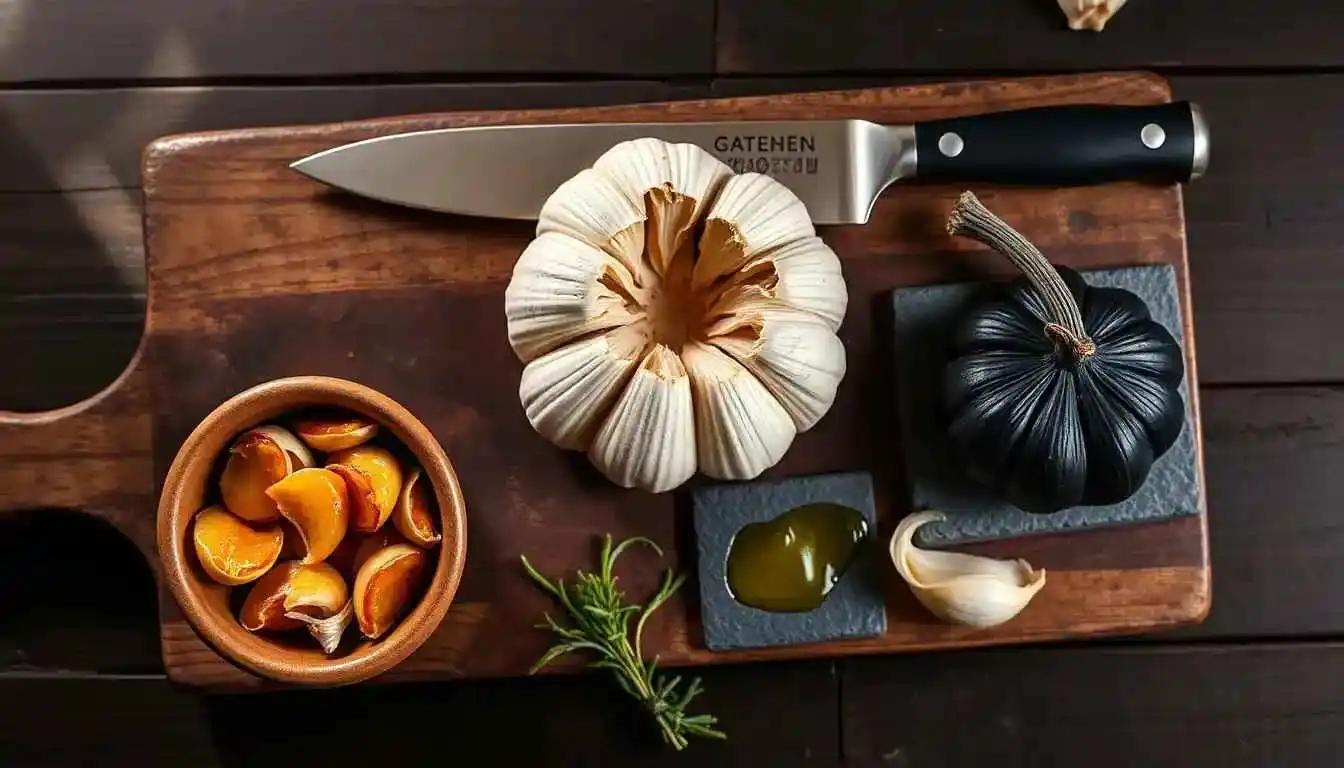
Garlic is more than a flavoring; it is a cultural touchstone, a medicinal marvel, and a botanical wonder. It connects us to the ancient Egyptians building monuments, to the European villagers warding off the dark, and to the grandmothers around the world who know that a generous hand with the garlic is the secret to a happy table.
The next time you break open a bulb, take a moment to appreciate the chemistry at work. Respect the timing of the pan. Let it sit after you chop it. Don’t let it burn. Treat it with the reverence it deserves, and the stinking rose will repay you with a lifetime of unforgettable meals.
FAQS
Health & Science
1.What compound is responsible for garlic’s health benefits?
Allicin, a sulfur-containing compound, is responsible for garlic’s signature smell and most potent medicinal effects.
2.Does a whole, uncut garlic clove contain allicin?
No. Allicin only forms when the clove is crushed or chopped, which ruptures the cells and allows the enzyme alliinase to mix with the amino acid alliin.
3.What is the “10-Minute Rule” for garlic?
After chopping or crushing garlic, let it sit for 10 minutes before applying heat. This allows the allicin to fully form before the heat deactivates the enzyme.
4.Is pre-minced jarred garlic as healthy as fresh garlic?
No. Pre-minced garlic has long since lost its volatile allicin, rendering it practically useless from a therapeutic standpoint.
5.How does garlic benefit cardiovascular health?
Garlic lowers total and LDL cholesterol, and stimulates nitric oxide production, which helps blood vessels relax and reduces blood pressure.
6.Can garlic help prevent the common cold?
Yes. Studies show regular garlic consumption can reduce the number of colds by over 60% and significantly shorten the duration of symptoms.
7.Why is garlic considered an antioxidant powerhouse?
It is packed with flavonoids and selenium that protect cells from free radical damage, reducing the risk of aging and degenerative diseases.
Varieties & Types
8.What is the main difference between hardneck and softneck garlic?
Hardneck garlic produces a stiff central stalk (scape), has fewer but larger cloves, and has a more complex flavor. Softneck has no central stalk, more cloves of varying sizes, a milder flavor, and a much longer shelf life.
9.Which type of garlic is preferred by chefs?
Chefs generally prefer hardneck garlic for its robust, complex, and spicy flavor profile.
- What is a garlic scape?
A curly, green stalk that grows from the center of hardneck garlic in early summer. It must be cut off so the plant’s energy goes back into the bulb, and the scapes themselves are a culinary delicacy.
- Why is softneck garlic the most common in supermarkets?
Because of its exceptional shelf life (up to 9-12 months) compared to hardneck (4-6 months).
- What is Elephant Garlic?
Despite its name, it is not true garlic; it is a variant of the garden leek with a very mild, onion-like flavor and massive cloves.
- Which type of garlic is used for braiding?
Softneck garlic, because it lacks the stiff central stalk, making the stems flexible enough to braid.
Culinary Techniques & Flavor
- How does the way you cut garlic affect its flavor?
The more you rupture the cell walls, the more pungent the flavor. Whole cloves are mild, sliced is moderate, minced is sharp, and crushed/microplaned is incredibly fiery and intense.
- Why does garlic burn so easily in the pan?
Garlic has a low water content and burns at a lower temperature than other aromatics like onions.
- When should garlic be added to a hot pan?
It should almost always be the last aromatic added to a hot pan to prevent it from burning and turning bitter.
- What does roasted garlic taste like?
Slow roasting breaks down the harsh compounds and caramelizes the sugars, resulting in a sweet, nutty, spreadable paste that tastes like savory butter.
- What is black garlic?
Whole bulbs of garlic kept in a humidity-controlled, low-heat environment for several weeks, causing a slow Maillard reaction that turns the cloves black, chewy, and intensely umami.
- What does black garlic taste like?
It tastes like a rich syrup of balsamic vinegar, molasses, tamarind, and dark chocolate, with a mellow garlic undertone.
- What is garlic confit?
Garlic cloves slow-cooked submerged in olive oil at a very low temperature until they are meltingly tender and sweet.
- How long does garlic confit last in the fridge?
The cloves and the infused oil will keep for up to two weeks in a sealed glass jar in the refrigerator.
- What can I do with the leftover oil from garlic confit?
Use it as a finishing oil for salads, pasta, or dipping bread—it is infused with a mellow, sweet garlic essence.
Growing & Harvesting
- When is the best time to plant garlic?
In the fall, about 4 to 6 weeks before the ground freezes, so the roots can establish before winter.
- Why must garlic be planted in the fall?
Garlic needs a period of cold dormancy (vernalization) to form proper, divided bulbs. Spring-planted garlic usually grows into a single, undivided round.
- Can I plant garlic from the grocery store?
It is not recommended. Grocery store garlic is often treated with growth inhibitors and may not be suited to your climate. Buy “seed garlic” from a reputable supplier.
- Which end of the garlic clove goes up when planting?
The pointed end must face up, with the flat root end down.
- How do you know when garlic is ready to harvest?
When the bottom 3 to 4 leaves have turned brown and died back, but the upper leaves are still green.
- What is “curing” garlic?
The process of letting freshly harvested garlic dry in a well-ventilated, shaded place for 3 to 4 weeks until the stems are crispy and the outer paper rustles, which prepares it for long-term storage.
Folklore & Misc Uses
- What is the historical connection between garlic and vampires?
It likely stems from garlic’s use as a medieval plague repellent, or its connection to warding off rabies (which causes sensitivity to strong smells) and porphyria (a blood disorder aggravated by sulfur).
- How can I use garlic as a natural garden pesticide?
Puree 4 cloves of garlic with a quart of water and a teaspoon of liquid dish soap, strain it, and spray it on plant leaves to repel aphids and caterpillars.
Medical Disclaimer: The information provided on this website is for general educational and informational purposes only and is not intended as a substitute for professional medical advice, diagnosis, or treatment. Always seek the advice of your physician or other qualified health provider with any questions you may have regarding a medical condition. Never disregard professional medical advice or delay in seeking it because of something you have read on this website.

