

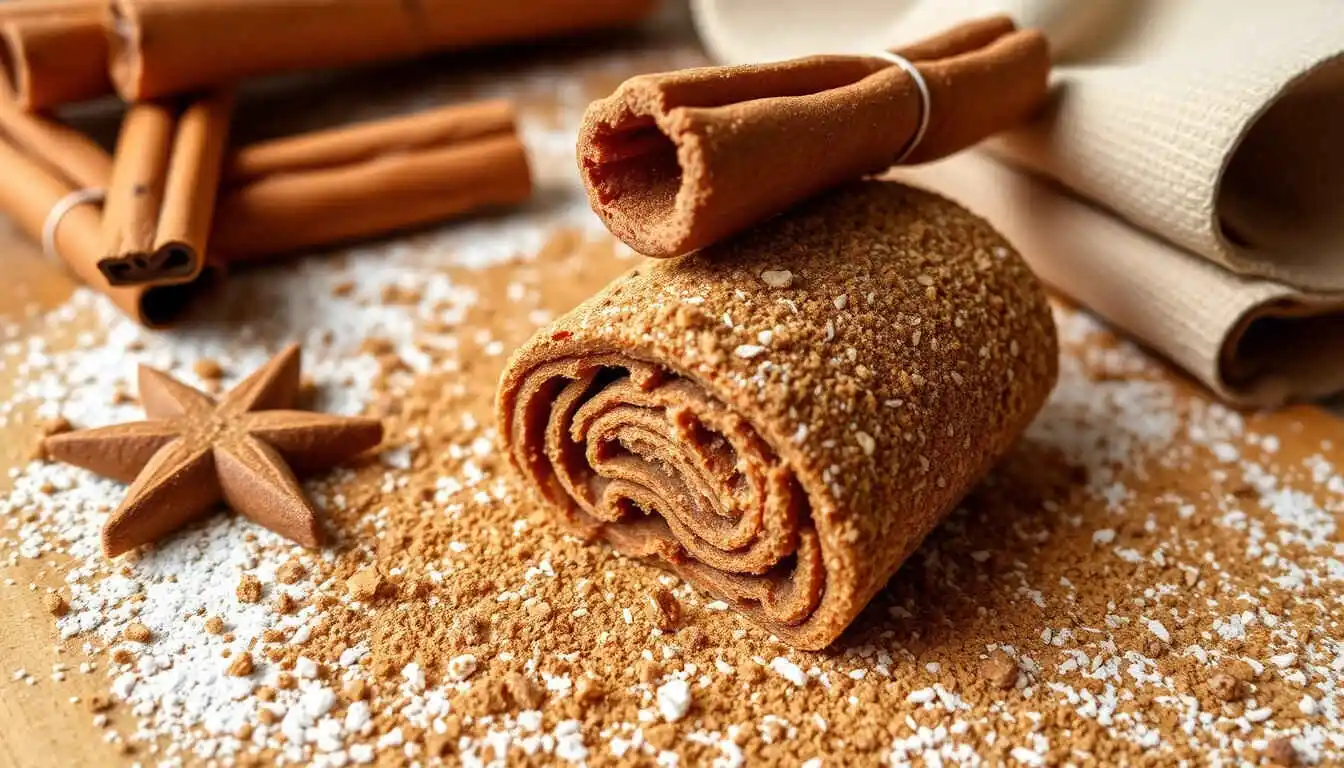
As global demand for cinnamon continues to rise, driven by the wellness industry and culinary expansion, we must confront the sustainability of this precious resource. Cinnamon farming, particularly in Sri Lanka, is deeply intertwined with the local economy. For smallholder farmers, the cinnamon harvest is their primary source of income.
However, the industry faces challenges. Climate change is altering rainfall patterns, affecting the yield and quality of the bark. Furthermore, the grueling physical labor of peeling and processing cinnamon by hand is not attractive to the younger generation, leading to a shortage of skilled peelers.
To ensure the survival of true Ceylon cinnamon, the industry must pivot toward sustainable, fair-trade practices. This means paying farmers and peelers a living wage, investing in ergonomic tools to ease the physical burden of the work, and implementing organic farming practices that protect the soil and local ecosystems. As consumers, we vote with our wallets. By choosing to buy organic, fair-trade Ceylon cinnamon, we are not only protecting our own health from pesticides and coumarin toxicity; we are ensuring that the ancient art of cinnamon harvesting survives for future generations.
Conclusion: The Bark That Shaped the World
From the sacred embalming rituals of ancient Egypt to the metabolic labs of the 21st century, cinnamon has proven itself to be far more than a simple kitchen condiment. It is a botanical marvel, a historical catalyst, and a medical powerhouse.
It has toppled empires and funded wars. It holds the key to taming our modern epidemics of diabetes and inflammation. It protects our brains, beautifies our skin, and elevates our culinary creations from the mundane to the extraordinary.
So, the next time you twist open that jar, don’t just sprinkle it mindlessly. Take a moment to inhale its complex, woody aroma. Think of the Sri Lankan sun, the skilled hands of the peelers, the ancient trade routes, and the microscopic battles it will fight in your body. Honor the golden bark. It is, without a doubt, the spice of kings and the king of spices.
FAQS
1.What is the main difference between Ceylon and Cassia cinnamon?
Ceylon cinnamon, or “True Cinnamon,” is native to Sri Lanka, has a tan-brown color, a delicate paper-thin texture, and a complex, citrusy flavor. Cassia cinnamon is from China/Indonesia, is dark reddish-brown, forms thick hard rolls, and has a more aggressive, spicy, and slightly bitter flavor.
- Why is Ceylon cinnamon called “True Cinnamon”?
It is the botanical Cinnamomum verum. Cassia is a different species entirely. Ceylon was the original spice sought by ancient empires, making it the historical and botanical standard for true cinnamon.
- How can I visually tell Ceylon and Cassia cinnamon apart?
Look at the quills (sticks). Cassia looks like a single, thick, rough piece of bark rolled into a hollow tube. Ceylon looks like multiple tightly rolled, paper-thin layers of bark, much like a cigar, and is fragile enough to crumble with your fingers.
- Which cinnamon is better for daily consumption?
Ceylon cinnamon is the only safe option for daily consumption because it contains only trace amounts of coumarin. Cassia contains high levels of coumarin, which can cause liver damage if consumed regularly.
- Why was cinnamon so valuable in ancient times?
It was considered sacred, was used in Egyptian embalming rituals, was believed to have divine properties, and was a symbol of immense wealth. It was literally worth more than gold by weight.
- Did the Romans really use cinnamon?
Yes, they were obsessed. The Roman Emperor Nero famously burned an entire year’s worth of Rome’s cinnamon supply on his wife’s funeral pyre as a display of extreme grief and wealth.
- How does cinnamon help regulate blood sugar?
Cinnamon contains compounds that mimic insulin, helping cells absorb glucose. It also slows down the breakdown of carbohydrates in the digestive tract by interfering with enzymes like amylase, preventing sugar spikes.
- Can cinnamon cure diabetes?
No. Cinnamon is not a cure or a replacement for insulin therapy or prescribed medication. It is a powerful adjunct tool that helps manage blood sugar and improves insulin sensitivity.
- What is an insulin mimetic?
It is a compound that mimics the action of insulin. The hydroxychalcone found in cinnamon acts as an insulin mimetic, helping cells absorb glucose even when natural insulin is struggling.
- How does cinnamon compare to other superfoods in antioxidants?
It destroys them. On the ORAC (Oxygen Radical Absorbance Capacity) scale, gram for gram, cinnamon exponentially outranks blueberries, pomegranates, and green tea.
- What are free radicals, and how does cinnamon fight them?
Free radicals are unstable molecules missing an electron that steal from healthy cells, causing oxidative stress and aging. Cinnamon’s polyphenols donate an electron to neutralize them without becoming unstable themselves.
- Can cinnamon improve brain function?
Yes. The scent of cinnamon stimulates the limbic system, increasing alertness and focus. Internally, its compounds help protect neurons and prevent the buildup of toxic proteins linked to Alzheimer’s.
- How does the smell of cinnamon affect the brain?
Inhaling cinnamon’s volatile oils stimulates the limbic system, which controls memory and emotion. Studies show it decreases frustration and increases alertness and reaction times better than peppermint.
- What compounds in cinnamon protect against Alzheimer’s?
Cinnamaldehyde prevents tau proteins from clumping into plaques, and epicatechin acts as a powerful antioxidant protecting neurons from oxidative stress.
- Is cinnamon good for skincare?
Absolutely. Its unparalleled antioxidants protect the skin from UV damage and premature aging, while its antibacterial properties make it highly effective against acne.
- How can I use cinnamon for acne?
Mix a tiny pinch of Ceylon cinnamon with raw Manuka honey, apply as a mask for 10-15 minutes, then rinse. Always do a patch test first, as it can cause mild flushing.
- Can cinnamon naturally plump lips?
Yes. Mixing cinnamon powder with coconut oil and applying it as a scrub increases blood flow to the lips, causing a temporary, natural plumping effect.
- Is cinnamon only used for sweet dishes?
No, this is a common culinary myth. Cinnamon is a foundational savory spice in many global cuisines, used in Moroccan tagines, Mexican mole, and Indian biryanis.
- What is a good savory dish to add cinnamon to?
Try adding a dash to your next pot of chili, use it in a dry rub for pork chops, or toss a whole stick into homemade French onion soup for depth.
- What is coumarin?
Coumarin is a naturally occurring compound found in cinnamon that gives it a sweet aroma. In high doses, it is hepatotoxic, meaning it can cause severe liver damage.
- Why is Cassia cinnamon dangerous for daily use?
Cassia contains up to 1% coumarin by weight. Regular consumption can easily push you past the safe daily limit, leading to elevated liver enzymes and potential liver damage.
- What is the safe daily intake of coumarin?
The European Food Safety Authority establishes the Tolerable Daily Intake (TDI) at 0.1 mg per kilogram of body weight. For a 150 lb adult, that’s roughly 6.8 mg—easily exceeded by a single teaspoon of Cassia.
- Is the “cinnamon challenge” dangerous?
Yes, incredibly so. Swallowing dry cinnamon is a choking hazard, can coat and damage the lungs, and delivers a massive, toxic dose of coumarin to the liver.
- How is cinnamon harvested?
The inner bark of the Cinnamomum verum tree is stripped, beaten to loosen it from the woody core, and then peeled away in long strips. As the wet bark dries, it naturally curls into quills.
- Why do cinnamon sticks curl?
As the freshly harvested inner bark strips lose their moisture in the drying process, the material contracts and naturally curls inward, forming the familiar tight quills.
- Does cinnamon help with weight loss?
It is not a magic fat-burning pill. However, by stabilizing blood sugar and reducing insulin spikes, it helps curb sugar cravings and prevents excess glucose from being stored as fat, indirectly supporting weight loss.
- Can I apply cinnamon essential oil directly to my skin?
Never. Cinnamon essential oil is incredibly potent and applying it undiluted can cause severe chemical burns and blistering. Always heavily dilute it in a carrier oil.
- What effect does cinnamon have on cholesterol?
Regular daily consumption of True Cinnamon is associated with improved lipid profiles, specifically lowering LDL (bad) cholesterol and triglyceride levels.
- Why is there a shortage of skilled cinnamon peelers?
The harvesting process is grueling, highly skilled manual labor that must be done by hand. The physical toll and low wages make it unappealing to younger generations in Sri Lanka.
- How can I support sustainable cinnamon farming?
Vote with your wallet by purchasing organic, fair-trade Ceylon cinnamon. This ensures farmers and peelers receive a living wage and encourages eco-friendly agricultural practices.
Medical Disclaimer: The information provided on this website is for general educational and informational purposes only and is not intended as a substitute for professional medical advice, diagnosis, or treatment. Always seek the advice of your physician or other qualified health provider with any questions you may have regarding a medical condition. Never disregard professional medical advice or delay in seeking it because of something you have read on this website.

