

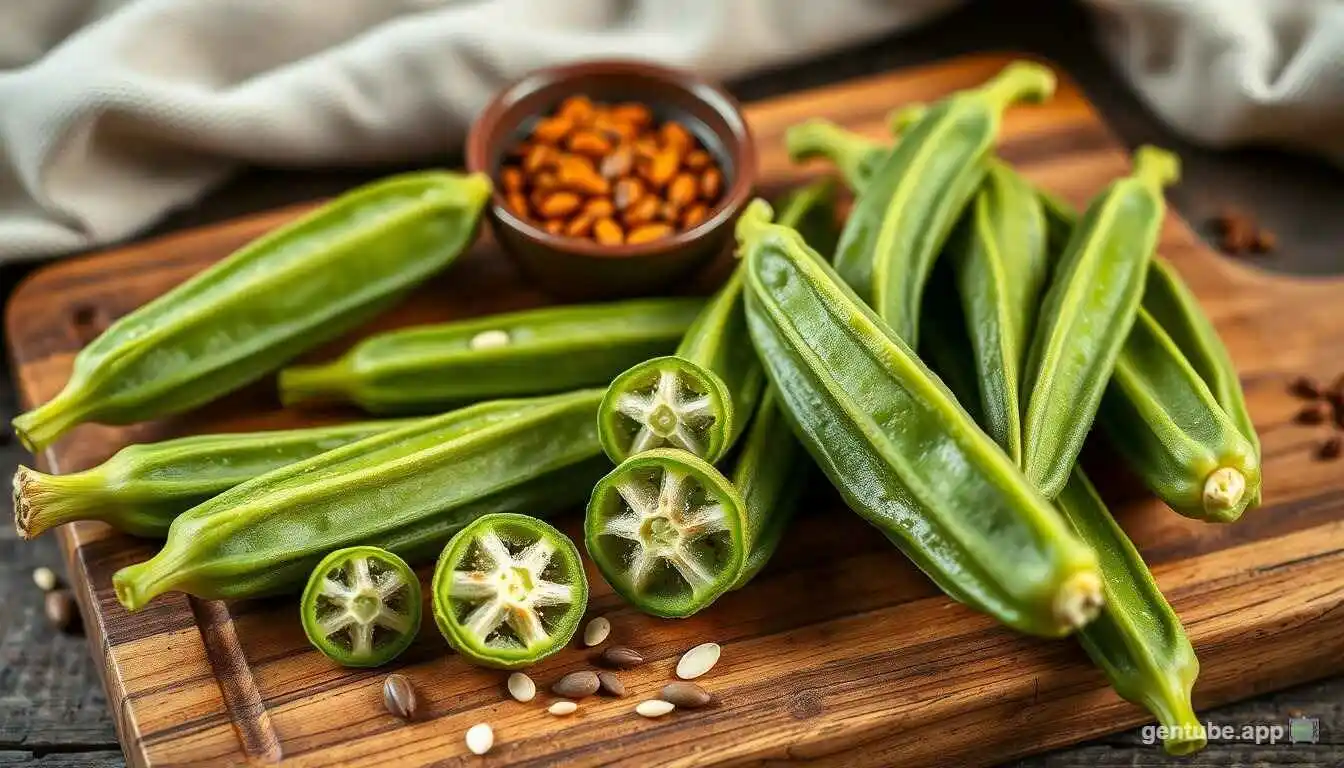
While ladyfinger is generally safe and beneficial for most people, a few groups should exercise some caution or consult a healthcare provider before significantly increasing their intake.
- Individuals taking blood-thinning medications, since ladyfinger’s vitamin K content can interact with certain anticoagulants
- People with a known allergy or sensitivity to okra or related plants in the mallow family
- Individuals prone to kidney stones, since ladyfinger contains oxalates, though at moderate levels compared to some other vegetables
- People with irritable bowel syndrome or other digestive sensitivities, who may need to moderate fiber-rich foods depending on their individual tolerance
As with any dietary change, those with existing health conditions or those taking regular medication should discuss significant changes in vegetable intake with a qualified healthcare professional.
Conclusion: A Small Pod With Outsized Benefits
Ladyfinger may not have the glamorous reputation of trendy superfoods like kale or quinoa, but its nutritional resume quietly rivals many of them. From supporting healthy blood sugar and heart function to contributing to skin, bone, and digestive health, this humble green pod offers a remarkable range of benefits packed into a low-calorie, budget-friendly vegetable found in kitchens across the world.
The next time you encounter a bundle of ladyfinger at the market, resist the urge to walk past it because of its reputation for sliminess. With the right cooking technique, it transforms into a delicious, nutrient-dense addition to your plate — one that has quietly nourished generations of families long before the term “superfood” was ever coined.
FAQS
Q1. Is ladyfinger the same as okra?
Yes, ladyfinger and okra refer to the exact same vegetable, Abelmoschus esculentus. The name used simply depends on regional and cultural naming conventions.
Q2. Is ladyfinger good for diabetics?
Ladyfinger is often recommended for individuals managing blood sugar levels because its soluble fiber slows glucose absorption, and it has a low glycemic index. However, it should be part of a broader, medically guided diabetes management plan.
Q3. Why does ladyfinger become slimy when cut?
The sliminess comes from mucilage, a soluble fiber compound naturally present in the pod that is released when the cell walls are cut or damaged.
Q4. How can I reduce the sliminess of ladyfinger while cooking?
Cooking it quickly over high heat, keeping the pods dry before cutting, and adding an acidic ingredient like lemon juice or tomato can help significantly reduce the sliminess.
Q5. Can ladyfinger help with weight loss?
Its low calorie count and high fiber content can promote feelings of fullness, potentially supporting weight management as part of an overall balanced, calorie-controlled diet.
Q6. Is ladyfinger good during pregnancy?
Yes, ladyfinger is a good source of folate, an important nutrient for fetal neural development, making it a beneficial addition to a well-rounded prenatal diet.
Q7. Can ladyfinger help lower cholesterol?
The soluble fiber in ladyfinger can bind to cholesterol in the digestive tract, potentially helping to lower LDL cholesterol levels when consumed regularly as part of a fiber-rich diet.
Q8. Is ladyfinger high in calories?
No, ladyfinger is quite low in calories, typically under 35 calories per 100 grams, making it a diet-friendly vegetable choice.
Q9. Can eating too much ladyfinger cause any side effects?
Excessive intake may cause digestive discomfort in some individuals due to its high fiber content, and those on blood-thinning medication should be mindful of its vitamin K content.
Q10. Is raw ladyfinger safe to eat?
Raw ladyfinger is generally safe to eat in small amounts, though it is more commonly consumed cooked, which also helps improve digestibility and flavor.
Q11. Does ladyfinger help with constipation?
Yes, its mucilage and fiber content have a mild natural laxative effect that can help promote regular bowel movements.
Q12. Is ladyfinger good for skin health?
Ladyfinger’s vitamin C and antioxidant content support collagen production, which contributes to healthy, resilient skin over time.
Q13. What vitamins are found in ladyfinger?
Ladyfinger contains notable amounts of vitamin C, vitamin K, and folate, along with smaller amounts of other B vitamins and vitamin A precursors.
Q14. Can ladyfinger be eaten every day?
For most healthy individuals, ladyfinger can be safely eaten several times a week or even daily as part of a varied, balanced diet, though variety in vegetable intake is generally recommended.
Q15. Is ladyfinger good for heart health?
Yes, its combination of soluble fiber, potassium, and antioxidants supports healthy cholesterol levels and blood pressure, both of which are important for cardiovascular health.
Q16. Does ladyfinger contain protein?
Ladyfinger contains a modest amount of plant-based protein, making it a small but useful contributor to protein intake, particularly in vegetarian diets.
Q17. Can ladyfinger water help with blood sugar control?
Some people prepare ladyfinger water by soaking sliced pods overnight, based on the belief that it releases beneficial compounds. While anecdotal reports are common, robust scientific evidence for this specific preparation remains limited.
Q18. Is ladyfinger good for kidney health?
Ladyfinger contains antioxidants that may offer some supportive benefits for kidney health, though individuals with existing kidney conditions should consult a healthcare provider regarding oxalate-containing foods.
Q19. What is the best way to store fresh ladyfinger?
Fresh ladyfinger should be stored unwashed in a breathable bag in the refrigerator and is best used within two to three days for optimal freshness and nutrient retention.
Q20. Can ladyfinger seeds be eaten?
Yes, the small seeds inside ladyfinger pods are edible and are consumed along with the rest of the pod in most culinary preparations.
Q21. Is ladyfinger suitable for a low-carb diet?
Ladyfinger is relatively low in carbohydrates compared to many other vegetables, making it a reasonably suitable option for those following a low-carb eating pattern.
Q22. Does cooking destroy the nutrients in ladyfinger?
Some heat-sensitive nutrients like vitamin C can diminish with prolonged cooking, so quick cooking methods like stir-frying or roasting help preserve more of its nutritional value.
Q23. Is ladyfinger good for children?
Yes, ladyfinger can be a nutritious addition to children’s diets, offering fiber, vitamins, and minerals, though its texture may require creative preparation to appeal to younger palates.
Q24. Can ladyfinger help boost immunity?
Its vitamin C content contributes to healthy immune function, making it a useful addition to an overall immune-supportive diet.
Q25. Are there different varieties of ladyfinger?
Yes, there are several cultivated varieties of ladyfinger that vary in pod length, color, and ridge structure, including green, red, and hybrid varieties.
Q26. Is ladyfinger good for hair health?
Traditional practices in some cultures use okra’s natural mucilage as a hair conditioning treatment, though formal scientific research specifically on this use remains limited.
Q27. Can people with nut or gluten allergies safely eat ladyfinger?
Ladyfinger is naturally free from nuts and gluten, making it generally safe for individuals with those specific allergies or sensitivities, though anyone with concerns should check individual circumstances.
Q28. What is the difference between fried and boiled ladyfinger in terms of health benefits?
Boiled or steamed ladyfinger tends to retain more of its water-soluble nutrients and lower the overall fat content compared to deep-fried preparations, which add extra calories from cooking oil.
Q29. Is dried ladyfinger powder beneficial?
Dried and powdered ladyfinger retains much of its fiber content and is sometimes used in traditional preparations, though the drying process can reduce certain heat- and time-sensitive vitamins.
Q30. Can ladyfinger interact with any medications?
Its vitamin K content may interact with blood-thinning medications such as warfarin, so individuals on such medication should maintain consistent intake and consult their healthcare provider.
Medical Disclaimer: The information provided on this website is for general educational and informational purposes only and is not intended as a substitute for professional medical advice, diagnosis, or treatment. Always seek the advice of your physician or other qualified health provider with any questions you may have regarding a medical condition. Never disregard professional medical advice or delay in seeking it because of something you have read on this website.

