

Jackfruit: The Ancient Superfruit That Modern Science Is Finally Catching Up To
Uncover the staggering health benefits of the world’s largest tree fruit — and why nutritionists, doctors, and chefs are all talking about it
Introduction: The Giant Green Secret Hiding in Plain Sight
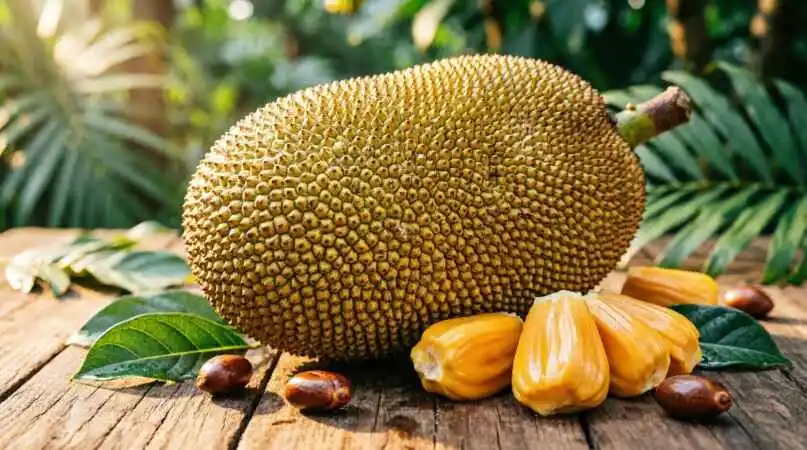
Walk through any bustling market in South or Southeast Asia and you will almost certainly encounter it — an enormous, spiky, green behemoth hanging from a tree trunk, its intoxicating sweet aroma drifting through the air. Jackfruit (Artocarpus heterophyllus) is the world’s largest tree-borne fruit, capable of growing up to 35 kilograms (77 pounds) and stretching nearly 90 centimeters in length. But size is not even remotely its most impressive quality.
For thousands of years, communities across India, Sri Lanka, Bangladesh, Thailand, the Philippines, and Brazil have relied on jackfruit as a dietary staple — a nutritional powerhouse that feeds the hungry, heals the sick, and delights the palate in equal measure. Ancient Ayurvedic texts praised its medicinal properties. Traditional healers used its bark, leaves, seeds, and roots to treat everything from skin disorders to fever. And now, modern nutritional science is catching up, validating with clinical research what generations of knowledge already knew.
In the Western world, jackfruit surged into public consciousness as a meat substitute — its unripe, shredded flesh bears a striking resemblance to pulled pork in both texture and appearance. But to reduce jackfruit to merely a vegan novelty is to dramatically undersell one of nature’s most complete foods. Its nutritional profile covers vitamins, minerals, antioxidants, dietary fiber, plant protein, and a constellation of phytochemicals that researchers are only beginning to fully understand.
This comprehensive guide dives deep into the science and tradition behind jackfruit’s health benefits — from cardiovascular protection and blood sugar management to immune support, gut health, anti-cancer potential, and beyond. Whether you are a curious food lover, a health-conscious parent, or a medical professional seeking evidence-based plant nutrition data, this is everything you need to know about jackfruit.
Section 1: Know Your Fruit — What Exactly Is Jackfruit?
Botanical Background and Cultivation
Jackfruit belongs to the Moraceae family, which also includes figs, breadfruit, and mulberries. It is believed to have originated in the rainforests of the Western Ghats of India, where it has been cultivated for at least 3,000–6,000 years. Today, it grows prolifically across tropical and subtropical regions — India, Bangladesh, Sri Lanka, Thailand, Indonesia, Vietnam, the Philippines, Brazil, and parts of East Africa.
The tree itself is extraordinary. A single mature jackfruit tree can produce 100 to 200 fruits per year, yielding up to 400 kilograms of food annually — making it one of the most productive food trees on the planet. The fruit grows directly from the trunk and main branches (a phenomenon called cauliflory), and its tough, spiky exterior conceals an interior of golden-yellow fleshy pods called “bulbs” surrounding large seeds, all embedded in a fibrous white core.
Ripe vs. Unripe: Two Foods in One
One of jackfruit’s most remarkable features is its culinary versatility across its ripening stages:
Unripe (Green) Jackfruit: When young and green, the flesh is starchy, fibrous, and neutral in flavor — making it an ideal savory ingredient. Its pulled-meat texture makes it perfect for curries, tacos, stews, and barbecue preparations. Nutritionally, it is lower in sugar and higher in starch and fiber.
Ripe Jackfruit: As the fruit matures, its flavor transforms dramatically — becoming intensely sweet, tropical, and fragrant, reminiscent of a blend of mango, pineapple, and banana. Ripe jackfruit is rich in natural sugars, antioxidants, and a full complement of vitamins and minerals.
Both forms offer distinct nutritional advantages, and understanding which stage to use makes jackfruit an incredibly adaptable food for health purposes.
Section 2: The Nutritional Powerhouse — What’s Actually Inside a Jackfruit?
Macronutrient Profile
A 100-gram serving of ripe jackfruit contains approximately:
- Calories: 95 kcal
- Carbohydrates: 23.25 g (including natural sugars and fiber)
- Dietary Fiber: 1.5 g
- Protein: 1.72 g
- Fat: 0.64 g (predominantly healthy unsaturated fats)
- Water Content: approximately 73%
The seeds deserve special mention — dried and boiled jackfruit seeds contain up to 6–7 grams of protein per 100 grams, making them a valuable supplementary protein source in plant-based diets.
Vitamins and Minerals — A Formidable Array
Jackfruit is a genuinely impressive source of micronutrients:
Vitamins:
- Vitamin C: 13.7 mg per 100g — supports immune function and collagen synthesis
- Vitamin B6 (Pyridoxine): 0.329 mg — essential for brain health and neurotransmitter production
- Vitamin B1 (Thiamine): 0.105 mg — critical for energy metabolism
- Vitamin B2 (Riboflavin): 0.055 mg — supports cellular energy production
- Vitamin A: 5 µg RAE — from beta-carotene, supports eye health and immunity
- Folate (Vitamin B9): 24 µg — vital for DNA synthesis and fetal development
- Vitamin E: small but present, supporting antioxidant function
- Niacin (Vitamin B3): 0.92 mg — essential for metabolic function
Minerals:
- Potassium: 448 mg — outstanding for blood pressure regulation
- Magnesium: 29 mg — supports muscle, nerve, and bone function
- Calcium: 24 mg — bone health
- Phosphorus: 21 mg — cellular energy and bone mineralization
- Iron: 0.23 mg — oxygen transport
- Zinc: 0.13 mg — immune support and wound healing
- Manganese: 0.043 mg — antioxidant enzyme cofactor
- Copper: 0.076 mg — connective tissue formation
Phytochemicals: The Hidden Weapons
Beyond conventional nutrients, jackfruit contains a rich spectrum of bioactive phytochemicals including flavonoids (kaempferol, quercetin, morin), tannins, saponins, lignans, carotenoids (beta-carotene, lutein, zeaxanthin), and isoflavones. These compounds collectively contribute to jackfruit’s anti-inflammatory, antioxidant, anti-cancer, and antimicrobial properties — properties that are the subject of growing scientific investigation.
Section 3: Heart Health — How Jackfruit Protects Your Most Vital Organ
Potassium: Nature’s Blood Pressure Medication
With 448 mg of potassium per 100 grams, jackfruit is an outstanding source of one of cardiovascular health’s most critical minerals. Potassium counteracts the blood-pressure-raising effects of sodium by relaxing blood vessel walls and supporting healthy kidney function in flushing excess sodium from the body. Research consistently demonstrates that diets high in potassium are associated with significantly lower rates of hypertension, stroke, and coronary heart disease.
The American Heart Association recommends 2,600–3,400 mg of potassium daily for most adults — a target that jackfruit helps meaningfully contribute toward. Regular consumption can be a particularly valuable dietary strategy for individuals with pre-hypertension or those at elevated cardiovascular risk.
Fiber and Cholesterol Management
Jackfruit’s dietary fiber content — both soluble and insoluble fractions — plays a direct role in managing cholesterol levels. Soluble fiber binds to bile acids (which are made from cholesterol) in the digestive tract and facilitates their excretion. The liver must then draw on circulating cholesterol to produce more bile acids, effectively lowering LDL (“bad”) cholesterol in the bloodstream. Multiple studies confirm that high-fiber diets are associated with 10–15% reductions in LDL cholesterol and significantly reduced risk of cardiovascular events.
Flavonoids Against Arterial Inflammation
Jackfruit’s flavonoid compounds — particularly quercetin and kaempferol — demonstrate potent anti-inflammatory activity in arterial tissue. Chronic low-grade inflammation is a primary driver of atherosclerosis (arterial plaque buildup), and dietary flavonoids help interrupt this process. Research published in the Journal of Nutritional Biochemistry and other peer-reviewed journals has identified these compounds as having the ability to inhibit inflammatory pathways (notably NF-κB signaling) that would otherwise damage arterial walls over time.
Section 4: Blood Sugar Control — A Fruit That Helps Manage Diabetes
The Surprising Anti-Diabetic Potential
At first glance, a sweet tropical fruit might seem like an unlikely ally for diabetes management. But jackfruit — particularly unripe jackfruit — contains specific compounds and fiber structures that actively support blood sugar regulation.
Slow-Release Carbohydrates and Low Glycemic Properties
Unripe jackfruit has a relatively low glycemic index (GI of approximately 50–75, varying by ripeness and preparation), meaning it causes a more gradual rise in blood glucose compared to many processed foods. The presence of complex carbohydrates, resistant starch, and significant fiber slows digestion and glucose absorption, preventing sharp post-meal blood sugar spikes.
A landmark study published in the Journal of Nutrition and Metabolism found that replacing rice with jackfruit flour in meals reduced post-meal blood glucose responses by up to 27% in Type 2 diabetic patients. This is a genuinely significant finding, suggesting jackfruit-based foods could be a practical dietary intervention for diabetes management in communities where it grows abundantly.
Isoflavones and Insulin Sensitivity
Jackfruit contains isoflavones — plant-based phytoestrogens that have been shown in multiple studies to improve insulin sensitivity and pancreatic beta-cell function. By helping cells respond more effectively to insulin, these compounds address one of the root causes of Type 2 diabetes. Research from Indian medical institutions has found that jackfruit leaf extracts significantly improve glucose tolerance in animal models, with human trials showing promising preliminary results.
Seeds: An Overlooked Diabetic Tool
Jackfruit seeds are particularly valuable for blood sugar management. They contain a unique combination of resistant starch, soluble fiber, and slow-digesting protein that combines to produce an exceptionally favorable glycemic response. Powdering and incorporating jackfruit seeds into foods is a traditional diabetic management strategy across parts of India and Sri Lanka that modern nutritional science now supports.
Section 5: Immune System Fortification — Your Natural Defense Booster
Vitamin C: The Frontline Immune Soldier
Each serving of jackfruit provides a meaningful dose of Vitamin C — one of the immune system’s most essential nutrients. Vitamin C supports the production and function of white blood cells (lymphocytes and phagocytes), enhances the skin’s barrier defense against pathogens, and acts as a powerful antioxidant that protects immune cells from oxidative damage during the inflammatory response.
Regular consumption of Vitamin C-rich foods like jackfruit has been shown to reduce the duration and severity of common respiratory infections, and there is growing evidence of Vitamin C’s importance in more serious immune challenges.
Antioxidants: Protecting Cells from Within
Jackfruit’s rich antioxidant profile — including beta-carotene, Vitamin C, quercetin, morin, and flavanones — protects cells from damage caused by free radicals. Oxidative stress from unchecked free radical activity is a root driver of cellular aging, inflammation, and the development of chronic diseases including heart disease, cancer, and neurodegenerative conditions.
The ORAC (Oxygen Radical Absorbance Capacity) value of jackfruit places it competitively among antioxidant-rich fruits, and its carotenoid content specifically has been associated with reduced risk of chronic inflammatory diseases in large epidemiological studies.
Vitamin A and Mucosal Immunity
Jackfruit’s beta-carotene converts to Vitamin A in the body — a nutrient absolutely essential for the integrity of mucosal barriers in the respiratory, gastrointestinal, and urogenital tracts. These mucous membranes are the body’s first line of defense against pathogens, and Vitamin A deficiency is one of the leading causes of immune vulnerability in developing world populations. Regular jackfruit consumption helps maintain these crucial barriers.
Antimicrobial Compounds
Several compounds isolated from jackfruit — including jacalin (a lectin derived from seeds) and various flavonoids from the bark and leaves — have demonstrated significant antimicrobial activity against pathogens including Staphylococcus aureus, E. coli, Candida albicans, and certain strains of Mycobacterium tuberculosis in laboratory studies. While clinical translation is still ongoing, these findings support jackfruit’s traditional use as an antimicrobial food.
Section 6: Digestive Health — Feeding Your Gut and Microbiome
Dietary Fiber and Gut Motility
Jackfruit is an excellent source of dietary fiber, providing both soluble and insoluble types. Insoluble fiber adds bulk to stool and accelerates intestinal transit, reducing constipation and lowering the risk of diverticular disease and colorectal cancer. Soluble fiber forms a gel in the digestive tract that slows digestion, prolongs satiety, and feeds beneficial gut bacteria.
The World Health Organization (WHO) recommends 25–30 grams of dietary fiber per day — a target most people globally fall significantly short of. Incorporating jackfruit into the diet is a delicious and effective way to move toward this goal.
Prebiotic Properties: Nourishing the Microbiome
Perhaps the most exciting frontier in jackfruit gut research is its potential as a prebiotic food — one that selectively feeds the beneficial bacteria of the gut microbiome. Jackfruit’s resistant starch and oligosaccharides pass undigested to the large intestine, where they ferment to produce short-chain fatty acids (SCFAs) including butyrate, propionate, and acetate.
Butyrate in particular is the primary fuel source for colonocytes (colon cells) and plays a crucial role in maintaining intestinal barrier integrity, reducing intestinal inflammation, and protecting against colorectal cancer. A thriving gut microbiome, nourished by prebiotic foods like jackfruit, is now understood to influence not just digestive health but also immune function, mental health, and metabolic parameters.
Traditional Use for Digestive Disorders
In Ayurvedic and traditional Southeast Asian medicine, jackfruit leaves, bark, and seeds have long been used to treat dysentery, diarrhea, and intestinal inflammation. Modern phytochemical analysis reveals that the tannins and flavonoids in these parts of the plant have genuine anti-inflammatory and antimicrobial activity in the gut, lending scientific credibility to these traditional applications.
Section 7: Cancer-Fighting Potential — The Emerging Evidence
Antioxidants and Cancer Prevention
Cancer development is intimately linked to oxidative DNA damage — mutations caused by free radicals attacking genetic material over years and decades. By neutralizing free radicals before they can damage DNA, jackfruit’s potent antioxidant compounds — particularly Vitamin C, beta-carotene, kaempferol, morin, and quercetin — theoretically help reduce this mutational burden.
Epidemiological studies consistently demonstrate that populations with high fruit and vegetable consumption (and correspondingly high antioxidant intake) have significantly lower rates of many cancers, particularly colorectal, lung, and breast cancers. While no single food prevents cancer, jackfruit’s antioxidant density makes it a valuable component of a cancer-protective dietary pattern.
Jacalin: A Unique Anti-Cancer Lectin
One of the most scientifically interesting compounds in jackfruit is jacalin — a galactose-binding lectin extracted from jackfruit seeds. Research published in journals including Cancer Letters and Glycoconjugate Journal has demonstrated that jacalin exhibits selective toxicity toward certain cancer cell lines, including colorectal and cervical cancer cells, while sparing normal cells. The proposed mechanism involves jacalin binding to specific sugar molecules on cancer cell surfaces, triggering programmed cell death (apoptosis).
This research is still primarily at the in vitro (cell culture) and animal model stages, but the selectivity and potency of jacalin’s anti-cancer activity makes it one of the more exciting compounds in cancer nutrition research.
Phytosterols and Hormone-Related Cancers
Jackfruit contains phytosterols — plant-based compounds structurally similar to cholesterol that compete with estrogen at receptor sites, potentially reducing the proliferative effects of excess estrogen on hormone-sensitive tissues. Diets rich in phytosterols are associated with reduced risk of breast and prostate cancers in multiple observational studies.
Section 8: Bone Health, Skin, and Anti-Aging Benefits
Building Stronger Bones
Jackfruit contributes to bone health through a combination of calcium, magnesium, and Vitamin C. While not as calcium-dense as dairy, its calcium content contributes meaningfully to daily requirements, particularly for populations who consume jackfruit in large quantities. More importantly, Vitamin C is essential for collagen synthesis — and collagen forms the organic matrix within which calcium is deposited in bone. Without adequate Vitamin C, bone mineralization is impaired regardless of calcium intake.
Magnesium — present in meaningful quantities in jackfruit — is also critical for bone health, facilitating the conversion of Vitamin D to its active form and supporting calcium absorption. Studies suggest that nearly half of bone mineral content is dependent on adequate magnesium.
Skin Health: Glowing from the Inside Out
The combination of Vitamin C (collagen synthesis), Vitamin A (skin cell turnover and sebum regulation), antioxidants (protection against UV oxidative damage), and water content (hydration) makes jackfruit an excellent dietary choice for skin health.
Vitamin C’s role in collagen production is particularly important for skin elasticity and the prevention of premature wrinkling. Research in the American Journal of Clinical Nutrition found that higher Vitamin C intake was significantly associated with lower likelihood of wrinkles and skin dryness in a population of over 4,000 women. Jackfruit’s antioxidants additionally protect against the skin-aging effects of environmental free radicals.
In traditional South and Southeast Asian beauty practice, jackfruit pulp is applied topically to the skin as a moisturizing and brightening mask — a use that its Vitamin C and hydration content scientifically supports.
Anti-Aging and Cellular Longevity
Aging at the cellular level is driven substantially by chronic inflammation and oxidative stress — twin processes that damage DNA, mitochondria, and cellular membranes over time. Jackfruit’s rich phytochemical content directly counteracts both. The flavonoid quercetin, present in jackfruit, has been specifically identified in aging research as a senolytic compound — one that selectively clears “zombie” senescent cells that accumulate with age and drive inflammatory processes. While much of this research is in early stages, it represents a scientifically grounded basis for jackfruit’s traditional association with vitality and longevity.
Section 9: Weight Management and Metabolic Health
A Filling, Low-Fat, Nutrient-Dense Choice
For individuals managing their weight, jackfruit offers a compelling combination of properties: it is relatively low in calories (95 kcal/100g), virtually fat-free, high in water content, and rich in fiber — all factors that promote satiety and reduce overall caloric intake. The fiber content in particular extends feelings of fullness by slowing gastric emptying and triggering the release of satiety hormones like GLP-1 and PYY.
When used as a meat substitute, unripe jackfruit dramatically reduces the caloric density of a meal — a pulled pork sandwich made with jackfruit contains a fraction of the saturated fat and calories of its meat counterpart while providing comparable volume and textural satisfaction.
Thyroid-Supporting Nutrients
Jackfruit contains copper — a trace mineral that plays a critical role in thyroid hormone synthesis and metabolism. Optimal thyroid function is foundational to metabolic rate, energy production, and body weight regulation. While jackfruit alone cannot treat thyroid disorders, its copper content supports the broader nutritional ecosystem that healthy thyroid function requires.
Stabilizing Energy Levels
Unlike high-sugar processed foods that cause sharp glycemic spikes followed by energy crashes, jackfruit’s combination of complex carbohydrates, fiber, and moderate protein delivers sustained, stable energy. This makes it particularly valuable as a pre-workout food, a breakfast staple, or an energy-sustaining snack for active individuals.
Section 10: Eye Health, Brain Health, and Beyond
Protecting Vision with Carotenoids
Jackfruit is a source of lutein, zeaxanthin, and beta-carotene — carotenoids that are critically important for eye health. Lutein and zeaxanthin accumulate in the macula of the eye, where they filter harmful blue light and protect against oxidative damage. Low macular levels of these compounds are strongly associated with age-related macular degeneration (AMD) — the leading cause of vision loss in older adults. Regular consumption of carotenoid-rich foods like jackfruit is one of the most evidence-based dietary strategies for protecting long-term vision.
Brain Health and Cognitive Function
Jackfruit’s Vitamin B6 (pyridoxine) is essential for the synthesis of neurotransmitters including serotonin, dopamine, norepinephrine, and GABA — the chemical messengers that govern mood, cognition, memory, and emotional regulation. Deficiencies in Vitamin B6 are associated with depression, cognitive decline, and neurological disorders. Jackfruit’s contribution to B6 intake supports the neurochemical foundations of mental wellness.
The antioxidant protection jackfruit provides also directly benefits brain tissue, which is exceptionally vulnerable to oxidative damage due to its high metabolic activity and high lipid content. Chronic oxidative stress in the brain is implicated in the development of Alzheimer’s disease and other neurodegenerative conditions — making antioxidant-rich dietary choices a meaningful preventive strategy.
Stress Reduction and Adrenal Support
The combination of Vitamin C and magnesium in jackfruit supports the body’s stress response systems. Vitamin C is one of the most concentrated nutrients in the adrenal glands and is rapidly depleted during periods of physical or psychological stress. Magnesium plays a critical role in regulating the HPA axis (hypothalamic-pituitary-adrenal axis) that controls cortisol production. Together, these nutrients help buffer the physiological impact of stress and support recovery.
Section 11: Sustainability — The Environmental Superfood
https://youtu.be/6E4Ii2V70g0
https://youtu.be/6E4Ii2V70g0
Jackfruit as a Climate-Resilient Crop
Beyond personal health, jackfruit has profound implications for global food security and environmental sustainability. As a tropical tree crop, jackfruit requires minimal water compared to many staple foods, is naturally resistant to pests and diseases, requires little to no synthetic fertilizer when grown traditionally, and produces fruit abundantly year-round in suitable climates.
One hectare of jackfruit trees can yield up to 25 tonnes of fruit annually — an astonishing caloric output that is produced without the greenhouse gas emissions associated with animal agriculture. The Food and Agriculture Organization (FAO) of the United Nations has highlighted jackfruit as a highly promising crop for food security in tropical regions facing the impacts of climate change.
Zero-Waste Potential
Every part of the jackfruit tree has utility: the fruit feeds humans and animals, the seeds are cooked and eaten, the wood is used in construction and instrument making, the leaves make fodder for livestock, and the latex from the bark has traditional adhesive and medicinal uses. This near-zero-waste profile aligns perfectly with circular economy principles and sustainable food systems thinking.
Conclusion: It’s Time to Eat the Giant
Jackfruit is not a trend. It is not a fad born of social media or celebrity endorsement. It is a food that has fed and healed communities for thousands of years — and one that modern nutritional science is now validating with increasing precision and enthusiasm.
From its cardiovascular protective potassium and cholesterol-lowering fiber to its blood-sugar-stabilizing resistant starch and its cancer-fighting jacalin; from its immune-fortifying Vitamin C to its brain-supporting B6 and its skin-renewing carotenoids — jackfruit is, by any serious nutritional measure, a superfood in the truest, most scientifically defensible sense of the word.
And perhaps most remarkably, it achieves all of this while also representing one of the most sustainable, productive, and ecologically beneficial food crops on the planet. In a world where what we eat affects not just our personal health but the health of the biosphere we inhabit, jackfruit stands out as a food whose benefits extend far beyond the individual who consumes it.
The world’s largest tree fruit, it turns out, carries benefits to match its size. It is time — well past time — to give this ancient giant the recognition it deserves.
FAQS
1.Is jackfruit actually good for you?
Absolutely. Jackfruit is rich in vitamins C, B6, and A, dietary fiber, potassium, magnesium, and a wide range of antioxidant phytochemicals. It supports heart health, immune function, blood sugar management, digestive health, and more — making it one of the most nutritionally comprehensive tropical fruits available.
- What are the top health benefits of eating jackfruit?
The primary evidence-backed benefits include cardiovascular protection (potassium and flavonoids), blood sugar regulation (fiber and isoflavones), immune support (Vitamin C and antioxidants), digestive health (prebiotic fiber), anti-inflammatory effects, potential cancer prevention (jacalin and carotenoids), skin health, eye protection (carotenoids), and bone support (calcium, magnesium, Vitamin C).
- How much jackfruit should I eat per day?
A serving of approximately 100–150 grams of ripe jackfruit (roughly one cup of bulbs) is a reasonable daily amount for most healthy adults. This provides meaningful quantities of key nutrients without excess sugar. People with diabetes should prefer smaller portions of unripe jackfruit and consult their healthcare provider.
- Is jackfruit good for diabetics?
Yes, especially unripe jackfruit. Its low glycemic index, resistant starch, and isoflavones help slow glucose absorption and improve insulin sensitivity. Research shows that replacing rice with jackfruit flour can reduce post-meal blood glucose by up to 27% in Type 2 diabetics. However, ripe jackfruit is sweeter and should be consumed in moderation by diabetics.
- Can jackfruit help with weight loss?
Yes. Jackfruit is low in calories, virtually fat-free, high in water content, and rich in fiber — all of which promote satiety and reduce overall caloric intake. When used as a meat substitute, it significantly reduces fat and calorie content of meals while maintaining volume and satisfaction.
- Is jackfruit a complete protein?
No. Jackfruit flesh is not a complete protein — it is relatively low in protein and lacks some essential amino acids. However, jackfruit seeds are higher in protein (6–7g per 100g) and provide a broader amino acid profile. For a complete protein, jackfruit should be combined with other plant protein sources like legumes, grains, or nuts.
- Is jackfruit better eaten ripe or unripe?
It depends on your health goal. Unripe jackfruit is better for blood sugar management, savory culinary applications, and provides more resistant starch and fiber. Ripe jackfruit is sweeter, higher in natural sugars, and richer in antioxidants, carotenoids, and Vitamin C. Both forms offer distinct nutritional advantages.
- Does jackfruit have anti-inflammatory properties?
Yes. Jackfruit contains multiple anti-inflammatory compounds including quercetin, kaempferol, morin, and beta-carotene. These flavonoids inhibit key inflammatory signaling pathways (including NF-κB), potentially reducing the chronic low-grade inflammation that drives heart disease, diabetes, and cancer.
- Can jackfruit improve gut health?
Yes. Jackfruit’s dietary fiber — including resistant starch and oligosaccharides — acts as a prebiotic, feeding beneficial gut bacteria and promoting the production of short-chain fatty acids like butyrate. Butyrate supports colon cell health, reduces intestinal inflammation, and may help protect against colorectal cancer.
- Is jackfruit safe during pregnancy?
Jackfruit is generally considered safe during pregnancy in normal food amounts. It provides folate (essential for preventing neural tube defects), Vitamin C, and iron — all critical during pregnancy. However, as with any food, moderation is advised, and individuals with latex allergies (which can cross-react with jackfruit) should exercise caution. Always consult a doctor.
- Does jackfruit help lower blood pressure?
Yes. Jackfruit’s exceptionally high potassium content (448 mg/100g) helps counteract the effects of sodium and relax blood vessel walls, supporting healthy blood pressure levels. Regular consumption of potassium-rich foods is strongly associated with reduced hypertension risk in clinical research.
- Can jackfruit help prevent cancer?
Jackfruit contains several compounds with potential anti-cancer properties, including the lectin jacalin (which has shown selective toxicity toward certain cancer cell lines), quercetin, kaempferol, and Vitamin C (which reduces DNA-damaging oxidative stress). While no food can definitively prevent cancer, jackfruit’s phytochemical profile supports a cancer-protective dietary pattern.
- Does jackfruit contain Vitamin C?
Yes. Jackfruit provides approximately 13.7 mg of Vitamin C per 100 grams. This contributes meaningfully to daily requirements and supports immune function, collagen synthesis, antioxidant defense, and iron absorption.
- Is jackfruit good for skin health?
Yes. Jackfruit’s Vitamin C supports collagen production for firm, elastic skin. Vitamin A (from beta-carotene) regulates skin cell turnover. Antioxidants protect against UV-related oxidative damage. Its high water content supports skin hydration. Jackfruit pulp is also traditionally used topically as a brightening face mask.
- What vitamins are found in jackfruit?
Jackfruit contains a broad spectrum of vitamins including Vitamin C, Vitamin B6 (pyridoxine), Vitamin B1 (thiamine), Vitamin B2 (riboflavin), Vitamin B3 (niacin), Vitamin B9 (folate), Vitamin A (from beta-carotene), and Vitamin E. This makes it one of the most vitamin-diverse tropical fruits available.
- Is jackfruit good for heart health?
Absolutely. Jackfruit supports cardiovascular health through multiple mechanisms: its potassium content regulates blood pressure, its soluble fiber reduces LDL cholesterol, and its flavonoids reduce arterial inflammation — all addressing primary risk factors for heart disease. Regular consumption aligns with heart-healthy dietary guidelines.
- Can jackfruit be eaten every day?
For most healthy adults, yes. Jackfruit is a nutritious, whole food that can be enjoyed daily as part of a varied diet. Those with diabetes should stick to unripe jackfruit or smaller portions of ripe jackfruit. People with latex-fruit syndrome should be cautious. Anyone on blood-thinning medications should discuss frequency with their doctor, as jackfruit contains Vitamin K.
- Does jackfruit help with constipation?
Yes. Jackfruit’s insoluble fiber adds bulk to stool and promotes regular intestinal motility, making it an effective natural remedy for constipation. Its water content also helps soften stool. Regular consumption supports healthy bowel regularity.
- Are jackfruit seeds edible and nutritious?
Yes! Jackfruit seeds are highly nutritious and traditionally eaten across South and Southeast Asia. They can be boiled, roasted, or ground into flour. Seeds contain approximately 6–7 grams of protein per 100 grams, along with starch, fiber, B vitamins, and minerals. They are particularly valued for their blood-sugar-stabilizing resistant starch content.
- Can jackfruit replace meat nutritionally?
As a direct meat replacement, young jackfruit mimics the texture of pulled meat convincingly but is much lower in protein than actual meat. It works best as a partial meat substitute combined with other protein-rich plant foods (lentils, chickpeas, tofu) to ensure adequate total protein intake. It successfully replaces meat in terms of texture, culinary satisfaction, and fiber content.
- What is jacalin and why does it matter?
Jacalin is a galactose-binding lectin (a type of protein) found in jackfruit seeds. It has attracted significant scientific interest for its potential anti-cancer properties, demonstrated ability to bind HIV-associated glycoproteins, and immunomodulatory effects. It is considered one of the most pharmacologically interesting compounds found in jackfruit.
- Is jackfruit good for the immune system?
Yes. Jackfruit supports immunity through multiple pathways: Vitamin C stimulates white blood cell production, Vitamin A maintains mucosal barrier integrity, antioxidants protect immune cells from oxidative damage, and antimicrobial flavonoids directly inhibit certain pathogens. It is a genuinely immune-supportive food.
- Does jackfruit have any side effects?
Jackfruit is safe for most people in normal dietary amounts. Potential concerns include: digestive discomfort (gas/bloating) from high fiber intake if consumed in large quantities suddenly; caution for people with latex-fruit syndrome (cross-reactivity); possible blood-glucose-lowering effects that could interact with diabetes medications; and theoretical concerns about overconsumption affecting those with kidney disease (due to high potassium). Always consult a healthcare provider if in doubt.
- Is canned jackfruit as healthy as fresh?
Canned jackfruit is nutritionally inferior to fresh, particularly if packed in syrup (which adds significant sugar) or heavily processed. Jackfruit canned in water or brine retains most of its fiber and minerals but loses some heat-sensitive Vitamin C and B vitamins. Fresh or frozen jackfruit is nutritionally superior; if using canned, choose water-packed varieties and rinse before use.
- How does jackfruit compare to other tropical fruits nutritionally?
Jackfruit compares favorably with other tropical fruits in terms of nutritional breadth. It contains more protein than mango or pineapple, comparable or higher levels of several B vitamins, outstanding potassium (exceeding banana per calorie), and a broader range of antioxidant phytochemicals than many comparable fruits. Its seeds add a protein dimension absent in most fruits.
- Can jackfruit help with anemia?
Jackfruit contains iron, Vitamin C (which enhances non-heme iron absorption), and folate — all nutrients important in preventing and managing anemia. While not exceptionally iron-dense, jackfruit’s Vitamin C meaningfully improves the absorption of iron from other plant foods consumed in the same meal, making it a smart dietary companion for iron-rich plant foods like lentils and spinach.
- Is jackfruit beneficial for bone health?
Yes. Jackfruit provides calcium, magnesium (which activates Vitamin D for calcium absorption), Vitamin C (essential for the collagen matrix in which calcium is deposited), and phosphorus — collectively supporting bone density and integrity. While not a primary bone food, it contributes meaningfully to bone-healthy nutritional patterns.
- Does jackfruit have anti-aging properties?
Jackfruit’s antioxidants combat oxidative stress — a primary driver of cellular aging. Quercetin in jackfruit has been identified as a senolytic compound that may help clear aging “zombie” cells. Vitamin C supports collagen maintenance for skin elasticity. Combined, these properties give jackfruit a scientifically grounded basis for anti-aging dietary inclusion.
- Is jackfruit environmentally sustainable?
Extremely so. Jackfruit trees require minimal water and inputs, produce prodigious quantities of food (up to 400 kg per tree per year), sequester carbon, require no deforestation, and generate virtually zero waste. The FAO has highlighted it as a key crop for climate-resilient food security. Choosing jackfruit over animal products is one of the more impactful individual dietary choices for environmental sustainability.
- How should jackfruit be prepared for maximum health benefits?
For maximum nutritional retention: eat ripe jackfruit raw where possible (preserves Vitamin C and heat-sensitive nutrients); steam or lightly cook unripe jackfruit rather than deep-frying; avoid sugary syrups when using canned varieties; boil or roast seeds rather than discarding them; and pair jackfruit with other protein sources and healthy fats to enhance the absorption of fat-soluble nutrients like Vitamin A and carotenoids.
Medical Disclaimer: The information provided on this website is for general educational and informational purposes only and is not intended as a substitute for professional medical advice, diagnosis, or treatment. Always seek the advice of your physician or other qualified health provider with any questions you may have regarding a medical condition. Never disregard professional medical advice or delay in seeking it because of something you have read on this website.

