

The Humble Pod With a Hidden Punch: Health Benefits of Ladyfinger (Okra) You Never Knew
Introduction: The Vegetable Everyone Underestimates
Walk through any vegetable market in South Asia, Africa, or the American South, and you will spot bundles of slender, ridged green pods stacked neatly on wooden crates. Some people call it okra. Others call it ladyfinger, bhindi, gumbo, or bamia. Whatever name it goes by, this unassuming pod has been quietly feeding families for centuries — and quietly working wonders inside their bodies while doing it.
Ladyfinger has an image problem. Its trademark sliminess, released when the pod is cut, has turned generations of children away from their dinner plates and inspired countless kitchen hacks designed to minimize that texture. But behind that much-maligned mucilage lies one of the most nutrient-dense, fiber-rich, and quietly powerful vegetables available in the produce aisle. That slippery substance everyone tries to cook away is, ironically, one of the very things responsible for many of ladyfinger’s most impressive health benefits.
In this comprehensive guide, we will explore the botanical background of ladyfinger, its detailed nutritional profile, twenty distinct health benefits backed by nutritional science, the best ways to prepare and cook it to preserve its goodness, who should be cautious about eating it, and finally, thirty frequently asked questions with clear, practical answers. By the time you finish reading, you may just find yourself adding an extra bundle of ladyfinger to your next grocery basket.
What Exactly Is Ladyfinger?
Ladyfinger, scientifically known as Abelmoschus esculentus, is a flowering plant belonging to the mallow family, the same botanical family that includes hibiscus and cotton. It is believed to have originated in either West Africa or South Asia, though its exact origins remain debated among botanists and food historians. Today, it is cultivated widely across tropical and subtropical regions, including India, Nigeria, Pakistan, the Philippines, Brazil, and the southern United States, where it is most commonly known as okra.
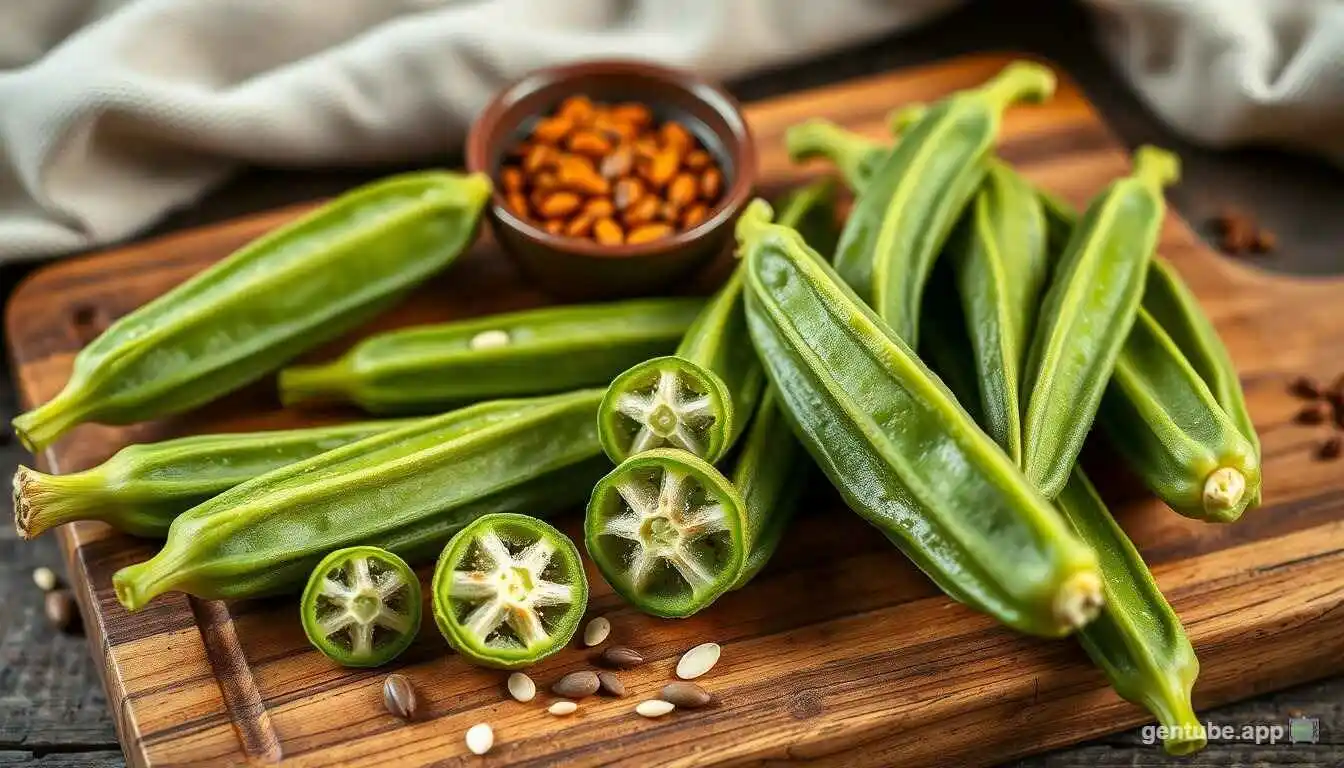
The edible part of the plant is the immature seed pod, harvested while still young and tender, typically within a week of the flower blooming. If left on the plant too long, the pods become tough, fibrous, and far less palatable. The pod itself is ridged, tapering to a point, and filled with small, round seeds arranged in neat rows — a structure that, when sliced crosswise, produces the distinctive star-shaped cross-section many people recognize instantly.
Ladyfinger’s culinary versatility is remarkable. It is stir-fried in Indian kitchens as bhindi masala, stewed into the iconic Louisiana gumbo, deep-fried into crispy snacks, pickled, dried, roasted, and even ground into powder. Its unique mucilaginous texture, while divisive, also makes it a natural thickening agent in soups and stews — a culinary trait that happens to be intimately connected to its health benefits, since that same mucilage is largely composed of soluble fiber.
The Nutritional Profile of Ladyfinger
Before diving into specific health benefits, it helps to understand exactly what makes ladyfinger nutritionally noteworthy. A single cup of raw, sliced ladyfinger, weighing roughly 100 grams, is remarkably low in calories — typically under 35 — while still delivering a meaningful package of vitamins, minerals, fiber, and plant compounds.
- Dietary fiber: Both soluble and insoluble fiber, supporting digestion and blood sugar regulation
- Vitamin C: A notable antioxidant contributor supporting immune function and skin health
- Vitamin K: Important for proper blood clotting and bone metabolism
- Folate (Vitamin B9): Especially valuable during pregnancy for fetal neural development
- Magnesium and potassium: Minerals that support heart and muscle function
- Calcium: Contributing modestly to bone health
- Antioxidant plant compounds: Including polyphenols and flavonoids such as quercetin
- Protein: A small but useful amount for a vegetable
- Low glycemic index: Making it a favorable choice for blood sugar management
This combination of low calories, high fiber, and a broad spread of micronutrients is precisely why nutritionists frequently recommend ladyfinger as part of a balanced, health-conscious diet, particularly for people managing weight, blood sugar, or cardiovascular risk factors.
20 Impressive Health Benefits of Ladyfinger
1. Supports Healthy Blood Sugar Levels
One of the most well-documented benefits of ladyfinger relates to blood sugar management. The soluble fiber found abundantly in ladyfinger slows down the absorption of sugar into the bloodstream after meals, helping to prevent sharp spikes in blood glucose. Some preliminary research has also pointed to specific compounds in okra that may help improve insulin sensitivity, making it a food frequently recommended to individuals managing prediabetes or type 2 diabetes as part of an overall balanced diet.
2. Promotes Healthy Digestion
The famous mucilage of ladyfinger is essentially a natural soluble fiber gel that coats and soothes the digestive tract. This mucilage acts as a mild natural laxative, helping to bulk up stool and support regular bowel movements, which can be particularly helpful for people dealing with constipation or irregular digestion.
3. Supports Heart Health
The soluble fiber in ladyfinger has been associated with helping to lower LDL, or “bad,” cholesterol levels by binding to cholesterol in the digestive tract and helping the body eliminate it rather than absorb it. Combined with its potassium content, which helps regulate blood pressure, ladyfinger can be a heart-friendly addition to a balanced diet.
4. Rich Source of Antioxidants
Ladyfinger contains a variety of antioxidant compounds, including vitamin C and flavonoids like quercetin. These antioxidants help neutralize harmful free radicals in the body, reducing oxidative stress that is linked to chronic disease and premature cellular aging.
5. Supports a Healthy Pregnancy
Folate, also known as vitamin B9, is essential during early pregnancy for proper neural tube development in the growing fetus. Ladyfinger is a good natural source of folate, making it a beneficial vegetable for expecting mothers to include as part of a well-rounded prenatal diet, alongside guidance from their healthcare provider.
6. Aids in Weight Management
With its low calorie count and high fiber content, ladyfinger can help promote feelings of fullness and satiety, potentially reducing overall calorie intake throughout the day. Fiber-rich, low-calorie vegetables like ladyfinger are frequently recommended as part of sustainable weight management strategies.
7. Supports Eye Health
Ladyfinger contains antioxidants such as lutein and beta-carotene, compounds that have been associated with supporting healthy vision and potentially reducing the risk of age-related eye conditions when consumed as part of a varied, nutrient-rich diet.
8. Boosts Immune Function
Vitamin C plays a central role in supporting a healthy immune system, and ladyfinger offers a respectable amount of it. Regular consumption, alongside other vitamin C-rich foods, can contribute to the body’s overall defense against common infections.
9. Supports Bone Health
Ladyfinger contains vitamin K, calcium, and magnesium — three nutrients that work together to support bone mineralization and density. Adequate vitamin K intake, in particular, plays a key role in the proper functioning of proteins involved in bone metabolism.
10. May Support Healthy Skin
The vitamin C and antioxidant content in ladyfinger contribute to collagen production, a protein essential for skin structure and elasticity. Some traditional beauty practices even use okra’s mucilage as a natural skin-soothing ingredient in homemade face masks.
11. Supports Healthy Cholesterol Levels
Beyond heart health broadly, the specific way soluble fiber interacts with bile acids in the digestive system can help the body use up circulating cholesterol to produce more bile acids, indirectly helping to lower overall cholesterol levels over time when eaten as part of a fiber-rich diet.
12. May Help Reduce Inflammation
Chronic low-grade inflammation is linked to a wide range of health conditions. The polyphenols and antioxidants present in ladyfinger have demonstrated anti-inflammatory properties in preliminary studies, suggesting a potential protective role when consumed regularly as part of a balanced diet.
13. Supports Healthy Hair
Traditional wellness practices in several cultures use okra’s natural mucilage as a hair conditioning treatment, believed to add shine and manageability. While scientific research specifically on hair benefits remains limited, the vitamin and antioxidant content of ladyfinger does support overall bodily health, which is often reflected in hair quality as well.
14. May Support Kidney Health
Some traditional and preliminary scientific interest exists around okra’s potential role in supporting healthy kidney function, thanks to its antioxidant content and relatively low oxalate levels compared to some other vegetables. However, individuals with existing kidney conditions should always consult their healthcare provider regarding dietary choices.
15. Supports a Healthy Gut Microbiome
The fiber in ladyfinger acts as a prebiotic, providing fuel for beneficial gut bacteria. A well-nourished, diverse gut microbiome has been linked to numerous aspects of overall health, from digestion to immune regulation.
16. May Help Regulate Blood Pressure
The potassium content in ladyfinger helps counterbalance the effects of sodium in the diet, supporting healthy blood vessel function and contributing to balanced blood pressure levels when included as part of an overall heart-healthy eating pattern.
17. Provides a Good Source of Plant-Based Protein
While not a primary protein source compared to legumes or animal products, ladyfinger does contribute a modest amount of plant-based protein, making it a useful addition to vegetarian and vegan meal planning.
18. May Support Respiratory Health
The vitamin C and antioxidant profile of ladyfinger may offer some supportive benefits for respiratory health by helping combat oxidative stress in lung tissue, although this area would benefit from more targeted research.
19. Supports Healthy Vision in Low Light
Beyond general eye health, the vitamin A precursors found in ladyfinger contribute to the maintenance of the retina’s light-sensitive cells, playing a supportive role in maintaining healthy night vision over time.
20. A Versatile, Naturally Low-Fat Addition to Any Diet
Beyond its individual nutrient contributions, ladyfinger’s greatest overall benefit may simply be its versatility as a naturally low-fat, nutrient-dense vegetable that can be incorporated into an enormous range of cuisines and cooking styles, making healthy eating easier to sustain long-term.
Best Ways to Cook Ladyfinger to Preserve Its Nutrients
How you prepare ladyfinger can significantly influence both its taste and its nutritional value. Here are some practical tips to get the most out of this vegetable.
- Wash and dry the pods thoroughly before cutting, since excess moisture on the surface tends to worsen the sliminess
- Cook it quickly over high heat, such as stir-frying, to minimize sliminess while preserving color and nutrients
- Add an acidic ingredient like lemon juice, tomato, or vinegar toward the end of cooking, which can help reduce the mucilaginous texture
- Avoid overcooking, since prolonged boiling can break down heat-sensitive vitamins like vitamin C
- Roasting or grilling whole pods at high heat is a low-mess way to enjoy ladyfinger with minimal sliminess
- Use fresh, firm, bright green pods rather than older, tough ones, since younger pods are more tender and nutrient-rich
- Avoid excessive soaking in water, as some water-soluble vitamins can leach out
Who Should Be Cautious About Eating Ladyfinger?
https://youtu.be/-JNAvMm4_mw

