

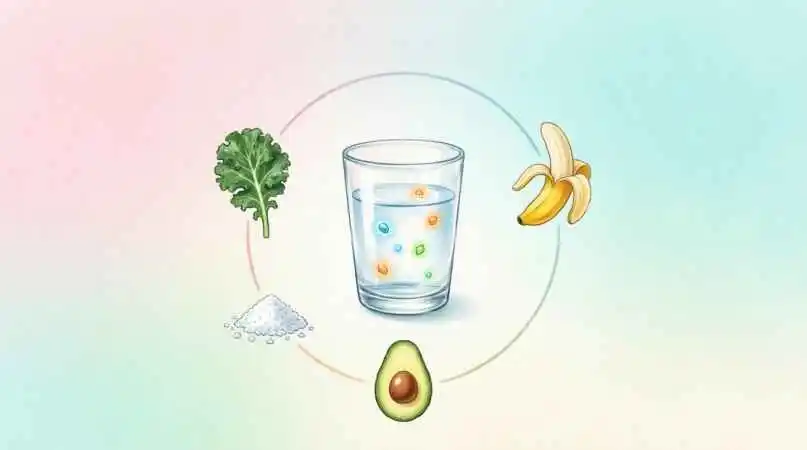
The Truth About Electrolyte Imbalance
And How to Fix It Naturally, Without the Myths
Your heart just beat about seventy times in the last minute — and every single one of those beats was triggered by an electrical signal made possible by minerals so small you can’t see them without a microscope. Electrolytes don’t get much attention until something goes wrong: a cramp that doubles you over mid-run, a pounding headache after a night out, a strange, foggy tiredness that coffee can’t touch. Then, suddenly, everyone has an opinion. Drink a sports drink. Eat a banana. Take a supplement. Add more salt. Add less salt.
Most of that advice is half-true at best, and some of it is flatly wrong. Electrolyte imbalance is a real, well-understood medical concept, but it’s also become a marketing buzzword slapped onto everything from flavored water to expensive powders. This guide separates the two — what electrolyte imbalance actually is, what causes it, how your body signals that something’s off, and which natural fixes genuinely work versus which ones are mostly hype.
So, What Are Electrolytes, Really?
Electrolytes are minerals that carry an electrical charge once they’re dissolved in your body’s fluids — blood, sweat, and the fluid inside and around your cells. That electrical charge isn’t a gimmick; it’s how your nerves send signals, how your muscles contract and relax, and how your heart maintains its steady rhythm. Without electrolytes, your body would essentially lose its wiring.
The six electrolytes that matter most are sodium, potassium, calcium, magnesium, chloride, and phosphate. Each one plays a distinct role, but none of them work in isolation. They function more like a coordinated team than individual soloists, which is exactly why a shift in one mineral often ripples outward and affects the others.
Meet the Team: The Electrolytes That Keep You Running
Sodium — The Fluid Regulator
Sodium’s main job is controlling how much fluid stays inside and outside your cells, which directly affects blood pressure and hydration status. Too little sodium (hyponatremia) can cause confusion, nausea, and headaches; too much can contribute to high blood pressure and excessive thirst.
Potassium — The Muscle and Heart Conductor
Potassium works mainly inside your cells and is critical for muscle contractions, including the rhythmic contractions of your heart. Low potassium can cause muscle weakness, cramping, and in serious cases, dangerous changes in heart rhythm.
Magnesium — The Quiet Multitasker
Magnesium is involved in hundreds of processes in the body, from muscle relaxation to nerve function to energy production. It’s also one of the most commonly under-consumed minerals in modern diets, largely because processed food strips it out.
Calcium — The Structural and Signaling Mineral
Most people associate calcium with bone health, but it also plays a major role in muscle contraction, nerve signaling, and blood clotting. Your body is so protective of blood calcium levels that it will pull calcium from your bones to maintain them if your diet falls short.
Chloride — Sodium’s Constant Companion
Chloride usually moves alongside sodium and helps maintain fluid balance and the right pH level in your blood. It’s also a key component of stomach acid, which is essential for digestion.
Phosphate — The Energy Partner
Phosphate works closely with calcium for bone health and is also a core component of the molecules your cells use to store and release energy. An imbalance here is less common but can occur in certain medical conditions or with poor nutrition.
How Electrolyte Imbalance Actually Happens
Electrolyte imbalance isn’t usually caused by one single dramatic event — it’s more often the accumulation of several small, everyday factors. Understanding the common causes makes it much easier to spot your own risk factors before symptoms show up.
Fluid Loss Without Mineral Replacement
Sweating, vomiting, diarrhea, and even frequent urination all cause you to lose electrolytes along with water. If you replace only the water — say, by drinking plain water after a bout of stomach illness — your remaining electrolytes become more diluted, which can worsen symptoms rather than fix them.
Diet Patterns That Skip Key Minerals
Diets that are heavily processed, very low in fruits and vegetables, or extremely restrictive (including some crash diets or very low-carb approaches) often fall short on potassium, magnesium, and calcium, even when calorie or protein intake looks adequate on paper.
Intense or Prolonged Exercise
Endurance athletes, people exercising in hot climates, or anyone sweating heavily for extended periods can lose meaningful amounts of sodium and potassium through sweat. This is one of the few scenarios where a dedicated electrolyte drink genuinely earns its place.
Illness and Medical Conditions
Kidney disease, uncontrolled diabetes, hormonal disorders, and gastrointestinal illnesses can all interfere with how your body regulates electrolytes, sometimes independent of diet or hydration habits entirely.
Certain Medications
Diuretics (often prescribed for blood pressure), some antibiotics, laxatives, and certain other prescriptions can alter how your kidneys handle electrolytes, which is why people on long-term medication are often monitored with periodic blood tests.
Alcohol and Excess Caffeine
Both have a mild diuretic effect, increasing fluid and mineral loss through urine. Occasional use rarely causes a serious problem, but frequent, heavy use — especially combined with poor hydration habits — can compound over time.
The Symptoms: What Your Body Is Actually Telling You
Electrolyte imbalance symptoms exist on a spectrum, from barely noticeable to medically urgent. Recognizing where you fall on that spectrum is the key to knowing whether a natural fix at home is appropriate or whether it’s time to call a doctor.
Mild and Early Symptoms
- Unusual fatigue or low energy that doesn’t match your activity level
- Mild headache, especially after sweating or being in the heat
- Slight muscle twitching or occasional cramping
- Increased thirst or a dry mouth
- Mild brain fog or trouble concentrating
Moderate Symptoms
- Noticeable muscle weakness or frequent cramps
- Nausea or loss of appetite
- Dizziness, especially when standing up quickly
- Irritability or unusual mood changes
- Persistent headache that doesn’t resolve with rest
Severe Symptoms — Seek Medical Care
- Confusion or difficulty staying alert
- Irregular, racing, or pounding heartbeat
- Severe or persistent vomiting and diarrhea
- Seizures or loss of consciousness
- Extreme muscle weakness that affects your ability to move normally
If you or someone around you is experiencing symptoms in that last category, this is not a situation for a homemade remedy — it warrants prompt medical attention.
The Myths That Keep Making This Worse
Part of what makes electrolyte imbalance so confusing is the amount of half-accurate advice circulating around it. Here are some of the most persistent myths, and the more accurate picture behind each one.
Myth: More Water Always Fixes Dehydration
The truth is more nuanced. If you’re dehydrated and also low on electrolytes — which is common after sweating, illness, or a hot day — drinking large volumes of plain water can actually dilute your remaining sodium further, worsening symptoms instead of resolving them. Fluids and minerals need to be replaced together.
Myth: You Need an Expensive Electrolyte Product to Recover
For most everyday situations, whole foods and a well-balanced diet do the job just as well, if not better, than specialty products. Electrolyte drinks and powders earn their value mainly during intense exercise, prolonged illness, or extreme heat exposure — not for routine daily hydration.
Myth: Salt Is Always the Enemy
Public health messaging around reducing excess sodium is valid for people who consume a lot of processed food, but that doesn’t mean salt itself is harmful in the right amounts. For people who sweat heavily or eat a very low-sodium diet, some added salt can actually be part of the natural fix, not the problem.
Myth: Muscle Cramps Are Always About Potassium
Potassium gets most of the blame for cramping, but magnesium, calcium, and even simple dehydration are just as often the real cause. Assuming potassium is always the culprit can lead people to overlook the actual source of their symptoms.
Myth: If You Feel Fine, Your Electrolytes Are Fine
Mild to moderate imbalances often don’t produce dramatic symptoms right away, especially in people with chronic, low-level dietary gaps. Feeling generally okay isn’t the same as having optimal levels, particularly for minerals like magnesium that build up their effects slowly over time.
How to Fix It Naturally: A Practical, Food-First Approach
For most people, most of the time, the most effective and sustainable way to correct or prevent an electrolyte imbalance is through consistent daily habits rather than a single dramatic fix. Here’s a practical breakdown.
Rehydrate With Intention, Not Just Volume
Instead of chugging large amounts of plain water all at once, especially after sweating or illness, pair fluids with a small amount of food or a pinch of salt. Broths, diluted fruit juice with a touch of salt, or a natural electrolyte-rich drink like coconut water can help fluids and minerals move back into balance together.
Build Meals Around Naturally Mineral-Rich Foods
- Potassium: bananas, oranges, potatoes, spinach, avocado, beans, yogurt
- Magnesium: leafy greens, almonds, pumpkin seeds, whole grains, dark chocolate, legumes
- Calcium: dairy products, fortified plant milks, leafy greens, sesame seeds, tofu
- Sodium and chloride: naturally present in most whole foods, and easily supplemented with a pinch of salt if you sweat heavily or eat a very low-sodium diet
Time Your Intake Around Activity
If you exercise intensely or spend extended time in the heat, eating a mineral-rich snack and hydrating both before and after activity is more effective than trying to correct a deficit after symptoms have already appeared.
Limit the Habits That Quietly Drain You
Moderating alcohol and heavy caffeine intake, especially on days when you’re already sweating a lot or not eating much, reduces one of the easiest-to-control contributors to electrolyte loss.
Consider a Homemade Electrolyte Drink
A simple combination of water, a small pinch of salt, a squeeze of citrus for potassium and flavor, and a touch of natural sweetener can replicate much of what commercial electrolyte drinks offer, without the added sugar or artificial ingredients found in many store-bought versions.
Don’t Skip Meals During Illness
It’s tempting to eat very little when you’re nauseous or unwell, but small, frequent servings of easily digestible, mineral-containing foods — like broth, bananas, or diluted juice — support recovery far better than fasting through it.
Know When Food Isn’t Enough
Natural, food-based approaches work well for mild imbalances and for prevention, but they are not a substitute for medical treatment when an imbalance is significant, caused by an underlying medical condition, or accompanied by severe symptoms. In those cases, a healthcare provider may need to test your blood levels and recommend targeted treatment.
Who Should Pay Closer Attention
While anyone can experience an electrolyte imbalance, some groups face a meaningfully higher risk and may benefit from being more proactive about prevention.
- Endurance athletes and people who exercise intensely in hot conditions
- Older adults, due to reduced thirst sensation and more frequent medication use
- People with chronic conditions like kidney disease or diabetes
- Anyone on long-term diuretics or certain other prescription medications
- People following very restrictive diets, including some low-carb or fasting protocols
- Individuals recovering from prolonged vomiting, diarrhea, or heavy alcohol use
If you fall into one or more of these categories, it’s worth discussing your personal risk factors with a healthcare provider, particularly if you already notice recurring symptoms like cramping, fatigue, or irregular heartbeat.
Common Mistakes People Make When Trying to Fix It
Even well-intentioned attempts to correct an electrolyte imbalance can backfire if they’re based on incomplete information. Here are the missteps that show up most often, and why they don’t work as well as people expect.
Chasing One Mineral and Ignoring the Rest
It’s common to hear ‘you’re probably low on potassium’ and load up on bananas while ignoring magnesium, sodium, or calcium entirely. Because electrolytes work as an interconnected system, focusing on a single mineral while neglecting the others often leaves the underlying imbalance only partly addressed.
Overcorrecting With Supplements
More isn’t automatically better. Taking high-dose electrolyte supplements without medical guidance, particularly potassium or magnesium, can push levels too high just as easily as too low, and excess levels of some electrolytes carry their own risks, especially for people with kidney issues.
Treating Every Headache or Cramp as an Electrolyte Problem
Electrolyte imbalance is one possible cause of headaches, fatigue, or muscle cramps, but it’s far from the only one. Sleep deprivation, tension, overuse injuries, and other nutrient gaps can produce nearly identical symptoms, so it helps to look at the full picture rather than assuming electrolytes are always to blame.
Waiting Until Symptoms Are Severe to Take Action
Because mild symptoms are easy to brush off, many people don’t address their hydration or diet until cramping, dizziness, or fatigue become disruptive. Building small daily habits before symptoms appear is far more effective than trying to fix a significant deficit after the fact.
Relying Entirely on Commercial Products
Electrolyte tablets, powders, and drinks can be genuinely useful in the right circumstances, but treating them as a daily necessity rather than an occasional tool can mean overlooking cheaper, more sustainable food-based habits that would work just as well for most everyday situations.
A Sample Day of Eating for Better Electrolyte Balance
https://youtu.be/AA1XECzmAKA

