

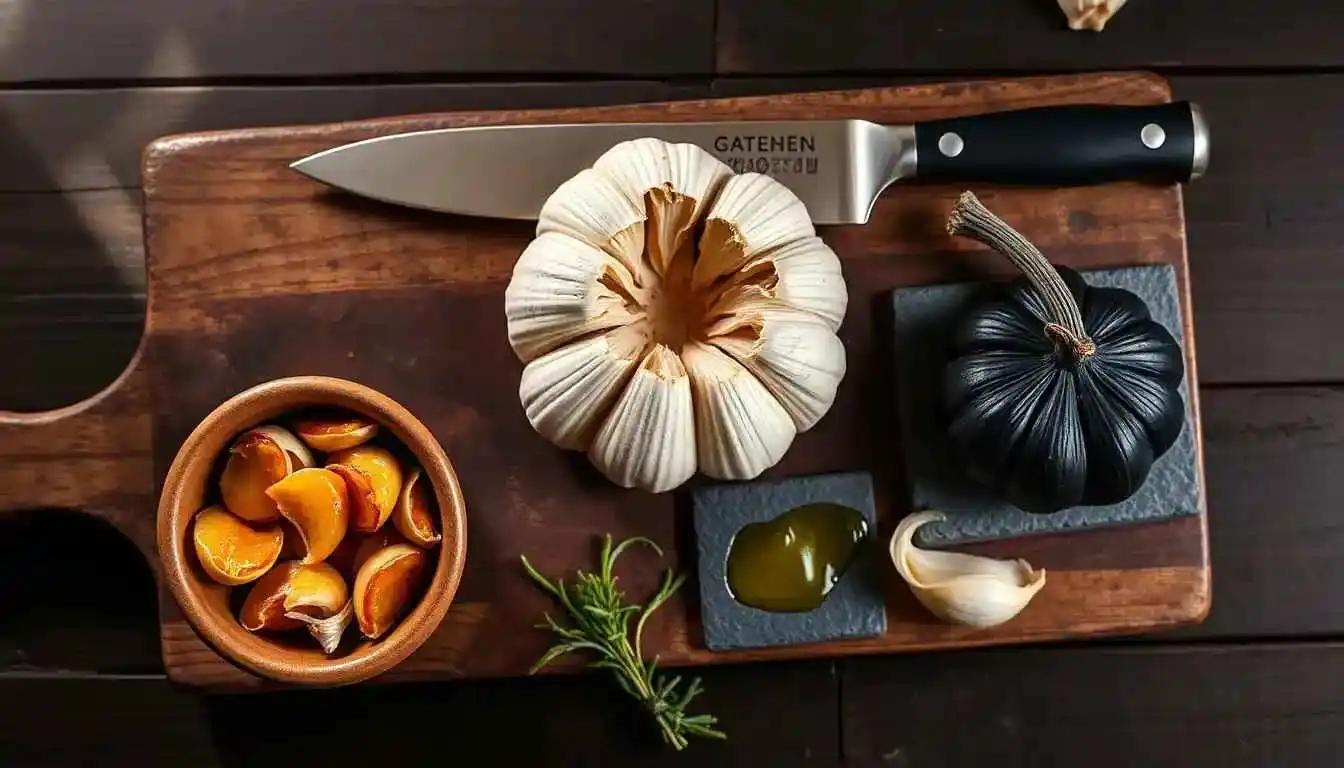
The Stinking Rose: A 4,000-Year Love Affair with Garlic, the Culinary Superpower
There is a sound that signals the beginning of something magnificent in the kitchen. It is the subtle, papery rustle of a bulb being broken apart, followed by the satisfying, dull thud of a chef’s knife crushing a clove beneath its flat side. And then, the magic arrives: that unmistakable, pungent, earthy aroma that hits your olfactory senses and immediately triggers a primal sense of hunger.
Garlic. Allium sativum. The stinking rose. The cornerstone of virtually every major culinary tradition on the planet.
From the bustling night markets of Taipei to the rustic farmhouses of Tuscany, from the vibrant taco stands of Mexico City to the cozy family kitchens of the American South, garlic is the great unifier. It is the invisible thread woven through the tapestry of global cuisine. Yet, despite its ubiquity, garlic remains one of the most misunderstood and misused ingredients in the home cook’s arsenal.
We take it for granted. We toss it into scorching oil, burning it into bitter submission. We buy it pre-minced in jars, stripped of its volatile, glorious soul. We treat it as an afterthought, when it should be the guest of honor.
This is not just a celebration of garlic; it is a deep, unapologetic dive into its 4,000-year history, its complex chemistry, its staggering health benefits, and the precise culinary techniques required to unlock its full potential. Whether you are a casual cook or a hardened culinary obsessive, it is time to elevate your relationship with the most powerful bulb in the botanical kingdom.
The Healer in the Pantry: Unpacking the Science-Backed Health Benefits of Garlic
Long before garlic was used to make a rich aioli or a fragrant curry, it was revered as medicine. The ancient world didn’t have pharmacological giants; they had the soil. And in the soil, they found garlic.
Modern science has spent the last few decades catching up to what traditional healers knew millennia ago. The medicinal properties of garlic are not folk magic; they are rooted in complex biochemistry.
The Allicin Revolution The secret to garlic’s healing power lies in a compound called allicin. Here is the fascinating part: allicin does not actually exist in a whole, intact garlic clove. When the clove is undisturbed, it contains an amino acid called alliin and an enzyme called alliinase. These two compounds are stored in separate compartments within the plant’s cells.
It is only when you slice, crush, or chew the garlic that the cellular walls are ruptured, allowing the enzyme and the amino acid to mix. This chemical reaction produces allicin, the sulfur-containing compound responsible for garlic’s signature smell and its most potent medicinal effects. This is why pre-minced garlic, which has long since lost its volatile allicin, is practically useless from a therapeutic standpoint.
Cardiovascular Guardian Garlic is arguably one of the most heart-healthy foods you can consume. Numerous studies have demonstrated its ability to lower total cholesterol and LDL (“bad”) cholesterol over time. But its cardiovascular benefits don’t stop there. Garlic contains compounds that stimulate the production of nitric oxide in the blood vessels, which helps them relax and dilate. This leads to a measurable reduction in blood pressure. In fact, high-dose garlic supplements have been shown to be as effective as some standard blood pressure medications in clinical trials.
Immune System Armor If you want to fend off the common cold, look to the bulb. A large-scale study found that taking a daily garlic supplement reduced the number of colds by 63% compared to a placebo. Even when participants did catch a cold, the duration of their symptoms was reduced by an average of 70%. The antimicrobial and antibacterial properties of allicin make garlic a formidable weapon against invading pathogens.
The Antioxidant Powerhouse Garlic is packed with potent antioxidants, including flavonoids and selenium, which protect your cells from the damaging effects of free radicals. This oxidative stress is a primary driver of aging and degenerative diseases. By neutralizing these free radicals, regular garlic consumption has been linked to a reduced risk of Alzheimer’s disease, dementia, and certain types of cancer.
To maximize these health benefits, the golden rule of garlic preparation is the 10-Minute Rule: After crushing or chopping your garlic, let it sit on the cutting board for ten minutes before applying heat. This allows the alliin and alliinase to fully react and form allicin. Once allicin is formed, it is relatively heat-stable; but if you chop and immediately toss it into a hot pan, the heat destroys the enzyme before the reaction can occur, robbing you of the health benefits.
The Great Garlic Divide: Hardneck vs. Softneck Explained
If you think a garlic is just a garlic, you are missing out on an entire world of flavor. Walking into a gourmet grocery store or a farmer’s market can reveal a staggering variety of garlic, but all of these varieties fall into two primary categories: Hardneck and Softneck. Understanding this divide is crucial for selecting the right garlic for your culinary needs.
Hardneck Garlic (Allium sativum var. ophioscorodon) Hardneck garlic is the rugged, flavor-intensive cousin. It thrives in colder climates with harsh winters and produces a stiff, central stalk (the “hard neck” or scape) that grows through the center of the bulb.
- Flavor Profile: Hardneck varieties are the darlings of chefs. They generally have a more complex, robust, and spicy flavor than softnecks. They often possess subtle floral, earthy, or even nutty undertones.
- Cloves: They typically have fewer cloves per bulb (usually 6 to 12), which are large, easy to peel, and uniformly sized around the central stalk.
- The Scape: In early summer, hardneck garlic sends up a curly, green stalk called a scape. This must be cut off to force the plant’s energy back into the bulb. The scapes are a culinary delicacy in their own right, offering a mild, sweet garlic flavor perfect for pestos and stir-fries.
- Varieties to Know: Rocambole (rich, complex, the gold standard for chefs), Porcelain (large cloves, fiery raw heat that mellows beautifully when cooked), and Purple Stripe (stunning purple-veined skins, sweet and holds flavor well when baked).
Softneck Garlic (Allium sativum var. sativum) Softneck garlic is the commercial superstar. It thrives in milder, warmer climates and does not produce a hard central stalk. This is the garlic you see braided into beautiful, rustic ropes hanging in kitchens.
- Flavor Profile: Softneck garlic has a milder, more subtle flavor compared to hardneck. It is less complex, making it a safe, all-purpose choice, but it lacks the fiery depth that garlic purists crave.
- Cloves: It produces a larger number of cloves per bulb (often 12 to 20), and they vary wildly in size—large outer cloves and tiny, frustratingly difficult-to-peel inner cloves.
- Storage: The primary advantage of softneck garlic is its exceptional shelf life. While hardneck garlic might last 4 to 6 months under ideal conditions, softneck varieties can easily last 9 to 12 months. This is why the supermarket is dominated by softnecks.
(A quick note on Elephant Garlic: Often sold as a novelty, this is not actually garlic; it is a variant of the garden leek. Its massive cloves have a very mild, onion-like flavor and are great for roasting, but they lack the pungent intensity of true garlic.)
The Flavor Matrix: How Heat and Prep Unlock Garlic’s Potential
Garlic is a flavor shapeshifter. The way you cut it, and the way you cook it, will fundamentally alter its chemical structure and its taste. Mastering the “Garlic Flavor Matrix” is the key to becoming a master of your kitchen.
The Cutting Scale The more you rupture the cellular walls of a garlic clove, the more allicin is produced, and the more pungent the flavor becomes.
- Whole Clove: Minimal cell damage. Mellow, subtle, sweet flavor. Best for slow braises, infusing oils, or making garlic confit.
- Sliced: Moderate cell damage. A noticeable but manageable bite. Beautiful for stir-fries where you want visible, golden disks of garlic.
- Minced: High cell damage. Sharp, pungent, and aggressive. This is the standard for sauces, marinades, and base flavoring.
- Crushed/Pasted (Microplaned): Maximum cell damage. The resulting paste is incredibly fiery and intense. Best used raw in dressings or when you want the garlic to completely dissolve into a sauce.
The Cooking Scale Heat tames the volatile sulfur compounds in garlic, mellowing its bite and bringing out its natural sugars. But heat is a dangerous game; the line between golden, sweet garlic and charred, bitter garlic is a matter of seconds.
- Raw: Sharp, spicy, and aggressive. The flavor clears your sinuses and lingers on your palate.
- Sautéed (Briefly): The flavor softens slightly but remains assertive. This is the foundational flavor for most Western dishes.
- Roasted/Baked: When wrapped in foil and slow-roasted, garlic undergoes a metamorphosis. The harsh compounds break down entirely, the sugars caramelize, and the cloves transform into a sweet, nutty, spreadable paste that tastes like warm, savory butter.
- Burned: Unforgivable. Burned garlic is acrid, bitter, and will ruin an entire dish. Because garlic has a low water content and burns at a lower temperature than onions or other aromatics, it should almost always be the last aromatics added to a hot pan, not the first.
Black Gold: The Magic and Method of Black Garlic
If you haven’t yet encountered black garlic, prepare to have your mind expanded. Originating in Korean and Japanese culinary traditions, black garlic looks like a regular garlic bulb that has been charred in a fire. But slice it open, and you will find a sticky, jet-black clove with the texture of chewy taffy.
It is not fermented by microbes; rather, it undergoes a slow, low-heat Maillard reaction (often incorrectly called fermentation). Whole bulbs of garlic are kept in a humidity-controlled environment at around 140°F to 170°F for several weeks.
The result is nothing short of culinary alchemy. The harsh, pungent compounds vanish entirely. In their place, you get an explosion of umami. Black garlic tastes like a rich syrup of balsamic vinegar, molasses, tamarind, and dark chocolate, with a lingering, mellow garlic undertone. It adds a depth of flavor to dishes that regular garlic simply cannot achieve.
How to Use It: Puree black garlic cloves with olive oil and toss with pasta. Mash it into mayonnaise for an mind-blowing burger spread. Fold it into bread dough. Whisk it into vinaigrettes, or rub it directly onto a steak before searing. It is the ultimate secret weapon for adding depth and intrigue to savory (and even sweet) dishes.
Culinary Hacking: Mastering Garlic Confit and Roasted Garlic
If you want to instantly upgrade your weekly meal prep, you need to master two techniques: Garlic Confit and Roasted Garlic. These methods allow you to mellow garlic’s bite and preserve it for days, giving you a ready-made flavor bomb for every meal.
The Art of Garlic Confit Confit (from the French confire, meaning “to preserve”) involves slow-cooking an ingredient submerged in fat. Garlic confit is a revelation.
- Prep: Peel a large batch of garlic cloves (the easiest way is to smash them lightly with the flat of a knife to loosen the skin).
- Submerge: Place the cloves in a small saucepan and pour in enough high-quality extra virgin olive oil to completely cover them by about half an inch.
- The Simmer: Place the pot over low heat. You want the oil to barely simmer—just a few tiny bubbles rising to the surface occasionally. If the oil is sizzling or frying the garlic, the heat is too high.
- The Wait: Cook for 40 to 50 minutes until the cloves are incredibly tender and pale golden.
- The Storage: Let the oil cool, then transfer the cloves and the oil to a clean glass jar. Store it in the fridge.
The Payoff: You now have two products. The cloves are meltingly soft, sweet, and rich—perfect for mashing into potatoes, spreading on toast, or tossing with roasted vegetables. The oil has been infused with a mellow, sweet garlic essence; use it as a finishing oil for salads, pasta, or dipping bread. It will keep in the fridge for up to two weeks.
Roasted Garlic: The Baker’s Secret An even simpler technique that yields a dramatically different, deeply caramelized result.
- Prep: Take a whole bulb of garlic. Slice off the top quarter-inch with a sharp knife, exposing the tops of the cloves inside the papery skin.
- Drizzle: Place the bulb on a square of aluminum foil. Drizzle generously with olive oil, ensuring the oil seeps down into the exposed cloves. Sprinkle with a pinch of flaky sea salt.
- Wrap & Roast: Wrap the foil tightly around the bulb to seal in the steam. Roast in a preheated 400°F (200°C) oven for 40 to 45 minutes.
- The Squeeze: Let it cool slightly. When you squeeze the base of the bulb, the soft, golden-brown cloves will ooze out like butter.
Use this paste for the ultimate garlic bread, whisk it into pan sauces, or simply eat it straight off a baguette.
From Soil to Supper: A Beginner’s Guide to Growing Your Own Garlic
There is a profound satisfaction in cooking with ingredients you have grown yourself, and garlic is one of the most rewarding crops you can cultivate in a home garden. It requires patience, but very little active maintenance.
The Golden Rule: Plant in the Fall Garlic needs a period of cold dormancy (vernalization) to form proper bulbs. If you plant garlic in the spring, you will get a plant, but the bulb will be a single, undivided round. You must plant in the fall, about 4 to 6 weeks before the ground freezes. This allows the roots to establish before winter sets in.
Soil Prep Garlic is a heavy feeder and demands loose, well-draining soil. If you have dense clay, you must amend it heavily with compost and sand, or build a raised bed. Mix in a balanced organic fertilizer before planting.
Planting the Cloves
- Source Seed Garlic: Do not use grocery store garlic; it is often treated with growth inhibitors and may not be suited to your climate. Buy “seed garlic” from a reputable local farm or supplier.
- Crack the Bulb: The day before planting, gently break the bulb into individual cloves. Leave the papery husk on; it protects the clove from rot.
- Plant: Push each clove into the soil about 2 to 3 inches deep, with the pointed end facing up and the flat root end down. Space them 6 inches apart.
- Mulch: Cover the bed with a thick layer (4 to 6 inches) of organic straw or shredded leaves. This insulates the cloves against extreme winter temperature fluctuations and suppresses weeds.
Spring and Summer Care In the spring, shoots will push through the mulch. Side-dress the plants with a nitrogen-rich fertilizer (like blood meal or fish emulsion) in early spring. Water consistently, but do not waterlog the soil.
The Scape Signal If you are growing hardneck garlic, curly scapes will appear in early summer. Snip them off when they make one full loop. Eat them! This directs the plant’s energy back down into expanding the bulb underground.
The Harvest This is where patience is tested. Harvest too early, and the bulbs are small; harvest too late, and the wrappers split, leaving the cloves vulnerable to rot and reducing storage life. Watch the lower leaves. When the bottom 3 to 4 leaves have turned brown and died back, but the upper leaves are still green, it is time. Gently loosen the soil with a fork and lift the bulbs. Do not yank them by the stalk.
Curing: The Final Step Freshly harvested garlic is wet and vulnerable. It must be cured. Brush off loose dirt (do not wash with water), and lay the bulbs out in a single layer on a wire rack, or hang them in bundles of 6 in a well-ventilated, shaded, dry place (a covered porch or a dry shed is perfect). Do not leave them in direct sunlight. Let them cure for 3 to 4 weeks. Once the stems are completely dry and crispy, and the outer paper rustles, you can trim the roots and braid the softnecks, or trim the hardneck stalks. Your garlic is now ready for storage and consumption.
The Vampire Myth and Other Garlic Folklore
Why do vampires fear garlic? The connection between garlic and the supernatural is deeply rooted in European folklore, but the reasons are more grounded in history and medicine than you might think.
The vampire myth originated in Eastern Europe, a region that also has a long, storied history of garlic cultivation and medicinal use. In the Middle Ages, the boundaries between death and disease were poorly understood. When plagues swept through villages, people looked for supernatural explanations.
One prevailing theory suggests that the vampire myth was born from symptoms of rabies. Rabies causes insomnia, a desire to bite, and an extreme sensitivity to strong smells and light. Garlic, being the most pungent remedy in the medieval apothecary, was hung over doors and worn around the neck to ward off disease. If a rabid person (or animal) recoiled from the smell of garlic, the superstitious villagers believed they had just repelled a vampire.
Another theory ties the myth to the disease porphyria, a rare blood disorder that causes extreme sensitivity to sunlight (making sufferers nocturnal), receding gums (making teeth look like fangs), and an aversion to sulfur-rich foods like garlic, which exacerbate their symptoms.
In ancient Greek and Roman cultures, garlic was associated with strength and protection. Greek midwives hung garlic in birthing rooms to ward off evil spirits, and Roman soldiers ate garlic before battle, believing it imparted courage and physical power. Even in ancient Egypt, garlic was considered sacred; clay models of garlic bulbs were found in Tutankhamun’s tomb, and the builders of the pyramids famously went on strike when their daily ration of garlic was cut off.
Beyond the Kitchen: Surprising Household and Garden Uses for Garlic
Garlic’s utility extends far beyond the plate. Its potent antimicrobial and insecticidal properties make it a fantastic, all-natural tool for your home and garden.
- The Garlic Pest Spray for Gardens Aphids, caterpillars, and other garden pests despise the sulfur compounds in garlic. To make a natural pest deterrent, puree 4 cloves of garlic with a quart of water and a teaspoon of liquid dish soap. Strain the mixture through a cheesecloth and spray it directly onto the leaves of your affected plants. Reapply after heavy rain.
- DIY Cold and Flu Remedy When you feel a scratchy throat coming on, skip the pharmacy and head to the pantry. Mince two cloves of raw garlic, let it sit for 10 minutes (the allicin rule!), and swallow it like a pill with a glass of water. If that is too harsh, try “fire cider”: steep minced garlic, ginger, horseradish, and cayenne in raw apple cider vinegar for a month, and take a shot daily during cold season.
- Repairing Hairline Cracks in Glass This sounds like an old wives’ tale, but it has a basis in the natural adhesive properties of garlic juice. If you have a small, hairline crack in a glass, crush a clove of garlic to release its sticky, sap-like juice. Rub the juice into the crack and wipe away the excess. The natural adhesives in the garlic can help seal the crack and prevent it from spreading.
- Natural De-icer Garlic salt or garlic powder can be used as an eco-friendly alternative to harsh chemical de-icers for your walkways in the winter. The salt lowers the freezing point of water, and the garlic compounds help break down the ice. (Note: High concentrations of salt can damage surrounding soil and plants, so use this sparingly and away from prize flowerbeds).
The Garlic Lover’s Arsenal: 5 Iconic Recipes to Prove Your Devotion
To truly honor the bulb, you must put it center stage. These recipes are not for the faint of heart; they are bold, unapologetic celebrations of garlic in all its forms.
- Aglio e Olio (Spaghetti with Garlic and Oil) The ultimate test of a chef’s skill. With only five ingredients, there is nowhere to hide. Bring a large pot of salted water to a boil. Slice 6 cloves of garlic thinly. In a cold skillet, combine 1/2 cup of high-quality extra virgin olive oil and the sliced garlic. Turn the heat to medium. Cook the garlic, stirring constantly, until it is pale gold and just beginning to bubble (do NOT let it brown). Remove from heat. Cook 1 lb of spaghetti 2 minutes shy of al dente. Transfer the pasta to the skillet with the garlic oil. Add 1/2 cup of pasta water. Return to medium heat, tossing vigorously until the water and oil emulsify into a glossy sauce that coats the pasta. Finish with a massive handful of chopped fresh parsley and a pinch of red pepper flakes.
- Chicken with 40 Cloves of Garlic A classic French bistro dish that sounds intimidating but is profoundly simple and deeply comforting. Preheat oven to 375°F. Season a whole cut-up chicken (or 8 bone-in thighs) generously with salt and pepper. Brown the chicken pieces in a Dutch oven in a little oil, then set aside. Add 2 tablespoons of butter to the pot, and toss in 40 peeled, whole garlic cloves and a few sprigs of thyme. Sauté for 2 minutes. Nestle the chicken on top of the garlic, pour in 1/2 cup of dry white wine and 1/2 cup of chicken stock. Cover tightly and bake for 1.5 hours. The garlic will melt into a sweet, golden paste that you mash directly into the rich pan sauce.
- Roasted Garlic and White Bean Dip A creamy, dreamy alternative to hummus. Roast 2 whole bulbs of garlic as instructed earlier. In a food processor, combine the squeezed-out roasted garlic paste, 2 cans of rinsed cannellini beans, 3 tablespoons of olive oil, the juice of 1 lemon, and a splash of water. Blend until silky smooth. Season with salt and black pepper. Serve drizzled with more olive oil and a dusting of smoked paprika.
- Sizzling Sichuan Garlic Eggplant A celebration of raw, pungent garlic against soft, sweet eggplant. Cut 2 large eggplants into spears, toss with salt, and let sit for 20 minutes to draw out moisture. Squeeze dry, then deep-fry or pan-fry in oil until golden and soft. In a wok, heat 2 tablespoons of oil. Add 1 tablespoon of minced ginger and 4 tablespoons of finely minced raw garlic. Stir-fry for 15 seconds until fragrant. Add the eggplant, 2 tablespoons of soy sauce, 1 tablespoon of black vinegar, 1 tablespoon of sugar, and a splash of water. Toss until the sauce glazes the eggplant. Garnish with chopped scallions.
- The Ultimate Black Garlic Burger Sauce Mash 4 cloves of black garlic into a paste. Mix with 1/2 cup of mayonnaise, 1 tablespoon of Dijon mustard, 1 teaspoon of Worcestershire sauce, and a pinch of salt. Let it sit in the fridge for an hour to let the flavors meld. Slather generously on a hot burger. The umami explosion will change your life.
The Final Clove
https://youtu.be/E4HpiZkKW2A

