

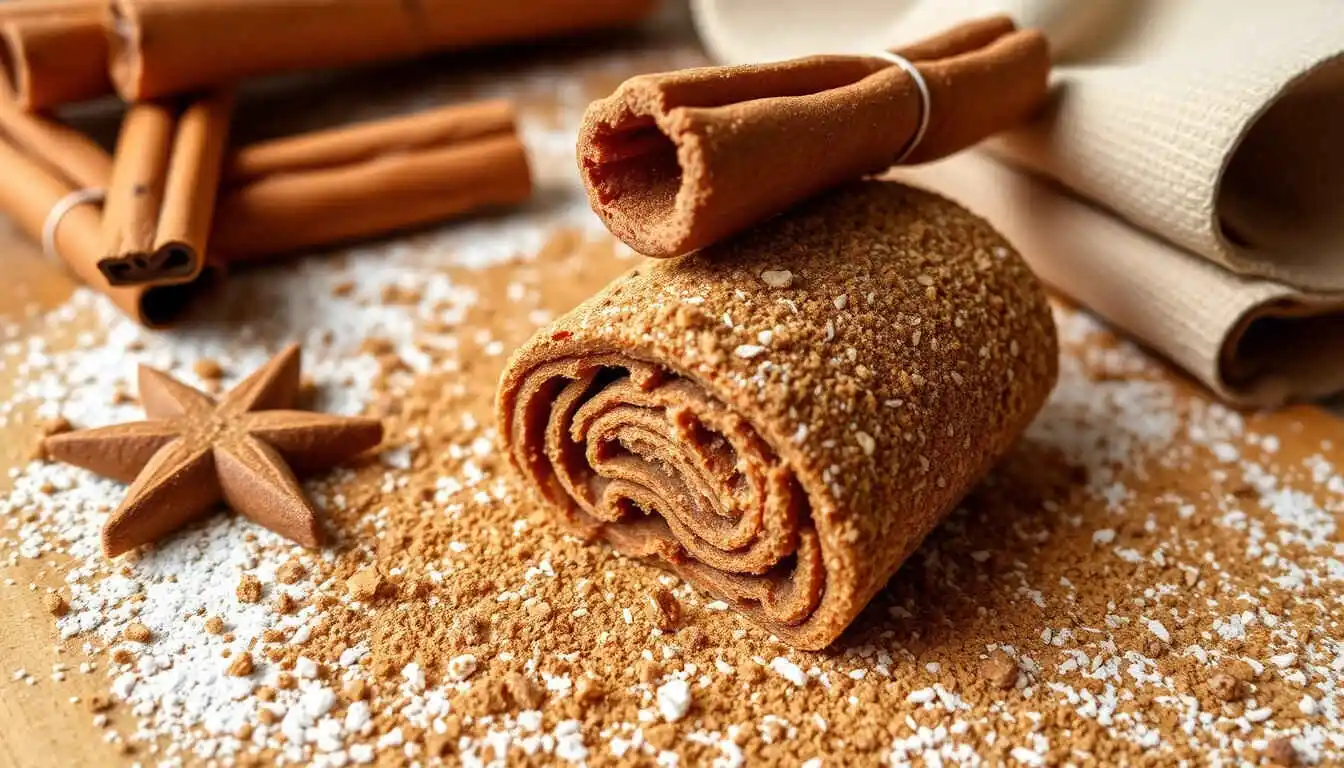
Unveiling the Mind-Blowing Secrets, Health Miracles, and Culinary Magic of Cinnamon
Take a deep breath. Close your eyes and imagine the comforting, warm, and slightly sweet aroma that fills the air on a crisp autumn morning. It’s the scent of freshly baked apple pie, of steaming mugs of cocoa on a snowy day, and of cozy sweaters by the fireplace. That unmistakable, soul-hugging fragrance? That’s the power of cinnamon. But what if I told you that the humble, dusty brown powder sitting in your kitchen pantry is hiding a secret identity? What if this everyday spice is actually an ancient miracle worker, a fierce biological warrior, and a catalyst for mind-bending sensory experiences?
We sprinkle it carelessly on our lattes and toss it into our oatmeal without a second thought, yet cinnamon has commanded empires, sparked wars, and held the key to human health for millennia. It is not just a flavor enhancer; it is a testament to the extraordinary gifts of nature, wrapped tightly in the curled bark of an unassuming evergreen tree.
Welcome to the ultimate deep dive into the world’s most beloved spice. We are about to journey through the mists of time, across perilous ancient trade routes, deep into the microscopic realms of human biology, and straight into the sizzling pans of modern culinary innovation. By the time you finish reading, you will never look at that little jar of cinnamon the same way again.
The Dusty Spice on Your Shelf is Lying to You: The Great Cinnamon Divide
Let’s start with a shocking truth: the cinnamon in your pantry is probably an impostor.
When you reach for that large, inexpensive bottle of cinnamon at the grocery store, you are almost certainly grabbing Cassia cinnamon. While it is part of the cinnamon family, Cassia is the aggressive, louder, and slightly bitter cousin of the spice world. It hails primarily from China and Indonesia, and it dominates the market because it is cheap to produce and has a potent, fiery flavor that cuts through sugary baked goods.
But the true king of the spice rack? That would be Ceylon cinnamon, often referred to as “True Cinnamon.” Native to Sri Lanka (formerly Ceylon), this is the cinnamon that ancient pharaohs wept for and Roman emperors bankrupted their treasuries to acquire.
How can you tell them apart? Visually, Cassia forms thick, hard, dark reddish-brown rolls that look like a single, sturdy piece of bark. Ceylon, on the other hand, is delicate, tan-brown, and consists of multiple soft, paper-thin layers rolled together like a cigar—so fragile you can crumble it with your fingertips.
Flavor-wise, Cassia hits your palate with a blunt force of spicy-sweetness, while Ceylon dances across your tongue with floral, citrusy, and complex notes. It is smoother, warmer, and infinitely more sophisticated. But the differences go far beyond taste and texture—they extend deep into your cellular health, which we will uncover shortly. For now, the next time you shop, check the label. If it just says “Cinnamon,” it’s Cassia. If it says “Ceylon,” you’ve found the real deal.
From Pharaohs to Pantries: The Bloody and Beautiful History of Cinnamon
To understand the reverence surrounding cinnamon, we must travel back thousands of years, to a time when spices were the cryptocurrency of the world. Cinnamon wasn’t just a culinary delight; it was sacred, magical, and more valuable than gold.
In ancient Egypt, cinnamon was an essential ingredient in the embalming process. When the pharaohs died, their bodies were anointed with precious oils and wrapped in linens infused with cinnamon to preserve them for the afterlife. The Egyptians believed the spice had divine properties, capable of bridging the mortal world and the realm of the gods. The Greek historian Herodotus wrote of the legendary “Cinnamon Birds” that gathered the precious bark from unknown lands and used it to build their nests. To harvest it, merchants would leave massive chunks of meat near the nests; the birds would carry the heavy meat back, causing the nests to collapse, dropping the cinnamon to the ground below. It was a fabricated myth, of course, designed to protect the monopoly of the Arab traders who knew the true origins of the spice.
The Romans were equally obsessed. The Emperor Nero, in a twisted display of grief and excessive wealth after the death of his wife Poppaea Sabina, burned a year’s worth of Rome’s cinnamon supply on her funeral pyre. It was the ultimate flex of imperial power.
By the Middle Ages, the demand for cinnamon in Europe had reached a fever pitch. It was used to mask the flavor of rotting meat, to treat the bubonic plague, and to flaunt immense social status. The Arab merchants held a ruthless monopoly, guarding the secret of the spice routes with lethal force. They spun tales of venomous serpents and mythical beasts guarding the cinnamon forests to keep European explorers at bay.
But the veil of mystery was eventually pierced. In the 16th century, Portuguese traders landed in Ceylon (Sri Lanka) and discovered the source of True Cinnamon. What followed was a brutal colonial takeover. The Portuguese enslaved the native Sinhalese population to harvest the bark, establishing a cruel monopoly that lasted for over a century. They were eventually ousted by the Dutch, who were later overthrown by the British. The spice we casually sprinkle on our toast is drenched in the blood, sweat, and tears of history—a legacy of colonialism, greed, and human endurance.
Nature’s Metabolic Masterpiece: How Cinnamon Hacks Your Blood Sugar
Let’s step out of the history books and into the modern laboratory, where cinnamon is undergoing a scientific renaissance. One of the most profound and heavily researched areas of cinnamon’s health benefits is its effect on blood sugar regulation. In a world ravaged by a global epidemic of Type 2 diabetes and insulin resistance, this ancient bark offers a stunning natural intervention.
When you eat a carbohydrate-heavy meal—say, a massive bowl of pasta or a sugary pastry—your blood sugar spikes. In response, your pancreas pumps out insulin, the hormone responsible for unlocking your cells and allowing glucose to enter for energy. But in cases of insulin resistance, the cells become deaf to insulin’s knock. The pancreas panics, pumping out even more insulin, leading to a vicious cycle of fat storage, energy crashes, and eventually, Type 2 diabetes.
Enter cinnamon. The spice contains bioactive compounds, most notably a hydroxychalcone, which acts as an insulin mimetic. This means it actually mimics the action of insulin! It travels through your bloodstream, knocks on the door of your cells, and helps them absorb glucose, even when your natural insulin is struggling to do the job.
Furthermore, cinnamon slows down the breakdown of carbohydrates in your digestive tract. It interferes with digestive enzymes like amylase, which are responsible for breaking down complex carbs into simple sugars. The result? A smoother, slower release of glucose into your bloodstream, preventing those dreaded sugar spikes and crashes.
Multiple clinical trials have shown that consuming as little as half a teaspoon of cinnamon a day can significantly lower fasting blood glucose levels in individuals with Type 2 diabetes. But you don’t have to be diabetic to reap the rewards. For the average person, adding cinnamon to a carb-heavy meal is like putting on a metabolic seatbelt. It smooths out your energy curve, curbs sugar cravings, and helps your body maintain a state of effortless metabolic balance.
The Antioxidant Apex: Why Cinnamon Destroys Superfoods
The word “superfood” is thrown around so casually these days that it has almost lost its meaning. We hear about the antioxidant powers of blueberries, acai bowls, and green tea. But let’s look at the data. The standard measure of a food’s antioxidant capacity is the ORAC scale (Oxygen Radical Absorbance Capacity).
When tested, cinnamon doesn’t just beat other foods; it obliterates them. Gram for gram, ground cinnamon has an ORAC score that is exponentially higher than blueberries, pomegranates, and even the mighty turmeric. It stands as one of the most concentrated sources of antioxidants on planet Earth.
Why does this matter? To understand, we must look at the invisible war happening inside your body every second of every day. Your body naturally produces free radicals—highly unstable molecules that are missing an electron. To stabilize themselves, they steal electrons from your healthy cells, damaging DNA, proteins, and cell membranes in the process. This is oxidative stress, and it is the primary driver of aging, wrinkles, chronic inflammation, and degenerative diseases like Alzheimer’s and cancer. Think of free radicals as microscopic rust, slowly corroding your biological machinery.
Antioxidants are the generous peacekeepers of the molecular world. They freely donate an electron to free radicals, neutralizing them before they can cause harm, without becoming unstable themselves.
Cinnamon is packed with potent polyphenols, proanthocyanidins, and flavonoids. These aren’t just buzzwords; they are heavy-hitting chemical compounds that flood your system, scavenging free radicals with ruthless efficiency. Regular consumption of cinnamon essentially builds a microscopic forcefield around your cells, protecting them from the daily onslaught of environmental toxins, stress, and natural aging.
Brain on Bark: The Cognitive Enhancing Powers of Cinnamon
Have you ever noticed that the simple act of smelling cinnamon makes you feel more alert, focused, and warm? There is profound science behind this sensory experience. Cinnamon doesn’t just protect your body; it supercharges your brain.
Let’s start with the olfactory system. The scent of cinnamon is incredibly stimulating. When you inhale its aroma, volatile oils travel up your nasal cavity and directly stimulate the limbic system, the part of the brain responsible for memory and emotion. Studies conducted in controlled environments, such as virtual reality driving simulators, have shown that the scent of cinnamon significantly decreases driver frustration, increases alertness, and improves reaction times better than peppermint or even coffee.
But the brain benefits go much deeper than a simple olfactory pick-me-up. One of the most terrifying neurodegenerative diseases of our time is Alzheimer’s, characterized by the buildup of toxic proteins called tau and amyloid plaques in the brain, which destroy neurons and erase memories.
In groundbreaking laboratory studies, two specific compounds found in cinnamon—cinnamaldehyde and epicatechin—have shown incredible promise in halting this process. Cinnamaldehyde has been shown to prevent the tau proteins from clumping together, essentially stopping the formation of the deadly plaques in their tracks. Meanwhile, epicatechin acts as a powerful antioxidant, protecting the neurons from oxidative stress.
While human clinical trials are still in their early stages, the data suggests that regular, daily consumption of True Cinnamon could serve as a powerful preventative measure against cognitive decline. It is nature’s nootropic, improving focus, preserving memory, and keeping the brain sharp well into old age.
The Beauty Alchemist: Cinnamon’s Secret War on Aging and Acne
The beauty industry is a multi-billion-dollar machine, constantly churning out expensive serums, creams, and lotions promising eternal youth. Meanwhile, one of the most potent anti-aging and skin-clearing agents on earth costs less than a dollar per ounce.
Because of its unparalleled antioxidant content, cinnamon is a formidable weapon against skin aging. The polyphenols in the spice protect the skin from UV damage and environmental pollution, the two primary culprits behind premature wrinkles, hyperpigmentation, and loss of skin elasticity. By neutralizing free radicals in the dermal layers, cinnamon helps preserve collagen and elastin, keeping the skin plump, firm, and youthful.
But where cinnamon truly works magic is in the battle against acne. Acne is primarily caused by a combination of excess sebum (oil) production, clogged pores, and the proliferation of Cutibacterium acnes—the bacteria that cause inflammation and those angry, red pimples.
Cinnamon is a powerful natural antibacterial and antimicrobial agent. The cinnamaldehyde in the bark is lethal to the bacteria on your skin. When applied topically (and properly diluted!), it acts as a microscopic exterminator, wiping out acne-causing bacteria at the source. Furthermore, cinnamon is highly astringent, meaning it helps to tighten pores and dry out excess oil.
DIY Cinnamon Glow Mask: Mix 1 teaspoon of raw Manuka honey (another powerful antibacterial) with a tiny pinch of Ceylon cinnamon. Apply a thin layer to your face, avoiding the delicate eye area. Leave it on for 10–15 minutes, then rinse with warm water. (Always do a patch test first, as cinnamon can cause a mild, warm flushing of the skin). This mask will pull out impurities, murder acne-causing bacteria, and flood your skin with glow-inducing antioxidants.
And let’s not forget the lips! A gentle scrub of cinnamon powder mixed with coconut oil increases blood flow to the lips, causing a temporary, natural “plumping” effect that rivals expensive cosmetic fillers, without the needles.
Spice Fusion: Culinary Magic Beyond the Cinnamon Roll
It is a culinary tragedy that cinnamon has been typecast as a dessert spice. Yes, it is magnificent in apple pies, snickerdoodles, and pumpkin spice lattes. But in many parts of the world, cinnamon is a savory powerhouse, a foundational pillar of complex, deeply flavorful main courses.
In the culinary world, cinnamon is an amplifier. It possesses a unique chemical ability to enhance the perception of sweetness and depth in foods without adding actual sugar. This makes it a secret weapon for savory dishes, where it adds a mysterious, warm, and earthy undertone that leaves diners begging for the recipe.
Consider the rich, intoxicating stews of Morocco. A traditional lamb tagine wouldn’t be the same without the subtle, woody sweetness of a cinnamon stick simmering alongside the meat, apricots, and almonds. In Mexican cuisine, cinnamon (Ceylon, specifically, brought over by the Spanish) is a core ingredient in savory mole sauces, balancing the fiery heat of chilies and the earthy bitterness of cocoa. In India, cinnamon sticks are tossed into hot oil as part of the tadka—the tempering process that releases its volatile oils and forms the flavor base for biryanis and rich curries.
Breaking the Mold: Try adding a dash of cinnamon to your next pot of chili. The spice will bind with the cumin and paprika, creating a mouthwatering, velvety depth. Rub a mix of cinnamon, smoked paprika, salt, and black pepper on a thick pork chop before grilling. Add a whole cinnamon stick to the broth when making homemade French onion soup.
Once you liberate cinnamon from the dessert cart and introduce it to your savory pans, you will unlock an entirely new dimension of flavor.
The Dark Side of the Bark: Coumarin, Toxicity, and How Much is Too Much?
Every hero has a vulnerability, and for cinnamon, that weakness is a chemical compound called coumarin. This is where the critical difference between Cassia and Ceylon becomes a matter of health, not just taste.
Coumarin is a naturally occurring substance found in many plants, giving them a sweet, vanilla-like aroma. In small amounts, it is harmless. However, in high doses, coumarin is hepatotoxic, meaning it can cause severe damage to the liver.
Cassia cinnamon is notoriously high in coumarin—containing up to 1% of the compound by weight. Ceylon cinnamon, on the other hand, contains only a trace amount, roughly 0.004%. This means you would have to eat an impossible amount of Ceylon cinnamon to reach toxic levels of coumarin, but with Cassia, the threshold is shockingly low.
The Tolerable Daily Intake (TDI) of coumarin established by the European Food Safety Authority is 0.1 mg per kilogram of body weight. For an average adult weighing around 150 pounds (68 kg), that equates to roughly 6.8 mg of coumarin per day. A single teaspoon of Cassia cinnamon can contain anywhere from 5 to 50 mg of coumarin. That means just one heavy teaspoon of Cassia could push you over your daily limit, and regular overconsumption can lead to elevated liver enzymes, jaundice, and permanent liver damage.
This is precisely why people who take the “cinnamon challenge” (swallowing a dry spoonful of cinnamon) are not only risking choking and lung damage, but they are also delivering a massive, acute toxic shock to their liver.
The Verdict: If you are using cinnamon daily for its health benefits—stirring it into your morning coffee, taking it as a supplement, or using it in your cooking—you must switch to Ceylon cinnamon. It is the only safe option for daily consumption. Save the Cassia for the occasional holiday baking, where its aggressive heat cuts through dense doughs and sugars, but keep it out of your daily wellness routine.
From Tree to Powder: The Breathtaking Labor Behind Your Latte
The next time you pick up a jar of cinnamon, take a moment to appreciate the staggering amount of human labor and botanical precision required to produce it. Cinnamon doesn’t grow on a bush like berries; it is the inner bark of the Cinnamomum verum tree.
The process begins in the lush, humid plantations of Sri Lanka. Farmers grow the trees for two years before cutting them down to ground level. This seems destructive, but it is essential. The tree responds by sending up a dozen or more new, vigorous shoots from the stump. These shoots are allowed to grow for about a year, until they reach the thickness of a broomstick.
Then, the real artistry begins. Harvesters must work quickly in the early morning when the bark is still moist from the dew. Using specialized, curved knives, they scrape away the outer, greenish bark, revealing the precious inner layer. The inner bark is then beaten evenly, which loosens it from the woody core.
The peeler then makes strategic vertical cuts and gently peels the bark away in long, continuous strips. This is where the magic happens: as the wet bark strips rest, they naturally curl up. They are layered one inside the other and left to dry in the shade for several days. As the moisture evaporates, the bark contracts and curls tighter, forming the familiar “quills” we recognize. The finest quills are as thin as paper, smooth, and uniform in color.
Once fully dried, the quills are trimmed, sorted by grade, and packed. The leftover pieces and trimmings are what often end up ground in those cheap commercial bottles. True, high-grade Ceylon quills are a culinary treasure, crafted by hand using techniques passed down through generations. It is a labor-intensive, meticulous process that transforms raw tree bark into golden, fragrant spice.
The Cinnamon Cure-All: Debunking the Myths and Embracing the Science
In the age of the internet, cinnamon has been hyped as a cure for everything from the common cold to cancer. Let’s take a step back, put on our skeptic hats, and separate the legitimate science from the social media snake oil.
Myth: Cinnamon cures diabetes. Fact: Cinnamon does not cure diabetes. It is not a replacement for insulin therapy or prescribed medication. However, as we discussed, it is a phenomenal adjunct therapy. It helps manage blood sugar and improves insulin sensitivity, but it is a tool in the toolkit, not the entire toolbox.
Myth: Taking cinnamon will make you lose weight overnight. Fact: There is no magic fat-burning pill, and cinnamon is no exception. While cinnamon can help stabilize blood sugar (which in turn reduces cravings and the storage of excess glucose as fat), it will not melt away pounds if your diet is poor. However, using cinnamon as a zero-calorie flavor enhancer to replace sugar in your coffee or oatmeal can contribute to a caloric deficit, indirectly supporting weight loss.
Myth: Cinnamon oil can cure fungal infections instantly. Fact: Cinnamon essential oil is incredibly potent and has proven antifungal properties in lab studies. However, applying undiluted essential oil directly to the skin can cause severe chemical burns, contact dermatitis, and blistering. Always dilute it heavily in a carrier oil (like jojoba or coconut oil) and consult a healthcare professional before using it medicinally.
The Science: What the science actually supports is that cinnamon is a phenomenal preventative health agent. Its consistent, daily inclusion in the diet (in safe, Ceylon form) is associated with lower markers of systemic inflammation, improved lipid profiles (lowering LDL cholesterol and triglycerides), and better glycemic control. It is a long-term health optimizer, not a short-term cure.

