

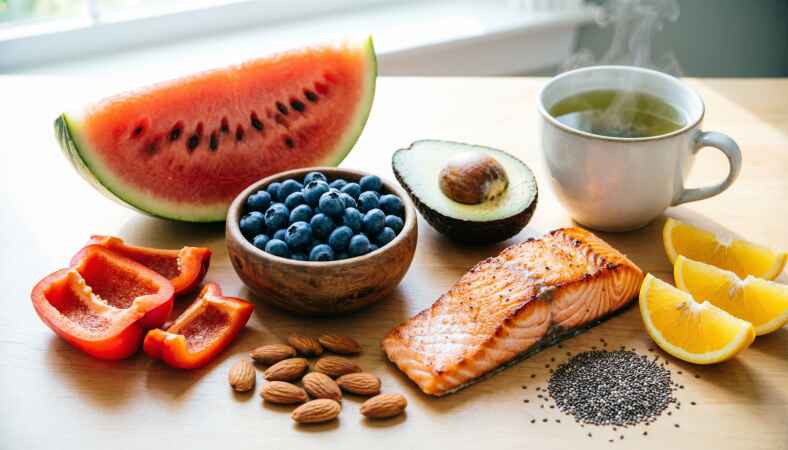
Ditch the Filters: The Ultimate Guide to Foods for Glowing Skin That Actually Work
Let’s be completely honest for a moment: the global skincare industry is a multi-billion-dollar juggernaut that thrives on our insecurities. We spend hundreds, sometimes thousands, of dollars on serums, essences, toners, and overnight masks, all in the desperate pursuit of that elusive, lit-from-within radiance. We slather on chemical exfoliants and retinoids, hoping to erase dullness, banish acne, and turn back the clock. But what if the secret to flawless skin wasn’t sitting on a brightly lit Sephora shelf? What if it was sitting in your grocery store’s produce aisle?
The concept of “beauty from within” is not just a cliché marketing phrase; it is a fundamental biological reality. Your skin is an organ—in fact, it is the largest organ in your body. Just like your heart, your brain, and your liver, your skin requires specific nutrients to function optimally, repair itself, and defend against environmental aggressors. You can apply all the expensive topicals in the world, but if your body is starved of the building blocks required for cellular regeneration, your skin will inevitably show it.
If you are ready to stop treating the symptom and start curing the root cause, you are in the right place. This comprehensive guide will dive deep into the fascinating world of nutrition and dermatology. We are going to explore the exact mechanisms by which certain dietary choices transform your complexion. We will uncover the most potent, scientifically backed foods for glowing skin, break down the science of how they work, and provide you with an actionable clear skin diet plan that will revolutionize your mirror reflections.
Say goodbye to the filters and hello to your natural, radiant complexion. Let’s eat our way to glow.
The Science of Skin: Understanding Your Cellular Canvas
Before we can understand what to feed our skin, we must understand how the skin functions. The skin is a highly complex, multi-layered structure that acts as a barrier between your internal environment and the harsh external world. It is composed of three primary layers: the epidermis (the outermost layer you see), the dermis (the thick middle layer containing collagen and elastin), and the hypodermis (the deeper fatty layer).
Every 28 to 40 days, depending on your age, your skin undergoes a complete cellular turnover. New skin cells (keratinocytes) are generated at the base of the epidermis and slowly migrate to the surface, where they eventually shed. This process requires an immense amount of energy, vitamins, and minerals. When you are deficient in these nutrients, the cellular turnover process slows down. Dead skin cells accumulate on the surface, leading to a dull, lackluster complexion, clogged pores, and an exacerbated appearance of fine lines.
Furthermore, your skin is under constant attack. UV radiation from the sun, pollution, blue light from screens, and psychological stress all generate microscopic “free radicals” within your cells. Free radicals are unstable molecules that steal electrons from healthy cells, causing a chain reaction of damage known as oxidative stress. This oxidative stress is the primary driver of premature aging, hyperpigmentation, and the breakdown of collagen.
To combat this, your body relies on a defense system built entirely from the nutrients you consume. One of the most fascinating recent discoveries in dermatology is the gut-skin axis. This bi-directional communication network links your gastrointestinal system directly to your skin. If your gut microbiome is inflamed or imbalanced due to poor diet, that systemic inflammation will manifest on your face in the form of redness, acne, rosacea, or eczema.
Therefore, true skin health is an inside job. By strategically incorporating specific foods into your daily routine, you can fuel cellular turnover, neutralize free radicals, reduce systemic inflammation, and quite literally build new, glowing skin from the ground up.
The Foundation: Hydrating Foods for Cellular Plumpness
You have heard the “drink eight glasses of water a day” rule a million times. While internal hydration is undeniably important, drinking plain water doesn’t always equal hydrated skin. The water you drink goes to your vital organs first; your skin is the last organ to receive hydration. Furthermore, if your cells lack the essential electrolytes and lipids needed to hold onto that water, it will simply pass right through you.
This is where hydrating foods come into play. These are fruits and vegetables with a water content of 85% or higher, but unlike plain water, they come packaged with structural nutrients that help your skin cells trap and retain moisture, resulting in a plump, dewy, and youthful bounce.
- Cucumbers
Cucumbers are made up of about 96% water, making them the ultimate hydrating food. But beyond water, they are rich in silica, a trace mineral that is absolutely critical for the synthesis of collagen and the maintenance of the connective tissues in your dermis. Silica helps to strengthen the skin’s structural matrix, preventing sagging and promoting firmness.
- Watermelon
Watermelon is a summer staple, but it should be a year-round staple for your skin. Composed of 92% water, it is also a phenomenal source of lycopene (more on this later) and potassium. Potassium is an electrolyte that helps regulate fluid balance inside your cells, ensuring that your skin cells remain plump and volumized rather than deflated and dry.
- Celery
Celery is often dismissed as a diet food with zero flavor, but dermatologically, it is a powerhouse. It contains a unique combination of water, sodium, and potassium that perfectly mimics the body’s natural electrolyte balance. This makes the water in celery highly bioavailable to your cells. Additionally, celery is rich in phthalides, compounds that help improve blood flow. Better blood flow means more efficient delivery of oxygen and nutrients to the surface of your skin, giving you that coveted rosy glow.
How to incorporate: Don’t just eat these raw. Blend cucumbers and celery into green juices, toss watermelon into salads with feta and mint, or infuse your water with cucumber slices and a pinch of sea salt to maximize cellular hydration.
The Brighteners: Vitamin C for Skin and Radiance
If there is one vitamin that is universally recognized by dermatologists as a non-negotiable for skin health, it is Vitamin C. While you will find it in countless topical serums, consuming it orally is just as crucial. Vitamin C is a water-soluble vitamin, meaning your body cannot store it; you must replenish it daily through your diet.
Vitamin C plays two primary roles in the skin. First, it is a potent antioxidant, neutralizing the free radicals generated by UV exposure and pollution before they can destroy your collagen. Second, it is an essential cofactor for the enzymes responsible for cross-linking and stabilizing collagen molecules. Without Vitamin C, your body cannot synthesize strong, healthy collagen, no matter how much protein you eat.
- Citrus Fruits (Oranges, Lemons, Grapefruits)
Citrus fruits are the poster children for Vitamin C for skin. A single medium orange provides over 100% of your daily recommended intake. The ascorbic acid found in citrus helps to inhibit the enzyme tyrosinase, which is responsible for melanin (pigment) production. By gently suppressing this enzyme, citrus fruits help to fade dark spots, even out skin tone, and brighten a dull complexion.
- Red Bell Peppers
If you want to supercharge your Vitamin C intake, skip the orange and reach for a red bell pepper. Ounce for ounce, red bell peppers contain nearly three times the amount of Vitamin C as an orange. They also contain high levels of carotenoids, which work synergistically with Vitamin C to protect the skin against UV damage.
- Strawberries
Strawberries are not only delicious but are packed with ellagic acid, a powerful polyphenol that has been shown to prevent the destruction of collagen when the skin is exposed to UV rays. Combined with their high Vitamin C content, strawberries are an incredible anti-aging, brightening fruit.
How to incorporate: Squeeze fresh lemon juice over your meals and salads (this also helps you absorb iron from plant-based foods, another crucial mineral for skin). Snack on sliced red bell peppers with hummus, and add raw strawberries to your morning oatmeal to prevent the oxidation (browning) of the oats.
The Scaffolding: Collagen-Boosting Foods for Firmness
Collagen is the most abundant protein in the human body. It is the scaffolding that holds your skin up, giving it structure, thickness, and elasticity. In our mid-20s, our natural collagen production begins to decline by about 1% per year. This slow degradation leads to the formation of fine lines, wrinkles, and thin, fragile skin.
While eating collagen-rich foods is beneficial, the real secret is providing your body with the specific amino acids and cofactors it needs to synthesize its own collagen.
- Bone Broth
Bone broth is made by simmering animal bones and connective tissue for 12 to 24 hours. This slow cooking process breaks down the tough collagen proteins into highly bioavailable peptides. When you drink bone broth, you are directly ingesting the exact amino acids your body needs—glycine, proline, and hydroxyproline—to rebuild your own skin matrix. The gelatin found in bone broth also helps heal the lining of the gut, directly supporting the gut-skin axis and reducing systemic inflammation.
- Eggs
Eggs, particularly the yolks, are a treasure trove of skin-nourishing nutrients. They are one of the few complete dietary sources of all nine essential amino acids, which are the building blocks of every protein in your body, including collagen and keratin. Egg yolks also contain lutein and zeaxanthin, potent antioxidants that protect the skin from UV damage and increase skin hydration by up to 40% according to some dermatological studies.
- Soy Products (Tofu, Tempeh, Edamame)
Soy contains a class of phytoestrogens called isoflavones. As we age and our natural estrogen levels drop, collagen production plummets. Isoflavones mimic the effects of estrogen in the body, binding to estrogen receptors and tricking the body into ramping up collagen production. Studies have shown that consuming soy isoflavones can improve skin elasticity, reduce the depth of wrinkles, and increase the amount of moisture in the skin.
How to incorporate: Swap your morning coffee for a warm mug of high-quality bone broth. Keep hard-boiled eggs on hand for a quick protein-rich snack. Incorporate organic, non-GMO tofu or tempeh into your stir-fries and salads a few times a week.
The Shield: Antioxidant-Rich Foods and Anti-Aging Superfoods
If collagen is the scaffolding of your skin, antioxidants are the security guards. To truly achieve a youthful glow, you must protect the skin you have from the constant barrage of environmental damage. Antioxidants are molecules that generously donate an electron to a free radical, neutralizing it before it can vandalize your healthy skin cells.
A diet rich in antioxidant-rich foods is the ultimate defensive strategy against premature aging.
- Berries (Blueberries, Blackberries, Raspberries)
Berries are arguably the most potent anti-aging superfoods on the planet. They have some of the highest ORAC (Oxygen Radical Absorbance Capacity) scores of any food. This means they have an unparalleled ability to neutralize free radicals. They are particularly rich in anthocyanins, the pigments that give berries their deep blue, purple, and red hues. Anthocyanins protect the skin’s collagen from enzymatic degradation and help to strengthen the tiny blood vessels (capillaries) beneath the skin, reducing redness and promoting an even, healthy flush.
- Dark Chocolate (70% Cacao or Higher)
Yes, chocolate can give you glowing skin—but only if it is the right kind. Commercial milk chocolate is loaded with sugar and dairy, both of which trigger skin inflammation. However, raw cacao and high-percentage dark chocolate are incredibly dense in flavanols. Flavanols have been proven in clinical trials to increase blood flow to the skin, improve skin density and hydration, and make the skin more resistant to sunburn. Eating a small square of dark chocolate daily acts as an internal sunscreen and skin-plumper.
- Green Tea
Green tea is unmatched in its skin-protective properties due to a specific catechin called Epigallocatechin gallate (EGCG). EGCG is a fiercely powerful antioxidant. Numerous studies have demonstrated that drinking green tea can reduce the inflammation associated with acne, protect against UV-induced immunosuppression, and inhibit the breakdown of collagen and elastin fibers.
How to incorporate: Make a daily “skin bowl” for breakfast: a base of Greek yogurt or chia seed pudding, topped with a massive handful of mixed berries and a sprinkle of cacao nibs. Replace your afternoon coffee with a cup of steeped green tea to reap the anti-inflammatory benefits without the dehydrating effects of caffeine.
The Calmers: Omega-3 Fatty Acids for Inflammation and Redness
If you struggle with acne, rosacea, psoriasis, or generalized skin sensitivity, your skin is inflamed. Inflammation is the root cause of almost every skin condition we try to hide with makeup. To calm the skin, you must calm the body, and the most powerful dietary tool for quelling systemic inflammation is Omega-3 fatty acids.
Human beings evolved eating a diet with a roughly 1:1 ratio of Omega-3 to Omega-6 fatty acids. Today, thanks to the prevalence of processed foods and vegetable oils, our ratio is closer to 1:20 (heavily skewed toward Omega-6). Omega-6s are pro-inflammatory, while Omega-3s are anti-inflammatory. By flooding your system with Omega-3 fatty acids, you can tip the scales back toward balance, dramatically reducing skin redness and irritation.
- Wild-Caught Fatty Fish (Salmon, Mackerel, Sardines)
Fatty fish are the absolute best sources of EPA (eicosapentaenoic acid) and DHA (docosahexaenoic acid), the most active forms of Omega-3s. EPA specifically plays a crucial role in regulating the skin’s oil production, preventing clogged pores, and acting as a natural moisturizer by maintaining the integrity of the skin’s lipid barrier. A strong lipid barrier keeps moisture locked inside the skin and environmental irritants kept out.
- Chia Seeds and Flaxseeds
If you follow a plant-based diet, chia and flaxseeds are your best friends. They are incredibly rich in ALA (alpha-linolenic acid), a plant-based Omega-3. Furthermore, chia seeds are hydrophilic, meaning they can absorb up to 12 times their weight in water. When you eat hydrated chia seeds, they help your body maintain prolonged hydration, which translates directly to plumper, less dry skin.
- Walnuts
Walnuts are unique because they contain both Omega-3 fatty acids and Omega-6 fatty acids in a relatively healthy ratio. They are also an excellent source of zinc, a mineral that acts as a barrier to infection and plays a vital role in skin healing and the reduction of acne-causing bacteria.
How to incorporate: Aim to eat wild-caught fatty fish at least twice a week. Make a large batch of chia seed pudding on Sunday for the week. Add a tablespoon of ground flaxseeds to your daily smoothies, and keep a jar of walnuts on your desk for an easy, skin-calming snack.
The Glowers: Beta-Carotene for a Natural Sun-Kissed Radiance
Have you ever noticed how people who eat a lot of fruits and vegetables seem to have a certain “glow” that you can’t quite replicate with a highlighter? That isn’t your imagination; it is a scientifically documented phenomenon known as the “carotenoid glow.”
Carotenoids are pigments found in plants. When you eat them, they are deposited in the fat layers of your skin. Because they are yellow, orange, and red pigments, they subtly alter the color of your skin, giving it a warmer, more golden, and healthier hue. Studies using computer-modified faces have proven that humans universally perceive this carotenoid-induced glow as more attractive and healthier than a suntan.
- Sweet Potatoes
Sweet potatoes are the undisputed king of beta-carotene. A single medium sweet potato contains more than 400% of your daily recommended intake of Vitamin A (in the form of beta-carotene). Beta-carotene is a provitamin, meaning your body converts it into active Vitamin A as needed. Vitamin A is arguably the most proven vitamin in dermatology for promoting cellular turnover, preventing the buildup of dead skin cells (which leads to clogged pores), and stimulating collagen production.
- Carrots
Like sweet potatoes, carrots are loaded with beta-carotene. They also contain a high amount of silicon, which works alongside Vitamin C to promote healthy connective tissue. Regular consumption of carrots has been shown in studies to improve the skin’s ability to defend itself against UV radiation, acting as an internal photo-protector.
- Dark Leafy Greens (Spinach, Kale, Swiss Chard)
We often think of greens as being green, but they are actually packed with hidden beta-carotene (the green chlorophyll masks the orange pigment). Spinach and kale are also rich in lutein, another carotenoid that filters out high-energy blue light from screens and the sun, protecting the deep layers of the skin from photo-aging.
How to incorporate: Always pair beta-carotene rich foods with a healthy fat (like olive oil, avocado, or nuts). Carotenoids are fat-soluble, meaning if you eat a plain, steamed sweet potato, your body will struggle to absorb the nutrients. Roast your carrots in coconut oil, massage your kale with avocado, and bake your sweet potatoes with a pat of grass-fed butter to maximize the glowing benefits.
The Spices: Hidden Healers in Your Pantry
When building a skin-clearing diet, we often focus exclusively on whole foods and forget about the impact of herbs and spices. Spices are essentially concentrated plant medicine. They contain highly active compounds that can drastically alter your skin health in very small doses.
- Turmeric
Turmeric has been used in Ayurvedic medicine for thousands of years, and modern science now understands exactly why. The active compound in turmeric is curcumin. Curcumin is one of the most potent natural anti-inflammatories on earth. It works by blocking NF-kB, a molecule that travels into the nuclei of cells and activates genes related to inflammation. For the skin, this means curcumin can dramatically reduce the redness and swelling associated with acne, eczema, and rosacea.
Pro-tip: Curcumin is notoriously difficult for the body to absorb. Always consume turmeric with a pinch of black pepper. Black pepper contains piperine, which increases the absorption of curcumin by a staggering 2,000%.
- Cinnamon
Cinnamon is a warming spice that is excellent for blood circulation. By increasing microcirculation, cinnamon helps deliver fresh, oxygenated blood to the surface of the skin, instantly revitalizing a dull complexion. Furthermore, cinnamon helps regulate blood sugar levels. Spikes in blood sugar lead to spikes in insulin, which in turn triggers the overproduction of sebum (oil) in the skin, leading to acne. By stabilizing blood sugar, cinnamon acts as an indirect but powerful acne-fighter.
The Glow Killers: Foods You Must Eliminate
You can eat all the berries, salmon, and sweet potatoes in the world, but if you are simultaneously consuming foods that trigger massive systemic inflammation, you will be taking one step forward and two steps back. A successful skin-clearing diet requires subtraction just as much as it requires addition.
- Refined Sugar and High Glycemic Foods
When you eat refined sugars (candy, soda, baked goods) or high-glycemic carbohydrates (white bread, white rice, pasta), your blood sugar spikes. Your body responds by releasing a surge of insulin to pull the sugar out of your blood. High insulin levels trigger a cascade of hormonal reactions, including an increase in Insulin-like Growth Factor 1 (IGF-1). IGF-1 stimulates the sebaceous glands to produce massive amounts of oil, leading directly to clogged pores and cystic acne.
Furthermore, excess sugar in the bloodstream leads to a process called glycation. Sugar molecules attach to proteins in your body (including collagen and elastin fibers) and form toxic compounds called AGEs (Advanced Glycation End-products). AGEs make your collagen stiff, brittle, and prone to snapping, causing deep wrinkles and sagging skin. If you want glowing skin, sugar is your absolute worst enemy.
- Conventional Dairy
Dairy is highly inflammatory for a large percentage of the population. Even if you don’t have a lactose intolerance, conventional dairy contains naturally occurring hormones and growth factors intended to grow a baby cow. These hormones severely disrupt human hormonal balance, leading to increased sebum production and severe acne breakouts, particularly along the jawline and chin. Dairy also spikes insulin levels despite having a relatively low glycemic index. Switching to almond, oat, or coconut milk is often the single most effective dietary change an acne sufferer can make.
- Processed and Trans Fats
Found in fast food, margarine, and heavily processed snack foods, trans fats trigger chronic inflammation and promote the formation of free radicals. They also displace healthy fats in your cell membranes. Your skin cells are surrounded by a lipid (fat) bilayer. If that bilayer is constructed from rigid, unnatural trans fats instead of fluid, healthy Omega-3s, the cell cannot function properly, leading to dehydrated, flaky, and dull skin.
Putting It All Together: Your 7-Day Clear Skin Diet Plan
Understanding the science is only half the battle; implementation is where the magic happens. Here is a practical, highly effective 7-day clear skin diet plan designed to flood your body with skin-healing nutrients while eliminating the inflammatory triggers.
Day 1: The Hydration Reset
- Breakfast: Overnight chia seed pudding made with almond milk, topped with fresh raspberries and walnuts.
- Lunch: A massive spinach salad with wild-caught salmon, sliced red bell peppers, avocado, and a lemon-turmeric-olive oil dressing.
- Dinner: Bone broth as a starter, followed by baked chicken breast with a side of roasted sweet potatoes and steamed broccoli.
Day 2: The Brightening Protocol
- Breakfast: Green smoothie: spinach, half a green apple, cucumber, celery, half a lemon (juiced), and a tablespoon of ground flaxseed.
- Lunch: Leftover salmon and sweet potato from Day 1.
- Dinner: Tofu stir-fry with a rainbow of vegetables (carrots, snap peas, bell peppers, mushrooms) cooked in coconut oil and sprinkled with black pepper and cinnamon.
Day 3: The Carotenoid Glow
- Breakfast: Oatmeal (rolled oats, not instant) cooked with water or almond milk, topped with sliced strawberries and a square of dark chocolate grated over the top.
- Lunch: Carrot and ginger soup with a side of roasted pumpkin seeds (high in zinc).
- Dinner: Grass-fed beef burger (no bun) topped with avocado, tomato, and onion, served with a side of baked carrot fries tossed in olive oil.
Day 4: The Anti-Inflammatory Flush
- Breakfast: Two hard-boiled eggs with a side of sliced watermelon sprinkled with fresh mint.
- Lunch: Canned sardines (an incredible, affordable source of Omega-3s) mashed on gluten-free toast with a squeeze of lemon and fresh dill.
- Dinner: Turkey meatballs (mixed with finely diced onions and zucchini to keep them moist) served over zucchini noodles with a homemade tomato-basil sauce.
Day 5: The Cellular Turnover Boost
- Breakfast: Greek yogurt (if you tolerate dairy well; otherwise use coconut yogurt) topped with blueberries, blackberries, and a drizzle of raw honey.
- Lunch: Lentil soup (lentils are a great source of zinc and protein) with a side of mixed greens.
- Dinner: Baked mackerel with roasted Brussels sprouts and a side of quinoa (a complete protein that helps build collagen).
Day 6: The Gut-Skin Repair
- Breakfast: Bone broth blended with a handful of spinach, a clove of garlic, and a pinch of turmeric and black pepper. (A savory, highly healing morning start).
- Lunch: Kale salad massaged with avocado, topped with pumpkin seeds, shredded carrots, and a tahini-lemon dressing.
- Dinner: Baked sweet potato stuffed with black beans, salsa, and a dollop of guacamole.
Day 7: The Radiance Maintenance
- Breakfast: Smoothie bowl: frozen mango (rich in Vitamin A), banana, spinach, and almond milk, topped with chia seeds and coconut flakes.
- Lunch: Leftover lentil soup or a large mixed salad with leftover baked chicken or tofu.
- Dinner: Lemon-garlic shrimp sautéed in olive oil, served over a bed of spinach and roasted red peppers.
Beyond Food: The Synergistic Lifestyle Factors
https://youtu.be/Zfk8VIaJw8s

