

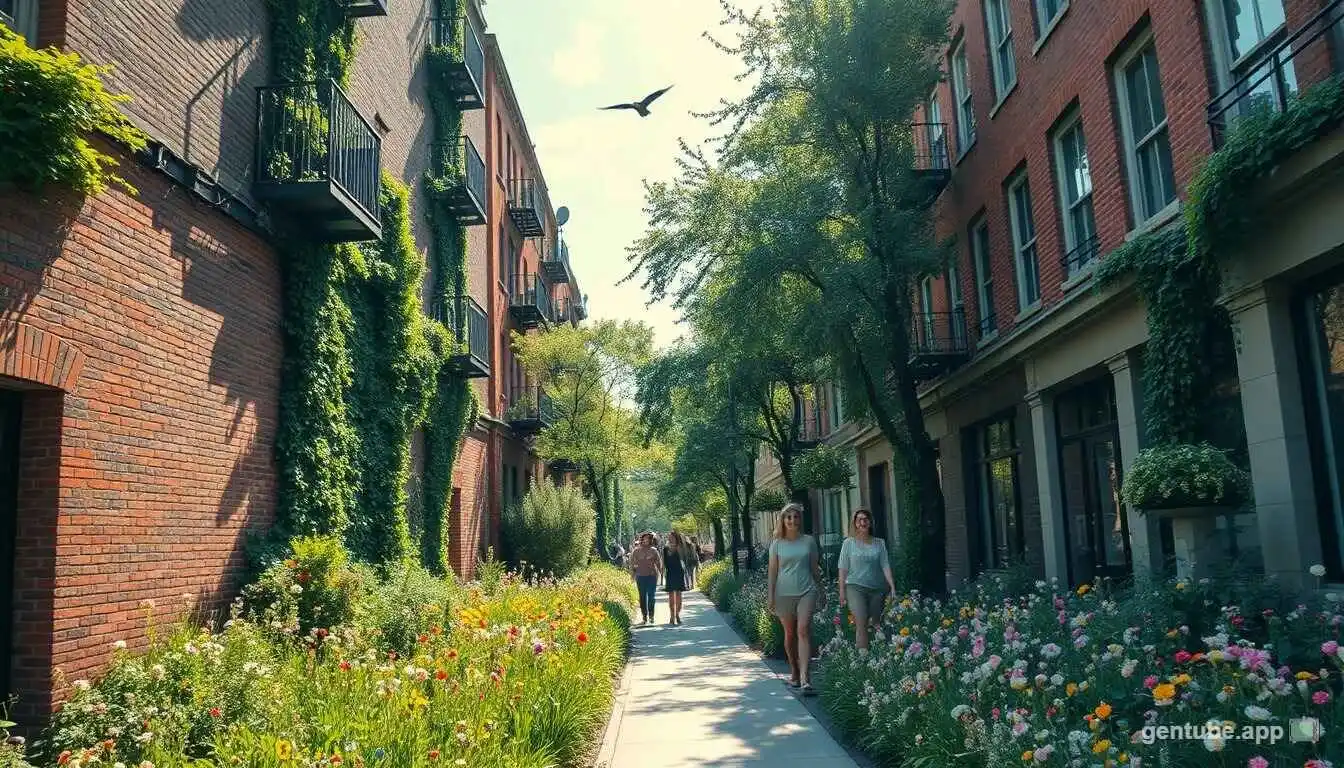
You don’t need to be an ecologist to participate in Urban Rewilding: Bringing Nature Back to Cities. Here are five simple ways you can help:
- Plant Native Species
Native plants are adapted to the local climate and soil. They require less water, fertilizer, and pesticides. They provide food and habitat for native wildlife. Check with local nurseries or botanical gardens to find out which plants are native to your area. Plant them in your garden, on your balcony, or in a pot. - Create a Wildlife Habitat
You can create a small habitat in your yard or balcony. Build a birdhouse, install a bee hotel, or dig a small pond. Leave a pile of leaves or wood for insects and small mammals. Even a few square feet can make a difference. - Reduce Lawn Size
Lawns are ecological deserts. They require a lot of water and maintenance. Replace part of your lawn with a wildflower meadow or a garden of native shrubs. Let the grass grow longer in some areas. This will attract bees and butterflies. - Support Local Green Spaces
Visit your local parks and community gardens. Support the organizations that manage them. Volunteer to help with planting or maintenance. Your presence and support show that these spaces are valued. - Advocate for Policy Change
Talk to your local government. Ask for more green spaces, more tree planting, and less use of pesticides in public areas. Support policies that protect biodiversity. Your voice matters.
Conclusion: The Future is Green
We are at a crossroads. Our cities are growing. Our climate is changing. Our connection to nature is fading. But we have the power to change this.
Urban Rewilding: Bringing Nature Back to Cities is not a luxury. It is a necessity. It is the key to creating cities that are healthy, resilient, and beautiful. It is the key to healing the bond between humans and nature.
Imagine a city where the air is clean. Where the streets are shaded by trees. Where children play in meadows full of wildflowers. Where birds sing in the morning and foxes roam at night. This is not a dream. This is possible.
It starts with us. It starts with a single seed, a single tree, a single patch of grass. It starts with the choice to let nature in.
So, go outside. Look around. See the potential in the cracks. Feel the wind in the leaves. Listen to the birds.
The city is waking up. Are you ready to join it?
FAQS
Q1: What is the main difference between urban greening and urban rewilding?
Urban greening adds plants to cities, while rewilding restores natural processes and allows nature to self-organize.
Q2: Is urban rewilding only for large cities?
No, it works in small towns, suburbs, and even individual homes or balconies.
Q3: Do I need a large yard to start rewilding?
No, you can start with a few pots of native plants or a small patch of grass.
Q4: Will rewilding attract pests like rats?
Rewilding can attract wildlife, but proper management minimizes pests. It often attracts beneficial insects that control pests.
Q5: How long does it take for a rewilded space to thrive?
It takes a few years for plants to establish, but you can see results in months.
Q6: Is rewilding expensive?
It can be, but long-term maintenance costs are often lower than traditional landscaping.
Q7: Can I rewild a balcony?
Yes, plant native flowers and herbs, and add bird feeders or insect hotels.
Q8: What are the best native plants for rewilding?
Depends on your region, but consider milkweed, coneflowers, and native grasses.
Q9: Does rewilding increase property values?
Yes, green spaces make areas more desirable and can increase property values.
Q10: How does rewilding help with flooding?
Wild soils absorb rainwater, reducing runoff and preventing floods.
Q11: Will rewilding make my garden look messy?
It may look wilder, but it is beautiful in its diversity and seasonal changes.
Q12: Can rewilding help with mental health?
Yes, connecting with nature reduces stress and improves mood.
Q13: What is a “green roof”?
A roof covered with plants, which insulates buildings and reduces heat.
Q14: How do I know if a plant is native?
Check with local botanical gardens or use online native plant databases.
Q15: Does rewilding require pesticides?
No, rewilding often reduces the need for pesticides by promoting natural pest control.
Q16: Can I rewild a community park?
Yes, you can volunteer with local groups to help rewild public spaces.
Q17: How does rewilding help bees?
Native plants provide nectar and pollen, supporting bee populations.
Q18: Is rewilding the same as leaving land alone?
Not always, but passive rewilding does involve leaving land alone.
Q19: What is a “wildflower meadow”?
A planting of native wildflowers that mimics a natural meadow.
Q20: How do I attract birds to my rewilded space?
Provide food, water, and shelter like birdhouses and dense shrubs.
Q21: Does rewilding help with air pollution?
Yes, plants filter pollutants from the air.
Q22: Can rewilding be done in winter?
Yes, planting can be done in fall or early spring, but winter is good for planning.
Q23: What is “rewilding Europe”?
A project that applies rewilding principles to urban and rural areas in Europe.
Q24: How does rewilding affect local wildlife?
It provides habitat and food, increasing biodiversity.
Q25: Is rewilding sustainable?
Yes, it is a sustainable way to manage land and resources.
Q26: Can I rewild a small balcony?
Yes, with container gardening and native plants.
Q27: What is the role of trees in urban rewilding?
Trees provide shade, clean air, and habitat for birds and insects.
Q28: How do I start a rewilding project?
Start small, choose native plants, and reduce maintenance.
Q29: Does rewilding cost more upfront?
Yes, but long-term savings on water and maintenance make it cost-effective.
Q30: What is the future of urban rewilding?
It will become more common as cities seek sustainable and resilient solutions.
Disclaimer: The content on this blog is for informational purposes only. The author’s opinions are personal and not endorsed. Efforts are made to provide accurate information, but completeness, accuracy, or reliability are not guaranteed. The author is not liable for any loss or damage resulting from the use of this blog. It is recommended to use the information on this blog at your own discretion.

