

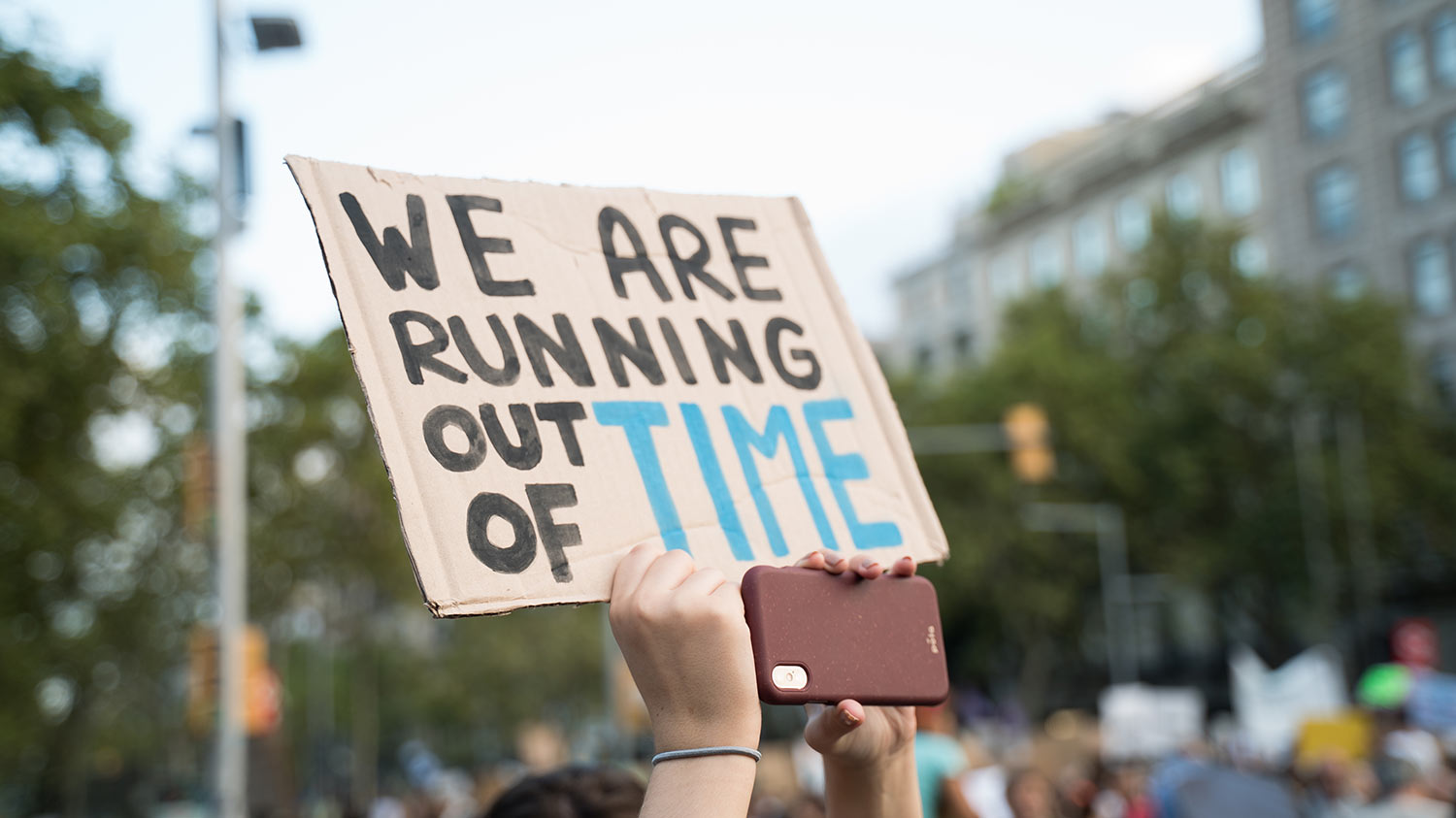
None of this would be possible without the relentless pressure of Chilean civil society. Chile has one of the most vibrant environmental movements in the world. Groups like Modatima (Defensa del Agua) and Chile Sustentable have been the thorn in the side of governments for years.
They are the ones who demand the politicians listen to the experts. When a mining company tries to hide a spill, it is the local communities who expose it. When the government tries to water down a climate law, it is the NGOs who mobilize the public.
The 2019 social uprising, known as the Estallido Social, began as a protest against a subway fare hike in Santiago, but it quickly morphed into a demand for a new social contract. One of the core pillars of that demand was environmental dignity. People were tired of living in smog-choked cities, tired of seeing their rivers dry up, tired of the inequality that meant the poor suffered the most from environmental degradation.
This social mandate is what gives the current government the political capital to act. The politicians know that the people are watching. The “climate crisis first” agenda is not being imposed from above; it is being demanded from below.
Chapter 10: Challenges Ahead – The Road is Steep
Despite the progress, the path forward is perilous. Chile is still a country dependent on extraction. Copper accounts for a huge portion of GDP. As the world electrifies, the demand for copper is skyrocketing. To extract that copper, mines will have to go deeper, use more energy, and potentially impact more fragile ecosystems.
The tension between “Green Growth” and “Degrowth” is a live debate in Chile. Can we mine our way out of the climate crisis? Or do we need to consume less?
Furthermore, the political landscape is fragmented. While Boric’s coalition is ambitious, they face a hostile congress and a powerful right-wing opposition that controls the Senate. Every climate reform is a battle.
The economic headwinds are also fierce. Inflation and debt make it hard to justify the massive investments required for the green transition. The “Just Transition” is expensive. There is a risk that if the economic situation does not improve, the population will turn against the climate agenda, viewing it as a luxury they cannot afford.
Conclusion: A Blueprint for the Global South?
Chile is not a perfect country. It is still grappling with inequality, still wrestling with the legacy of Pinochet, still dependent on mining. But it is trying.
In a world where the largest economies are often paralyzed by partisan gridlock and captured by fossil fuel interests, Chile offers a glimmer of hope. It offers a model where “politicians and experts” can work together.
Chile is proving that a developing nation does not have to choose between poverty and pollution. It is showing that the green transition can be an engine of development, not a brake on it.
By putting the climate crisis first, Chile is not just saving its glaciers and its forests; it is redefining what it means to be a developed nation in the 21st century. It is moving toward a definition of development that values water, air, and biodiversity as much as GDP.
The world is watching. If Chile succeeds—if it can crack the code of Green Hydrogen, if it can rewrite its water laws, if it can protect its lithium while sharing the wealth—it will provide a blueprint for the rest of the Global South.
The “Southern Beacon” is lit. It burns with the urgency of the megadrought and the fierce hope of a generation that refuses to inherit a wasteland. Chile is putting the climate crisis first because it has no other choice. And in doing so, it is leading the way.
Discussion Questions
- The Balance: How can Chile effectively balance the immediate economic need for copper/lithium with the long-term necessity of water conservation and environmental protection?
- The Role of Experts: Do you agree with the model of elevating scientists (like Minister Maisa Rojas) to high political office? Is this a model that should be replicated globally?
- Constitutional Rights: Should “Rights of Nature” be enshrined in constitutions, or does this complicate the legal system too much?
- Just Transition: What are the risks if the “Just Transition” for coal workers fails? How can governments ensure they don’t leave communities behind in the shift to green energy?
Disclaimer: The content on this blog is for informational purposes only. Author’s opinions are personal and not endorsed. Efforts are made to provide accurate information, but completeness, accuracy, or reliability are not guaranteed. Author is not liable for any loss or damage resulting from the use of this blog. It is recommended to use information on this blog at your own terms.

