

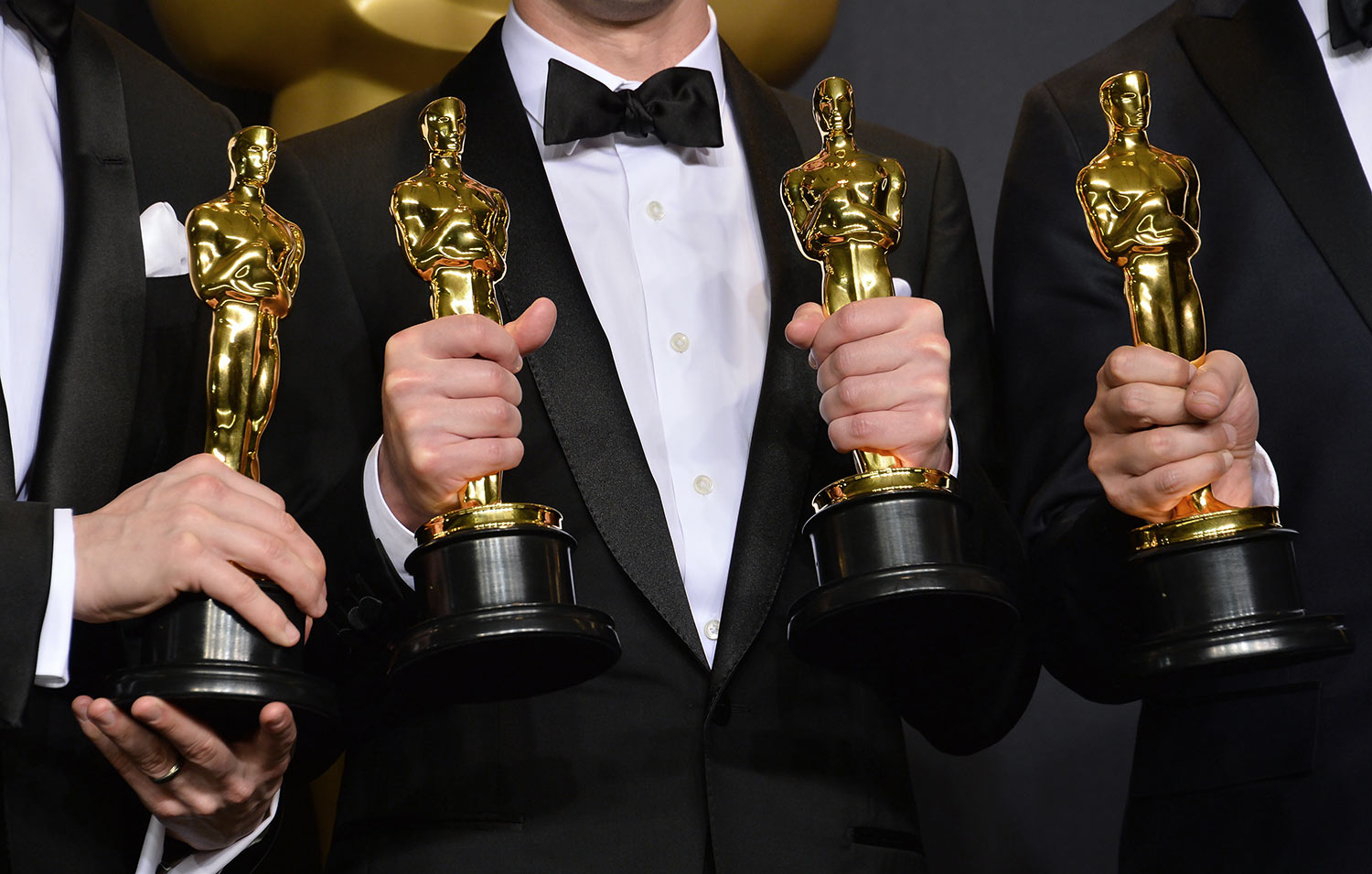
The Oscar acting nominations for The Power of the Dog were not just accolades for celebrity; they were recognitions of profound, transformative character work. In a classic film, the performances do not merely recite dialogue; they embody the thematic tensions of the piece.
Benedict Cumberbatch as Phil Burbank: Cumberbatch’s performance is a marvel of physical and vocal control. Phil Burbank is constantly moving—slapping his thigh, whistling, riding, working with his hands. Cumberbatch uses this kinetic energy to mask Phil’s internal paralysis. His voice drops an octave when he is being cruel; he adopts a mocking, Southern-fried drawl to distance himself from his wealthy, educated background. The tragedy of Cumberbatch’s Phil is that we are allowed, through brief flashes of vulnerability, to see the brilliant, sensitive man he could have been in a different world, making his descent into cruelty all the more devastating.
Kodi Smit-McPhee as Peter Gordon: If Phil is the snarling dog of the title, Peter is the vulnerable hare. Smit-McPhee’s performance is a study in stillness. Where Cumberbatch is all aggressive motion, Smit-McPhee is a statue with blinking eyes. Peter is effeminate, delicate, and obsessed with anatomy and botany. He is everything the frontier hates. Smit-McPhee plays Peter with a terrifying, sociopathic calm. The genius of his performance—and the reason it earned an Oscar nomination—is the ambiguity of his motives. Does Peter genuinely care for Phil, or is he a cold, calculating spider luring a wounded animal into a web? Smit-McPhee’s unblinking gaze holds the entire film’s suspense in its orbit.
Kirsten Dunst as Rose Gordon: Dunst’s performance is the emotional anchor of the film, and her Oscar snub remains one of the great injustices of the 94th Academy Awards. Rose enters the film as a widow running a small boarding house, full of life and music. Under the relentless, psychological torture Phil inflicts upon her, Dunst physically deteriorates before our eyes. Her descent into alcoholism is not played for melodrama, but with a suffocating, quiet desperation. Dunst makes us feel the walls closing in on Rose, representing the collateral damage of toxic masculinity.
Jesse Plemons as George Burbank: Plemons does the impossible: he makes the “normal” character the most unsettling. George is Phil’s opposite—soft, plump, quiet, craving domesticity. But Plemons infuses George with a passive, complicit cowardice. He sees what Phil does to Rose, but he refuses to confront it, choosing the path of least resistance. Plemons’ blank, smiling stoicism in the face of his wife’s destruction is deeply unsettling.
These four performances do not exist in isolation; they form a tetrad of psychological warfare. The Oscar nominations confirmed what audiences felt: this was acting of the highest order, rivaling the great ensemble dramas of Ingmar Bergman or John Cassavetes.
Chapter 5: The Visceral Craft – Cinematography and the Soundscape of Dread
A film achieves classic status when its technical elements transcend functionality and become art. The Power of the Dog is a masterclass in how cinematography and sound can bypass the intellect and attack the nervous system directly.
Ari Wegner’s Haunting Lens: Wegner became the first woman nominated for Best Cinematography in 14 years, and her work here is breathtaking. Rather than shooting the majestic New Zealand landscapes (standing in for Montana) with standard wide-angle grandeur, Wegner shoots them with a sense of claustrophobia. She uses long lenses to compress the distance, making the mountains feel like they are pressing down on the characters.
Wegner understands the power of the incongruous image. The shot of the Burbank brothers riding through a sea of pristine white sheets drying on a clothesline is instantly iconic—a symbol of domesticity invading the wild, but looking eerily like gravestones. Her camera lingers on grotesque details: the flaying of a carcass, the braiding of a rawhide rope, the delicate dissection of a flower. Through her lens, the beauty of the natural world becomes indistinguishable from violence.
Jonny Greenwood’s Dissonant Score: Jonny Greenwood’s score is not traditional film music; it is psychological weather. Greenwood (the Radiohead guitarist) bypasses sweeping orchestral swells in favor of atonal, scraping strings, menacing cellos, and jarring piano chords. The music sounds like a nervous breakdown given sonic form. It mimics the buzzing of flies, the creak of leather, and the unrelenting wind.
When Greenwood’s score swells during Phil’s bronco-riding sequence, it doesn’t feel heroic; it feels like a heart attack. The score puts the audience directly inside Phil’s frantic, repressed psyche. By rejecting traditional romanticism, Greenwood’s music ensures the film never lets the audience off the hook.
Chapter 6: The Ambiguity of the Ending – The Mark of a Masterpiece
Perhaps the strongest argument for The Power of the Dog’s classic status is its ending. Spoilers ahead, though a true classic demands to be discussed in its entirety.
The climax of the film hinges on a single, agonizingly tense sequence: the braiding of the rawhide lasso. Phil has decided to make Peter a saddle, a gesture that seems to indicate a thawing of their relationship, a passing of the torch. But the camera lingers on the source of the rawhide: a dead cow that Phil had earlier dismissed as dying of anthrax.
Peter, with his knowledge of anatomy and diseases, knows the cow had anthrax. He watches Phil braid the infected hide, knowing Phil will inevitably run his mouth along the rawhide to wet it—a common practice among cowboys—ingesting the anthrax spores.
Peter effectively orchestrates the murder of his tormentor.
But Campion does not play this as a thriller climax. There is no triumphant music. There is no monologue explaining the plot. It is quiet, slow, and deeply disturbing. And then, the film delivers its final, devastating gut punch. As Phil lies dying, ravaged by the disease, Peter enters his room. He closes the door, approaches the bed, and gently places his hand on Phil’s chest. He then pulls from under Phil’s bed the hides that Phil had hidden—hides that belonged to Bronco Henry, Phil’s childhood hero and secret lover. Peter finds the hidden photograph of Henry. He takes Phil’s saddle, the one Phil made for him, and walks out.
The film ends with Peter riding into the distance on his new horse, looking back at the ranch.
What does this mean? Is Peter a cold-blooded psychopath who manipulated a gay man to his death? Or was Peter the only person who truly saw Phil, who understood his secret, and who “freed” him from a life of agonizing self-denial? Did Peter kill Phil out of revenge for his mother, or out of a twisted form of love?
A lesser film would provide an answer. A mediocre film would have Peter monologuing his motives to the audience. A classic film leaves the interpretation to the viewer, trusting them to carry the weight of the ambiguity. The ending of The Power of the Dog is a Rorschach test for the audience’s own morality. It refuses to provide closure, because trauma, repression, and human sexuality rarely offer clean resolutions. It is an ending that haunts you for days, months, and years after viewing. That is the hallmark of a classic.
Chapter 7: The Streaming Paradox – A Classic on a Screen Near You
It is vital to acknowledge the unique context of The Power of the Dog’s release. It was a Netflix film. For years, cinephiles and traditionalists have debated whether a movie released primarily on a streaming platform, designed to be watched on a television or iPad, could truly be considered “cinema.”
Steven Spielberg famously argued a few years prior that streaming movies belong at the Emmys, not the Oscars.
The Power of the Dog effectively killed that debate. Netflix gave Jane Campion an enormous budget, complete creative control, and a massive platform, but they did not interfere with her vision. Campion used that resources to shoot on 35mm film in some of the most remote, beautiful, and challenging locations on earth. She shot in a 1.43:1 aspect ratio for specific scenes to mimic the feeling of looking through a window or a microscope.
She made a film that demands to be seen on the biggest screen possible, with the best sound system available. The Oscar sweep confirmed what the medium had been denying: the platform of distribution does not dictate the artistic value of the art. A classic is a classic, whether it unspools from a projector at the AMC or streams directly into your living room.
In fact, one could argue that The Power of the Dog being on Netflix cemented its status as a classic faster than a traditional theatrical release would have. Because it was instantly available to tens of millions of subscribers globally, the cultural osmosis happened overnight. It became a shared cultural touchstone instantly. The streaming paradox was resolved: great filmmakers make great cinema, regardless of the delivery system.
Conclusion: The Echo of the Dog
The morning of the Oscar nominations was a moment of profound vindication for Jane Campion, for her incredible cast, and for the legions of fans who had been haunted by the film since its premiere at the Venice Film Festival. But the true victory of The Power of the Dog extends far beyond a golden statuette.
We live in an era of cinematic abundance, yet we also live in an era of cinematic disposability. Studios spend hundreds of millions of dollars on franchise installments that are designed to be consumed and forgotten in a weekend. They are built by committees, tested by focus groups, and stripped of any rough edges or challenging ambiguity.
The Power of the Dog is the antithesis of this corporate, algorithmic approach to art. It is a film made by a singular voice, unafraid to be slow, unafraid to be ugly, unafraid to be deeply, profoundly uncomfortable. It is a film that trusts its audience to be intelligent, observant, and emotionally mature.
Its 12 Oscar nominations were not just a reward for a job well done; they were a desperate, collective gasp of relief from the film community. They were a declaration that this is what cinema can be.
Years from now, when film students study the evolution of the Western, they will study The Power of the Dog. When actors study how to convey internalized trauma without words, they will study Benedict Cumberbatch’s physicality. When directors study how to build suspense through editing and framing, they will study the braiding scene.
The Oscar triumph confirmed what we already knew. The Power of the Dog has stepped out of the shadow of the present and taken its place in the permanent, sun-bleached landscape of cinematic history. It is a masterpiece. It is a nightmare. It is, undeniably and forever, a classic.
Disclaimer: The content on this blog is for informational purposes only. Author’s opinions are personal and not endorsed. Efforts are made to provide accurate information, but completeness, accuracy, or reliability are not guaranteed. Author is not liable for any loss or damage resulting from the use of this blog. It is recommended to use information on this blog at your own terms.

