

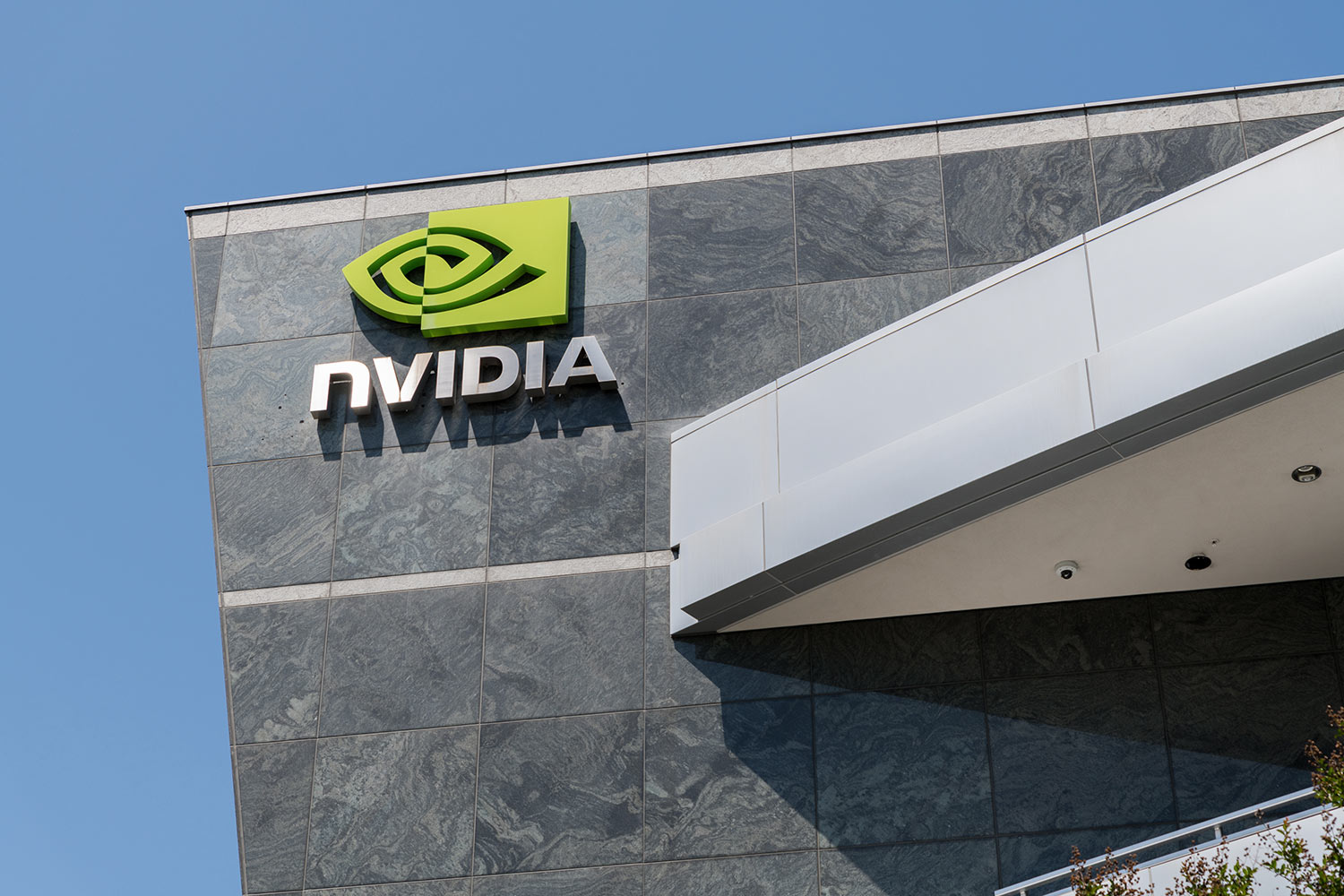
Arm now faces a future of uncertainty. As it prepares for its IPO, it must navigate a market that has changed since 2020.
The global chip shortage has highlighted the critical importance of semiconductor designers. Arm is arguably more valuable now than it was when Nvidia first bid for it. Its technology is essential for the Automotive industry (EVs) and the data center market (Arm-based servers from Amazon AWS and Ampere are gaining traction).
However, the threat of RISC-V looms larger than ever. RISC-V is an open-source instruction set architecture. It is free to use. Because of the Nvidia takeover attempt, many companies, particularly in China, accelerated their investments in RISC-V as a “plan B.”
If Arm is perceived as不稳定 (unstable)—first bought by SoftBank, then almost bought by Nvidia, now being spun out—customers may hedge their bets by diversifying to RISC-V. Arm needs to use its IPO proceeds to double down on R&D to ensure its architecture remains superior to the free alternative.
The narrative for the IPO will be crucial. Arm must position itself not just as a mobile chip designer, but as the “DNA of the AI world.” It needs to convince investors that it is the central nervous system of the future digital economy.
Chapter 10: A Lesson for Big Tech – The End of the Era of Consolidation?
The Nvidia-Arm collapse is a watershed moment. It is arguably the first major failure of the “Big Tech consolidation era” that defined the 2010s.
For years, companies like Facebook (Meta), Google, Apple, and Amazon gobbled up competitors with impunity. Regulators were slow to act, and fines were seen as the cost of doing business.
But this deal failed. It failed because regulators recognized that some platforms are too critical to be owned by one player. It failed because competitors stood up and said “no.” It failed because national security concerns finally trumped shareholder value.
This sets a precedent. Future mega-deals—perhaps an acquisition of a social media giant, or a cloud computing merger—will face the same headwinds. The bar for approval has been raised significantly.
The message is clear: Innovation through acquisition has limits. If you want to dominate the future, you have to build it yourself, not buy it. The era of the “Super-Merger” may be drawing to a close, replaced by an era of fierce competition and regulatory oversight.
Conclusion: The Chip Wars Continue
In the end, the collapse of Nvidia’s $40bn takeover of Arm is more than just a business news story; it is a defining moment in the history of technology. It confirmed that the semiconductor industry is the frontline of the global economic battle.
It showed that the UK, despite its post-Brexit insecurity, still holds cards that the world wants. It demonstrated that the US and Europe are willing to flex their regulatory muscles to protect market competition. And it proved that even a visionary like Jensen Huang cannot bend the arc of history entirely to his will.
As Arm prepares for its IPO and Nvidia returns to its GPU empire, the industry exhales. The uncertainty of the deal is over, replaced by the uncertainty of the market. But one thing is certain: the chips that power our lives will continue to be the most contested territory on Earth. The war for silicon dominance has only just begun, and the battle for Arm was merely the first major skirmish.
For the consumers, the collapse likely means better things. It means the Arm architecture remains a neutral tool available to all, fostering competition and innovation. It means no single company gets to build a “Walled Garden” around the smartphone.
And so, we move forward. The $40 billion deal is dead, but the technology lives on. The processors in our pockets don’t care who owns the company that designed them; they just care that they work. And for now, thanks to the regulators, they will continue to work for everyone, not just Nvidia.
Discussion Questions
- Regulation vs. Innovation: Did the regulators save the industry from a monopoly, or did they stifle a revolutionary merger that could have accelerated AI development?
- National Sovereignty: Should technology companies like Arm be treated as national strategic assets, subject to government veto on sales?
- The UK’s Position: Did the UK government handle the situation correctly, or should they have fought harder to secure a British buyer or a state-backed stake?
- The Future of Arm: With the RISC-V architecture rising as a free alternative, can Arm maintain its dominance in a post-IPO world?
Disclaimer: The content on this blog is for informational purposes only. Author’s opinions are personal and not endorsed. Efforts are made to provide accurate information, but completeness, accuracy, or reliability are not guaranteed. Author is not liable for any loss or damage resulting from the use of this blog. It is recommended to use information on this blog at your own terms.

