

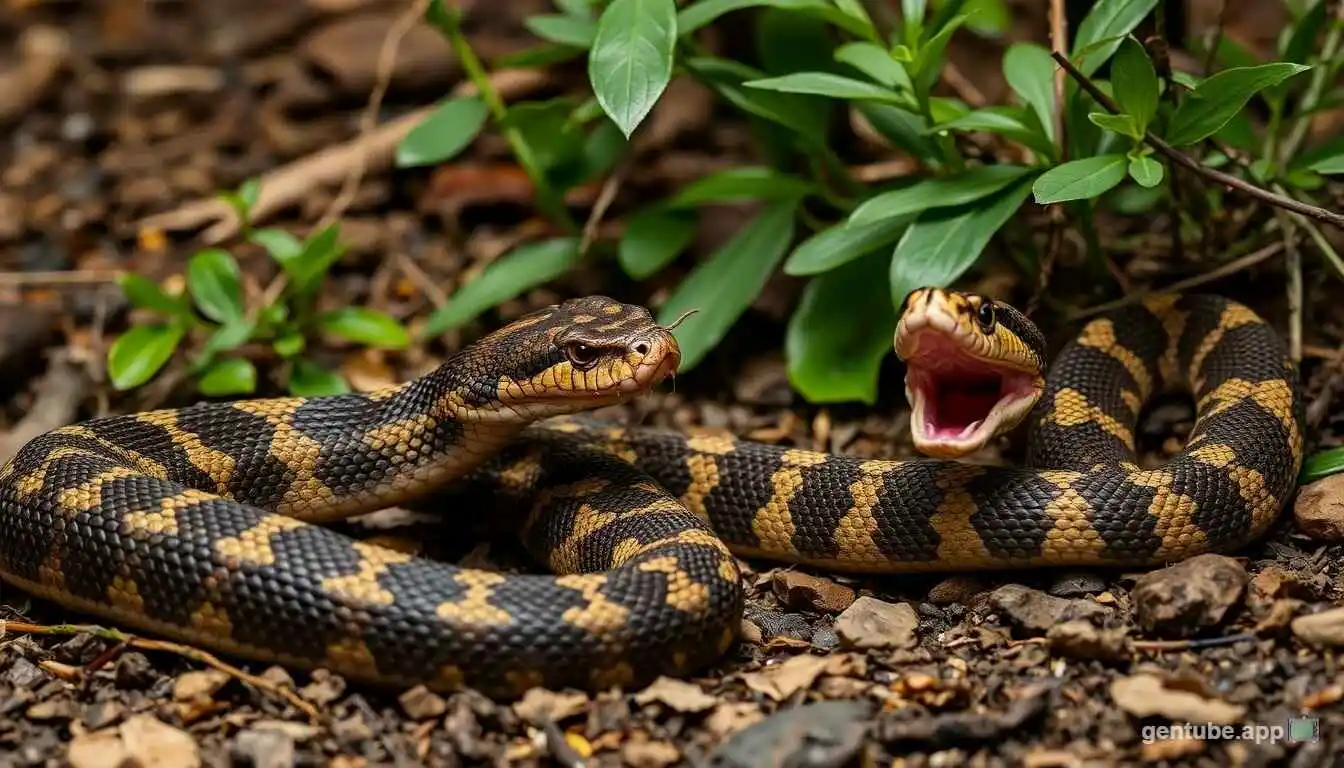
Fangs, Venom, and Survival: The Ultimate Guide to Venomous Snakes, Bite Prevention, and Lifesaving First Aid
Imagine walking through a sun-dappled trail, the sound of leaves crunching beneath your boots, when suddenly you hear it—a dry, raspy rattle cutting through the silence like a knife. Your heart leaps into your throat.
Snakes have been a source of human fascination and primal fear for millennia. From the genesis story in the Garden of Eden to modern Hollywood blockbusters, the venomous snake is universally recognized as a symbol of danger and hidden peril. But beneath the scales and venom lies a creature that is deeply misunderstood, ecologically vital, and—most importantly—highly avoidable.
Every year, over 5 million people worldwide are bitten by snakes, resulting in up to 138,000 deaths and three times as many amputations and permanent disabilities. The tragedy isn’t just in the numbers; it’s in the fact that the vast majority of these bites are entirely preventable, and the outcomes are often worsened by outdated, dangerous “first aid” myths.
Whether you are an avid hiker, a hunter, a farmer, or simply someone who enjoys a stroll through the local park, knowing how to identify venomous snakes, how to prevent an encounter from becoming a tragedy, and how to administer proper first aid is essential knowledge.
This comprehensive guide will take you deep into the world of venomous snakes. We will strip away the myths, arm you with science-backed prevention strategies, and provide you with a step-by-step first aid protocol that could save a life—maybe even your own.
Chapter 1: The Science of the Strike—Understanding Venomous Snakes
To protect yourself from venomous snakes, you first must understand them. Snakes are not slimy, malicious monsters hiding in the bushes waiting to ambush humans. They are highly specialized reptiles that use venom primarily for subduing prey and secondarily as a defense mechanism. A snake does not want to waste its precious venom on a human, because a human is not food.
Venom vs. Poison: What’s the Difference?
Before we go further, let’s clear up a common misconception. People often call them “poisonous snakes.” In reality, there are hardly any poisonous snakes (the exception being a few species like the tiger keelback, which sequester toxins from their prey).
- Poisonous: The toxin must be ingested, inhaled, or absorbed through the skin. (e.g., poisonous mushrooms or dart frogs).
- Venomous: The toxin must be injected directly into the bloodstream or tissue via a wound mechanism (e.g., fangs or stingers).
So, unless you are planning on eating a snake, you are dealing with venomous snakes.
The Three Types of Snake Venom
Venom is a highly modified saliva containing a complex cocktail of proteins and enzymes. Different snakes have evolved different types of venom to suit their specific dietary needs, but for humans, venom is generally categorized into three main types. Understanding these will help you understand the symptoms and treatments later.
- Neurotoxic Venom (Attacking the Nervous System)
Neurotoxins target the nervous system, specifically the neuromuscular junctions where nerves communicate with muscles.
- What it does: It blocks nerve signals, leading to muscle paralysis. The bite might not be very painful locally, but systemic effects are swift and lethal. The diaphragm eventually paralyzes, leading to respiratory failure.
- Symptoms: Drooping eyelids (ptosis), blurred vision, slurred speech, difficulty swallowing, and progressive weakness leading to inability to breathe.
- The Culprits: Elapids, such as Cobras, Mambas, Coral Snakes, and Sea Snakes.
- Hemotoxic Venom (Attacking the Blood and Tissue)
Hemotoxins target the cardiovascular system and blood clotting mechanisms.
- What it does: It can either cause blood to clot uncontrollably (leading to thrombosis and tissue death due to lack of blood flow) or prevent blood from clotting entirely (leading to massive internal bleeding). It also severely destroys local tissue.
- Symptoms: Severe localized pain, massive swelling, bruising, bleeding from the gums and nose, and necrosis (tissue death) around the bite area.
- The Culprits: Vipers, such as Rattlesnakes, Copperheads, Cottonmouths, and many Old World vipers like the Gaboon Viper.
- Cytotoxic Venom (Cellular Destruction)
Often grouped with hemotoxins, cytotoxins specifically target and destroy individual cells.
- What it does: They break down cell walls, leading to rapid tissue liquefaction. This is the venom that causes the gruesome images of decaying limbs often associated with viper bites.
- Symptoms: Immediate, excruciating pain, rapid swelling, blistering, and blackened, dying tissue surrounding the fang marks.
- The Culprits: Puff Adders, Spitting Cobras, and some rattlesnakes.
The Arsenal: How Snakes Deliver Venom
Snakes have evolved incredibly sophisticated delivery systems. They possess specialized teeth called fangs.
- Solenoglyphous (Folding Fangs): Found in vipers and rattlesnakes. These fangs are long, hollow, and fold up against the roof of the mouth like switchblades when not in use. When the snake strikes, the fangs swing forward, injecting venom deep into the tissue. This allows vipers to have incredibly long fangs.
- Proteroglyphous (Fixed Fangs): Found in elapids like cobras and mambas. These fangs are shorter and fixed in the front of the jaw. The snake must chew or hold on to inject venom effectively.
- Opisthoglyphous (Rear Fangs): Found in mildly venomous snakes like the hognose or boomslang. The fangs are at the back of the mouth, meaning the snake has to open its mouth very wide and essentially swallow the prey to inject venom.
Chapter 2: Meet the Culprits—A Global Guide to Deadly Snakes
While there are over 3,000 species of snakes in the world, only about 600 are venomous, and only about 200 are medically significant to humans. However, these 200 are spread across the globe. Knowing what lives in your backyard is the first step in prevention.
North America: The Pit Vipers and the Hidden Killer
In North America, the vast majority of venomous snakebites come from the Crotalinae family, commonly known as pit vipers.
- Rattlesnakes (Genus Crotalus and Sistrurus) Rattlesnakes are the undisputed kings of North American venomous snakes. They are found from Canada down to Argentina. They are easily identified by the rattle at the end of their tail, which they use as a warning device. They have heavy, diamond-shaped bodies and wide, triangular heads.
- The Danger: Hemotoxic venom causing severe tissue damage. The Eastern Diamondback is the largest and most dangerous.
- Copperheads (Agkistrodon contortrix) Copperheads are masters of camouflage. Their skin features hourglass-shaped bands that look exactly like fallen leaves on a forest floor. They are responsible for the majority of venomous snakebites in the eastern US, largely because they freeze when approached rather than fleeing, leading people to step directly on them.
- The Danger: Their venom is relatively mild compared to a rattlesnake, and fatalities are incredibly rare, but a bite will cause severe pain and swelling.
- Cottonmouths / Water Moccasins (Agkistrodon piscivorus) Found in the southeastern United States, these semi-aquatic snakes are notorious for their defensive posture: opening their mouths wide to reveal the bright white interior (hence “cottonmouth”). They are often confused with harmless water snakes.
- The Danger: They are aggressive when cornered and possess potent hemotoxic venom that can cause massive tissue destruction.
- Coral Snakes (Genus Micrurus) The exception to the North American pit viper rule. Coral snakes are elapids, closely related to cobras. They are small, brightly banded snakes (red, yellow, and black). The rhyme “Red touches black, venom lack; Red touches yellow, kills a fellow” works in North America, but do not rely on it internationally.
- The Danger: They have neurotoxic venom. Because they have short, fixed fangs and are generally non-aggressive, bites are rare. But when they bite, the neurotoxins can cause rapid respiratory failure. Symptoms may be delayed for hours, making them especially deceptive.
South and Central America: The Fer-de-Lance
In Central and South America, the snake responsible for the most human deaths is the Bothrops asper, known locally as the Fer-de-Lance or Terciopelo.
- The Danger: This snake is nocturnal, highly aggressive when cornered, and possesses a massive yield of highly potent hemotoxic venom. They blend perfectly into leaf litter and are often found near human habitations hunting for rats.
Africa: The Land of the Mamba and the Adder
Africa is home to some of the most feared snakes on the planet.
- The Black Mamba (Dendroaspis polylepis) Found in southern and eastern Africa, the Black Mamba is the stuff of legend. It is the longest venomous snake in Africa (up to 14 feet) and is incredibly fast (up to 12 mph). It gets its name not from its skin, which is grey/brown, but from the inky black color of the inside of its mouth.
- The Danger: Highly neurotoxic and cardiotoxic venom. A single bite delivers enough venom to kill 15 grown men. Death can occur in as little as 30 minutes to 3 hours if untreated.
- The Puff Adder (Bitis arietans) While the Mamba gets the bad reputation, the Puff Adder is the true killer in Africa. It is responsible for more snakebite deaths on the continent than any other snake. It is thick, heavily built, and relies on perfect camouflage. Because it doesn’t flee, people step on it constantly.
- The Danger: Massive amounts of potent cytotoxic venom, leading to extreme tissue necrosis and amputations.
- The Saw-Scaled Viper (Echis carinatus) Found in Africa, the Middle East, and India, this small, unassuming snake is arguably the deadliest snake in the world per capita. It is responsible for more human deaths globally than any other species. When threatened, it rubs its scales together to make a sizzling, rasping sound.
- The Danger: Severe hemotoxic venom that causes massive internal bleeding and clotting disorders.
Asia: The Big Four and the King
Asia has the highest burden of snakebite envenomation in the world.
- The King Cobra (Ophiophagus hannah) Found in India and Southeast Asia, the King Cobra is the longest venomous snake in the world, reaching up to 18 feet. It is highly intelligent and the only snake that builds a nest for its eggs.
- The Danger: A single bite can deliver up to two tablespoons of neurotoxic venom—enough to kill an adult elephant.
- The “Big Four” of India In India, four species are responsible for the vast majority of the 50,000 annual snakebite deaths: the Russell’s Viper, the Saw-Scaled Viper, the Common Krait, and the Indian Cobra.
- The Krait: A nocturnal snake that often bites people sleeping on the floor. Its venom causes severe abdominal pain and paralysis, often mistaken for appendicitis.
- The Russell’s Viper: Causes severe hemotoxicity, leading to kidney failure, and is known to cause endocrine failure (like Type 1 diabetes) in survivors.
Australia: The Venom Capital
Australia is infamous for having the top 10 most venomous snakes in the world. However, due to good medical infrastructure and the fact that most of these snakes live in the remote outback, snakebite deaths are relatively rare.
- The Inland Taipan (Oxyuranus microlepidotus) Also known as the Fierce Snake, it has the most toxic venom of any land snake in the world. A single drop can kill 100 men. It lives in the remote, cracking clay soils of central Australia. 2. The Eastern Brown Snake (Pseudonaja textilis) While the Inland Taipan has the most toxic venom, the Eastern Brown is the snake that actually kills Australians. It is fast-moving, aggressive, and highly adaptable to urban environments.
Chapter 3: The Psychology of the Snake—Why Do They Bite?
To effectively prevent snakebites, we must understand snake behavior. The most crucial concept to grasp is this: Snakes do not want to bite you.
A snake’s venom is its lifeblood. It takes a massive amount of metabolic energy to produce venom. A snake uses venom to kill mice, rats, and frogs so it can eat. If it wastes that venom on a 200-pound human that it cannot eat, the snake goes hungry. Furthermore, humans are massive, loud, clumsy predators to a snake. A snake’s first instinct is always to flee or hide.
So why do they bite?
- Defensive Strikes (The “Stepped On” Scenario)
The overwhelming majority of snakebites occur because the snake was startled, cornered, or physically pressed against a human body. If a snake is hiding in tall grass and a hiker steps on it, the snake’s survival instinct kicks in. It cannot outrun a boot, so its only defense is to strike. This is a reactionary bite.
- Territorial Defense
Some snakes, like the Black Mamba or the Cottonmouth, will hold their ground when approached. If a human continues to encroach on their space, the snake will view it as a direct threat and strike to protect itself.
- Mistaken Identity
Snakes have poor eyesight. They rely on heat-sensing pits (in vipers) and chemical sensing (Jacobson’s organ) to find prey. A bare ankle or a moving hand might be mistaken for a small rodent. Once the snake realizes it bit something too big to eat, it usually releases immediately, though the damage is done.
- The Idiots and the Intoxicated
A surprising statistic from the US is that a significant percentage of venomous snakebites—particularly from rattlesnakes—occur in men aged 18-35, often with high blood alcohol content. These bites typically occur on the hands and face. Why? Because these individuals are actively harassing, capturing, or attempting to kill the snake.
Golden Rule: If you do not try to catch, kill, or harass a venomous snake, your chances of being bitten drop by over 90%.
Chapter 4: An Ounce of Prevention—How to Avoid a Snakebite
Prevention is infinitely superior to the best first aid. By altering your behavior and your environment, you can make a snakebite statistically improbable. Here is your comprehensive guide to snakebite prevention.
In the Field: Hiking, Camping, and Working Outdoors
- Watch Your Step and Your Hands Snakes love edge habitats: where tall grass meets a trail, where rocks meet dirt, and where logs meet the forest floor.
- The Rule of Stepping: Always step onto a log or rock, look at the other side, and then step down. Never step blindly over a log. A rattlesnake could be basking in the shade right on the other side.
- The Rule of Hands: Never put your hands or feet into places you cannot see. This includes rock piles, hollow logs, thick brush, and animal burrows. If you are moving rocks or chopping wood, use a tool, not your bare hands.
- Appropriate Footwear and Clothing Fashion has no place in snake country.
- Boots: Never hike in snake territory in sandals or bare feet. Wear thick, heavy leather boots that cover the ankle. Snakes rarely strike higher than the knee, and heavy leather can deflect fangs.
- Gaiters: If you are hunting, bushwhacking, or working in dense brush, invest in puncture-proof snake gaiters. They cover the lower leg and are highly effective.
- Pants: Wear long, loose-fitting trousers. Loose fabric creates a barrier; even if the snake strikes, the fangs may catch the fabric rather than your skin.
- Stay on the Beaten Path Snakes avoid heavily trafficked areas because the vibrations scare them. Stay on established trails. Do not wander into tall weeds, heavy underbrush, or swampy areas where visibility is low.
- Be Mindful of the Time and Weather Snakes are cold-blooded (ectothermic), meaning their body temperature is regulated by their environment.
- Early Morning/Late Evening: On hot days, snakes become nocturnal and are most active at dusk and dawn. Be hyper-vigilant at these times.
- Cool Mornings: Snakes are sluggish in the cold and will often bask in the sun on warm rocks or open trails to warm up.
- After Rain: Amphibians (frog prey) become active after rain, and snakes will follow them.
- The Buddy System Never hike alone in remote snake country. If you are bitten, you will need someone to go for help, carry your gear, and keep you calm. Furthermore, a buddy can watch the trail ahead and behind.
- Earbuds Out, Eyes Open If you are listening to loud music on a trail, you are blinding one of your best warning systems. Rattlesnakes rattle to warn you. If you can’t hear it, you might walk right into its strike zone. Keep your head up and scan the trail ahead of you, not down at your phone.
Around the Home: Snake-Proofing Your Property
If you live in an area where venomous snakes are prevalent, your home and yard can be an attractive habitat. Here’s how to make your property unappealing to snakes.
- Eliminate the Food Source Snakes follow food. If your yard is full of mice, rats, and frogs, snakes will move in.
- Keep garbage cans tightly sealed.
- Don’t leave pet food outside overnight; it attracts rodents.
- Clean up fallen fruit from trees, which also draws rodents.
- If you have a rodent problem, eradicate it. Once the rodents leave, the snakes will too.
- Eliminate the Shelter Snakes need places to hide. They love cool, damp, dark areas.
- Keep your lawn mowed short. Snakes hate crossing open, short grass because it exposes them to predators (hawks, owls).
- Remove piles of debris, lumber, rocks, and leaves from your yard.
- Elevate firewood stacks at least a foot off the ground and keep them away from the house.
- Seal cracks in your home’s foundation, and ensure weather stripping on doors and windows is tight.
- Fencing If you have small children or pets, consider installing a snake-proof fence. This is a solid fence (like hardware cloth) buried a few inches into the ground, angled outward, standing about 3 feet tall. It is expensive, but it is the only physical barrier that works.
- Water Sources Many venomous snakes, like the Cottonmouth, are highly aquatic. Eliminate standing water in your yard—empty buckets, fix leaky hoses, and ensure your pond has a steep edge so snakes don’t bask on the shallow banks.
When You Encounter a Snake: The Do’s and Don’ts
You’re on a trail, and you hear a rattle. Or you see a snake coiled up in the middle of the path. What do you do?
- STOP and FREEZE. Do not panic. Do not run. The snake is likely not going to chase you. Running creates heavy vibrations and sudden movements, which can trigger a predatory or defensive strike.
- Locate the Snake. Pinpoint exactly where the snake is. If it is a pit viper, it is likely coiled, ready to strike. The strike distance of a snake is generally about one-third to one-half of its total body length. So a 4-foot snake can strike about 2 feet.
- Give It Space. Slowly, without making sudden jerky movements, back away. Take at least five or six large steps backward. Once you are outside its strike zone, you are safe.
- DO NOT Try to Kill or Move It. This is how most people get bitten. You are not Steve Irwin. Do not throw rocks at it. Do not try to pin its head with a stick. Do not try to shoo it away. Leave it alone, and it will leave you alone. If the snake is on your property and must be moved, call animal control or a professional snake removal service.
- Warn Others. If you are on a public trail, warn other hikers. “There is a rattlesnake on the trail about 20 yards ahead, on the right side.”
- Treat Dead Snakes with Respect. A dead snake can still bite you. Due to nerve reflexes, a snake’s head can still deliver a venomous bite for up to an hour after it has been decapitated. Never pick up a dead snake’s head.
Chapter 5: The Moment of Truth—Understanding a Snakebite
Despite all precautions, accidents happen. You step on a camouflaged snake, it strikes, and you feel the searing pain of fangs piercing your skin. What is happening inside your body, and what are the symptoms?
The Physical Mechanics of a Bite
When a viper strikes, its fangs act like hypodermic needles. The venom is injected deep into the subcutaneous tissue or directly into a muscle. The snake usually releases immediately and retreats. However, if it is an elapid (like a cobra), it might hang on and “chew” to inject more venom.
“Dry Bites” vs. “Wet Bites”
Not every bite from a venomous snake results in envenomation. A “dry bite” occurs when the snake bites defensively but does not inject venom. Studies suggest that up to 25% of pit viper bites and up to 50% of elapid bites are dry. This is because venom is precious, and the snake doesn’t want to waste it on a non-prey item.
However, you must always assume you have been envenomated. Never assume it was a dry bite just because you don’t feel sick right away.
Symptoms: What to Look For
The symptoms will vary wildly depending on the type of snake, the amount of venom injected, the location of the bite, and the size and health of the victim.
Hemotoxic Symptoms (Pit Vipers, Most Vipers)
These symptoms occur rapidly, usually within 5 to 30 minutes.
- Immediate, severe pain: Not just a pinprick, but deep, throbbing, burning pain at the bite site.
- Rapid Swelling: The tissue will begin to swell immediately and can extend up the limb within hours. The limb may become discolored, turning red, purple, or black.
- Fang Marks: Usually one or two distinct puncture wounds (though sometimes only one fang connects).
- Nausea and Vomiting: The body’s reaction to the toxins.
- Metallic Taste: A classic, bizarre symptom of viper envenomation is a strange, rubbery, or metallic taste in the mouth, often accompanied by a tingling sensation in the lips or mouth.
- Bleeding: Blood may ooze from the fang marks, and the victim may experience bleeding from the gums, nose, or in the urine/stool.
Neurotoxic Symptoms (Elapids, Coral Snakes)
These symptoms can be deceptive. There is often little to no immediate pain or swelling at the bite site, leading victims to believe they are fine.
- Delayed Onset: Symptoms may not appear for 1 to 4 hours after the bite.
- Drooping Eyelids (Ptosis): One of the first visible signs. The victim looks sleepy.
- Blurred Vision and Dilated Pupils: Inability to focus.
- Slurred Speech and Difficulty Swallowing: As the facial and throat muscles weaken.
- Muscle Weakness: A feeling of heaviness in the limbs.
- Respiratory Distress: As the diaphragm paralyzes, breathing becomes shallow and labored. This is the primary cause of death in neurotoxic bites.
Chapter 6: Lifesaving First Aid—The Do’s and Don’ts
This is the most critical chapter in this guide. If you or someone near you is bitten by a venomous snake, the actions taken in the next 10 minutes will dictate the next 10 years of their life.
Before we discuss what you should do, we must urgently discuss what you MUST NOT DO. Hollywood, old wives’ tales, and outdated survival manuals have perpetuated dangerous myths. Following these myths will cause more harm than the snake.
The Deadly “Don’ts” of Snakebite First Aid
DON’T #1: Do Not Suck Out the Venom You are not a vacuum. You cannot suck venom out of a deep tissue wound. Furthermore, venom spreads into the lymphatic system within seconds. By the time you get your mouth on the wound, the venom is already moving up your arm.
- The Danger: You will introduce the deadly bacteria from your mouth into the open wound, causing massive infection. If you have a cut in your mouth or gums, you will envenomate yourself.
DON’T #2: Do Not Use a Tourniquet Cutting off the blood flow to a limb is a terrible idea. If you trap the venom in the lower leg, it will cause massive, rapid tissue necrosis, almost guaranteeing amputation.
- The Danger: Tourniquets cause ischemia (lack of oxygen). Combined with cytotoxic venom, the tissue will literally die and rot within hours.
DON’T #3: Do Not Cut the Wound Some old manuals suggest making an “X” incision over the bite to let the venom bleed out. This is barbaric and useless.
- The Danger: You will sever blood vessels, cause massive bleeding (especially if the venom is already acting as an anticoagulant), increase the risk of infection, and cause permanent nerve and tendon damage.
DON’T #4: Do Not Apply Ice Freezing a snakebite does nothing to neutralize venom.
- The Danger: Ice causes vasoconstriction, which, like a tourniquet, traps the venom in one area and accelerates severe tissue death.
DON’T #5: Do Not Drink Alcohol or Caffeine Giving the victim a shot of whiskey to “calm their nerves” is a terrible idea.
- The Danger: Alcohol and caffeine alter the victim’s heart rate and dilate blood vessels, which can speed up the absorption of venom into the bloodstream.
DON’T #6: Do Not Try to Capture the Snake Do not risk a second bite trying to catch or kill the snake for identification.
- The Danger: A dead snake can still bite. You are also wasting precious time. Modern antivenom is polyvalent (covers multiple species) in most regions, or doctors can identify the snake based on your geographical location and symptoms. If you can safely take a photo from a distance with your phone, great. If not, just leave.
The Correct First Aid Protocol: What You MUST Do
If the victim is bitten, remain calm. Panic increases heart rate, which pumps the venom through the body faster. Follow this step-by-step protocol.
Step 1: Call 911 Immediately (or Local Emergency Services)
This is the absolute first step. The only definitive treatment for a venomous snakebite is antivenom administered in a hospital setting. Time is tissue. Tell the dispatcher:
- A snakebite has occurred.
- The location (so they can send an ambulance).
- If possible, the description of the snake (color, pattern) and the symptoms the victim is experiencing.
Step 2: Move Away from the Snake
Get the victim at least 20 feet away from the snake to prevent a second bite. Help them sit down or lie down. Keep them perfectly still. Movement increases blood flow and venom spread.
Step 3: Keep the Bite Below Heart Level
Keep the bitten limb below the level of the heart. If it is above the heart, gravity will help the venom flow into the central circulatory system faster. If it’s a leg bite, let the leg rest flat on the ground. If it’s an arm bite, let the arm rest in their lap.
Step 4: Remove Constricting Items
The bite will swell massively and rapidly. Remove any rings, watches, bracelets, tight clothing, or boots near the affected limb. If you don’t remove a ring, the swelling will cut off circulation to the finger, resulting in a secondary amputation.
Step 5: Wash the Area Gently (Optional)
You can gently wash the bite area with soap and water if it is readily available. This reduces the chance of secondary infection. Do not scrub aggressively, and do not immerse the wound in water.
Step 6: The Pressure Immobilization Technique (PIT)
This technique is used specifically for neurotoxic snakebites (Elapids like coral snakes, cobras, mambas). It is NOT recommended for hemotoxic/cytotoxic bites (vipers, rattlesnakes) because trapping the venom locally will cause catastrophic tissue necrosis.
If you are in North America and are sure the snake was a coral snake, or if you are in Australia/Asia dealing with elapids, do the following:
- Use a wide, elastic bandage (like an Ace bandage) or tear up clothing.
- Start wrapping a few inches above the bite (between the bite and the heart).
- Wrap firmly, but not so tight that it cuts off arterial blood flow. You should still be able to slip a finger under the bandage. It should feel like a sprained ankle wrap.
- Overlap the bandage as you wrap down over the bite, and then back up the limb.
- Splint the limb to a stick or board to completely immobilize it. The goal is to restrict muscle movement, which limits lymphatic flow, keeping the neurotoxins localized until antivenom can be administered.
If you are in North America and are dealing with a Pit Viper (rattlesnake, copperhead, cottonmouth), DO NOT use the pressure bandage. Simply let the limb swell naturally.
Step 7: Mark the Swelling
Take a pen or marker and draw a circle around the border of the swelling. Write the time next to it. Every 15 minutes, draw a new line around the edge of the swelling and note the time. This is crucial information for doctors when they arrive to assess how fast the envenomation is progressing.
Step 8: Keep the Victim Calm and Hydrated
Reassure the victim. Panic is the enemy. Encourage slow, deep breaths. If they are conscious and able to swallow, you can give them small sips of water. Do not give them food or solid liquids in case they need emergency surgery later.
Step 9: Monitor Vital Signs
Keep a close eye on the victim’s breathing, pulse, and level of consciousness. If they stop breathing, you must be prepared to perform CPR until emergency services arrive.
Chapter 7: The Hospital—Antivenom and the Road to Recovery
https://youtu.be/ezugZQHZ-rU

