

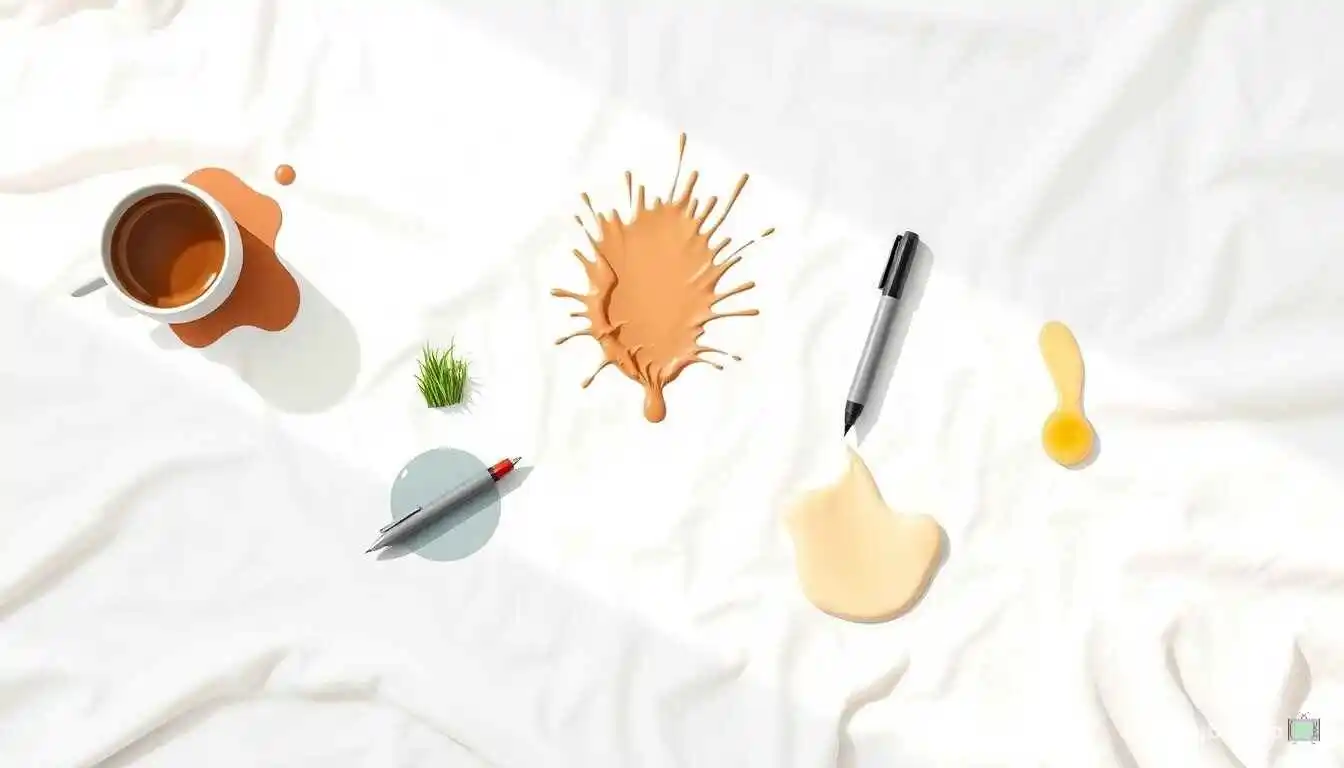
Even with the best habits, stains will still happen occasionally — that’s simply part of living an active life. When prevention fails, quick, correct response is the next best thing:
- Identify the stain type using the categories above before choosing a treatment method.
- Blot immediately to remove excess liquid or material.
- Apply the appropriate treatment — cold water for protein, dish soap for oil, alcohol for ink and dye, enzyme cleaner for biological stains.
- Rinse and check before drying. Heat from a dryer can permanently set a stain that wasn’t fully removed, so always inspect the area in good light before machine drying.
- Repeat treatment if necessary rather than escalating to harsher chemicals immediately, which can sometimes damage the material more than the stain itself.
- Know when to call a professional. For valuable garments, antique furniture, or natural stone surfaces, professional cleaning services have access to specialized treatments that are safer and more effective than at-home methods for high-value or delicate items.
Final Thoughts
Stains will always be a part of everyday life — that’s simply the cost of eating, cooking, working, and living in spaces we actually use. But the difference between a temporary spill and a permanent mark almost always comes down to two things: knowing what type of stain you’re dealing with, and having a prevention habit already in place before the spill happens. With the categories, methods, and room-by-room strategies covered in this guide, most stains become a minor two-minute interruption rather than a lasting problem — and the ones that do happen become far easier to treat quickly and correctly.
FAQS
1.What is the single most important rule for preventing a stain from setting?
Act quickly. The longer a substance sits on fabric or a surface, the more time it has to chemically bond with the material, so addressing spills within the first few minutes dramatically improves the outcome.
2.Should I use hot or cold water on a fresh stain?
Cold water is the safest default for almost all stain types, especially protein-based stains like blood or egg, since heat can cause proteins to bond permanently with fabric fibers.
3.Why does rubbing a stain make it worse?
Rubbing spreads the staining substance outward and pushes it deeper into fabric fibers or carpet padding, making it harder to fully remove. Blotting lifts the substance up and out instead.
4.What household item works best on grease stains?
Dish soap is highly effective on oil and grease stains because it’s specifically formulated to break down fat and grease, binding to both the oil and water so it can be rinsed away.
5.How do I prevent red wine from staining a carpet permanently?
Blot immediately with a clean white cloth, avoid rubbing, and rinse the area with cool water, working from the outer edge of the stain inward to prevent spreading.
6.What causes a stain to become permanent?
Time, heat, and improper treatment are the main causes. Substances that are left to dry, exposed to heat before being treated, or cleaned with the wrong method are far more likely to set permanently.
7.Are tannin stains like coffee and tea treated the same as protein stains?
No. Tannin stains respond well to cold water rinsing and blotting, while protein stains specifically require enzyme-based treatments to break down the biological compounds involved.
8.How can I prevent grass stains on kids’ clothing?
Treat play clothes with a fabric protectant spray, designate specific clothing for outdoor activities, and pre-treat grass stains with rubbing alcohol or a vinegar solution before washing.
9.What’s the best way to remove candle wax from fabric?
Freeze the wax first to harden it for easier scraping, then place a paper towel over and under the area and apply a warm iron briefly to melt the remaining wax into the paper.
10.Can bleach be used on any stain?
No. Bleach can react unpredictably with certain dyes and proteins, sometimes deepening or setting a stain rather than removing it, and it should never be used on rust or mineral stains.
11.How often should I reseal natural stone countertops to prevent staining?
This varies by stone type and manufacturer, but many natural stone countertops benefit from resealing every six to twelve months to maintain their resistance to acidic and oily stains.
12.Why do rust stains need a different treatment than other stains?
Rust stains are caused by oxidized iron, which requires an acidic treatment like lemon juice or a specialized rust remover rather than soap-based cleaning, which does not break down mineral deposits.
13.What’s the best way to prevent pet urine stains from setting into carpet?
Blot up excess liquid immediately, then apply an enzyme-based cleaner that breaks down uric acid, and treat the carpet padding underneath, not just the visible surface fibers.
14.Is it safe to put a stained item straight into the dryer?
No. Always check the treated area in good light before drying, since dryer heat can permanently set any remaining trace of a stain that wasn’t fully removed during washing.
15.What should I do if I don’t know what caused a stain?
Start with the gentlest method — cold water and blotting — and test any additional treatment on a hidden area first before applying it to the visible stain.
16..How do I prevent ink stains from pens in bags or pockets?
Store pens and markers with caps secured, avoid carrying uncapped pens loose in bags, and treat any ink transfer immediately with rubbing alcohol applied to a cotton pad.
17.What is an enzyme-based cleaner, and why does it work so well on biological stains?
Enzyme cleaners contain specific proteins that break down biological compounds like blood, sweat, and urine at a molecular level, making them far more effective on organic stains than standard detergents.
18.Can sunlight help remove stains?
Sunlight has natural bleaching properties and can help fade some stains, particularly on white fabrics, though it should be used with caution on colored or delicate materials, which can fade unevenly.
19.How do I prevent chocolate stains from leaving a lasting mark?
Treat chocolate stains in stages — first cold water and blotting for the protein and dye component, then a small amount of dish soap for the fat component — since chocolate is a combination stain.
20.What’s the best way to protect upholstered furniture from stains?
Use furniture protector sprays that create a water- and oil-resistant barrier, along with washable slipcovers or throws in high-use areas, especially in households with children or pets.
21.Why do some stains reappear after they seem to be removed?
This often happens with oil-based or sugary stains, where a wicking effect draws remaining residue back to the surface as the fabric dries, creating the appearance of a stain “reappearing” over time.
22.What is the difference between a stain and a mildew mark?
A stain comes from an external substance bonding with a surface, while mildew is a living fungal growth that requires antifungal treatment in addition to standard stain removal methods.
23.How can I prevent hard water stains on glassware and fixtures?
Installing a water softener reduces mineral buildup significantly, and drying glassware and fixtures promptly after use prevents the mineral deposits that cause hard water spotting.
24.Is it better to treat a stain before or after washing an item?
Always pre-treat a stain before washing. Standard laundry cycles alone often aren’t strong enough to fully remove a stain, and washing without pre-treatment can sometimes help set it further.
25.What fabric care label symbols should I check before treating a stain?
Look for cleaning codes such as W (water-based cleaner safe), S (solvent-based cleaner only), WS (either method safe), and X (vacuum or dry cleaning only, no liquid cleaners) before applying any treatment.
26.Can vinegar be used as a general stain treatment?
Diluted white vinegar is effective on several stain types, including grass stains and some mineral deposits, due to its mild acidity, though it should always be tested on a hidden area first.
27.How do I prevent sticker or adhesive residue from leaving a mark?
Remove stickers slowly and at a low angle to reduce residue left behind, and use rubbing alcohol promptly on any remaining adhesive before it has a chance to attract dirt and darken.
28.What’s the most overlooked prevention step for kitchen countertops?
Wiping up spills immediately, rather than letting them sit even briefly, is the most overlooked step, since many countertop materials are more porous than they appear and absorb liquid faster than expected.
29.Should I hire a professional cleaner for valuable or delicate items?
Yes, for high-value garments, antique furniture, or natural stone surfaces, professional cleaners have access to specialized techniques and products that are safer and more effective than most at-home methods.
30.What’s one habit that prevents the widest range of stains across a household?
Keeping a stain-treatment kit accessible in key areas of the home (kitchen, living room, laundry room) and treating spills within the first few minutes prevents the vast majority of stains from ever becoming permanent, regardless of the specific type.
Disclaimer: The content on this blog is for informational purposes only. Author’s opinions are personal and not endorsed. Efforts are made to provide accurate information, but completeness, accuracy, or reliability are not guaranteed.Author is not liable for any loss or damage resulting from the use of this blog. It is recommended to use information on this blog at your own terms.

