

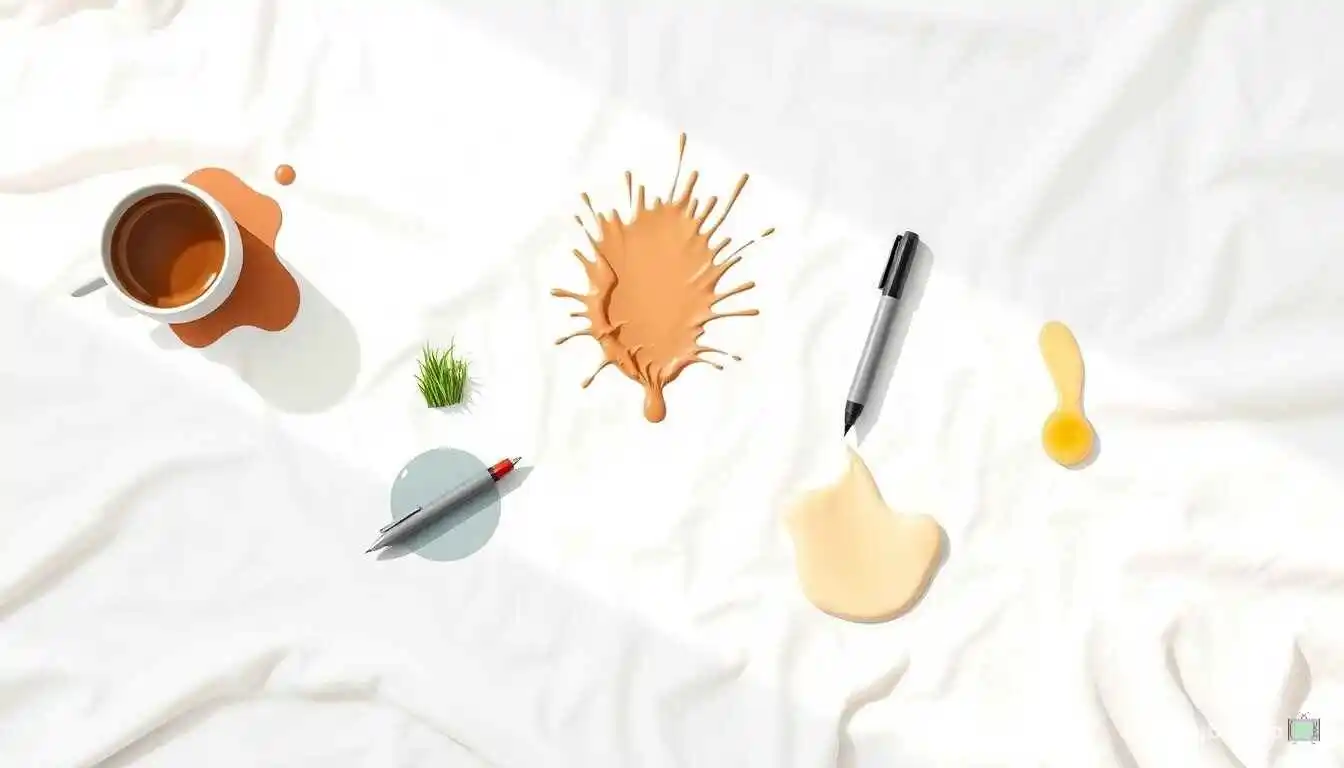
The Stain Survival Guide: Every Type of Stain You’ll Ever Face — And How to Stop Them Before They Start
Few things derail a good day faster than a splash of coffee on a white shirt, a wine glass tipping onto the couch, or a toddler’s spaghetti hand landing square on the carpet. Stains feel random and unfair, but they’re actually predictable — every stain belongs to a category, and every category has a science-backed way to prevent it from setting in the first place. The secret that professional cleaners, dry cleaners, and textile chemists all know is this: stains aren’t really about bad luck. They’re about chemistry, timing, and a handful of habits most people simply never learned.
This guide breaks down every major type of stain — what causes it, why it behaves the way it does, and most importantly, exactly how to prevent it from becoming a permanent mark on your clothes, furniture, carpets, and countertops. Whether you’re dealing with a spilled glass of red wine, a grass-stained pair of jeans, a rust ring in the bathtub, or a mystery stain on the office carpet, the goal is the same: understand the type, and prevention becomes almost automatic.
Why Stains Happen: The Basic Science
Before diving into categories, it helps to understand what actually makes a stain “stick.” A stain forms when a substance’s molecules bond with the fibers of a fabric or the pores of a surface. Some substances bond quickly and loosely, which is why they wipe away easily if caught in time. Others bond through chemical reactions — like oxidation or protein coagulation — that get stronger and harder to reverse the longer they’re left untreated. Heat, time, and improper cleaning methods (like using hot water on a protein stain) are the three biggest culprits that turn a manageable spill into a permanent stain.
This is why the golden rule of stain prevention is speed: the faster a spill is addressed, the less time it has to bond chemically with the material underneath it. But speed alone isn’t enough — using the wrong method on the right stain can actually make things worse, which is why knowing the category matters just as much as knowing the clock is ticking.
The Major Types of Stains
-
Protein-Based Stains
Protein stains come from biological sources: blood, egg, milk, sweat, and other bodily fluids. These stains are notorious because heat causes the proteins to coagulate and bond permanently with fabric fibers, which is exactly why using hot water on a fresh bloodstain is one of the most common — and costly — laundry mistakes.
Common sources: Blood, egg, dairy, sweat, and other bodily fluids.
Why they’re tricky: Heat “cooks” the protein into the fabric, making it far harder to lift once set. Protein stains can also develop a faint yellow tint over time even after the visible mark is gone, especially on lighter fabrics.
Prevention methods:
- Always rinse protein stains in cold water immediately — never hot or even warm.
- Blot, don’t rub, to avoid pushing the protein deeper into the fibers.
- Keep an enzyme-based pre-treatment spray on hand; enzymes are specifically designed to break down protein molecules before they set.
- For workwear or activewear prone to sweat stains, look for moisture-wicking fabrics and wash items promptly rather than letting sweat-soaked clothing sit in a hamper.
- Use a cold-water soak for at least 30 minutes before laundering any heavily protein-stained item.
-
Tannin Stains
Tannins are plant-based compounds found in coffee, tea, wine, and many fruits. They’re some of the most common household stains because they come from everyday beverages and snacks.
Common sources: Coffee, tea, red wine, fruit juices, and berries.
Why they’re tricky: Tannins are water-soluble when fresh but oxidize quickly on contact with air, deepening in color and becoming harder to remove the longer they sit — a red wine stain left overnight is dramatically harder to treat than one addressed within minutes.
Prevention methods:
- Blot immediately with a clean, dry cloth to absorb as much liquid as possible before it spreads or soaks in.
- Avoid rubbing, which spreads the tannin outward and drives it deeper into the fibers.
- Rinse the area with cool water from the back of the fabric to push the stain out rather than further in.
- Keep coasters and placemats in coffee- and wine-prone areas to reduce the frequency of tannin spills on upholstery and carpet.
- For carpets and upholstery, use a white cloth (colored cloths can transfer dye) and blot outward from the edges of the stain toward the center to prevent spreading.
-
Oil and Grease Stains
Oil-based stains come from cooking oils, butter, salad dressings, motor oil, and cosmetics like lipstick or foundation. Unlike water-based stains, oil doesn’t dissolve in water, which is exactly why plain water treatment fails on this category.
Common sources: Cooking oil, butter, salad dressing, motor oil, makeup, and lotion.
Why they’re tricky: Grease is hydrophobic, meaning it repels water and instead needs to be broken down with a degreasing agent (like dish soap) that can bind to both the oil and water to lift it away.
Prevention methods:
- Apply a small amount of dish soap directly to a fresh grease stain before laundering — dish soap is specifically formulated to break down grease.
- Sprinkle cornstarch, baby powder, or talcum powder on a fresh oil spill on fabric or carpet to absorb the oil before it fully sets; let it sit for several minutes before brushing or vacuuming away.
- Avoid using hot water before treating an oil stain, as heat can set some oil-based stains, particularly if the fabric has synthetic fibers.
- In kitchens, use aprons and splatter guards to reduce the frequency of grease stains on clothing in the first place.
- Wipe up kitchen grease spills on countertops or floors immediately, since grease left on porous stone or grout can seep in and become a long-term discoloration issue.
-
Dye-Based Stains
Dye stains come from substances that contain strong natural or artificial pigments — think grass, ink, marker, or berries with deeply saturated color.
Common sources: Grass, ink, permanent marker, dyed fabrics bleeding onto other items, and certain fruits like blueberries or pomegranate.
Why they’re tricky: These stains work by actually dyeing the fabric rather than just sitting on top of it, which means simple washing often isn’t enough — the color has chemically bonded with the fibers.
Prevention methods:
- Treat grass stains with rubbing alcohol or a vinegar solution before washing, applied directly to the stain and left for several minutes.
- For ink stains, blot (never rub) with rubbing alcohol on a cotton pad, working from the outside of the stain inward.
- Wash new, deeply colored garments separately for the first several washes to prevent dye transfer onto other clothing.
- Keep children’s play clothes separate from “good” clothes during activities likely to involve grass or dirt, reducing the risk of dye stains on higher-value garments.
- Store markers and pens with caps secured and away from fabric-covered furniture and bags where accidental marks are common.
-
Combination Stains
Some of the most stubborn stains aren’t a single type at all — they’re a combination of protein, oil, and dye layered together. Chocolate, for example, contains fat, protein (from milk), and dye (from cocoa), making it one of the most notoriously difficult stains to fully remove.
Common sources: Chocolate, gravy, tomato-based sauces, curry, and lipstick.
Why they’re tricky: Because these stains involve multiple bonding mechanisms at once, a single-method treatment often only partially works, leaving a faint “ghost” stain behind.
Prevention methods:
- Treat combination stains in stages: first blot and rinse in cold water to address the protein and dye component, then apply a small amount of dish soap to target the oil component.
- Avoid using bleach on combination stains before identifying all components, as bleach can react unpredictably with dye pigments and proteins, sometimes deepening the stain.
- Pre-treat with an enzyme-based stain remover formulated for “food and grease combination stains,” which most major detergent brands now offer.
- For tomato-based stains specifically, treat quickly since the acidity and dye combination sets fast, especially on light-colored fabric.
- Keep a stain-treatment pen or wipe in your bag or car for on-the-go spills involving food, which are almost always combination stains.
-
Mineral and Rust Stains
Mineral stains come from hard water, rust, and other inorganic deposits. Unlike organic stains, they don’t respond to enzyme cleaners or degreasers at all — they require an entirely different chemical approach.
Common sources: Rust from pipes or metal furniture, hard water deposits, and iron-rich soil.
Why they’re tricky: Rust stains are oxidized iron, meaning they require an acidic treatment (like lemon juice or a specialized rust remover) rather than soap-based cleaning, which does nothing to break down mineral deposits.
Prevention methods:
- Replace or address corroding pipes and fixtures promptly, since rust stains on sinks, tubs, and laundry are almost always traceable to a specific source that keeps recurring until it’s fixed.
- Use a water softener in homes with hard water to reduce mineral buildup on fixtures, glassware, and fabric over time.
- Dry metal furniture and fixtures thoroughly after rain or moisture exposure to prevent the rust-to-fabric transfer that happens when damp metal touches clothing or upholstery.
- Avoid using chlorine bleach on rust stains, as it can actually intensify the discoloration rather than remove it.
- Wipe down shower and tub surfaces regularly to prevent mineral deposits from building into visible, harder-to-remove rings.
-
Bodily Fluid and Organic Stains
This category includes urine, vomit, and other bodily fluids — common in households with pets, infants, or elderly family members, and notoriously difficult due to both the staining and odor components.
Common sources: Urine, vomit, and other bodily fluids from pets, infants, or illness.
Why they’re tricky: These stains combine protein-based staining with strong-smelling compounds (like uric acid crystals in urine) that can remain even after the visible stain is gone, especially on porous surfaces like carpet padding.
Prevention methods:
- Blot up as much liquid as possible immediately, then apply an enzyme-based cleaner specifically designed to break down uric acid and other biological compounds — regular detergent often only masks the stain without neutralizing the source of the odor.
- Use mattress and furniture protectors in households with pets, infants, or family members prone to accidents, since prevention through barriers is often more reliable than post-spill treatment.
- Avoid steam cleaning fresh urine stains, as heat can permanently set the protein and lock in odor rather than lifting it.
- For carpets, treat the padding underneath, not just the visible surface fibers, since liquid often seeps through and continues causing odor and staining from below.
- Establish a consistent pet-training or infant-care routine that reduces the frequency of accidents in the first place, which remains the single most effective long-term prevention method.
-
Adhesive, Wax, and Gum Stains
This category isn’t a chemical “stain” in the traditional sense but a physical residue that can trap dirt and become a lasting mark if not removed properly.
Common sources: Candle wax, chewing gum, sticker residue, and craft glue.
Why they’re tricky: These substances harden and physically bond to fibers or surfaces, and improper removal (like scraping too aggressively) can damage the material underneath.
Prevention methods:
- Freeze gum or wax with an ice cube wrapped in cloth to harden the substance, making it easier to gently scrape off without smearing it further into the fabric.
- For wax on fabric, place a paper towel over and under the affected area and apply a warm iron briefly to melt the wax into the paper rather than the fabric.
- Keep craft and hobby areas separate from carpeted or upholstered spaces to reduce the frequency of adhesive-based accidents.
- Avoid placing candles on tablecloths or fabric surfaces without a protective mat underneath.
- Use rubbing alcohol to dissolve leftover sticker or adhesive residue without damaging most fabric or hard-surface finishes.
-
Surface-Specific Stains: Beyond Fabric
Not all stains happen on clothing — carpets, upholstery, wood, tile, and stone surfaces each have their own vulnerabilities and require different prevention strategies.
Carpet and upholstery: Because these are harder to fully rinse than clothing, prevention leans heavily on barriers — area rugs in high-traffic zones, furniture protectors, and immediate blotting rather than rubbing, which can push stains deeper into padding or cushion fill.
Wood surfaces: Wood is porous and can absorb liquid stains (like water rings or wine) directly into the grain. A quality sealant or finish acts as the primary defense, and using coasters and placemats prevents most everyday wood staining before it starts.
Tile and grout: Grout is especially porous and prone to absorbing color from spills, food, and even dirty mop water. Sealing grout lines annually is one of the most effective, and most overlooked, prevention methods for kitchens and bathrooms.
Stone countertops: Natural stone like marble and granite can absorb acidic liquids (citrus, wine, vinegar) if unsealed, leading to permanent etching or staining. Resealing stone countertops periodically, based on manufacturer recommendations, is essential prevention.
Upholstered furniture: Checking furniture tags for cleaning codes (W for water-based cleaners, S for solvent-based, WS for either, X for vacuum-only) before attempting any stain treatment prevents accidental damage from using the wrong method.
General Prevention Habits That Work Across Every Stain Type
While each stain category has its specific best practices, a handful of universal habits dramatically reduce staining across the board, regardless of the source:
- Act within the first few minutes. The single biggest predictor of whether a stain becomes permanent is how quickly it’s addressed — most stains are significantly easier to treat within the first five to ten minutes.
- Blot, don’t rub. Rubbing spreads the staining substance outward and pushes it deeper into fibers; blotting lifts it up and out.
- Cold water first, always, unless you know otherwise. Cold water is the safest default for nearly every stain category except a few oil-based exceptions, since heat tends to set stains rather than lift them.
- Test any treatment on a hidden area first. Whether it’s a cleaning solution on carpet or a stain remover on a garment, testing on an inconspicuous spot prevents accidental discoloration or fabric damage.
- Use fabric and surface protectants proactively. Products that create a water- and oil-resistant barrier on fabric, along with sealants for stone, wood, and grout, prevent a large share of stains from ever fully soaking in.
- Keep a stain kit on hand. A small kit with a stain-removal pen, enzyme spray, white cloths, and a travel-sized dish soap bottle turns a potential disaster into a two-minute fix, whether you’re at home, at work, or traveling.
- Read care labels before treating. Fabric composition changes which treatments are safe — wool and silk, for instance, require gentler handling than cotton or polyester, and using the wrong method can cause more damage than the original stain.
- Establish “high-risk zone” habits. Use placemats at the dining table, keep pets off light-colored furniture, and designate specific clothing for messy activities like painting or gardening.
- Don’t let stains sit “until laundry day.” Pre-treating a stain the moment it happens, even if the item won’t be washed until later, prevents it from fully setting in the meantime.
- Rotate and maintain protective barriers. Furniture covers, rugs, and mats wear down over time; replacing or cleaning them regularly maintains their protective function rather than letting them become a stain source themselves.
Building a Room-by-Room Prevention Strategy
Kitchen: This is the highest-risk zone in most homes for oil, tannin, and dye stains combined. Use aprons while cooking, seal stone countertops annually, wipe spills immediately rather than letting them dry, and keep a designated cleaning cloth specifically for grease rather than reusing towels used for other tasks.
Living room: Upholstery and carpet are the primary concerns here. Use furniture protectors, especially in households with children or pets, enforce a “drinks on coasters only” habit, and vacuum regularly to prevent ground-in dirt from combining with future spills to create harder-to-remove compound stains.
Bedroom: Mattress and pillow protectors prevent sweat, skin oil, and accidental spill stains from penetrating into fabric that’s difficult to fully launder. Washing bedding weekly also prevents the gradual buildup of body oils that can yellow fabric over time.
Bathroom: Mineral and mildew staining are the primary concerns. Regular ventilation, prompt drying of surfaces, and periodic grout sealing prevent the majority of long-term bathroom staining issues.
Home office or workspace: Ink, coffee, and marker stains are most common here. Keeping drinks away from paperwork and electronics, using desk mats, and storing markers upright with caps secured all reduce risk significantly.
Closet and laundry room: Sorting clothes by color and fabric type before washing, treating stains before laundering rather than after, and avoiding overloading the washing machine (which reduces effective rinsing) all contribute to long-term fabric care and stain prevention.
When Prevention Isn’t Enough: What to Do Once a Stain Happens
https://youtu.be/fHI_D9Ub-gA

